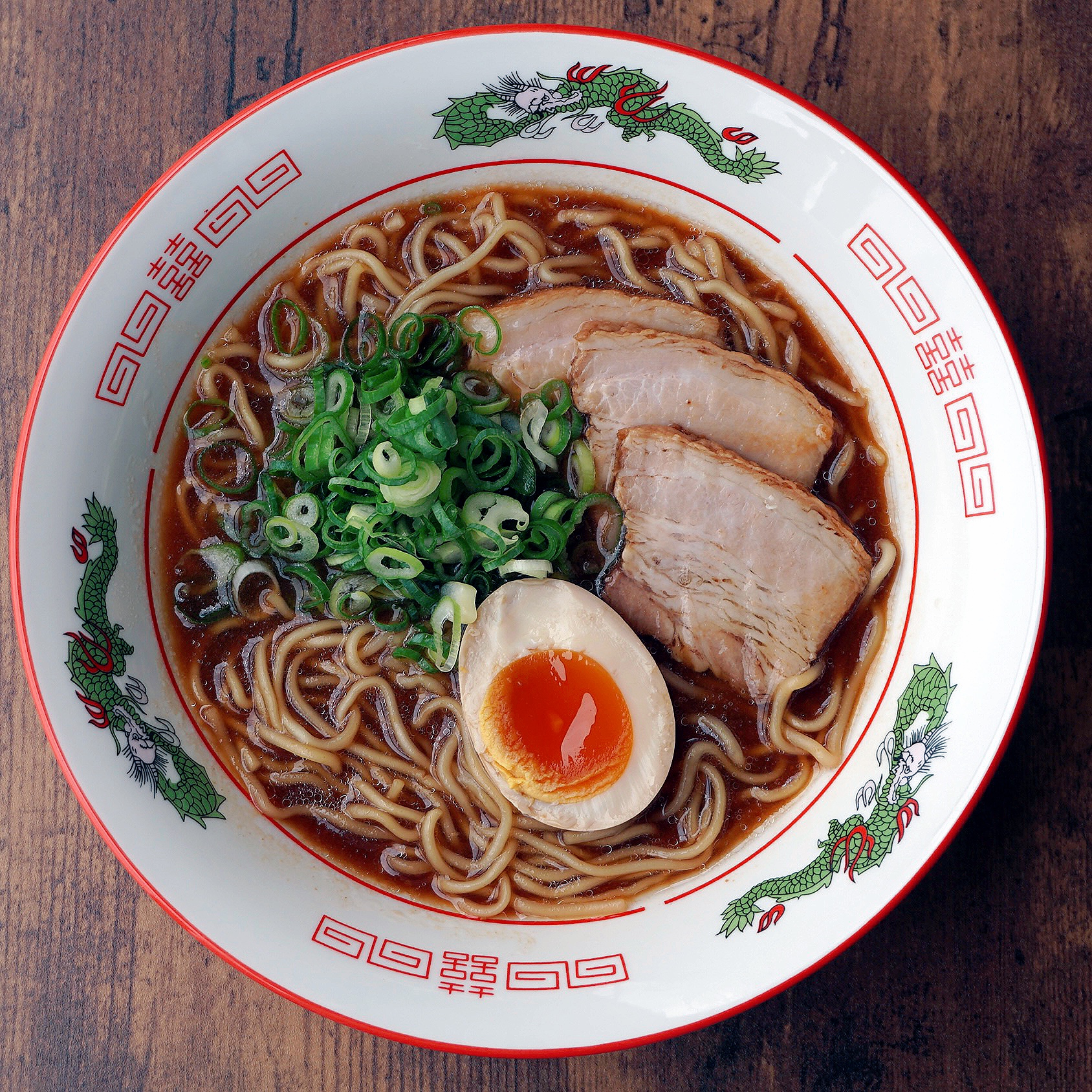
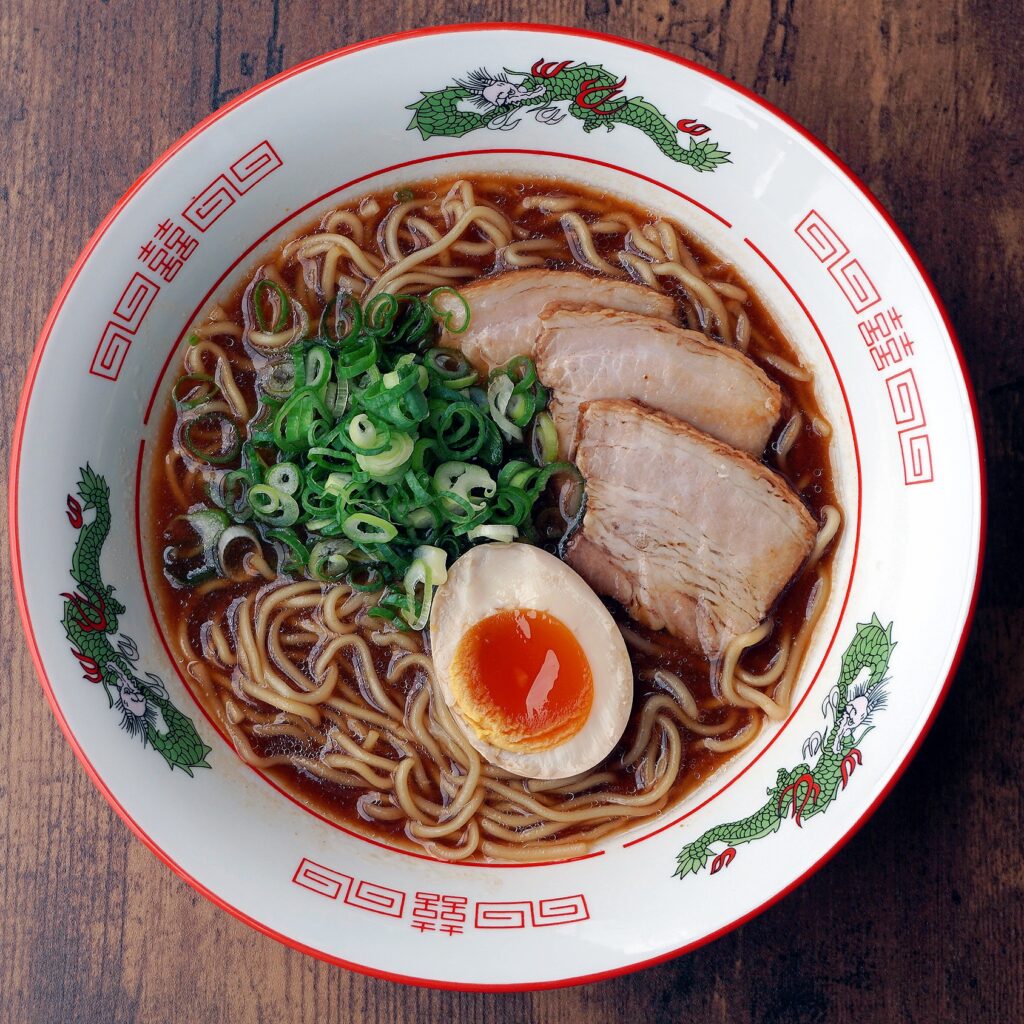
Homemade Miso Ramen: The Richness of Lard is the Secret to a Soul-Satisfying Bowl
Ramen is a beloved Japanese dish featuring pale yellow wheat noodles made with kansui (alkaline water). While flavors like Shoyu (soy sauce), Shio (salt), and Tonkotsu (pork bone) are popular, Miso Ramen—originally from Hokkaido—is celebrated for its deep, soul-warming richness.
In Japan, ramen is more than just a quick meal; it is a “national soul food.” While some stocks take days to simmer, a delicious Miso or Shoyu ramen is surprisingly achievable (and incredibly tasty) at home!
🍜 The Basics of Ramen: Four Iconic Styles
Beyond Miso Ramen, Japan boasts four “Major Soup Styles,” each beloved in different regions.
- Shoyu (Soy Sauce) Ramen: The most popular style in the Kanto region (around Tokyo). Standard toppings include menma (bamboo shoots), naruto (fish cakes), seaweed, and eggs.
- Shio (Salt) Ramen: Characterized by a clear, transparent soup made from chicken or seafood stock seasoned with salt. Hakodate in Hokkaido is famous for this style. It is often topped with chicken chashu, shrimp, or white scallions—ingredients that don’t overpower the delicate flavor of the broth.
- Tonkotsu (Pork Bone) Ramen: Deeply loved in Kyushu (especially Fukuoka Prefecture), this style is known for its cloudy, creamy white soup. It has a unique aroma and a powerful punch of flavor. Popular toppings that can stand up to the rich broth include pork chashu, soft-boiled eggs, pickled red ginger, and takana (pickled mustard greens).
- Miso Ramen: Originally from Sapporo, Hokkaido. Like the recipe we made today, it is characterized by its deep, rich, and robust flavor profile.
While making Tonkotsu or Shio ramen from scratch can be quite difficult at home, Miso and Shoyu ramen are surprisingly easy and delicious once you master a few key tips!
💡 The Secret Ingredient: The Magic of Lard
The key to authentic flavor lies in using lard (pork fat) instead of vegetable oil.
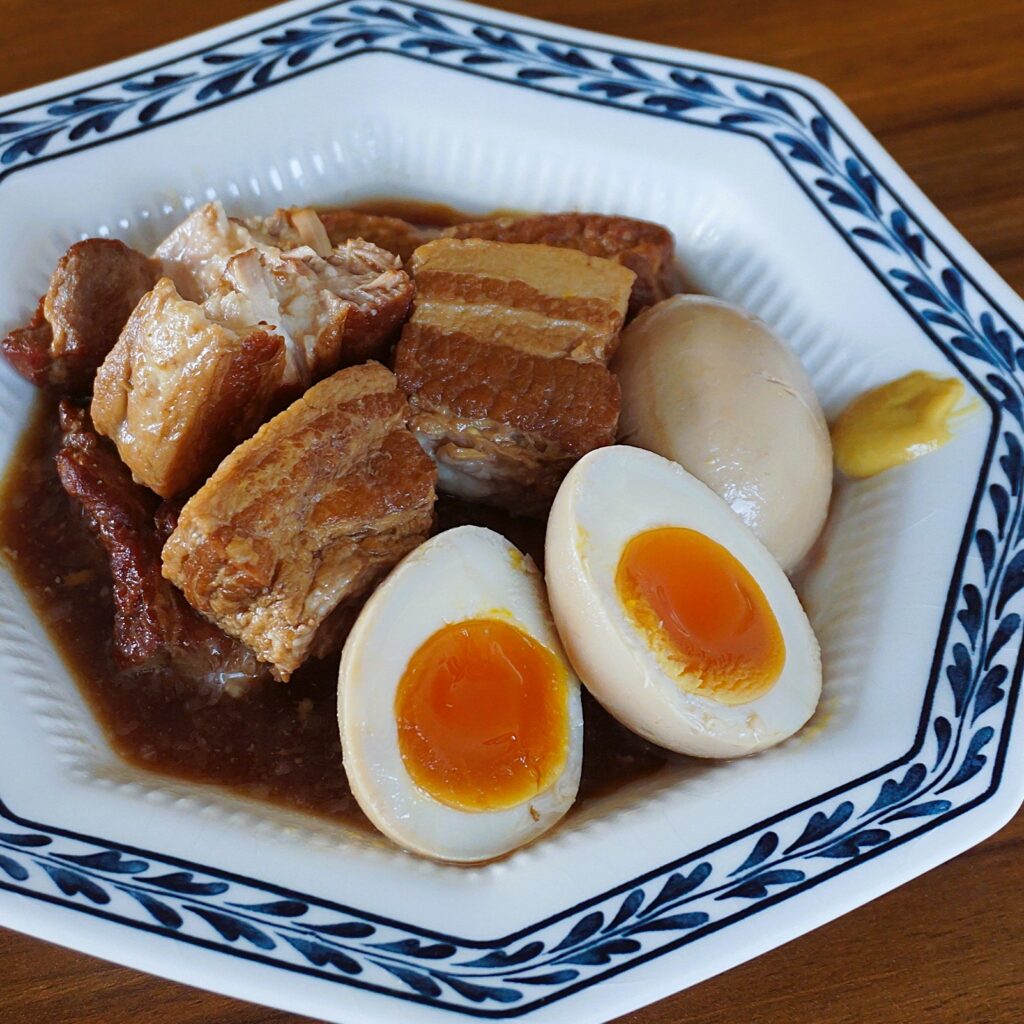
Nutritionist’s Tip: When I make Buta no Kakuni (braised pork belly), I save the white layer of fat that solidifies at the top after cooling. This homemade lard provides a velvety richness and depth that vegetable oils simply cannot replicate. 👉 Melt-in-Your-Mouth Japanese Braised Pork Belly (Buta no Kakuni)
INGREDIENTS (Serves 3); Homemade Miso Ramen
- Chinese Ramen Noodles: 120g × 3 servings
- Toppings: Braised pork (Kakuni/Chashu), Nitamago (marinated egg), green onions, bamboo shoots, etc.
[The Miso Soup Base]
- Lard: 5g (Homemade is best!)
- Sesame Oil: 5g
- Grated Garlic & Ginger: 2g each
- Water: 400g~ (Adjust to your preferred thickness)
- Weipa or Somi Shantan: 15g (Chinese soup stock base)
- Miso: 40g (A 1:1 blend of red miso and mixed miso is ideal)
- Soy Sauce: 10g
- Sake: 10g
- Mirin: 5g
🔍 Fun Fact: The Difference Between Weipa and Somi Shantan
While both are versatile Chinese soup stocks made from chicken and pork, they actually used to be the exact same product. Today, they are sold under different names due to different distributors, but you can use either one at home to achieve an authentic Chinese flavor!
- Somi Shantan: Originally manufactured and sold by “Somi Shokuhin” for commercial use.
- Weipa: Distributed by “KOUKI-SHOKO” specifically for general home consumers.
Though they now follow their own unique recipes, both are powerful allies when it comes to making a professional-quality ramen soup at home!
👩🍳Homemade Miso Ramen Step-by-Step Guide
1. Create the Aromatic Base
In a pot, combine the lard, sesame oil, grated garlic, and grated ginger. Heat over low heat until it releases a wonderful aroma. Turn off the heat briefly to prevent burning.
2. Build the Soup
Add the water, Weipa (or Somi Shantan), soy sauce, sake, and mirin to the pot. Bring to a light simmer.
3. Dissolve the Miso & The Pro Touch
Dissolve the miso into the hot soup. Miso loses its delicate fragrance if it is boiled for too long. To maximize the flavor, turn off the heat just before it reaches a boil, or let it simmer only briefly. This ensures the rich, fermented aroma stays fresh and vibrant in your soup!
✨ The Secret to a Silky Texture: To achieve a professional finish, strain the soup through a fine-mesh colander or sieve once. This removes the grainy fibers from the miso, garlic, and ginger, resulting in a perfectly smooth, elegant broth.
4. Boil the Noodles
Cook the ramen noodles in a separate pot of boiling water according to the package instructions. Be sure to drain the water thoroughly; this prevents the soup from becoming diluted.
5. Assembly
Place the noodles in a bowl and pour the hot, strained soup over them. Top with your prepared pork, egg, and vegetables. Serve immediately!
📊 Nutrition Facts (Noodles & Soup); Homemade Miso Ramen
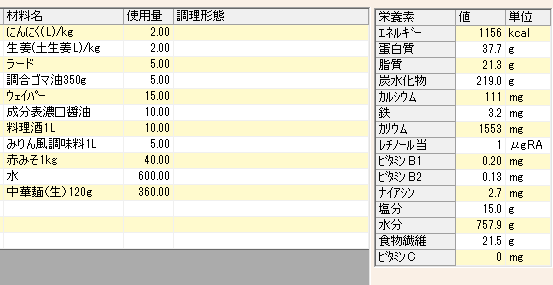
- Total Calories: 1156 kcal
- Protein: 37.7 g
- Total Fat: 21.3 g
- Total Carbohydrates: 219.0 g
- Salt Equivalents: 15.0 g
- Note: As ramen soup is high in sodium, we recommend enjoying the noodles and toppings while leaving some of the broth, or adding plenty of potassium-rich vegetables like bean sprouts and cabbage.
Enjoy the incredible aroma and the silky texture of this homemade masterpiece!
📖Related Link: Read the Japanese version of this article here! []
コメント