🍛 Hayashi Rice: A Unique Japanese Yoshoku Recipe
What is Hayashi Rice?
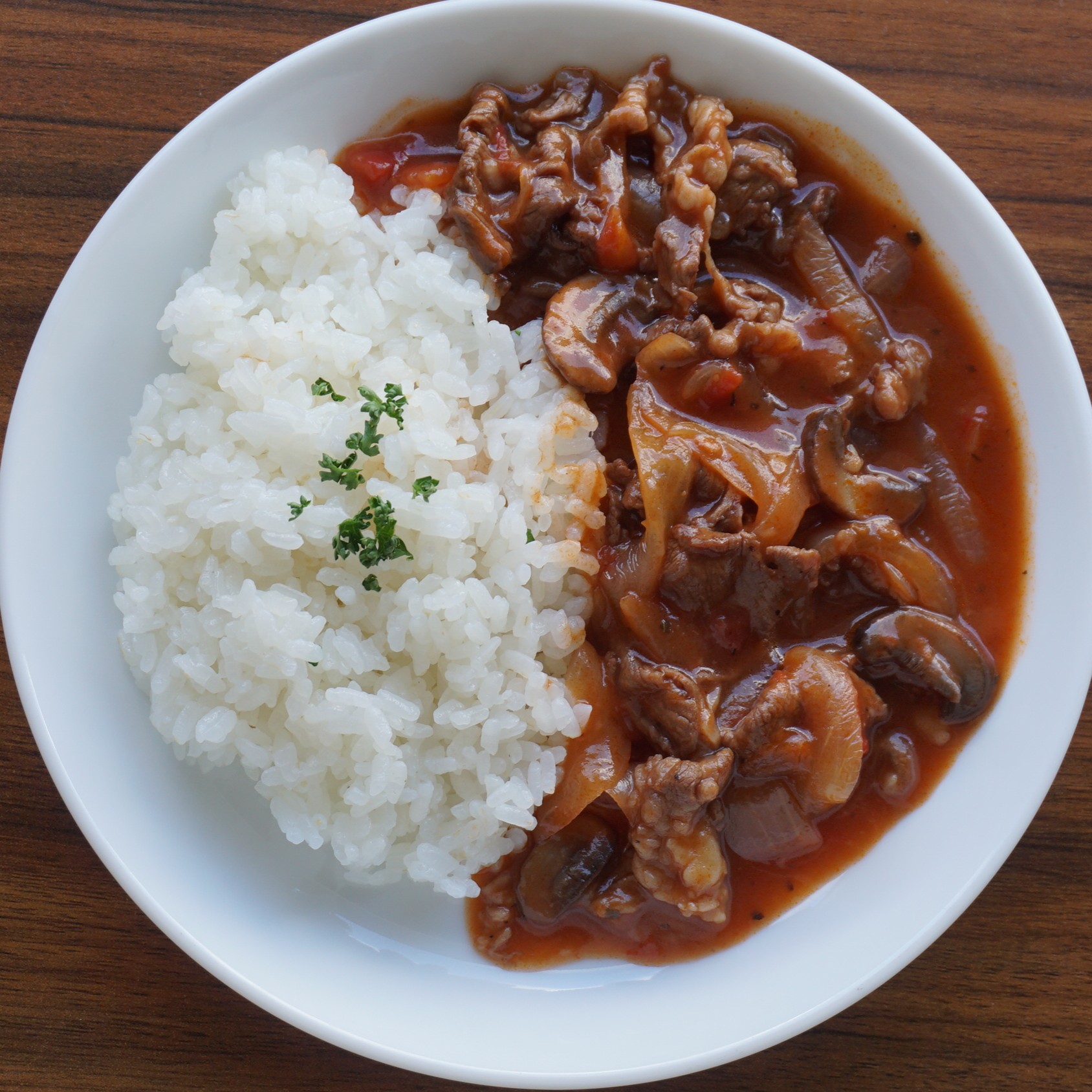
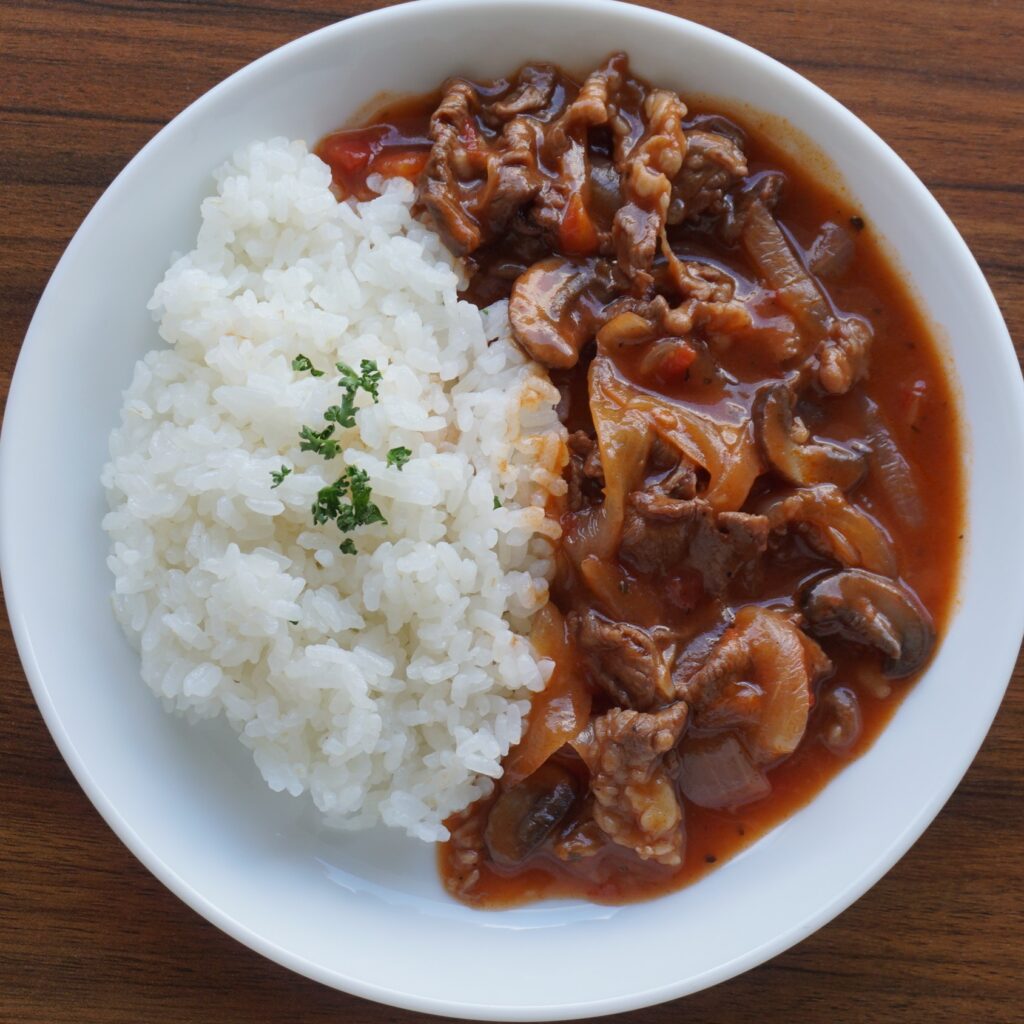
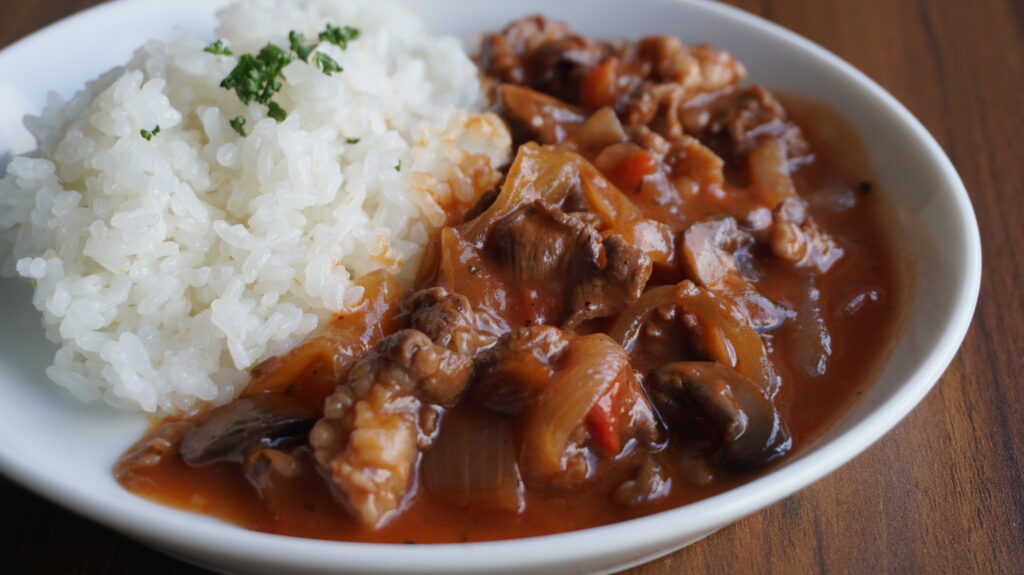
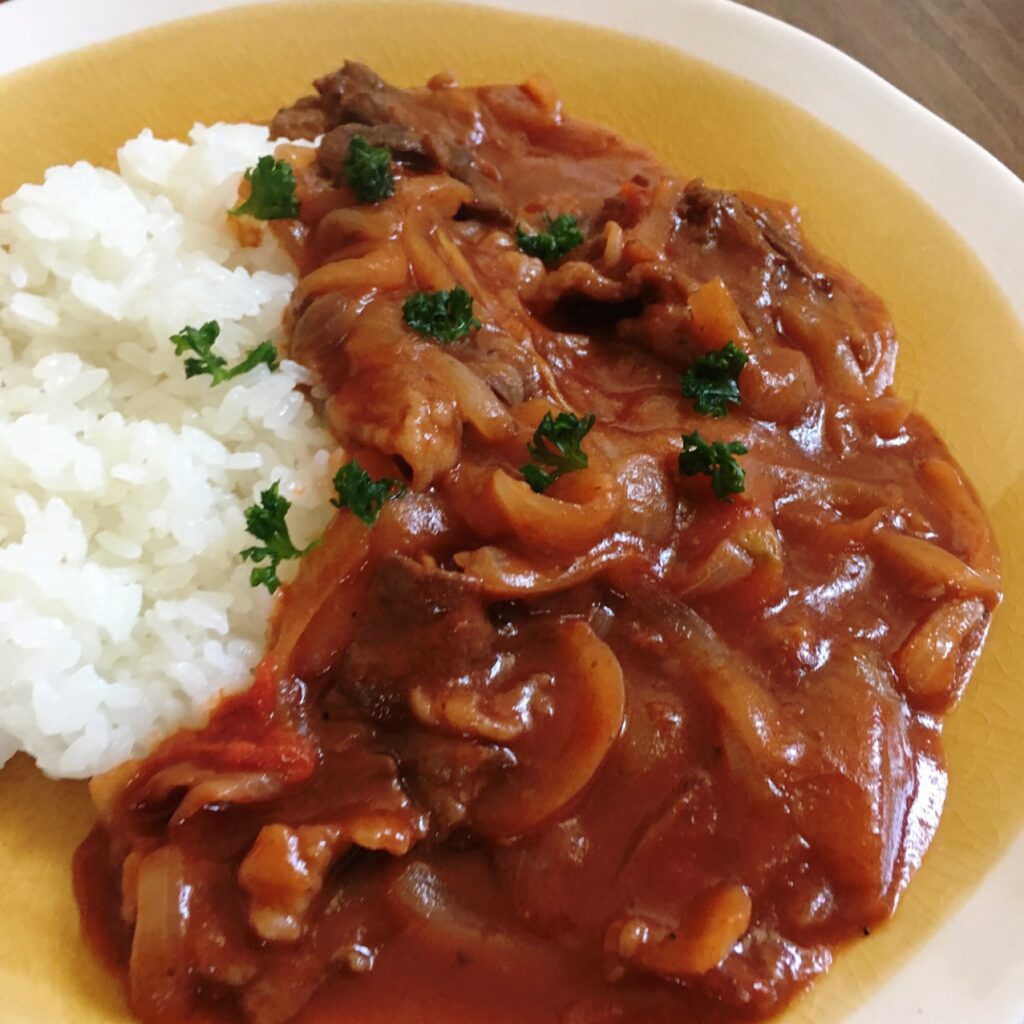
Hayashi Rice is a savory stew made of thinly sliced beef, onions, and mushrooms, simmered in a rich tomato-based sauce and served over a bed of steamed rice. While it may look similar to Japanese curry, it is not spicy at all because it doesn’t use curry spices. Instead, it focuses on the deep umami of the beef and the natural sweetness of caramelized onions.
Like Omurice or Tonkatsu, it’s a dish that developed uniquely in Japan, blending Western techniques with Japanese tastes. While many people in Japan use store-bought “roux” cubes, you can easily create a restaurant-quality version at home using simple ingredients!
The Secret Ingredient: Japanese Worcestershire Sauce
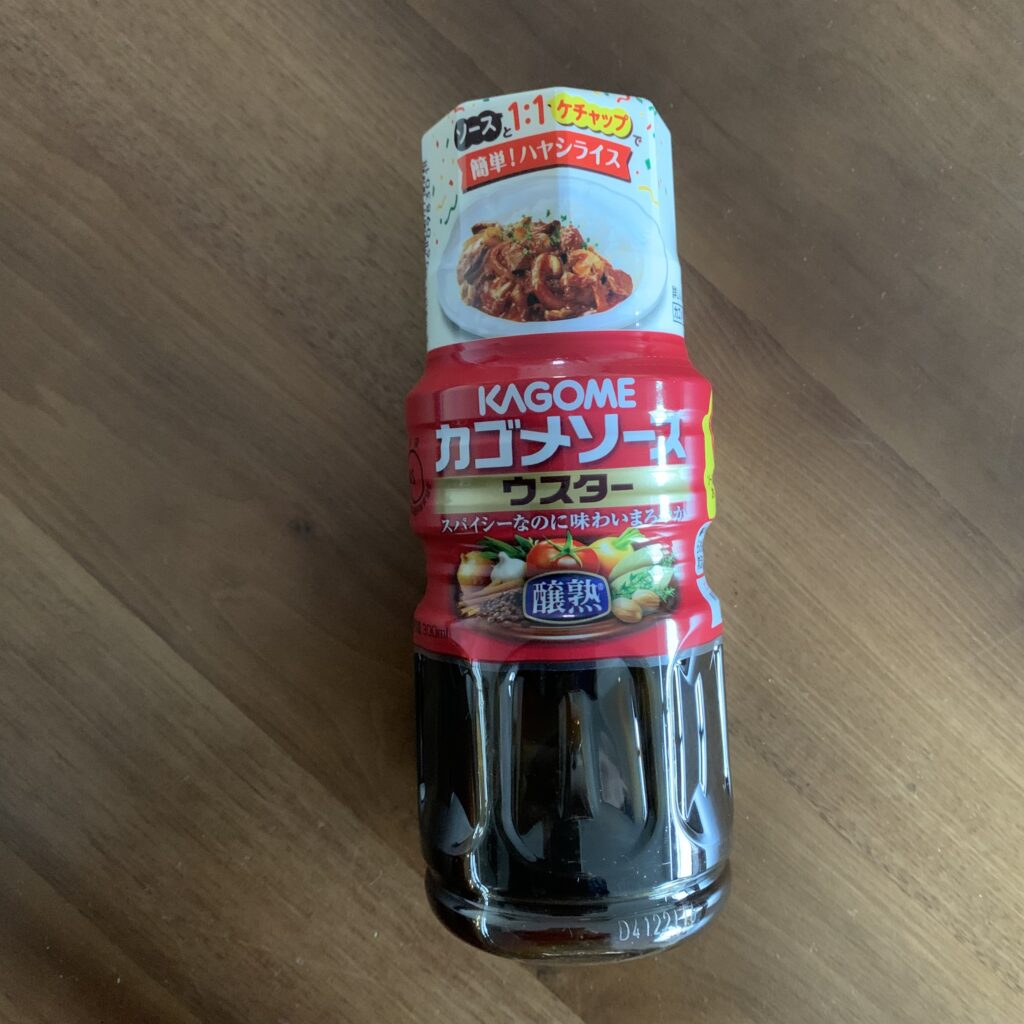
A key component of this recipe is Worcestershire sauce. However, I highly recommend using Kagome’s Worcestershire sauce.
You might find that overseas Worcestershire sauce (like Lea & Perrins) is quite thin and very vinegary/spicy. In contrast, Japanese Worcestershire sauce is fruitier, sweeter, and has a thicker consistency, which provides the essential “richness” (koku) to the sauce. Using the Kagome brand will give your Hayashi Rice that authentic, nostalgic Japanese flavor.
📝 Nutrition Facts (Per 4 Servings – Sauce Only)
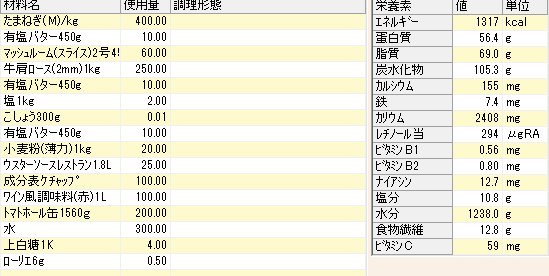
- Calories: 1317 kcal
- Protein: 56.4 g
- Total Fat: 69.0 g
- Total Carbohydrates: 105.3 g
- Salt Equivalents: 10.8 g
💡 Tips for a Delicious Result (Dietitian’s Deep Dive)
To elevate your Hayashi Rice from a simple home meal to an exquisite masterpiece, follow these three essential tips:
- Use Butter Instead of Oil: While olive or rapeseed oil is common, using butter is key for an authentic finish. Butter provides a deep aroma and a velvety “body” to the sauce that vegetable oils simply cannot match.
- Caramelize Onions to an Amber Hue: Fry the onions until they turn a deep golden brown. This process draws out the natural sweetness and adds a toasted fragrance that serves as the flavor base for the entire stew.
- Choosing the Right Cut of Beef: The texture of the meat is crucial for satisfaction.
- Domestic (Japanese) Beef: I recommend Komagire or shoulder loin. Komagire refers to small, thin pieces produced during the meat-cutting process; because it is a mix of various parts, it releases a complex variety of flavors into the sauce.
- Imported Beef (e.g., Aussie Beef): If you are using leaner imported beef, I recommend the belly meat. The higher fat content in the belly prevents the meat from becoming tough during the simmering process, ensuring every bite is tender.
Ingredients (Serves 4) : Hayashi Rice
- Beef: 250g thin-sliced beef or Komagire
- Vegetables: 400g Onions, 60g Mushrooms
- Fats: 20g Butter (split into two 10g portions)
- Thickener: 20g Flour
- Seasoning: 2g Salt, Pepper, 4g Sugar
- Liquid Base (☆): 25g Kagome Worcestershire sauce, 100g Ketchup, 100g Red wine, 200g Canned tomatoes, 300g Water
- Herbs: 2 Bay leaves (or substitute with parsley/basil)
- Serving: 760g Steamed Rice
How to make Hayashi Rice
- Prep the Vegetables: Slice the onions thinly. For the mushrooms, wipe off any dirt with a paper towel and slice them.
- Sauté the Onions: Heat 10g of butter in a pan. Add the onions and fry until they turn an amber color.
- Add Mushrooms & Beef: Add the mushrooms and stir-fry quickly. Add the remaining 10g of butter and the beef, frying until the meat changes color. Season with salt and pepper.
- Thicken: Turn off the heat. Sift the flour over the ingredients and mix well with a spatula until the powder is no longer visible.
- Simmer with the Secret Sauce: Turn the heat back on. Add the Worcestershire sauce, ketchup, red wine, canned tomatoes, water, sugar, and the bay leaves. Simmer for 10 minutes.
- Serve: Pour the rich sauce over warm steamed rice.
🌈Registered Dietitian’s Pro-Tip for Meal Prep: > While it is delicious freshly made, the flavors meld and become even better the next day. Over time, the acidity of the tomatoes softens and the flavors blend perfectly, making this an excellent choice for meal prepping!
🧐 Is it Hayashi, Hashed Beef, or Stroganoff?
It is very common for people (even in Japan!) to confuse Hayashi Rice with other similar-looking beef dishes. Here is a simple guide to help you distinguish them:
- Hashed Beef
- Origin: England. The name “Hashed” simply means “finely chopped meat.”
- The Japanese Twist: Hayashi Rice is actually the Japanese version of Hashed Beef, adapted to suit Japanese tastes.
- The Difference: Traditionally, Hashed Beef didn’t use demi-glace sauce. However, in modern Japan, we usually distinguish them by the sauce: Hashed Beef uses a brown demi-glace base, while Hayashi Rice uses a red tomato-based sauce. Both are commonly served over rice.
- Beef Stew
- The Cut: While Hayashi Rice uses thinly sliced beef and onions, Beef Stew features large, chunky blocks of beef. Vegetables like carrots and potatoes are also cut into large pieces.
- The Sauce: A rich demi-glace sauce is essential.
- Style: Unlike Hayashi Rice, Beef Stew is considered a main dish on its own and is rarely served over rice in Japan; it’s usually eaten with bread.
- Beef Stroganoff
- Origin: A national dish of Russia and Ukraine.
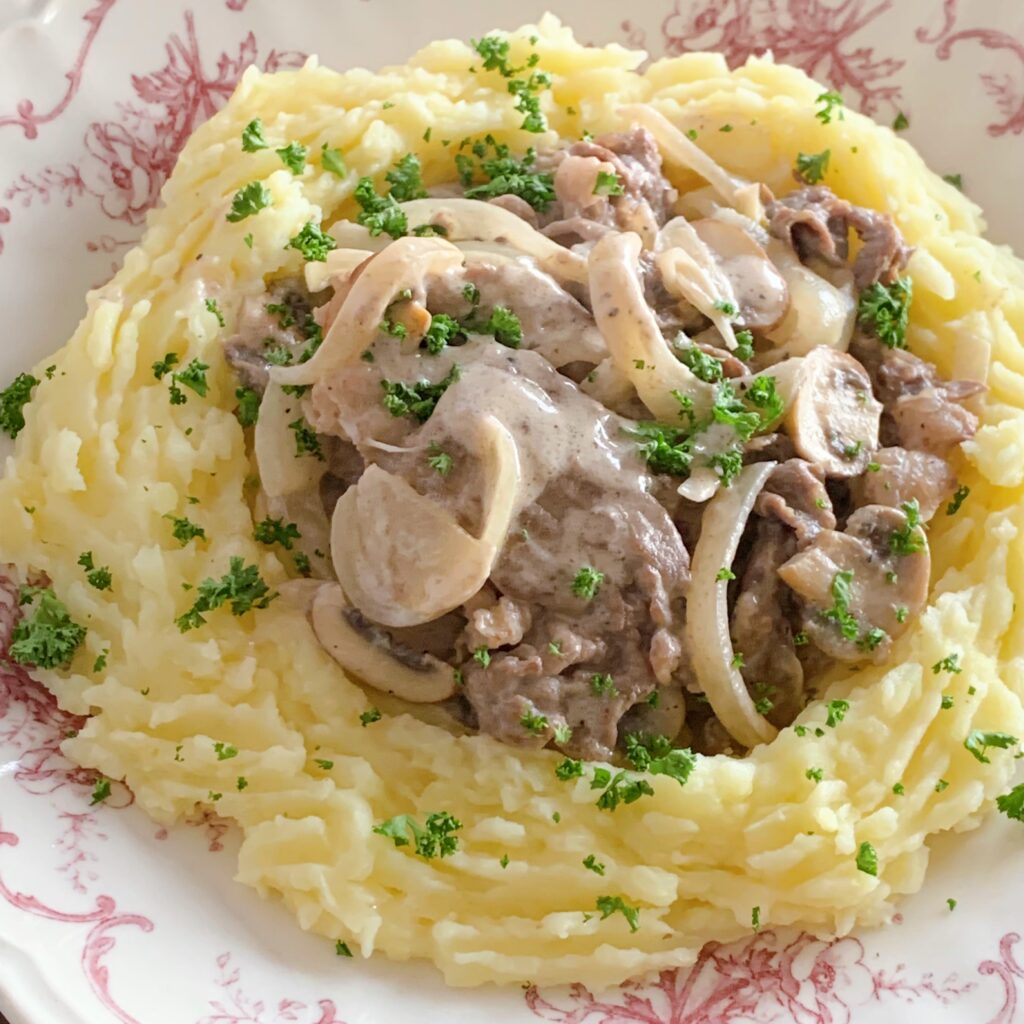
- The Original: Traditional recipes use beef, onions, and mushrooms, but the key ingredients are milk and sour cream, giving it a tangy, creamy finish.
- The Japanese Twist: Since sour cream was historically less common in Japan, many Japanese restaurants began using demi-glace sauce instead. This makes Japanese-style Beef Stroganoff almost identical to Hashed Beef!
Summary Table
| Dish | Main Ingredients | Sauce Base | Served with Rice? |
| Hayashi Rice | Thinly sliced beef/onion | Tomato & Worcestershire | Yes (Always) |
| Hashed Beef | Thinly sliced beef/onion | Demi-glace (Brown) | Yes |
| Beef Stew | Large chunks of beef | Demi-glace (Rich/Dark) | No (Usually Bread) |
| Beef Stroganoff | Thinly sliced beef | Sour Cream (or Demi-glace) | Often Bread or Pasta |
🔗 Related Recipes: Which Beef Dish are You Craving Today?
If you enjoyed learning about the tangy and sweet Hayashi Rice, you might also want to explore these other Japanese-style beef classics. Each has its own unique nutritional profile and cooking technique!

1. For a Hearty, Special Occasion: Authentic Beef Stew
“If you have large chunks of beef and want a slow-cooked, melt-in-your-mouth experience, this is the recipe for you. Unlike the thin slices used in Hayashi Rice, this dish is all about the richness of the demi-glace and tender root vegetables.”👉 [Beef stew with melty meat]
2. For a Creamy, Elegant Dinner: Japanese-Style Beef Stroganoff
“Looking for something a bit more sophisticated? My version of Beef Stroganoff balances the richness of beef with the subtle tang of sour cream (or my secret demi-glace shortcut!). It’s a wonderful alternative for those who love a creamier sauce.”👉 [Beef stroganoff(бефстроганов]
📖Read the Japanese version of this article here! [日本のハヤシライス – ルーは必要ありません!]


コメント