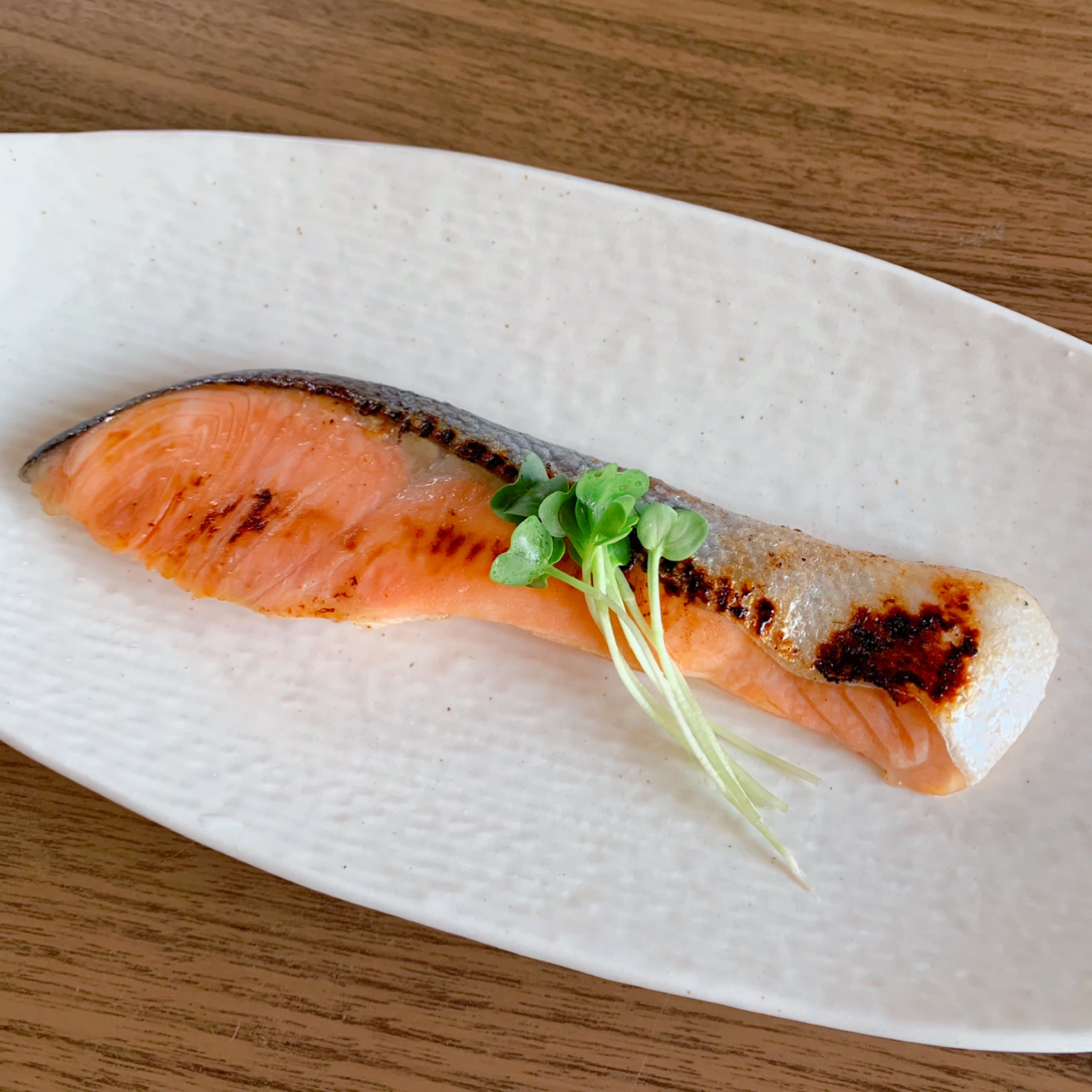
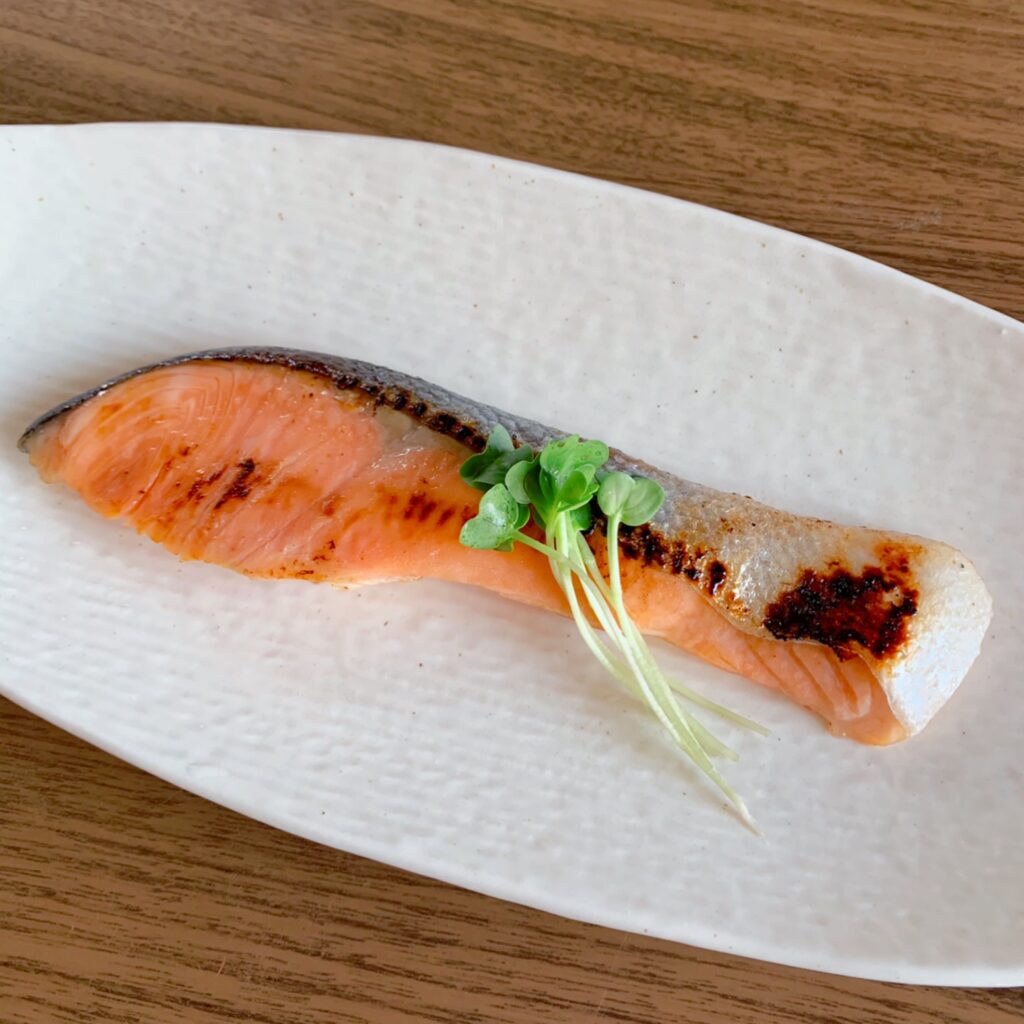
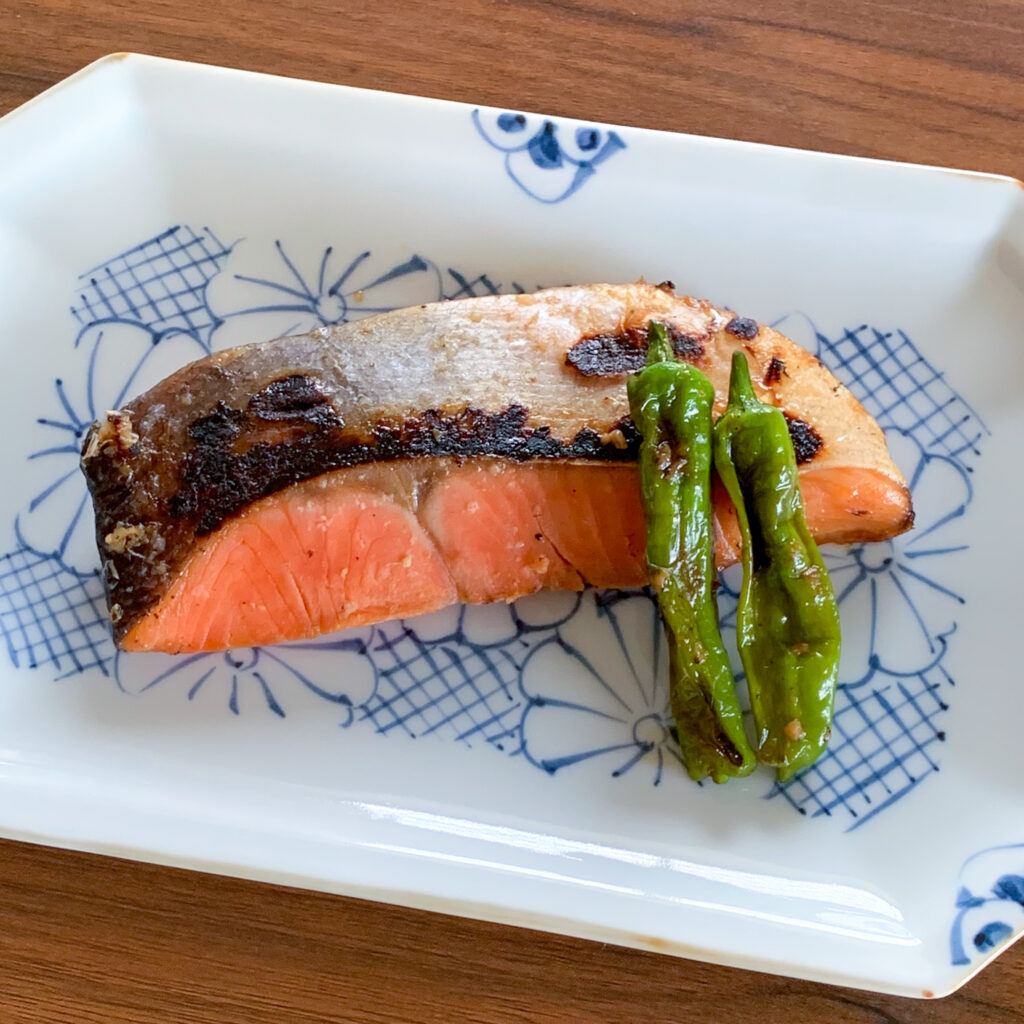
- Easy Grilled Shio Koji Salmon Recipe (Juicy & Tender)
- NUTRITION FACTS : Grilled Shio-Koji Salmon
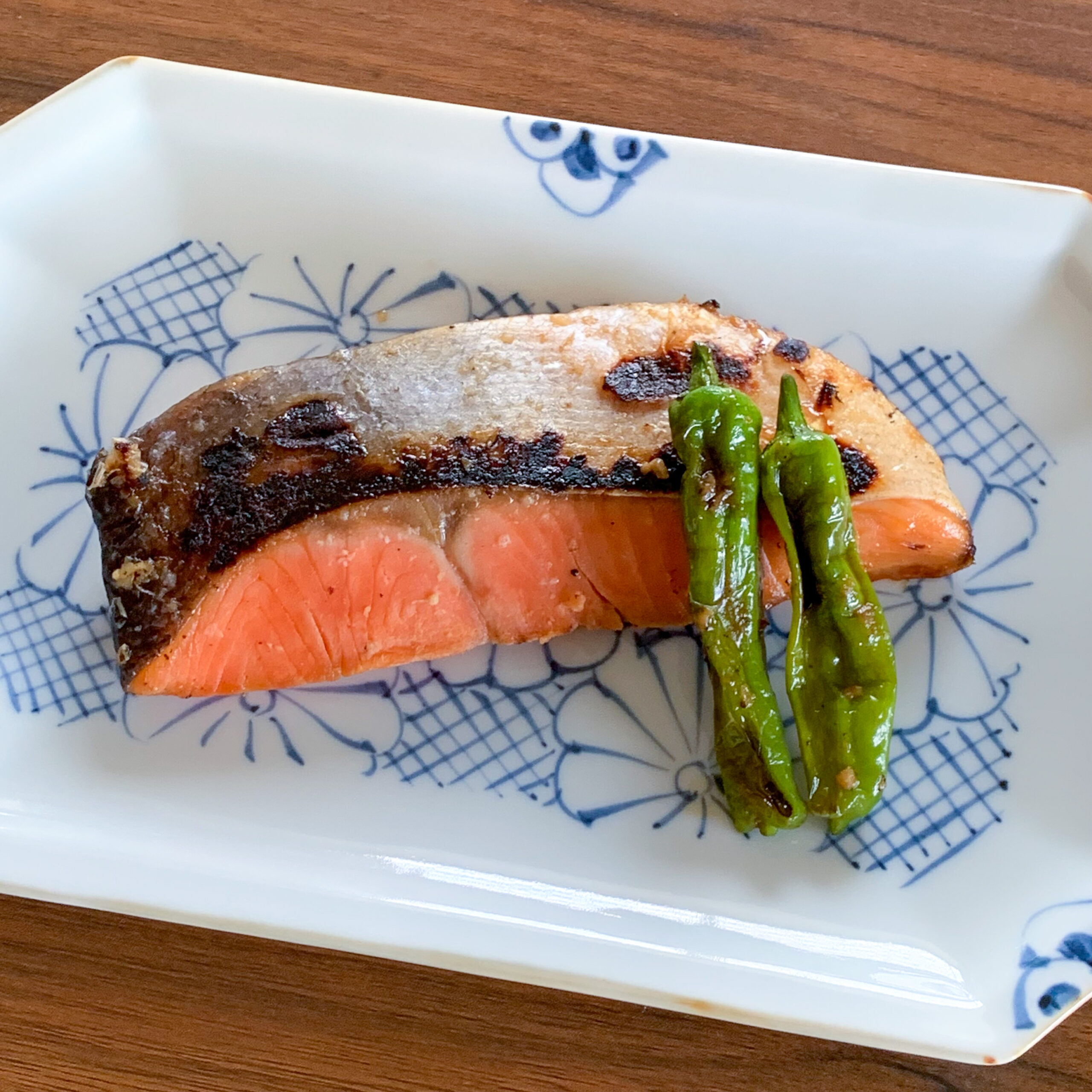
- Easy Grilled Shio-Koji Salmon Recipe (2 Servings)
- What is Shio-Koji and Why Does It Make Salmon So Juicy?
- A Subtle, All-Purpose Seasoning
- The Craft of Making Rice Koji
- Make Your Own Shio-Koji at Home!
Easy Grilled Shio Koji Salmon Recipe (Juicy & Tender)
〜Unlock the Secret to the Juiciest Salmon You’ve Ever Tasted〜
Tired of dry, bland grilled salmon?
As a nutritionist, I’m often asked how to make healthy proteins both flavorful and incredibly tender without using heavy sauces. My secret weapon? Shio-Koji.
This traditional Japanese fermented “magic” ingredient does more than just season; its natural enzymes break down proteins to unlock deep umami and a melt-in-your-mouth texture that you simply can’t achieve with salt alone. Today, I’m showing you how to transform a simple piece of fish into a gourmet, gut-friendly meal with minimal effort.
NUTRITION FACTS : Grilled Shio-Koji Salmon
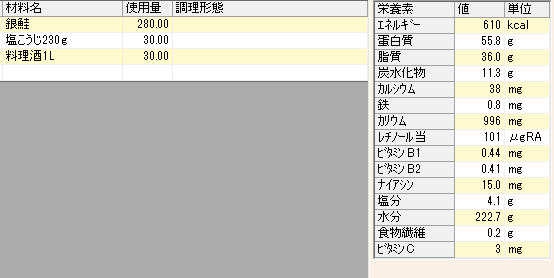
| Nutrient | Total (2 Servings) | Per Serving (1 Person) |
| Calories | 610 kcal | 305 kcal |
| Protein | 55.8 g | 27.9 g |
| Total Fat | 36.0 g | 18.0 g |
| Total Carbohydrates | 11.3 g | 5.7 g |
| Sodium | 4.1 g | 2.1 g |
Easy Grilled Shio-Koji Salmon Recipe (2 Servings)
Prep time: 5 mins (+ 3 hours marinating)
Cook time: 8 mins
INGREDIENTS
- Coho Salmon (Silver Salmon): 280g
- Liquid Shio-Koji: 30g (Or 48g if using the grainy/granular type)
- Sake (Rice Wine): 60g (approx. 4 tbsp)
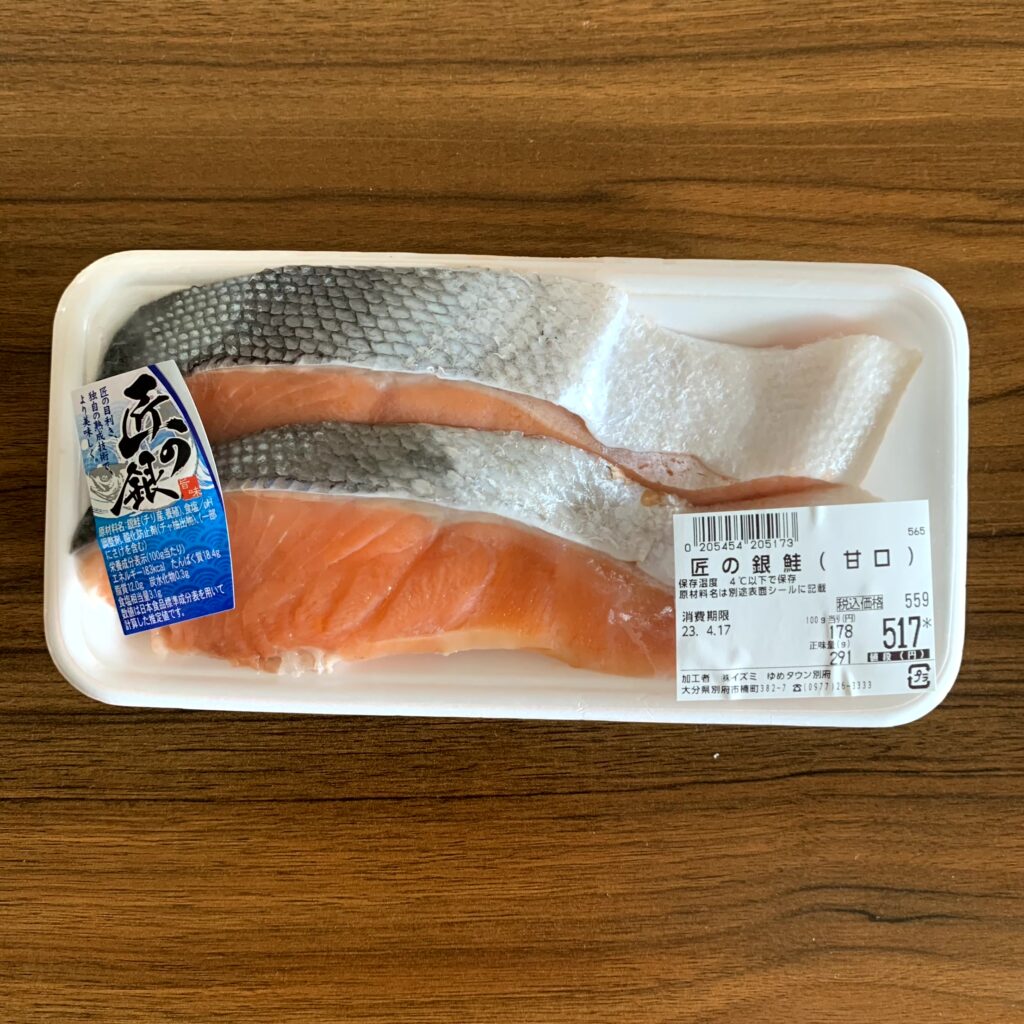
Step-by-Step Instructions
- Prep: Pat the salmon fillets dry with a paper towel to remove any excess moisture.
- Marinate: Coat the salmon evenly with the Shio-Koji. Let it sit in the refrigerator for 3 hours.
- Sear: Heat a frying pan over medium heat. Place the salmon skin-side or presentation-side down first.
- 💡 Nutritionist’s Tip: Shio-koji burns very easily due to its natural sugar content. Keep the heat gentle and scrape off excess koji before cooking if using the grainy type.
- Steam-Fry: After cooking for about 5 minutes until golden brown, flip the salmon. Pour the sake around the pan, cover with a lid, and steam-fry for another 3 minutes. The steam will make the salmon extra fluffy and moist.
What is Shio-Koji and Why Does It Make Salmon So Juicy?
The Magic of Shio-Koji
In Japanese, Shio means salt, Koji is rice malt, and Sake is salmon. Together, they create a dish that is the epitome of Japanese home cooking.
Shio-Koji is a powerhouse of probiotics and flavor. As a fermented superfood, it provides a boost for your Gut Health, while its enzymes act as a powerful tenderizer. The result is salmon that is remarkably plump, tender, and infused with an “Umami Bomb” of flavor—a refined saltiness perfectly balanced with a hint of natural sweetness.
Completely Flexible & Prep-Friendly
The best part? This dish fits perfectly into a busy lifestyle. It is completely flexible—you can marinate the salmon anywhere from one hour to a full day. If you prep it in the morning or even the night before, it’ll be ready to cook whenever you’re ready for lunch or dinner. Whether you’re a busy professional or a health-conscious foodie, this traditional Japanese seasoning is a game-changer for your weekly meal prep.
Give it a try and experience the magic of Shio-Koji for yourself!
What is Shio-Koji?
Shio-Koji is a traditional Japanese fermented seasoning made from just three simple ingredients:
Rice Koji (malted rice), salt, and water. In recent years, it has gained global attention as a “super-seasoning” that allows you to easily incorporate the health benefits of probiotics and active enzymes into your daily diet.
Fun fact: In Japanese, “malt” is called “koji.”
There are two kanji characters for koji: “麹” refers to the entire koji made from grains like rice, wheat, or beans, while “糀” refers only to rice koji.
Koji is used to make traditional Japanese seasonings such as miso, soy sauce, and mirin. The type of koji made depends on the type of food the bacteria is grown in, and is used for different fermented foods.
The koji used in shio koji is “rice koji,” made by attaching bacteria to rice.
A Subtle, All-Purpose Seasoning
Like miso and soy sauce, Shio-Koji harnesses the power of fermentation. However, while miso and soy sauce have bold, distinct flavors, Shio-Koji is much milder. It acts as a flavor enhancer that supports the natural taste of your ingredients with a delicate saltiness and a touch of sweetness.
The Craft of Making Rice Koji
The process of creating high-quality Rice Koji is a delicate art requiring precise temperature and humidity control:
- Washing & Soaking: Rice is washed and soaked in water for about 3 hours.
- Steaming: The rice is steamed until it reaches the perfect texture.
- Inoculation: The steamed rice is cooled, then sprinkled evenly with koji-kin (Aspergillus oryzae) spores.
- The Koji Room: The rice is placed in a specialized room kept at approximately 30°C (86°F) with 60–70% humidity.
- Culturing: The next day, the rice is broken up to cool it down, leveled out, and returned to the room for another night.
- Completion: Once the mold has fully bloomed on the rice, it is removed from the room and cooled overnight to stop the fermentation.
Make Your Own Shio-Koji at Home!
While making Rice Koji from scratch is a challenge, making Shio-Koji from pre-made Rice Koji is incredibly easy!
- Purchase: Buy high-quality Rice Koji from a specialized Koji shop (like Koujiya).
- Mix: Combine the Rice Koji with salt and water in a clean jar.
- Ferment: Let the mixture sit at room temperature for about one week, stirring once a day.
- Enjoy: Once it smells slightly sweet and the grains have softened, your homemade Shio-Koji is ready to use!
How to use shio-koji
There are two types of shio-koji: liquid and grainy.
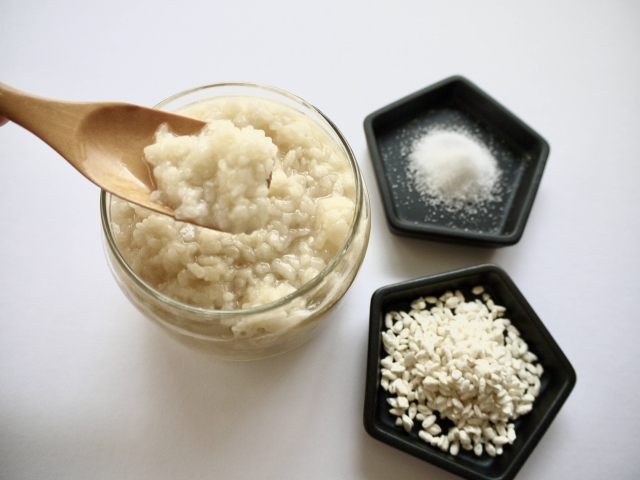
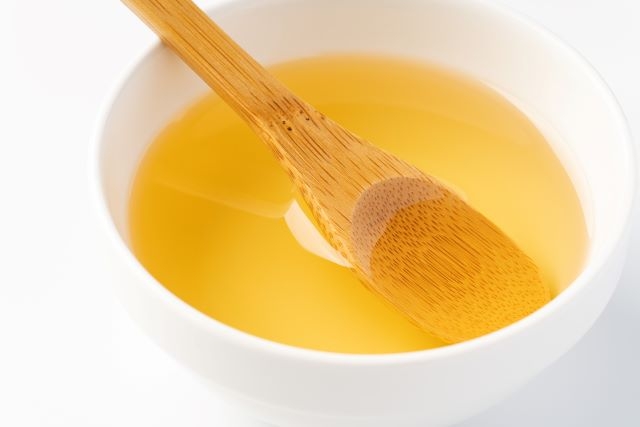
Liquid Shio-Koji is produced by pressing and filtering the traditional granular version. While the ingredients remain exactly the same, the smooth, liquid form makes it incredibly versatile and easy to incorporate into any dish without the texture of rice grains.
When following a recipe, it is important to note that the salt concentration differs between the two types. Liquid Shio-Koji is more concentrated.
| Type | Salt Content (per 15g) |
| Liquid Shio-Koji | 2.2g |
| Granular Shio-Koji | 1.4g |
Shio-Koji is an incredibly versatile seasoning that can replace salt or soy sauce in almost any recipe.
- Marinate: Simply coat meat or fish in Shio-Koji before cooking. Whether you pan-fry, grill, or deep-fry, the ingredients will develop a beautiful golden color and a rich aroma.
- Season: Thanks to its subtle sweetness, the saltiness is mild and well-rounded, making it perfect for those who prefer a gentler flavor.
- Beyond Meat & Fish: * Dressings: Drizzle it over boiled spinach or steamed vegetables.
- Eggs: Mix it into Tamagoyaki (Japanese rolled omelet) for a fluffy texture and deep umami.
The Power of Enzymes
The natural enzymes found in Shio-Koji work wonders on your ingredients:
Natural Tenderizer: These enzymes also soften the muscle fibers, ensuring your meat and fish stay incredibly tender and juicy after cooking.
Boosts Umami: They break down the proteins in meat and fish, significantly increasing the levels of amino acids (the source of savory umami).
Famous Shio-Koji Retailer
For authentic, high-quality koji from Oita Prefecture, visit: 👉 https://www.saikikoujiya.com
📖Read the Japanese version of this article here! [塩麹サーモンで腸内環境を整える:3ステップレシピ]
銀鮭 #鮭レシピ #お弁当 #朝ごはん #CohoSalmon #SalmonLover #SilverSalmon #HealthyEating #JapaneseFood

コメント