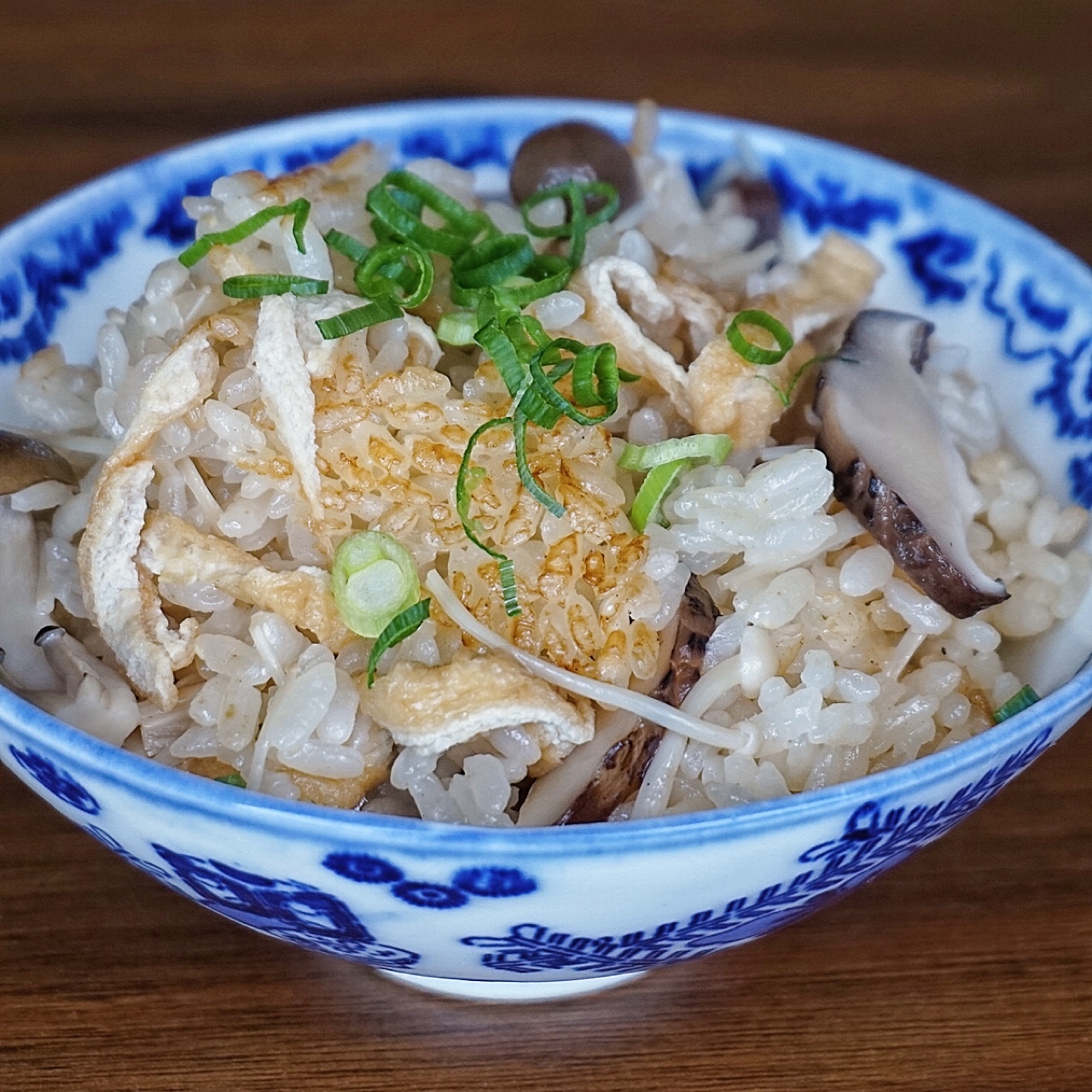
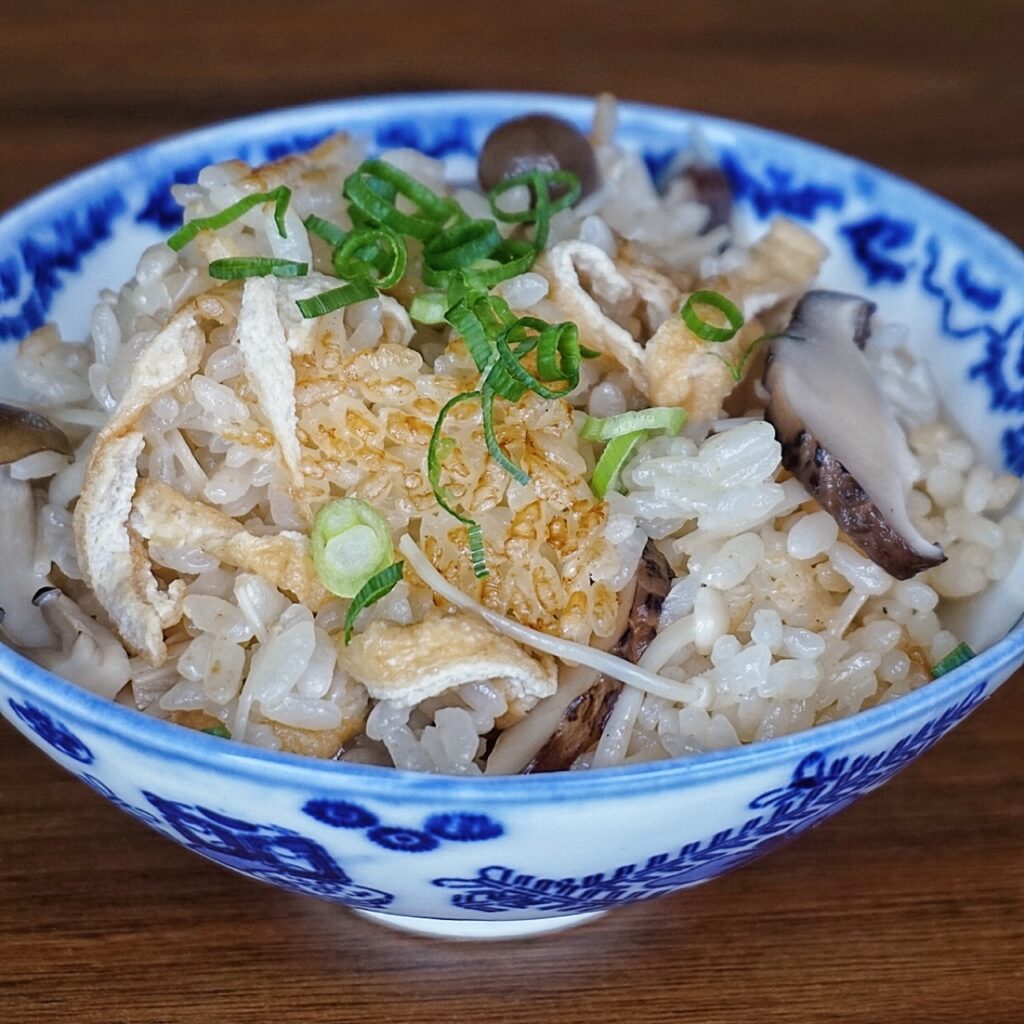
Kinoko Gohan (Mushroom Rice): A Savory, Umami-Packed Seasonal Delight
What is Kinoko Gohan?
Kinoko Gohan is a type of Takikomi Gohan, which is rice cooked together with seasonal ingredients. In Japan, there are no strict rules for these dishes; it is all about enjoying the flavors of the season—whether that includes chicken, root vegetables, or mushrooms.
Since it stays delicious even after it cools down, it is perfect for shaping into onigiri (rice balls) for picnics or packing into bento boxes. In this recipe, we keep the seasoning simple with a soy sauce base to maximize the natural aroma of the dashi. By combining several types of mushrooms, you create a depth of texture and fragrance that rivals professional restaurant quality.
💡 Nutritionist’s Advice: The Power of Mushrooms
Mushrooms have been a staple of the Japanese diet since ancient times. They are low in calories but packed with nutrients that modern diets often lack.
- Vitamin D and Dietary Fiber: They are rich in Vitamin D, which supports bone health, and dietary fiber, which helps maintain a healthy gut environment.
- Don’t Lose the Water-Soluble Nutrients: Mushrooms contain B vitamins and potassium, which dissolve easily in water. By making “Takikomi Gohan,” the rice absorbs all those dissolved nutrients, allowing you to enjoy the full nutritional benefits!
- Boost Umami by Freezing or Drying: Freezing or drying mushrooms breaks down their cell walls, producing “guanylic acid,” a powerful umami component. This is the secret behind why dried shiitake mushrooms are so incredibly flavorful.
✨ Pro Tip: Try “sun-drying” your mushrooms for a short time before using them. Exposure to sunlight can double the Vitamin D content, which is often lost in modern mechanical drying processes!
INGREDIENTS (Serves 2 cups of rice)
- Rice: 2 cups (320g)
- Dried Shiitake Mushrooms: 2 pieces (reserve the soaking liquid)
- Shimeji Mushrooms: 30g
- Enoki Mushrooms: 30g
- Abura-age (Fried Tofu): 1 piece (13g)
- Green Onions: 15g (for garnish)
[Seasonings & Dashi for Cooking]
- Soy Sauce: 30g (A 50/50 blend of light and dark soy sauce is recommended!)
- Sake: 20g
- Dashi Stock Granules: 5g
- Water (combined with Shiitake soaking liquid): Water: 360ml (For rinse-free rice, increase to 420ml)
👩🍳 Step-by-Step Guide
1. Rehydrate the Dried Shiitake
Soak the dried shiitake in water ahead of time (approx. 20 minutes at 20°C or 40 minutes at 10°C).
💡 Point: If you are in a hurry, adding a pinch of sugar to lukewarm water helps them rehydrate faster. However, avoid water that is too hot, as it can cause the umami flavor to escape!
2. Prep the Ingredients
- Rice: Wash the rice and let it drain in a strainer.
- Shiitake: Squeeze out the excess water (save the soaking liquid!), remove the stems, and slice.
- Shimeji & Enoki: Trim the ends (roots) and loosen the clusters. Cut the enoki in half lengthwise to make them easier to eat.
- Abura-age: Cut into 5mm thin strips.
⚠️ Note on Maitake Mushrooms
If you cook Maitake mushrooms directly with the rice, the rice may turn completely black. If you wish to use Maitake, blanch them quickly in boiling water before adding them to the rice cooker to keep the colors bright.
3. Cooking the Rice
Place the rice, shiitake soaking liquid + water, soy sauce, sake, and dashi granules into the rice cooker and give it a quick stir. Evenly spread the shiitake, shimeji, enoki, and fried tofu on top, then start the cooking cycle.
4. Finishing Touches
Once cooked, gently fold the rice from the bottom to fluff it. Serve in a bowl and top with finely chopped green onions.
📊 Nutrition Facts (Total Value)
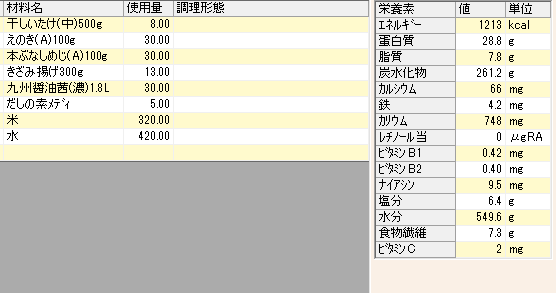
- Calories: 1213 kcal
- Protein: 28.8 g
- Total Fat: 7.8 g
- Total Carbohydrates: 261.2 g
- Salt Equivalents: 6.4 g
You Might Also Like: Looking for a way to use enoki? Check out this recipe for homemade Nametake! 👉 How to Make Homemade Nametake
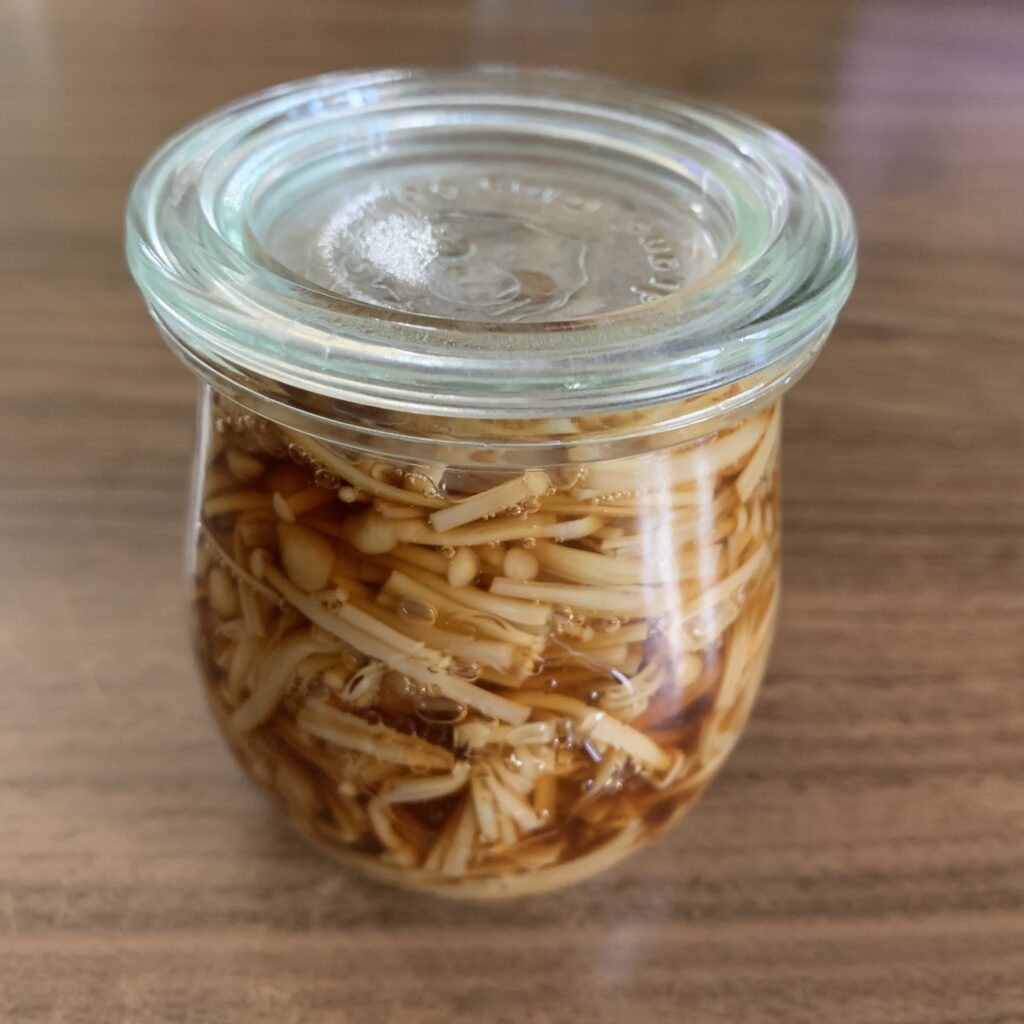
We hope you enjoy the wonderful aroma of mushrooms filling your home!
📖Related Link: Read the Japanese version of this article here! []
コメント