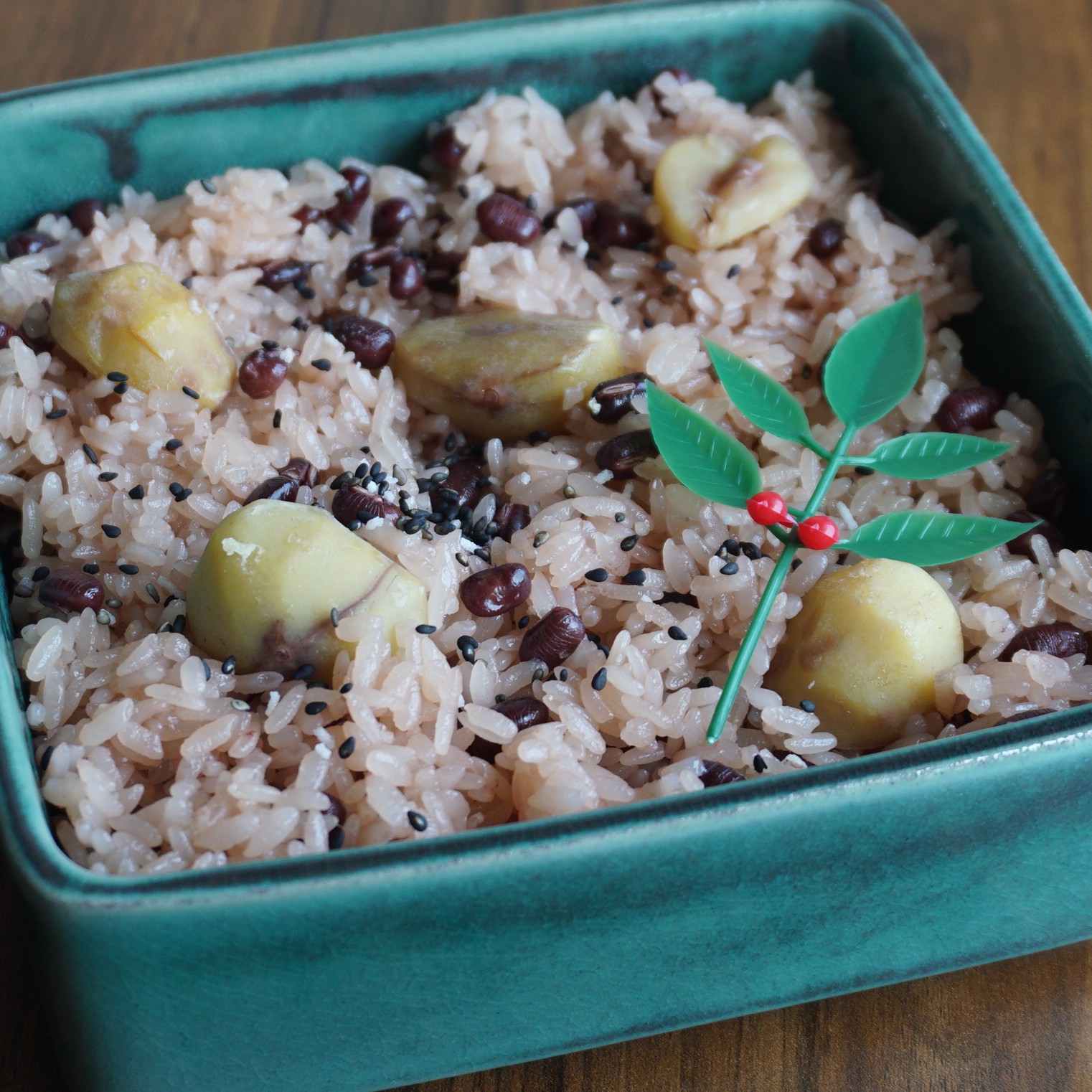
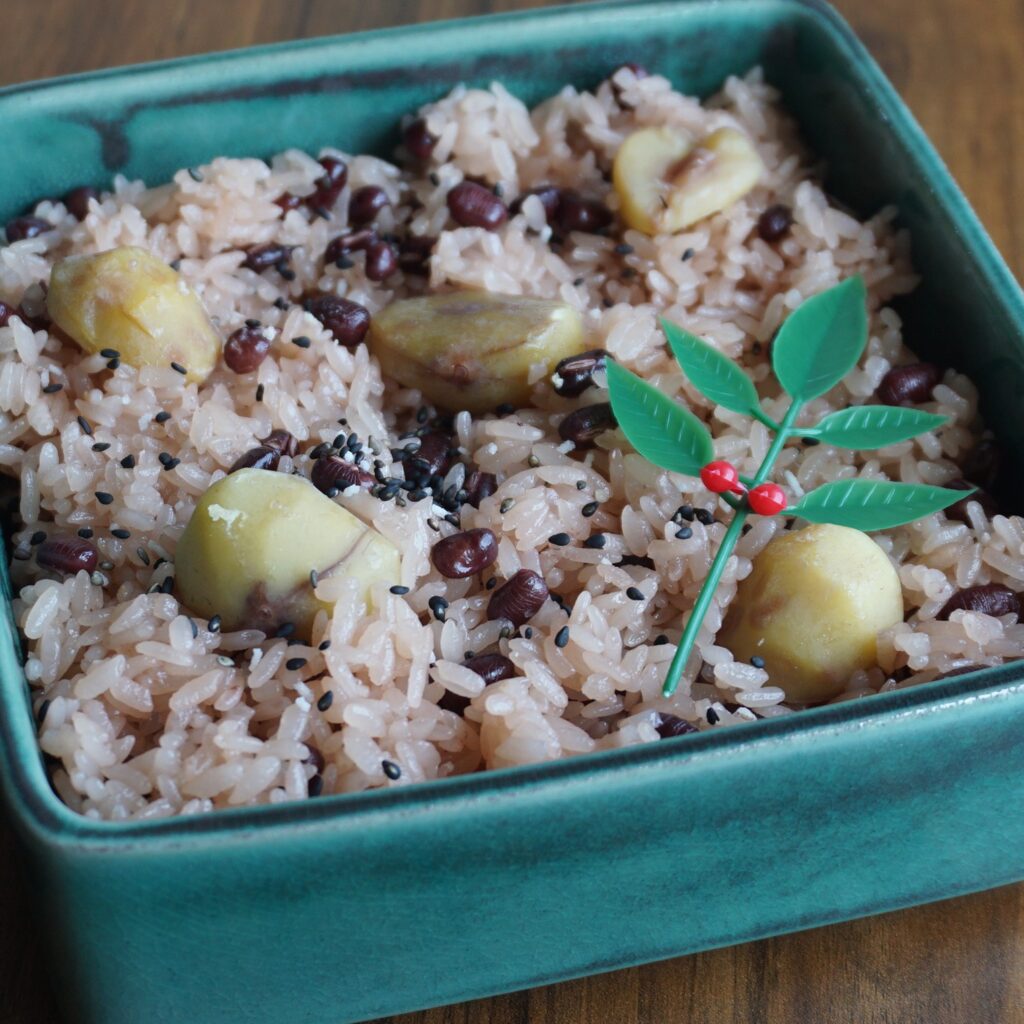
Sekihan (Japanese Azuki Red Bean Rice)
Sekihan is a traditional Japanese dish made of glutinous rice steamed with azuki beans. The beans naturally dye the rice a beautiful celebratory pink. Because red is believed to ward off evil spirits in Japan, Sekihan is the go-to dish for life’s major milestones.
🗾Tradition & Health
- Celebrations: Regularly served during New Year’s, Shichi-Go-San, weddings, and 60th birthdays (Kanreki).
- Nutritional Powerhouse: Azuki beans are packed with protein, B vitamins, iron, and potassium.
- Health Benefits: They contain saponins (which have diuretic properties and help manage blood lipids) and high levels of dietary fiber and polyphenols.
🫘Important Facts About Sekihan
- Is it a dessert? People often mistake Sekihan for a sweet dish, likely because azuki beans are frequently used in sweet bean paste (Anko). However, Sekihan is actually a savory dish with a subtle hint of salt.
- Does it contain food coloring? No! When made at home, the beautiful pink hue comes naturally from the liquid used to boil the beans. It is gluten-free and dye-free, making it an excellent healthy option for parties and celebrations.
Troubleshooting: Common Mistakes & How to Avoid Them!
While Sekihan (Red Rice) was traditionally made using a steamer, modern rice cookers make the process much easier and more reliable. However, to ensure perfect results, please keep these key points in mind:
✏️Texture: Too Mushy or Too Hard
- The Cause: Incorrect water ratio or over-soaking. Glutinous rice (mochi rice) becomes mushy much faster than regular white rice. While standard rice benefits from a 30-minute soak, glutinous rice is best cooked immediately after washing.
- The Solution: If your rice cooker has an “Okowa” (Sticky Rice) setting, use it! Always measure your water precisely according to that specific scale.
✏️Beans: Cracking or Falling Apart
- The Cause: Boiling the beans too vigorously or for too long during the prep stage.
- The Solution: Cook the azuki beans until they are “Al Dente” (slightly firm to the bite). They will finish softening to the perfect texture inside the rice cooker.
Ingredients (8 Servings); Sekihan
- Glutinous Rice (Mochi-gome): 500g
- Short-grain White Rice: 40g
- Azuki Beans: 80g
- Frozen Chestnuts: 100g (optional but delicious)
- Salt: 8g
- Cooking Liquid: 500ml (A combination of the bean poaching water + fresh water)
- Garnish: Sesame salt (Gomashio) furikake
Sekihan Cooking Instructions
- Prep the Rice: Wash both types of rice together until the water runs clear. Drain in a colander and set aside.
- The First Boil: Place azuki beans in a pot with plenty of water. Bring to a boil, simmer for 5 minutes, then drain and discard the water (this removes the harsh bitterness).
- Simmer the Beans: Return the beans to the pot with 500ml of fresh water. Simmer on low heat for 20–30 minutes until the beans are cooked but still firm (not mushy).
- Save the Color: Separate the beans from the cooking liquid. Do not discard the liquid! This is what colors your rice.
- Measure the Liquid: Take the bean liquid and add enough fresh water to bring the total volume to 500ml.
- Set the Rice Cooker: Place the drained rice, salt, and the 500ml of colored liquid into the rice cooker. Stir well.
- Top it Off: Place the cooked azuki beans and frozen chestnuts evenly on top of the rice.
- Cook: Use the “Regular” rice setting (avoid “Quick Cook” to ensure the azuki beans softens properly).
- Finish: Once cooked, fluff the rice gently with a paddle. Serve with a sprinkle of sesame salt.
⚠️ Note: Some rice cookers have specific settings for “Mixed” or “Sticky” rice. Please check your manual to ensure your model is compatible with beans and glutinous rice.
Nutrition Facts; Sekihan
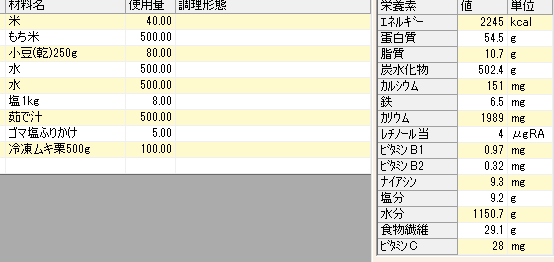
| Nutrient | Total Value (8 Servings) |
| Calories | 2,245 kcal |
| Protein | 54.5g |
| Total Fat | 10.7g |
| Carbohydrates | 502.4g |
| Salt Equivalents | 9.2g |
[!NOTE] These values are for the entire batch. Per serving, this dish provides approximately 280 kcal and 6.8g of protein, making it a wholesome and energy-rich choice for any celebration.
Hungry for More? Now that you’ve mastered Sekihan, why not expand your repertoire?
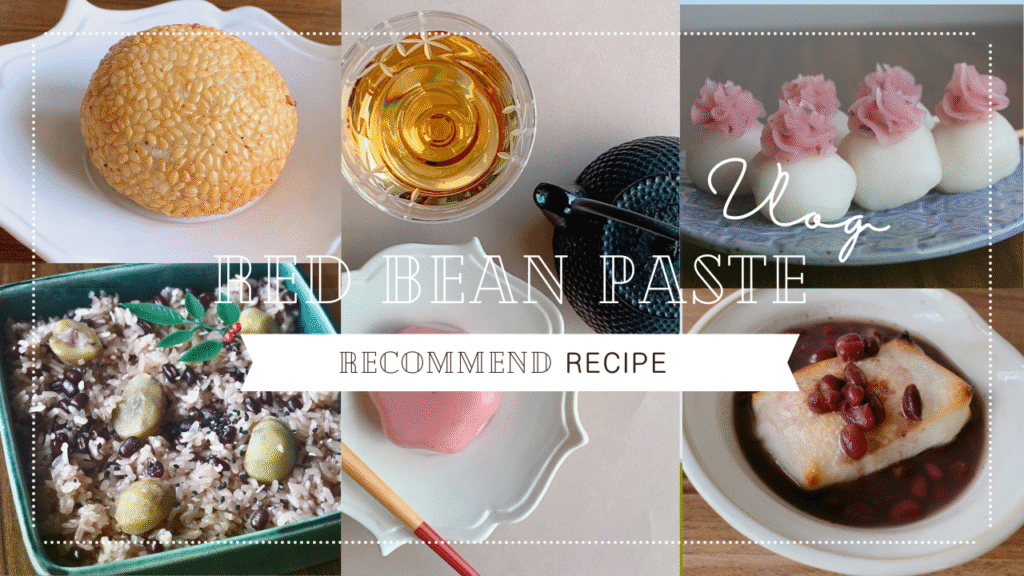
- ✨ Explore more chewy Mochi Rice favorites [How to Cook Perfect Japanese Sticky Rice (Mochigome)]
- 🫘 Discover the versatile world of Azuki recipes [About Red beans and Anko (red bean paste)]
- 📖Related Link: Read the Japanese version of this article here! [お祝いで食べたい「赤飯」の作り方。炊飯器で失敗しない黄金比レシピ]
#もち米 #おこわ #モチモチ #蒸し料理 #おうちごはん #StickyRice #GlutinousRice #JapaneseFood #TraditionalCooking



コメント