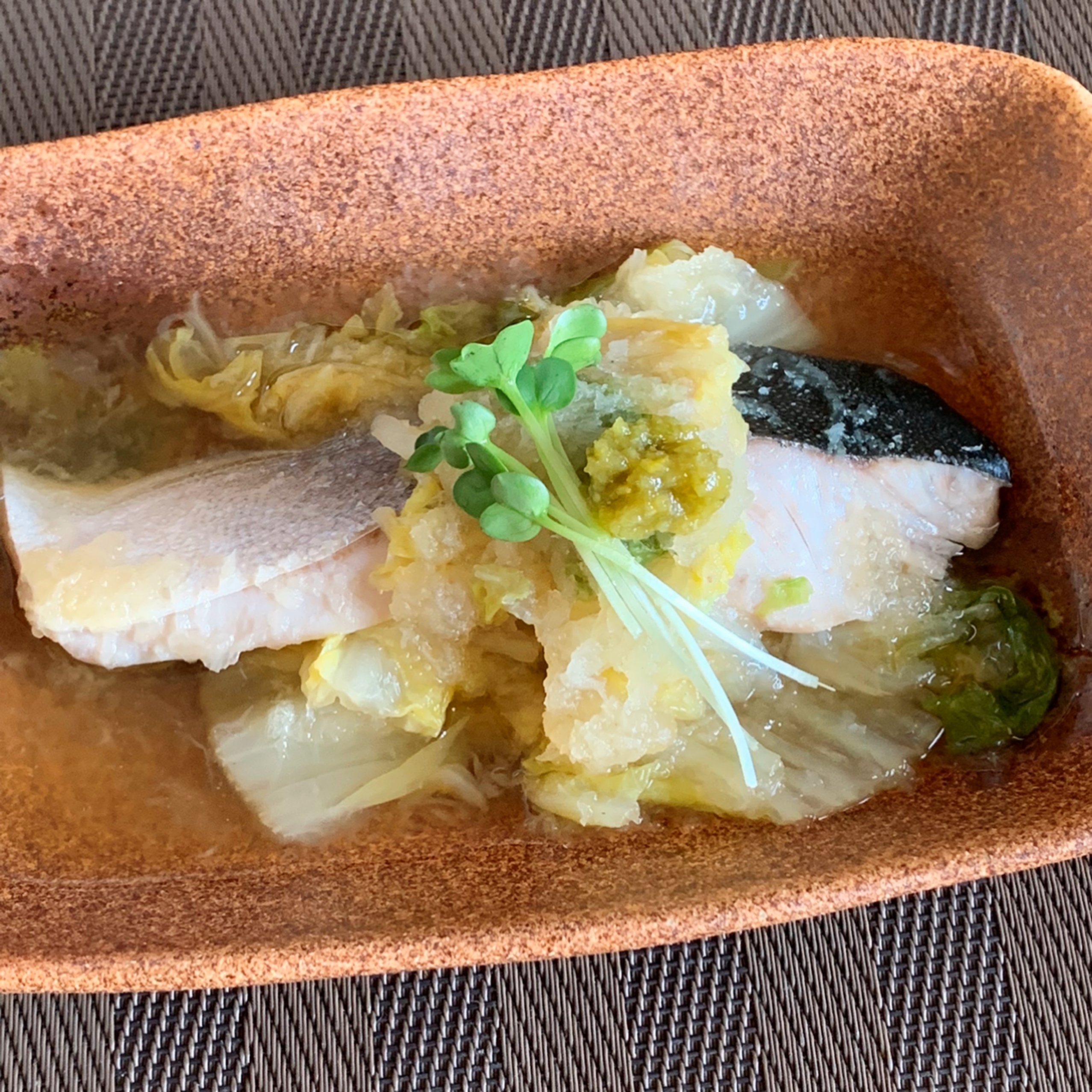
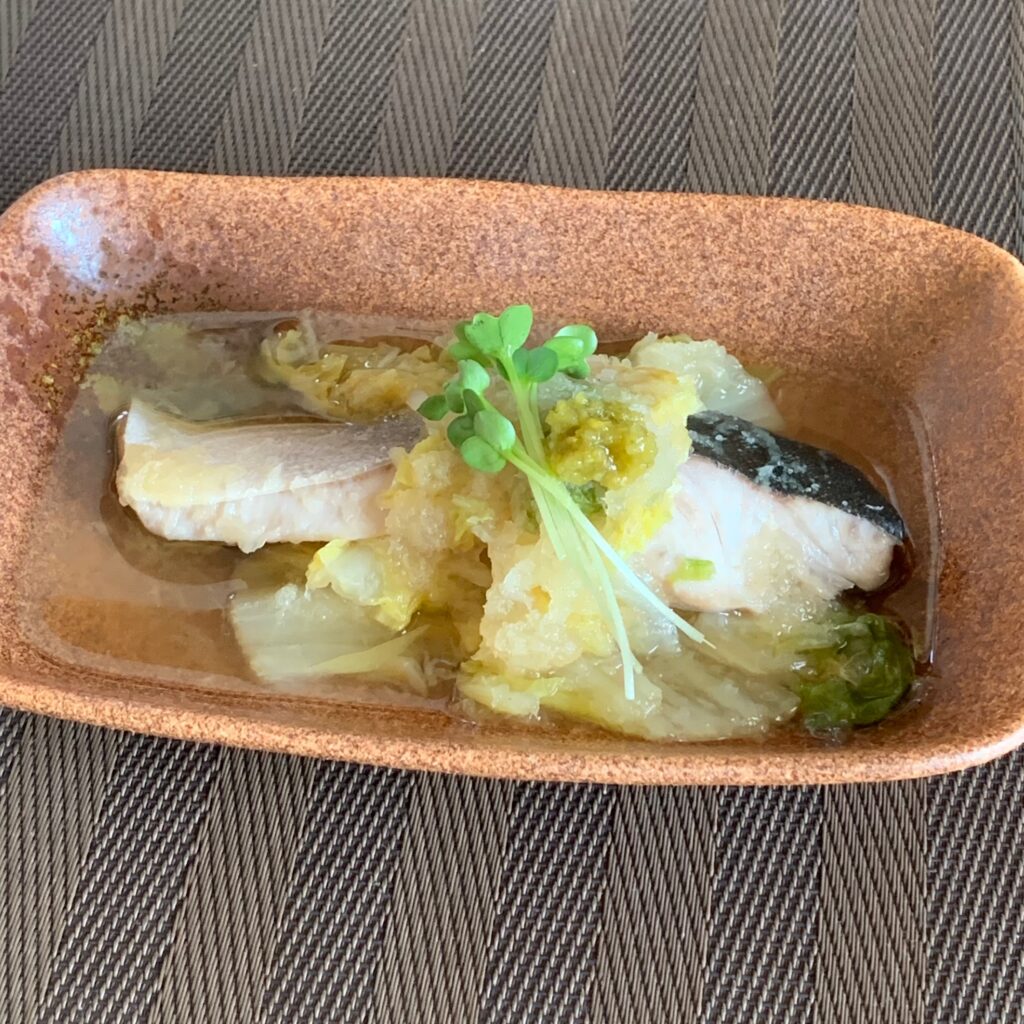
Yellowtail & Grated Japanese Daikon Radish (Mizore-ni)
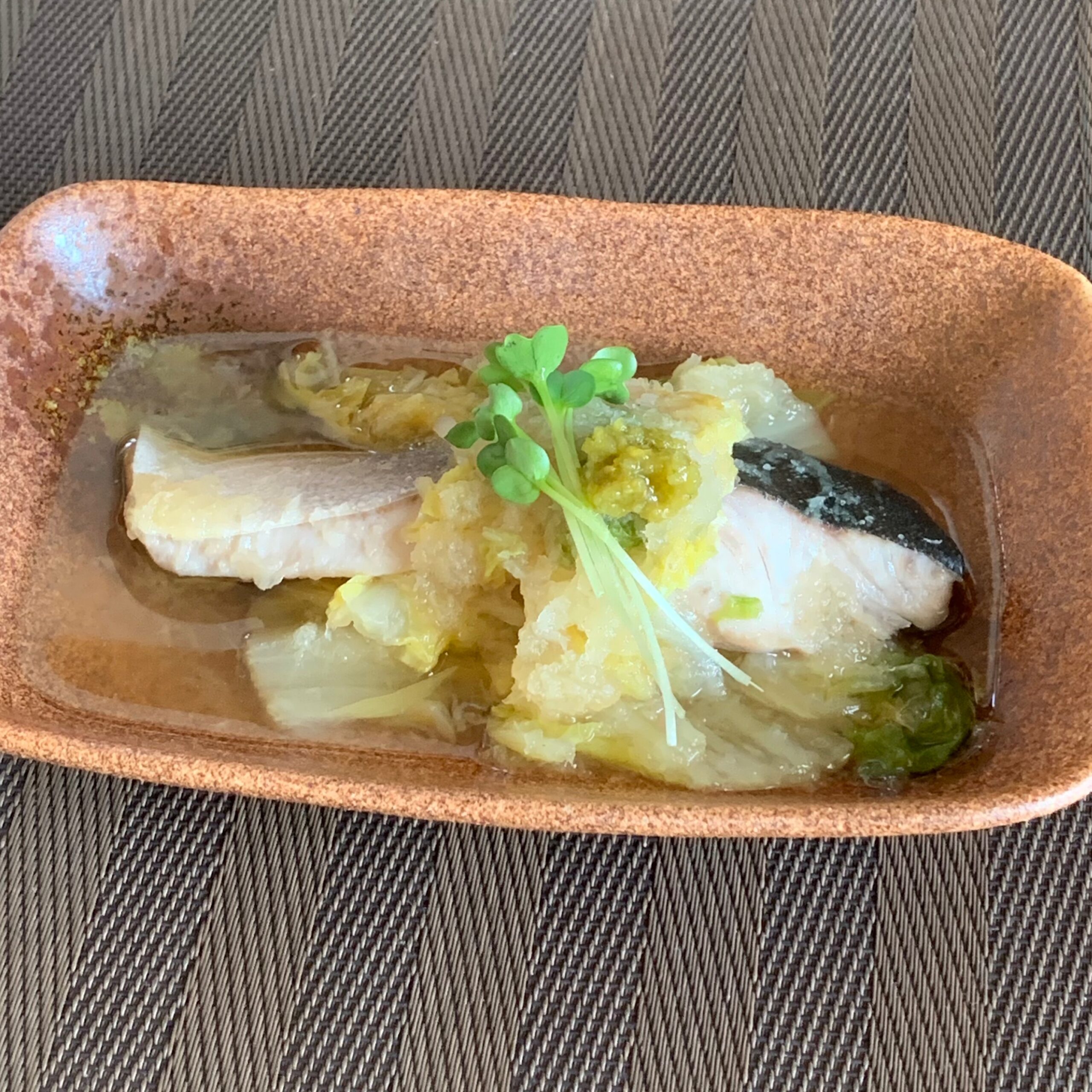
This dish features yellowtail (Buri) seasoned with salt and simmered beautifully with grated radish and Napa cabbage.
🐟 The Story of Buri
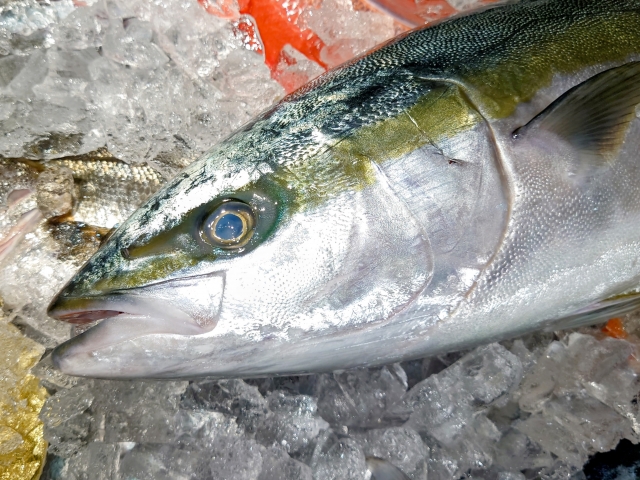
- The King of Winter Fish: Yellowtail (Buri) Yellowtail is at its peak during the winter. It is a rich, flavorful red-fleshed fish, packed with healthy fats and high-quality protein. In Japan, it is known as a “Shusse-uwo” (a fish that is promoted). Because of this, it is often served as a lucky charm during celebrations.
- Faster, Easier, and Healthier While this dish may not be as famous as Buri Daikon (simmered with thick chunks), this “Mizore-ni” style is much faster, easier to prepare, and incredibly healthy.
- The Secret to Tenderness: The “Salt-Rub” Method The key is rubbing salt into the fish, which allows you to achieve a fluffy and tender finish. Since yellowtail becomes tougher the longer it is cooked, this method ensures you can enjoy the fish at its most succulent.
What is “Mizore-ni”?
In Japan, simmering ingredients with grated radish is called “Mizore-ni.” The word “Mizore” refers to sleet—a mixture of rain and snow. This dish earned its poetic name because the translucent grated radish floating in the broth resembles falling snow.
Yellowtail, radish, and Napa cabbage are all ingredients that shine in the winter. I hope you’ll bring this atmosphere of a beautiful Japanese winter to your dinner table with this cozy menu.
The Finishing Touch: A Taste of My Home🪄
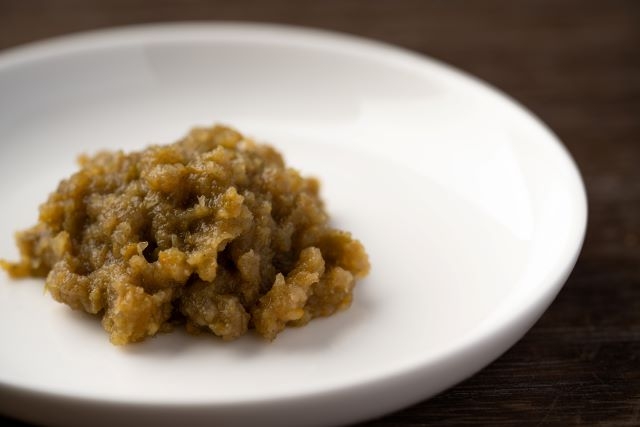
The Finishing Touch: A Taste of My Home I use Yuzu Kosho, a specialty of Oita Prefecture. This spicy citrus paste adds a refreshing aroma and a profound depth that pairs perfectly with the rich yellowtail.
🧪A Nutritional Powerhouse: Yellowtail & Daikon Radish
This traditional pairing is more than just a culinary delight—it is a scientifically balanced combination designed for optimal health.
- Nature’s Own Digestive Support
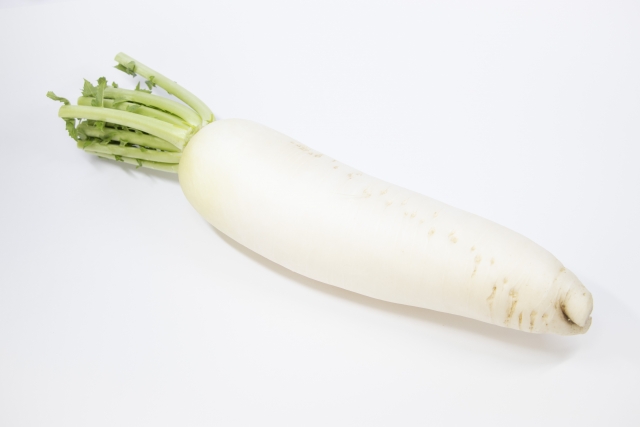
Raw daikon is packed with natural enzymes that function like a high-quality digestive supplement:
- Amylase (Diastase): Effortlessly breaks down carbohydrates.
- Protease: Specifically targets the high-quality protein in yellowtail for better absorption.
- Lipase: Helps break down fats, ensuring the rich, flavorful oils of the fish remain light on your stomach.
- Boosted Immunity with Isothiocyanates
When daikon is grated, it triggers a unique chemical reaction that produces Isothiocyanates—the compound responsible for its signature zesty kick.
- Antioxidant Power: These compounds provide potent antioxidant support.
- Winter Wellness: Vital for strengthening the immune system during the colder months.
- Vitamin C: Provides a natural boost to keep your body resilient.
- Heart-Healthy Omega-3s (DHA & EPA)
Yellowtail is world-renowned for its high concentration of Omega-3 fatty acids, essential for heart and brain health.
Nutritional Tip: Since we serve this dish in a light, savory broth, the healthy oils that melt during cooking are captured in the soup rather than lost. Enjoy every drop to nourish your body with the full benefits of DHA and EPA.
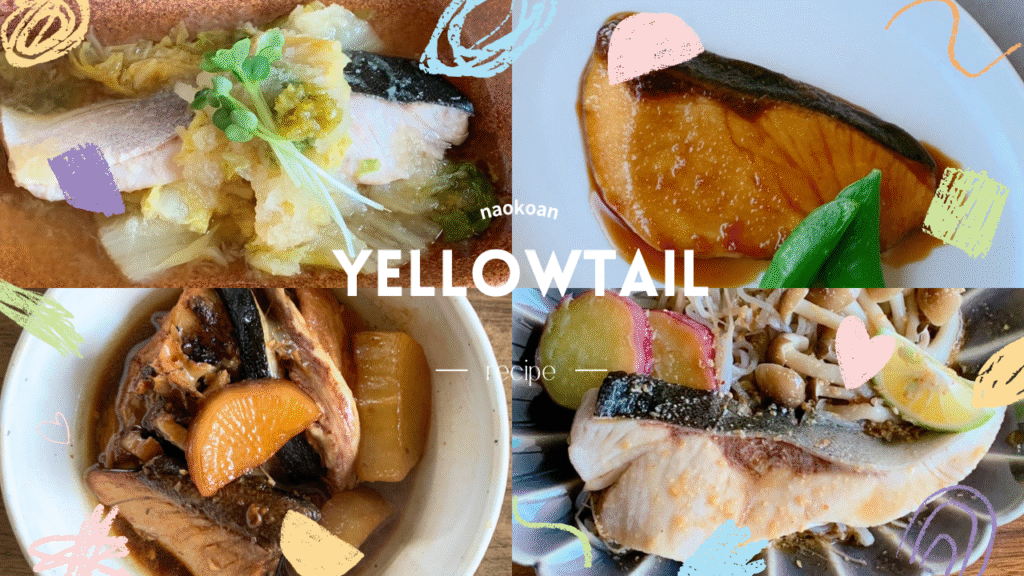
Everything You Need to Know About Buri! 🐟 Want to become a Yellowtail expert? From its seasonal benefits to iconic recipes like Classic Buri Daikon and Savory Teriyaki, I’ve gathered everything in one place! 👉 [Recommended recipes using Yellowtail (Buri)]
NUTRITION FACTS : Fluffy Yellowtail & Grated Japanese Daikon Radish (Mizore-ni)
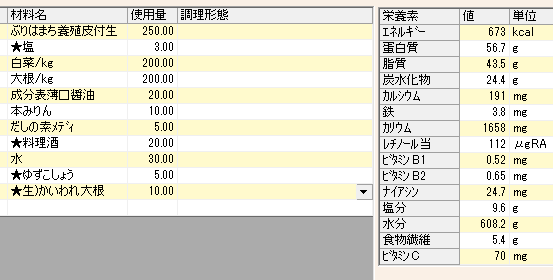
- 673 Calories
- Protein 56.7 g
- Total Fat 43.5 g
- Total carbohydrates 24.4 g
- Sodium 9.6 g
Ingredients (2 Servings): Fluffy Yellowtail & Grated Japanese Daikon Radish (Mizore-ni)
Main Ingredients
- Yellowtail: 250g
- Salt: 2.5g (for curing)
- Napa Cabbage: 200g
- Japanese Daikon Radish: 200g
- Garnish: Yuzukosho (5g), Radish sprouts (10g)
☆ Seasoning Sauce:
- Light Soy Sauce: 20g
- Mirin: 10g
- Dashi Stock Granules: 5g
- Sake: 20g
- Water: 30g
How to make Simmered Yellowtail with Grated daikon (Buri mizoreni)
- Prep the Fish: Pat the yellowtail dry with kitchen paper to remove any excess moisture. Rub the salt evenly over the fillets and let them sit for 1 hour.
Tip: This “pre-salting” firms up the flesh and draws out any fishy odors, allowing the flavors to penetrate deeply. - Prepare Vegetables: Roughly chop the napa cabbage into bite-sized pieces. Grate the daikon radish.
- Crucial: Do not squeeze the liquid from the grated daikon! This “daikon juice” contains the digestive enzymes and natural sweetness essential for the broth.
- Combine Sauce: In a small bowl, whisk together the light soy sauce, mirin, dashi granules, sake, and water.
- Assemble: Layer the napa cabbage at the bottom of a pot, place the yellowtail on top, and pour over the grated daikon (with its juice) and the seasoning sauce.
- Simmer: Cover the pot and bring to a boil over high heat. Once boiling, immediately reduce the heat to low and simmer for only 5 minutes.
Note: To keep the yellowtail tender and succulent, avoid overcooking. Turn off the heat as soon as the fish is opaque. - Serve: Transfer to bowls and top with a dollop of yuzukosho for a citrusy kick and radish sprouts for a fresh crunch.
💡 Pro-Tips for Perfection
The “Mizore” Effect: By pouring the grated daikon over the fish before simmering, the enzymes help tenderize the yellowtail while it cooks.
Why Light Soy Sauce? Using Usukuchi (light) soy sauce keeps the color of the broth clear and elegant, highlighting the white “snowy” appearance of the daikon.
Umami Boost: If you have time, let it sit for 2 minutes after turning off the heat with the lid on; the napa cabbage will absorb even more of the yellowtail’s savory oils.
📖Related Link: Read the Japanese version of this article here! [15分で完成!「ブリのみぞれ煮」の作り方|フライパン一つで簡単&ヘルシー]


コメント