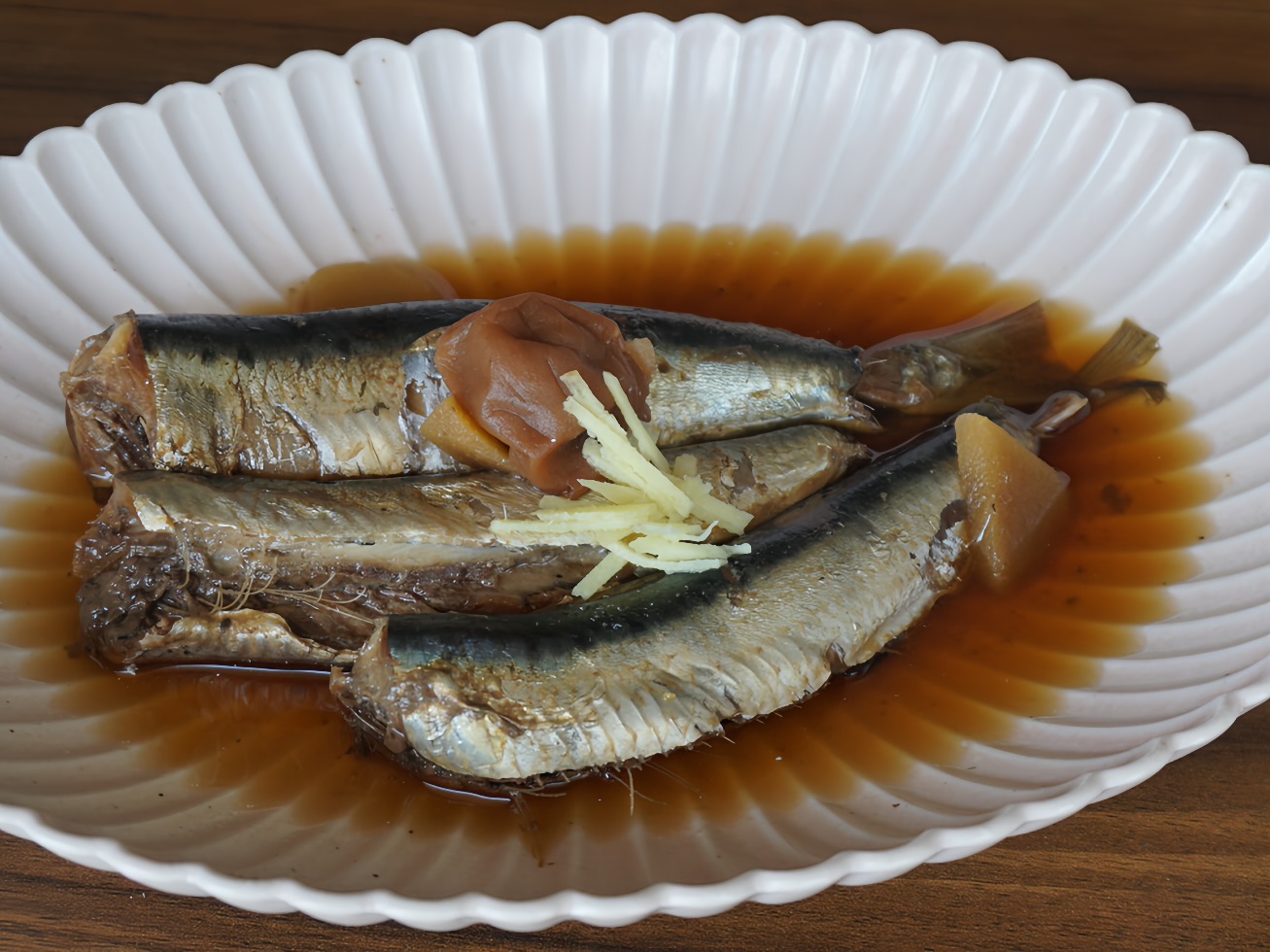
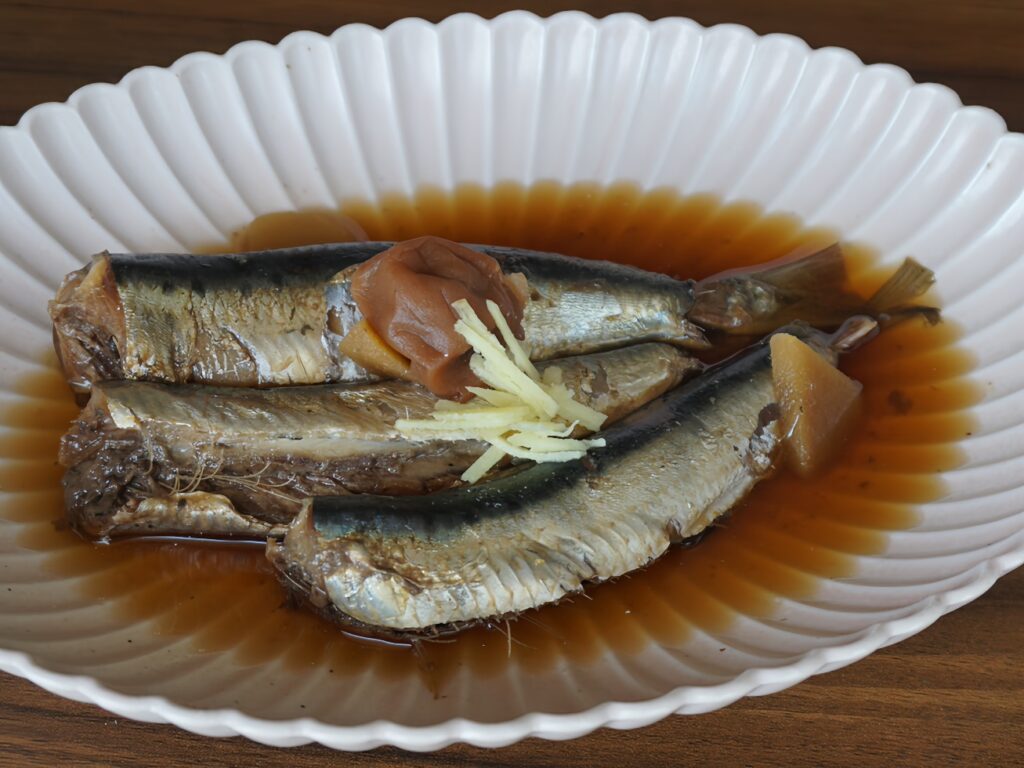
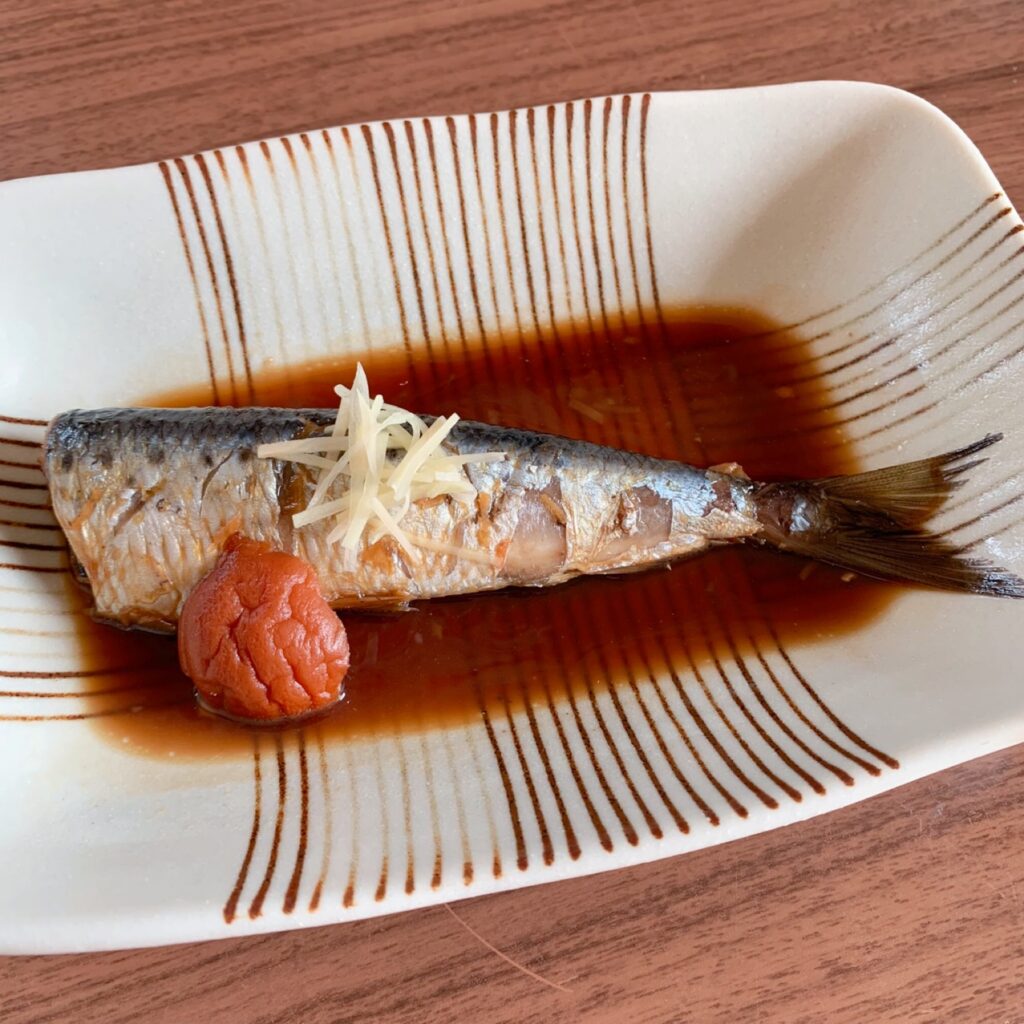
🌸Tender Pressure Cooker Sardines with Umeboshi and Ginger (Iwashi no Ume Shogani)/イワシの梅生姜煮
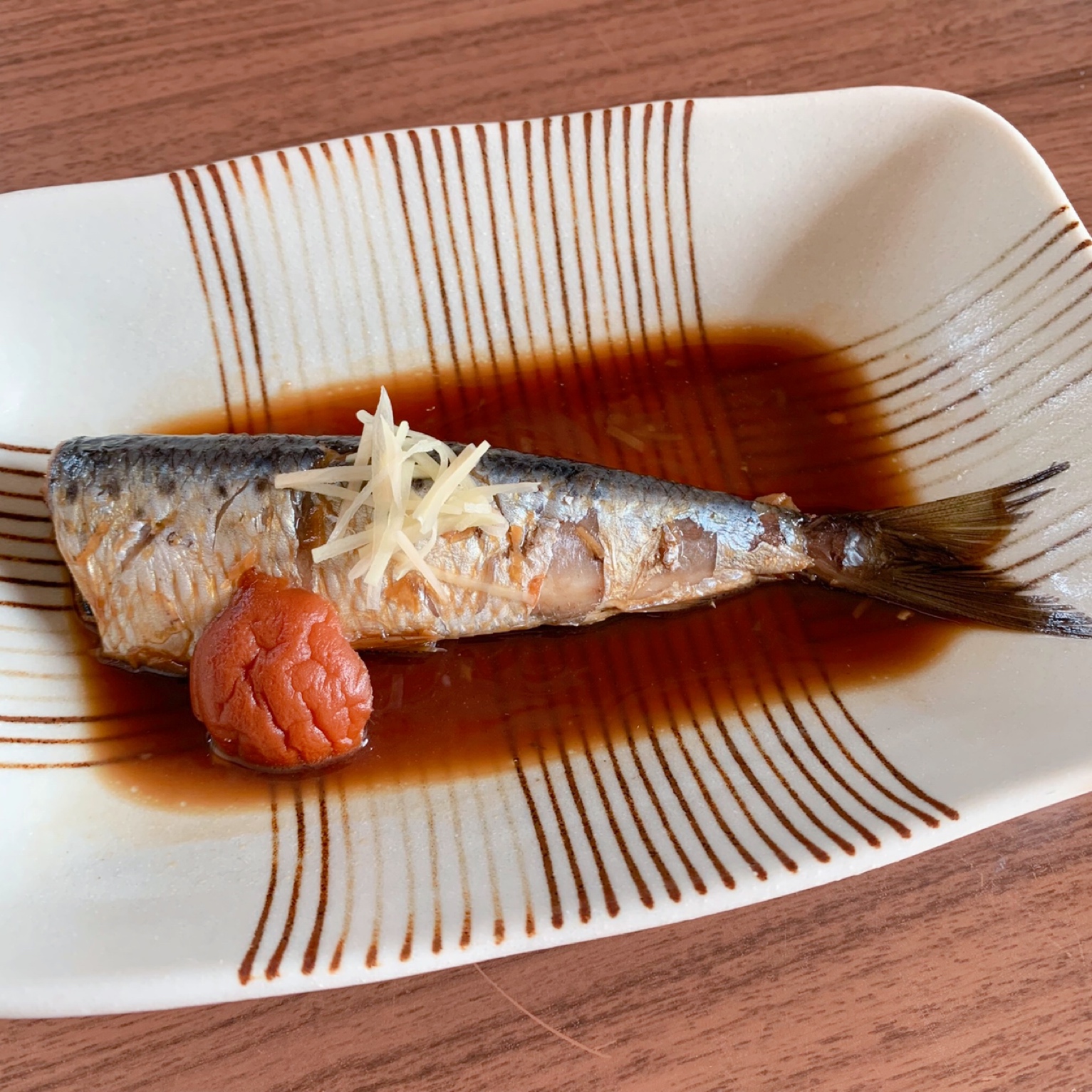
Do you avoid sardines because of the tiny bones or the fishy smell? As a Registered Dietitian, I highly recommend this Pressure Cooker Sardines with Umeboshi and Ginger (Iwashi no Ume Shogani).
Using a pressure cooker makes the bones soft enough to eat, allowing you to enjoy all the nutrients without the hassle. The sweet and savory sauce with a refreshing hint of plum is the perfect match for steamed rice.
What is umeboshi? ~Japanese Soul Food “Umeboshi”~
At the heart of this ume sauce is umeboshi, an essential part of Japanese culinary culture. While “ume” is translated as “plum,” it’s actually a fruit with a rich flavor similar to apricots.
Umeboshi are made by soaking ume in a high concentration of salt and drying them under the summer sun.
Their intense saltiness and sourness comes from the fact that they are pickled in salt, which accounts for approximately 20% of the ume weight.
Since the Heian period, they have been treasured as a “masterpiece of preserved food” due to their incredible shelf life, making them a truly traditional Japanese flavor.
Umeboshi continue to be a staple on the Japanese diet, whether as a side dish with freshly cooked rice or as the “golden filling” of onigiri rice balls.
Umeboshi Variations🍙
- Nanko Ume : Umeboshi made with Nanko Ume from Kishu (present-day Wakayama Prefecture) are particularly known for their high quality and melt-in-your-mouth deliciousness, making them truly exceptional.
- Shiso Ume: The shiso ume used in this recipe is the most classic type, pickled in salt and red shiso. The natural pigment of red shiso gives the umeboshi its vibrant purple color. (Umeboshi that don’t use red shiso are called white ume.)
- New flavors: In recent years, diverse flavors of umeboshi, such as those tossed with mellow honey, rich umami kelp, and fragrant bonito flakes, have become extremely popular.
Why Use a Pressure Cooker in this recipe?
- Whole Food Nutrition: I use a T-fal “Clipso Minut Easy” (4.5L). Cooking for 25 minutes makes the bones tender, providing a great source of calcium. It’s a sustainable way to eat the whole fish!
- Heart Healthy: Sardines are packed with DHA and EPA (Omega-3 fatty acids), which are essential for preventing lifestyle-related diseases like arteriosclerosis.
- Natural Deodorizer: Umeboshi (pickled plum) and ginger mask the fishy odor and stimulate the appetite—ideal for hot summer months.
Pro Tips for Success
- Gas vs. Electric: For gas pressure cookers, use 250ml of water and simmer for 30 mins on low heat once pressurized. For electric ones, use only 100ml.
- My Recommendation: I personally prefer a gas-stove pressure cooker for this recipe. It allows the sauce to reduce beautifully, cutting through the richness of the sardines for a cleaner finish.
- Scaling Up: The sauce is rich and flavorful. You can double the amount of fish using the same amount of seasoning!
Cultural Insight: Sardines and “Setsubun”👹
In Japan, we eat sardines during Setsubun (the day before spring) to ward off evil spirits. Traditionally, people hang sardine heads on holly branches at their doors because it was believed that demons dislike the strong smell and the prickly leaves.
📋Related Recipes
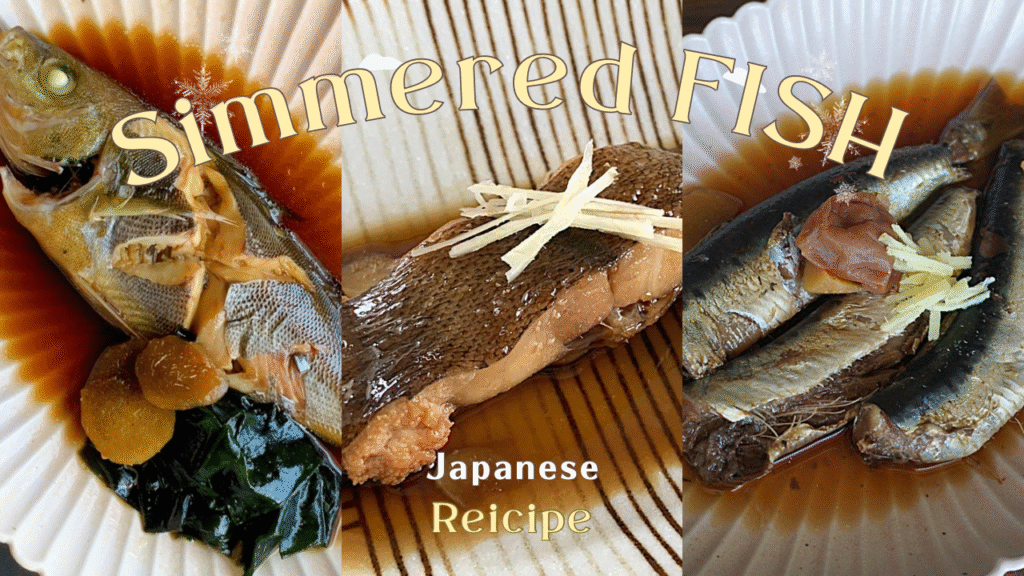
[Click here for recommended pressure cooker recipes 👉 Recommended Recipes using a Pressure Cooker]
Master your pressure cooker to make everyday cooking easier and more delicious. We’ve curated a selection of must-try recipes, from hearty stews to flavorful soups.
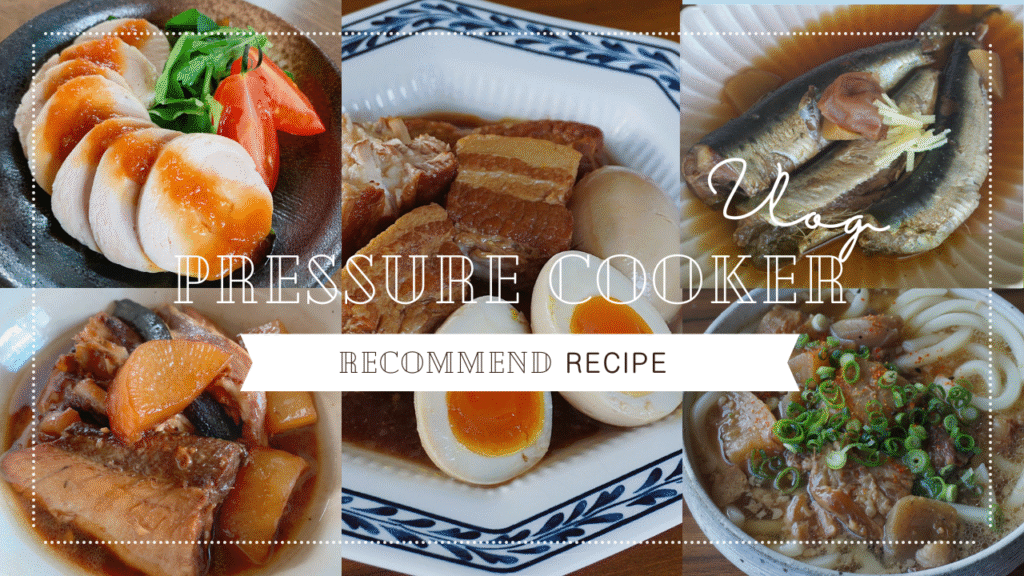
[Click here for “Nitsuke” tips and recipes by fish type 👉 Tips for making nitsuke (simmered fish) ]
Nitsuke” is a cornerstone of Japanese home cooking. Beyond sardines, we explain the best seasoning and cooking techniques for various fish like flounder and mackerel.
📊 Nutrition Facts: Iwashi no Ume Shogani
| Item | Per Recipe (4 servings) | Per Serving (1 person) |
| Calories | 839 kcal | 210 kcal |
| Protein | 79.6 g | 19.9 g |
| Fat | 36.8 g | 9.2 g |
| Carbohydrates | 30.0 g | 7.5 g |
| Salt Equivalent | 7.2 g | 1.8 g |
🛒 Ingredients (Serves 4): Iwashi no Ume Shogani
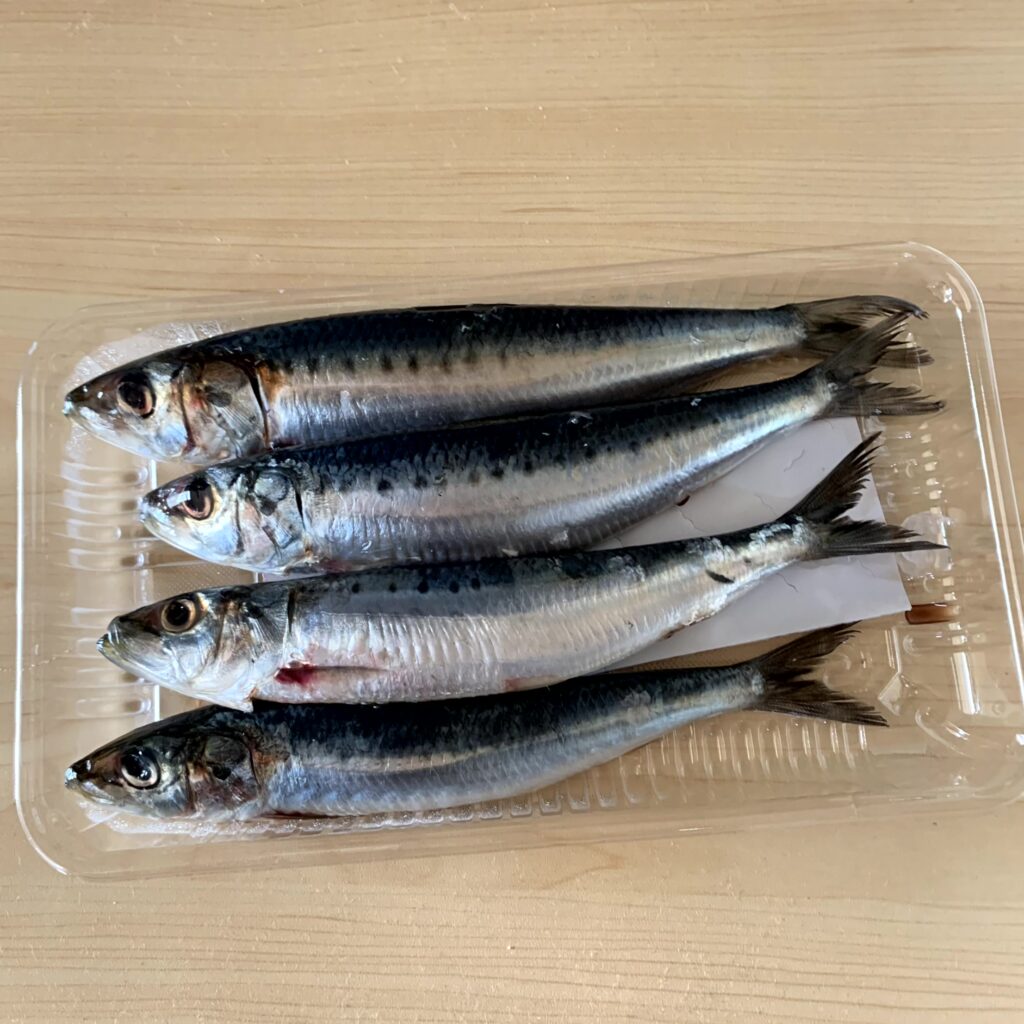
- Sardines (Iwashi): 400g (cleaned weight, after removing heads and internal organs)
- Sake (for prep): 50g
- Ginger: 5g (sliced or julienned)
- Umeboshi (Pickled Plum): 2 pieces (approx. 10g)
【☆ Sauce Mixture】
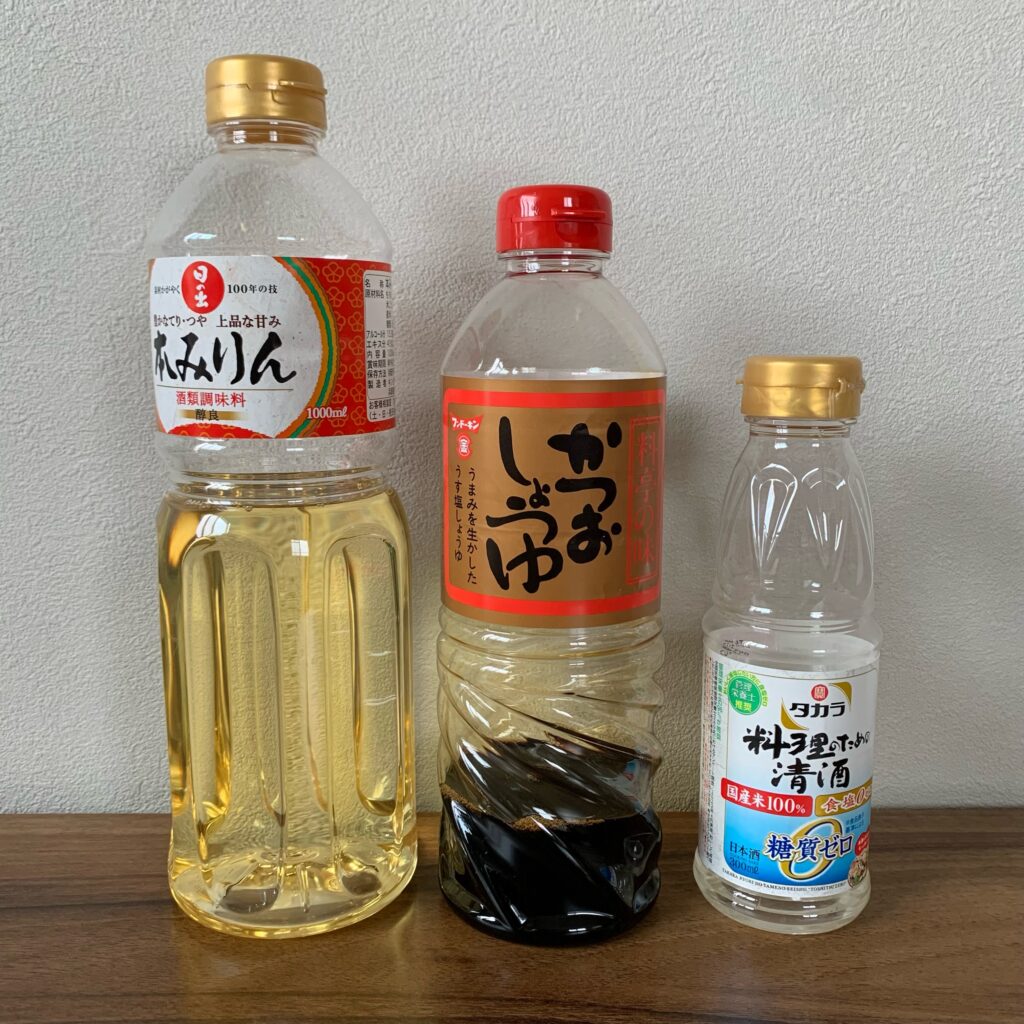
- Soy Sauce: 30g
- Sugar: 15g
- Mirin: 15g
- Sake: 30g
- Water: 200g
🐟How to make Iwashi no Ume Shogani
Step 1: Preparation (Essential for removing fishy odor)
- Dry: Carefully wipe off any excess moisture from the sardines with paper towels.
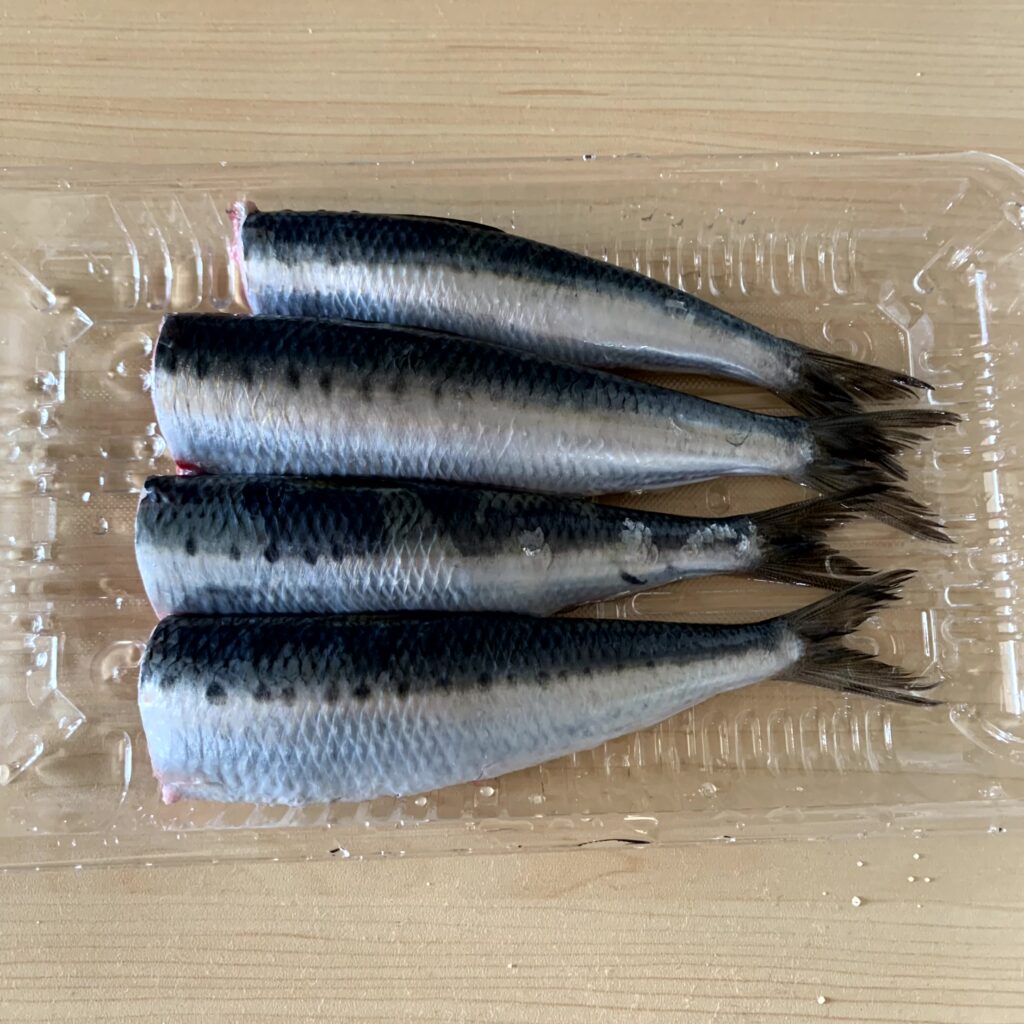
- Clean the fish: Remove the heads and make an incision in the belly to remove the internal organs.
- Wash: Rinse thoroughly under cold water.
- Pro Tip: If you are sensitive to the smell, rub the sardines with sake before washing.
Step 2: Pressure Cooking
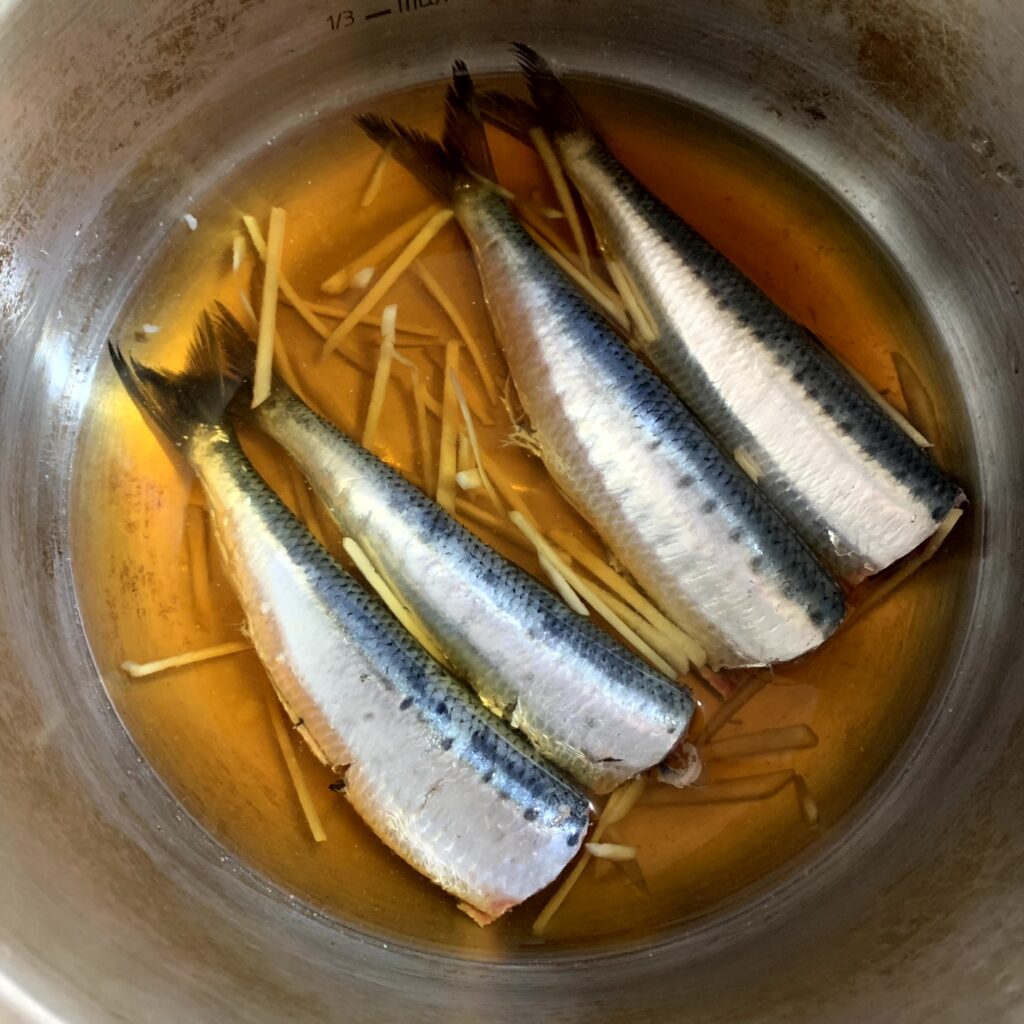
- Prep Ginger: Slice the ginger thinly or cut it into fine strips.
- Combine: Place the sardines, the ☆ Sauce Mixture, ginger, and umeboshi into the pressure cooker.
- Pressurize: Set for 30 minutes.
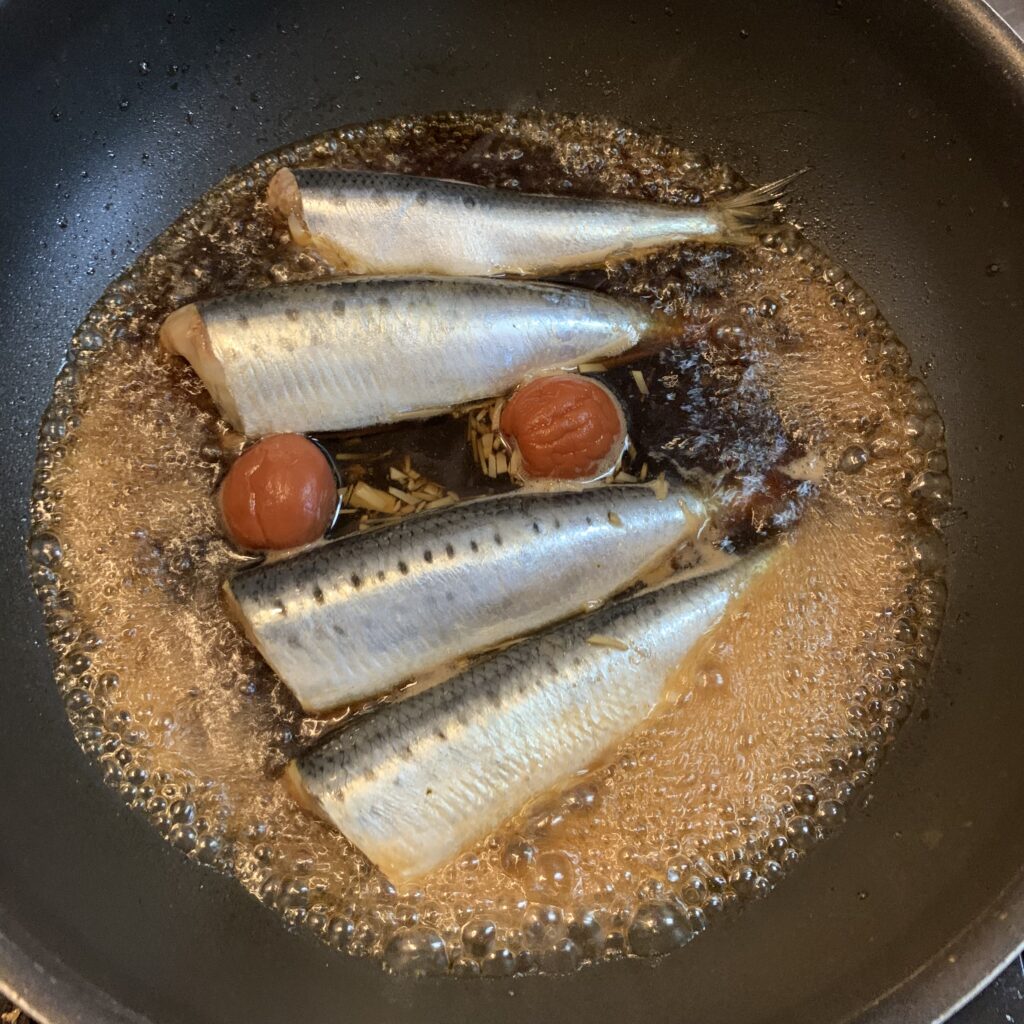
- For Stovetop Pressure Cookers: Heat over high heat until pressure builds. Once pressurized, reduce the heat to low, maintaining a gentle “hissing” sound. Be careful not to let the liquid evaporate completely.
Step 3: Finishing Touches
- Boil Down: Once the pressure has naturally released, open the lid. Simmer the sauce for a few more minutes until it thickens to your liking. Enjoy!
📖Related Link: Read the Japanese version of this article here! [圧力鍋で作るイワシの梅しょうが煮]
#魚の煮付け #煮付け #和食ごはん #おうちごはん #SimmeredFish #Nitsuke #JapaneseFood #HealthyEating

コメント