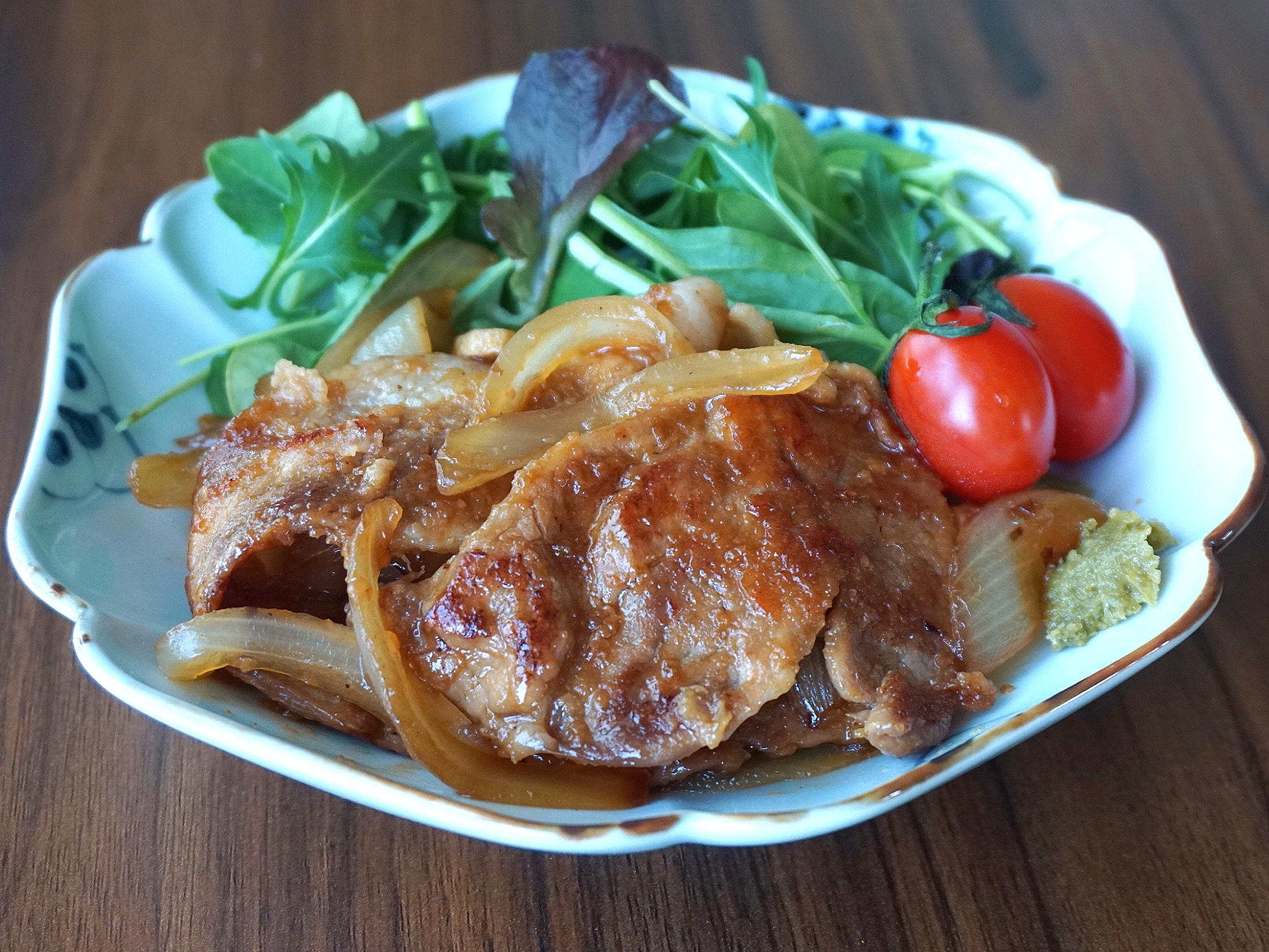
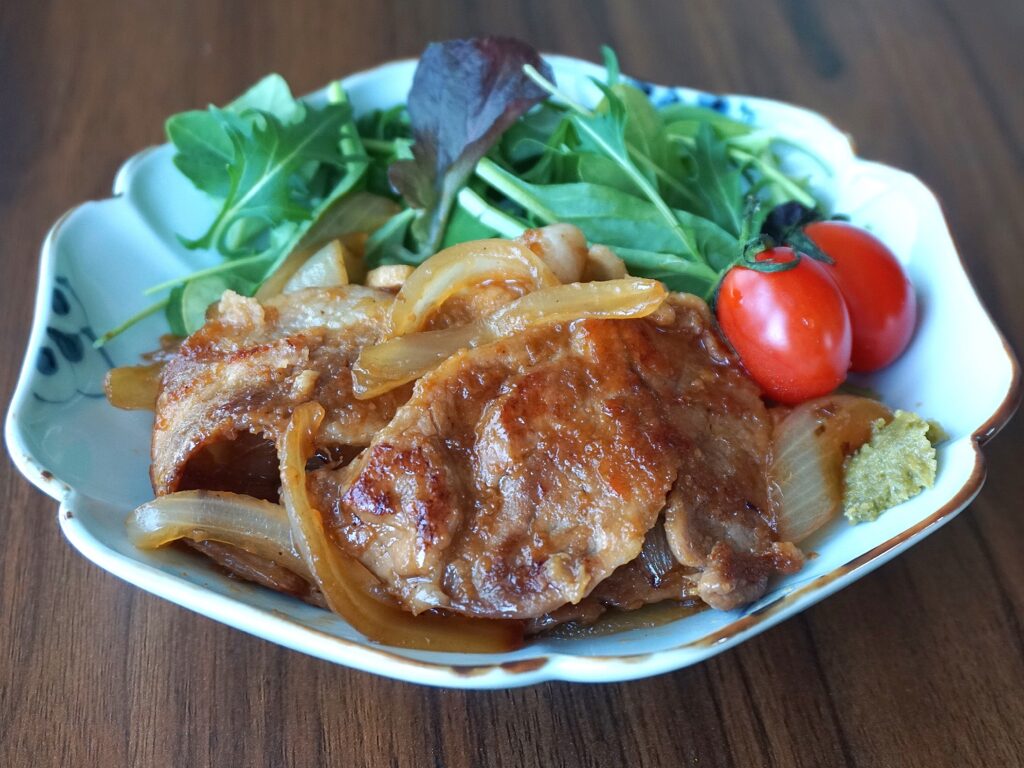
The Ultimate Japanese Soul Food: Butaniku Shogayaki (Pork Ginger) / 豚肉の生姜焼き
If you were to ask a Japanese person to name their “Top 3 Soul Foods,” Butaniku Shogayaki would almost certainly be on that list. Often considered the king of Japanese home cooking, this dish is savory, sweet, and incredibly energizing.
While every household has its own variation, today I’m sharing a special recipe from my hometown in Oita Prefecture that features Yuzu Kosho—a zesty, spicy citrus paste.
Why This Recipe Works
- The Golden Ratio Sauce: We use a perfect 1:1:1 balance of soy sauce, sake, and mirin. This ratio is widely recognized across Japan as the “Golden Ratio” for the perfect flavor.
- Nutritional Benefits: Pork is rich in Vitamin B1. Combined with the circulation-boosting effects of ginger, it creates the ultimate “energy meal.”
- The Oita Twist: Adding Yuzu Kosho introduces a refreshing citrus aroma and a sharp spicy kick to the traditional sweetness, making it impossible to stop eating!
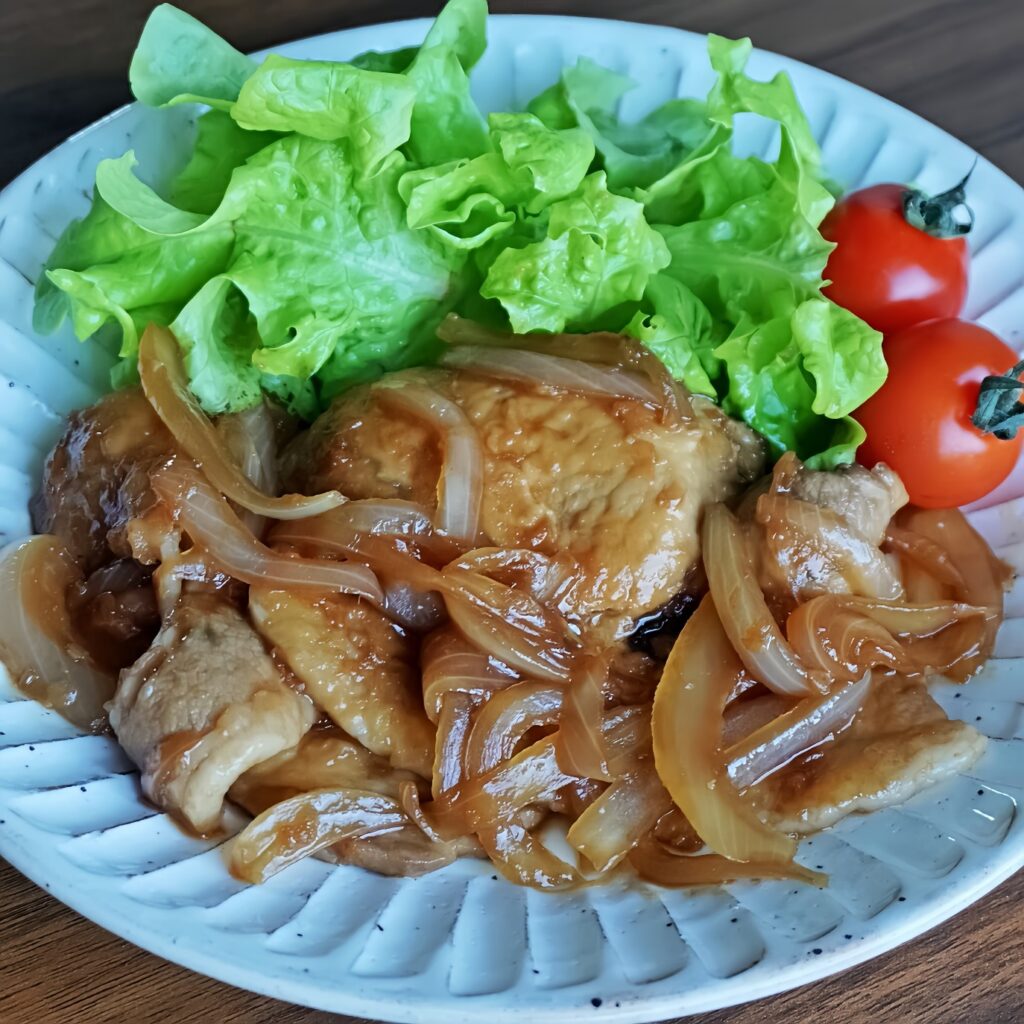
Choosing Your Meat
In Japanese supermarkets, there is a clear distinction between meat sold specifically for “Shogayaki” and “Komagire” (mixed scraps). Knowing the difference helps you choose the right fit for your taste!
Comparison Chart
| Feature | Shogayaki-use (Sliced) | Komagire (Mixed Scraps) |
| Thickness | Uniform (approx. 3mm) | Irregular (mostly thin) |
| Cut/Part | Usually Shoulder Loin or Loin | Trimmings from various parts |
| Appearance | Large, impressive slices | Small, bite-sized pieces |
| Texture | Meaty and satisfying | Tender; absorbs sauce easily |
| Price | Slightly higher | Reasonable and economical! |
1. Shogayaki-use (Sliced Meat)
Perfect for when you want a “special treat” feel.
- Benefit: Large slices look professional, like a meal from a Japanese diner. It offers a satisfying “meaty” texture.
- Pro Tip: To prevent the meat from curling, “score” the connective tissue (the line between the fat and the red meat) with the tip of a knife before frying.
2. Komagire (Mixed Scraps)
This is the everyday choice for many Japanese households.
- Benefit: No cutting required and cooks very quickly. The smaller size makes it easy to eat with onions and perfect for Bento boxes!
- Difference from “Kiriotoshi”: While Kiriotoshi comes from one specific part (like belly or thigh), Komagire is a mix of various parts.
- Pro Tip: For Komagire, skip the flouring step. Since the meat is thin, too much flour can make it heavy. Frying it as-is allows you to enjoy the direct flavor of the pork fat and sauce.
The Star Ingredients
Ginger (Shoga)

Ginger is more than a spice; it’s a powerhouse of health benefits.
- Effects: Promotes digestion, boosts circulation, and has anti-inflammatory properties.
- Pro Tip: Most medicinal nutrients are just under the skin. Use a spoon to lightly scrape the surface instead of a peeler. This preserves the nutrients and the intense aroma!
Yuzu Kosho
Yuzu Kosho is a flavorful Japanese fermented condiment made from yuzu peel, chili peppers, and salt. It offers a fragrant and bold flavor profile that harmonizes powerful heat with sharp citrus notes, saltiness, and umami. Originating from the Kyushu region, this aromatic paste is a popular and essential seasoning often used in dishes such as sashimi, marinades, and soups.
Ingredients (Serves 2): Yuzu Kosho Ginger Pork
Main Ingredients
- Pork Shoulder Loin: 300g (Approx. 6 slices, 3mm thickness)
- Onions: 300g (Sliced 3–5mm thick)
- Fresh Ginger: 10g (Grated)
The Sauce 1:1:1 in tablespoons)
- Soy Sauce: 36g
- Sake: 30g
- Mirin: 30g
- Yuzu Kosho: To taste (Start with 1/2 tsp)
For Cooking
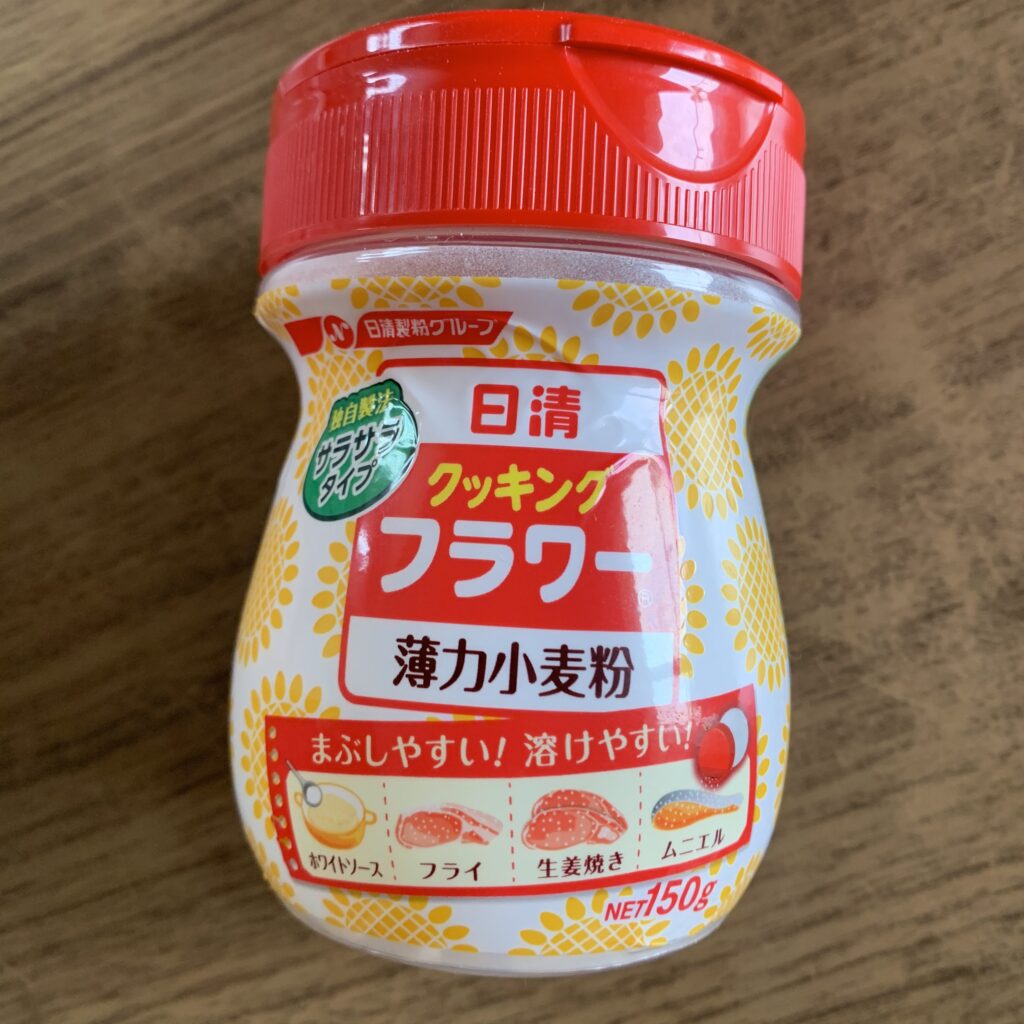
- Flour: 20g (For dusting)
- Sesame Oil: 5g (For sautéing)
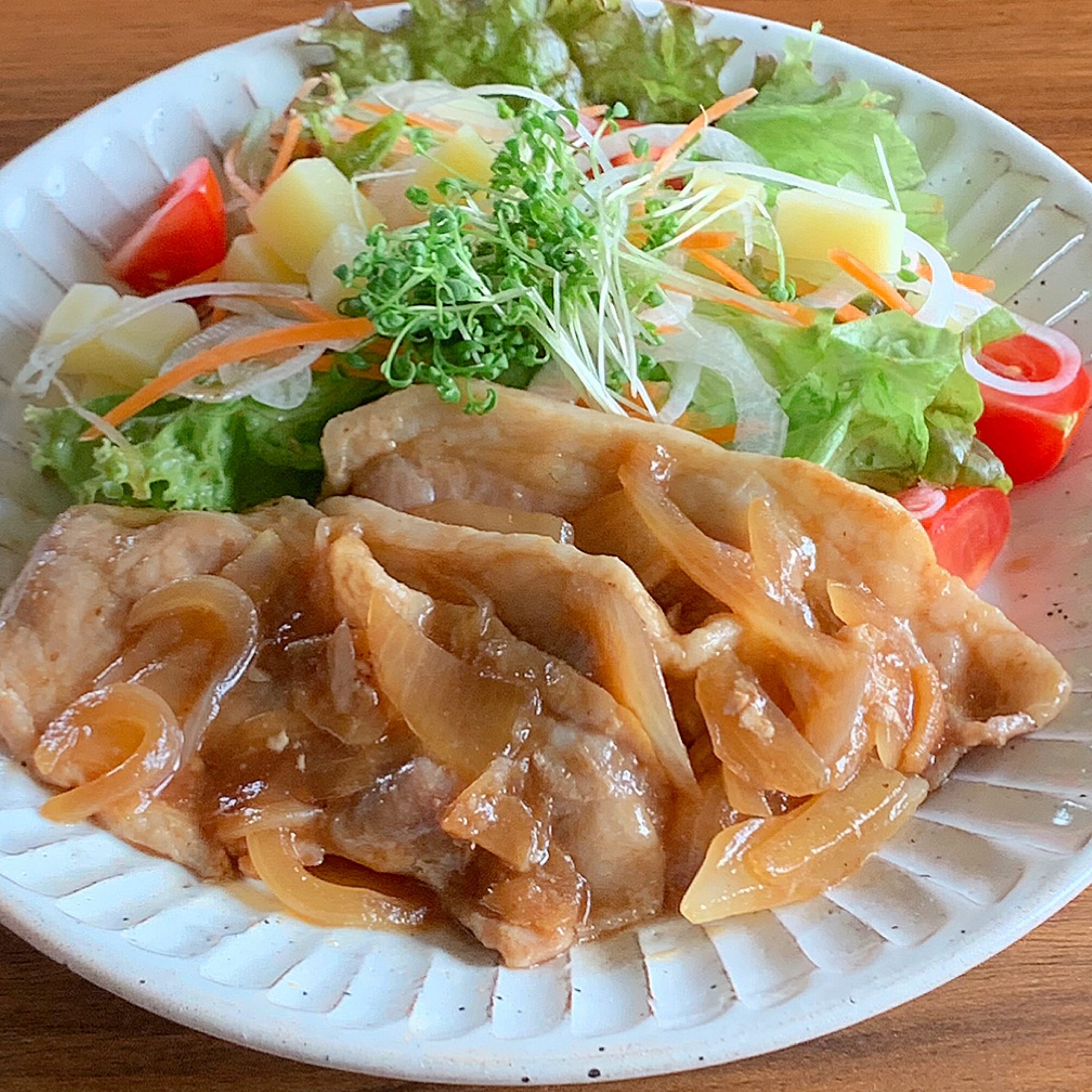
How to make Yuzu Kosho Ginger Pork
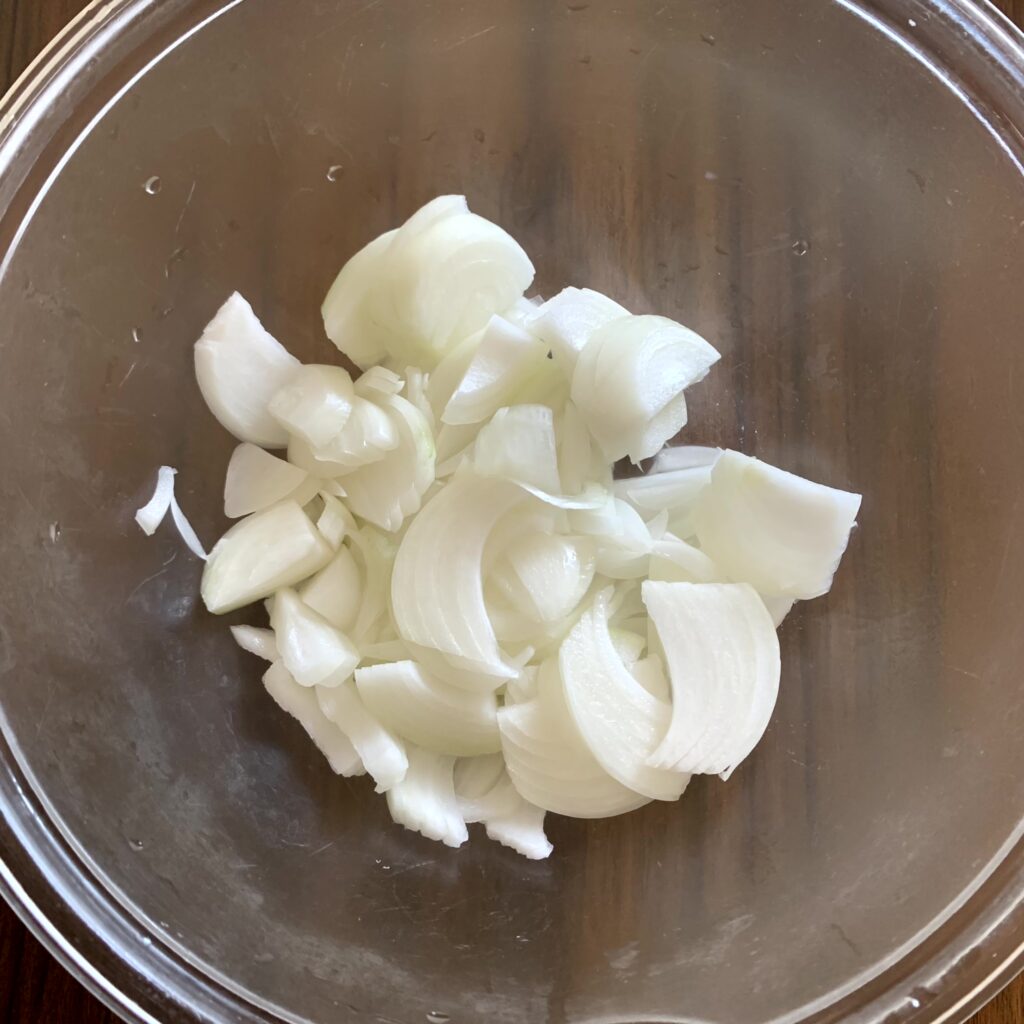
- Prep the Veggies: Slice the onions. Time-saving tip: Place them in a covered bowl and microwave for 2 minutes to reduce frying time.
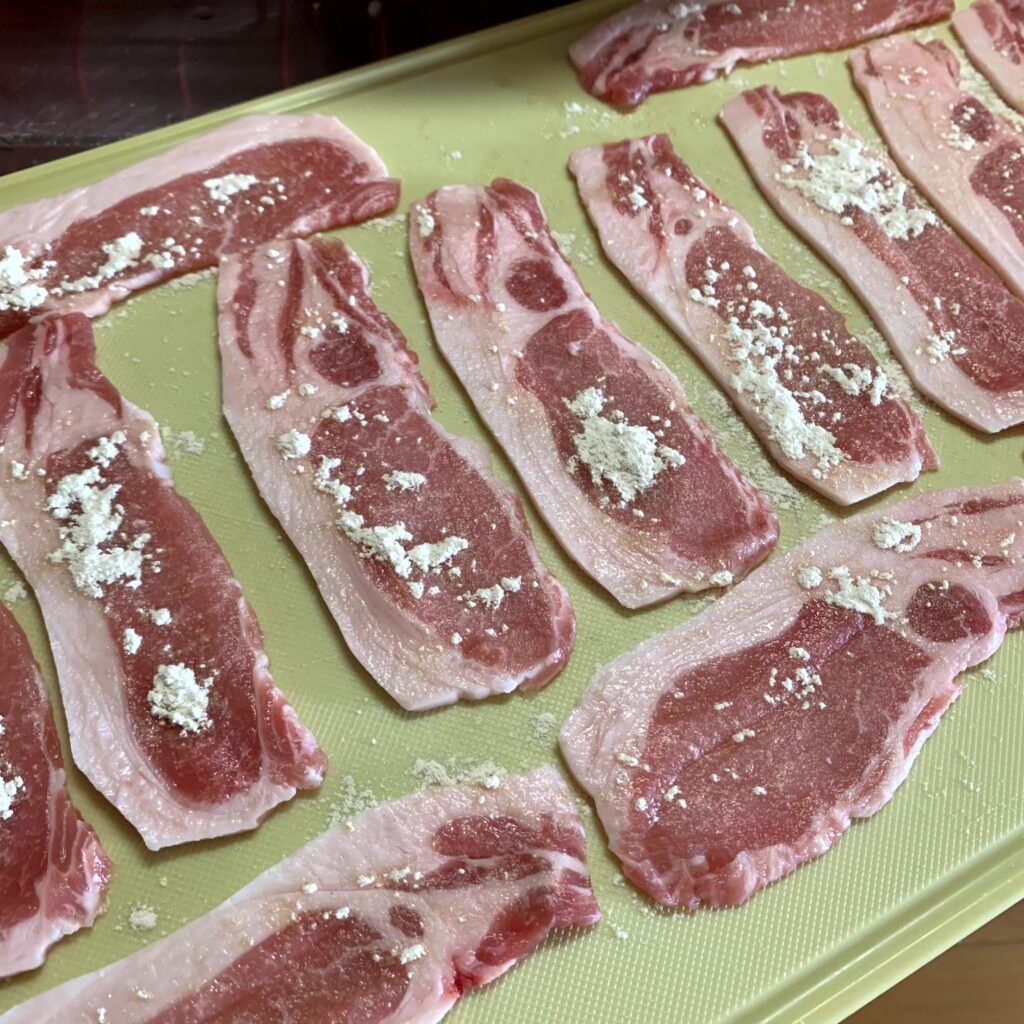
- The Flour Secret: Lightly coat both sides of the pork with flour. This locks in the juices and helps the sauce “cling” to the meat for a rich glaze.
- Sear the Pork: Heat sesame oil in a pan. Fry the pork slices without overlapping. Once browned, flip, then remove them to a plate to keep the meat tender.
- Sauté & Grate: Add onions to the pan. While they soften, grate the ginger (peeled with a spoon). Add the ginger to the onions.
- The Finish: Once onions are translucent, return the pork to the pan. Pour in the soy sauce, sake, mirin and yuzu kosho.
- Glaze: Crank the heat to high and toss quickly until the sauce thickens into a beautiful, shiny glaze.
- The Oita Touch: Plate the Shogayaki.
Nutrition Facts (Total)
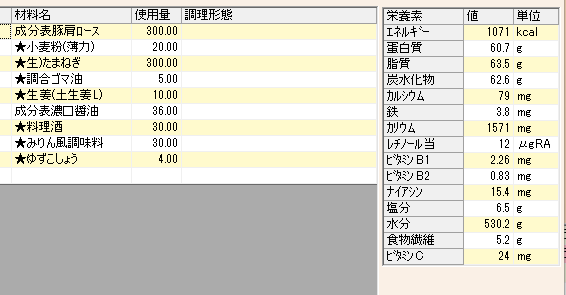
- Calories: 1071 kcal
- Protein: 60.7 g
- Total Fat: 63.5 g
- Total Carbohydrates: 62.6 g
- Sslt Equivalents: 6.5 g
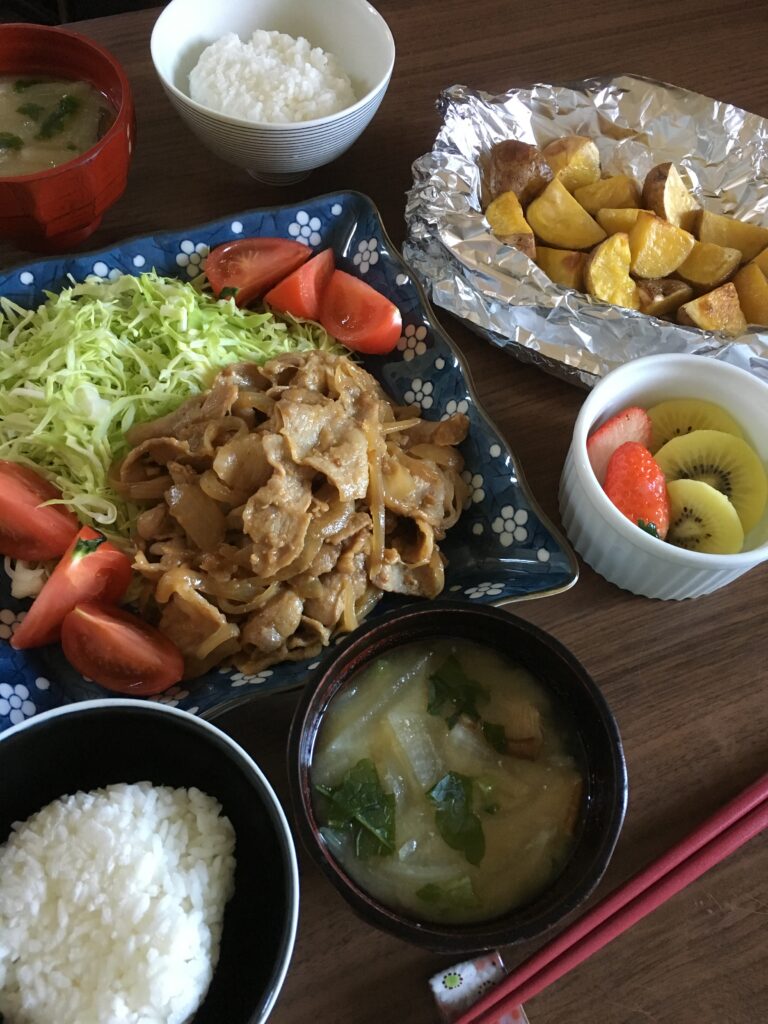
Serving Suggestion: Serve with fluffy white rice, shredded cabbage, and my Miso soup with lots of ingredients] and [High-quality butter-roasted potatoes] for the perfect Japanese set meal (Teishoku).
A Note from the Author
Being from Oita, I grew up putting Yuzu Kosho on almost everything! It’s amazing to see this fermented condiment gaining popularity globally. The way the citrus zest cuts through the richness of the pork is truly life-changing. If you’re bored of the “standard” ginger pork, please give this spicy, zesty version a try!

コメント