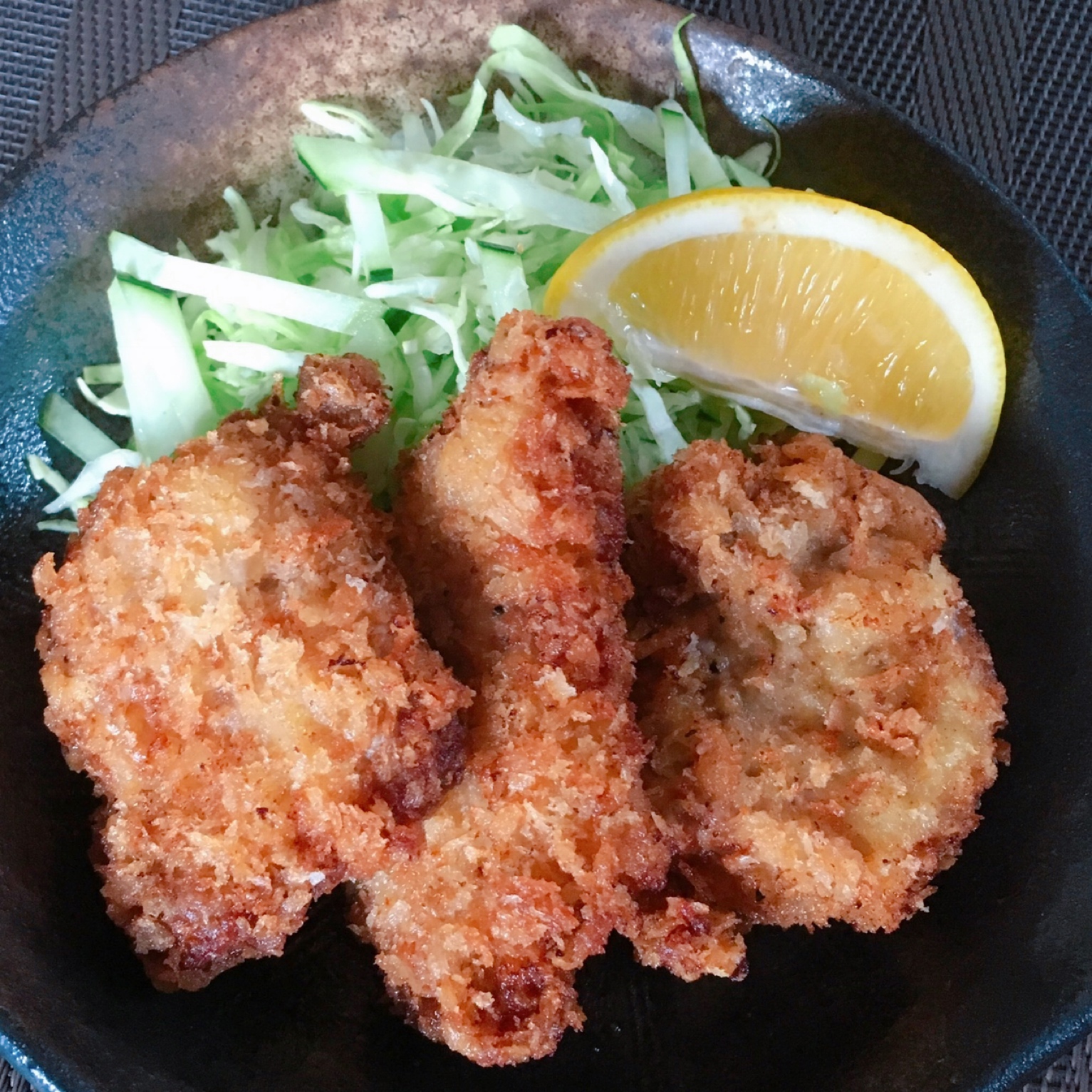
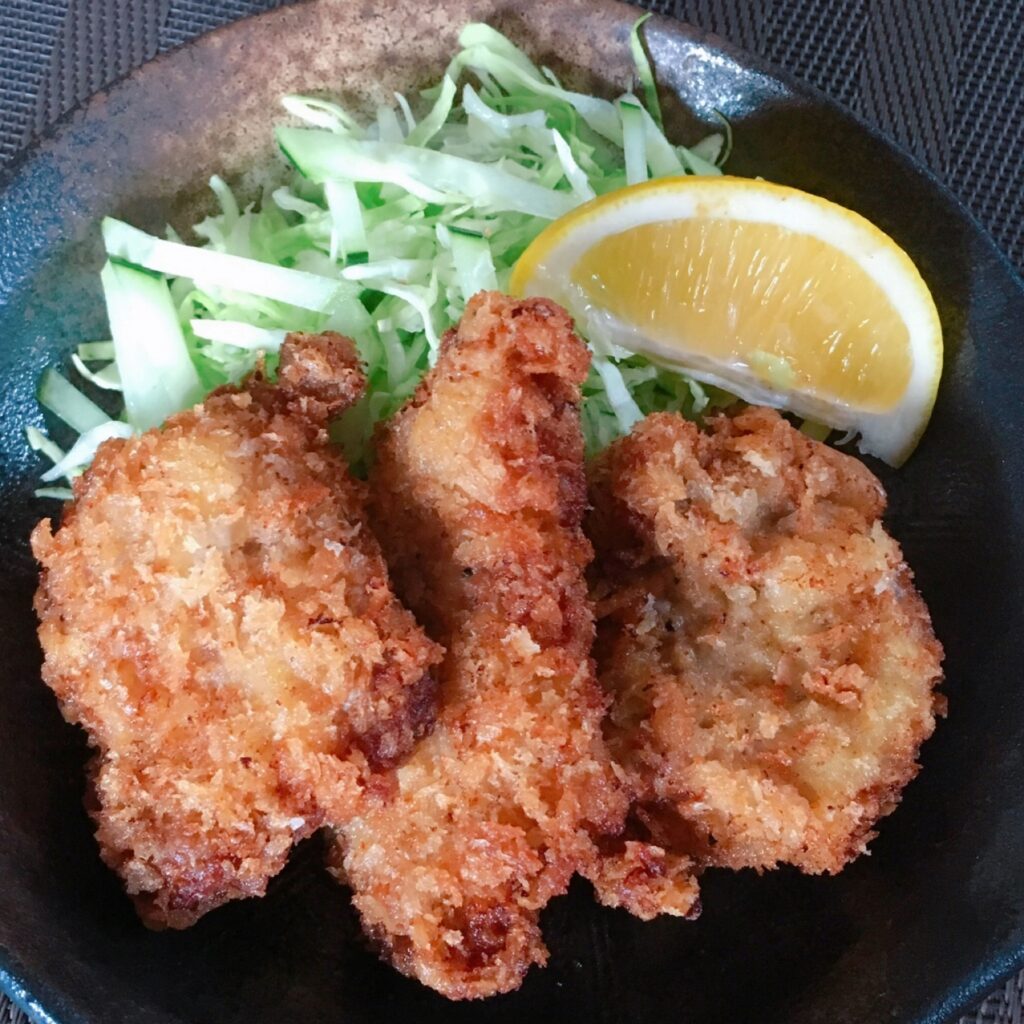
Master the Art of Tonkatsu: The Lean & Tender “Hire-Katsu”
If you’ve ever stepped foot into a Japanese restaurant, you’ve likely encountered Tonkatsu—the iconic deep-fried pork cutlet. While the fatty “Roos” (loin) is a classic, there is a hidden gem that health-conscious locals swear by: Hire-Katsu (Pork Tenderloin cutlets).
Imagine a cutlet that is incredibly tender, high in protein, and yet light enough to eat every day. In this guide, we’ll explore why the Japanese “Hire” cut is a game-changer for your diet and how the magic of Panko creates that world-famous crunch.
What is Hire-Katsu? (Hire vs. Loin)
Traditional Tonkatsu typically uses pork loin, but Hire-Katsu is the ultimate choice for those who want the flavor without the guilt.
- Pork Loin (Roos): Juicy and rich with a distinct fat cap.
- Pork Tenderloin (Hire): Lean, tender, and mild.
Compared to loin, the fat content in tenderloin is about 11g less per serving, making it roughly 100kcal lower. In fact, pork tenderloin is an “Ultra-Lean Protein,” offering a nutritional profile nearly identical to skinless chicken breast.
💡 Dietitian’s Tip: Pork tenderloin is packed with Vitamin B1, which helps with fatigue recovery. It contains over 10 times the amount found in beef tenderloin! It’s the perfect fuel for fitness enthusiasts.
The Magic of “Panko”
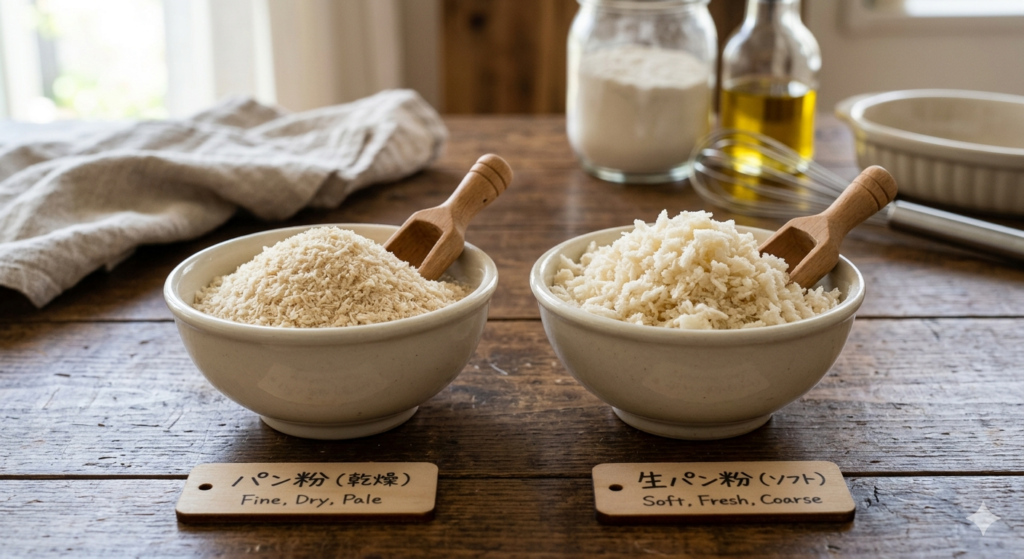
What makes Japanese cutlets so special? The secret is in the Panko. Unlike standard fine breadcrumbs, Panko flakes are larger and airier. This creates a distinctively light, super-crispy texture that stays crunchy longer without absorbing excess oil.
⭐The Secret of “Fresh Panko” (Nama-Panko): For an even more professional touch, many Japanese chefs use Fresh Panko (Nama-Panko). Unlike dried crumbs, these are moist and airy, creating a voluminous, spike-like texture (known as Kendachi) that perfectly seals in the meat’s juices. While Dried Panko offers a classic crunch, Fresh Panko delivers a gourmet, melt-in-your-mouth crispness found in high-end Tonkatsu restaurants.
Ingredients (2 Servings): Hirekatsu
| Ingredient | Amount |
| Pork Tenderloin | 300g (Cut into nine 30g pieces) |
| Salt | 2g |
| Black Pepper | To taste |
| All-purpose Flour | 9g |
| Egg | 24g (Beaten) |
| Panko (Breadcrumbs) | 45g |
| Oil for frying | 45g* |
*Note: Breading/oil amounts are based on actual consumption. For easier coating, please prepare double the amount of flour, egg, and panko during prep.
How to make Hirekatsu
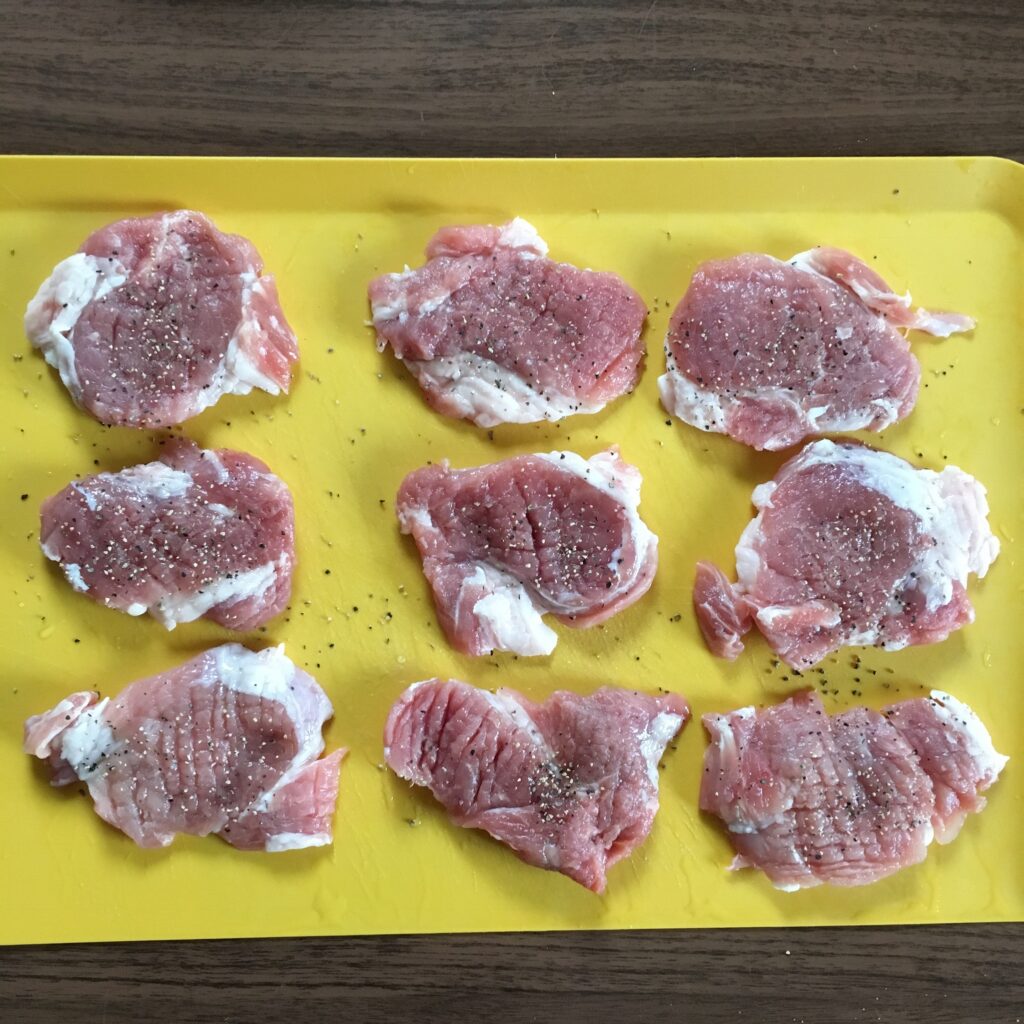
- Prep & Tenderize: Cut the pork into 30g pieces. Use a fork to pierce both sides, then gently tap the meat with the back of a knife. This ensures it stays melt-in-your-mouth soft.
- Season: Rub salt and pepper into the pork.
- The Coating Trio: Lightly coat with flour.
- Dip into the beaten egg.
- Press into the Panko firmly to ensure it sticks.
- The Secret Wait: Let the breaded meat sit for 5 minutes. This “resting” time helps the breading adhere so it doesn’t fall off in the fryer!
- Fry to Perfection: Fry at 170°C (338°F) for about 10 minutes until golden brown.
- Drain: Place on a wire rack to keep the bottom from getting soggy.
How to Enjoy Your Hire-Katsu
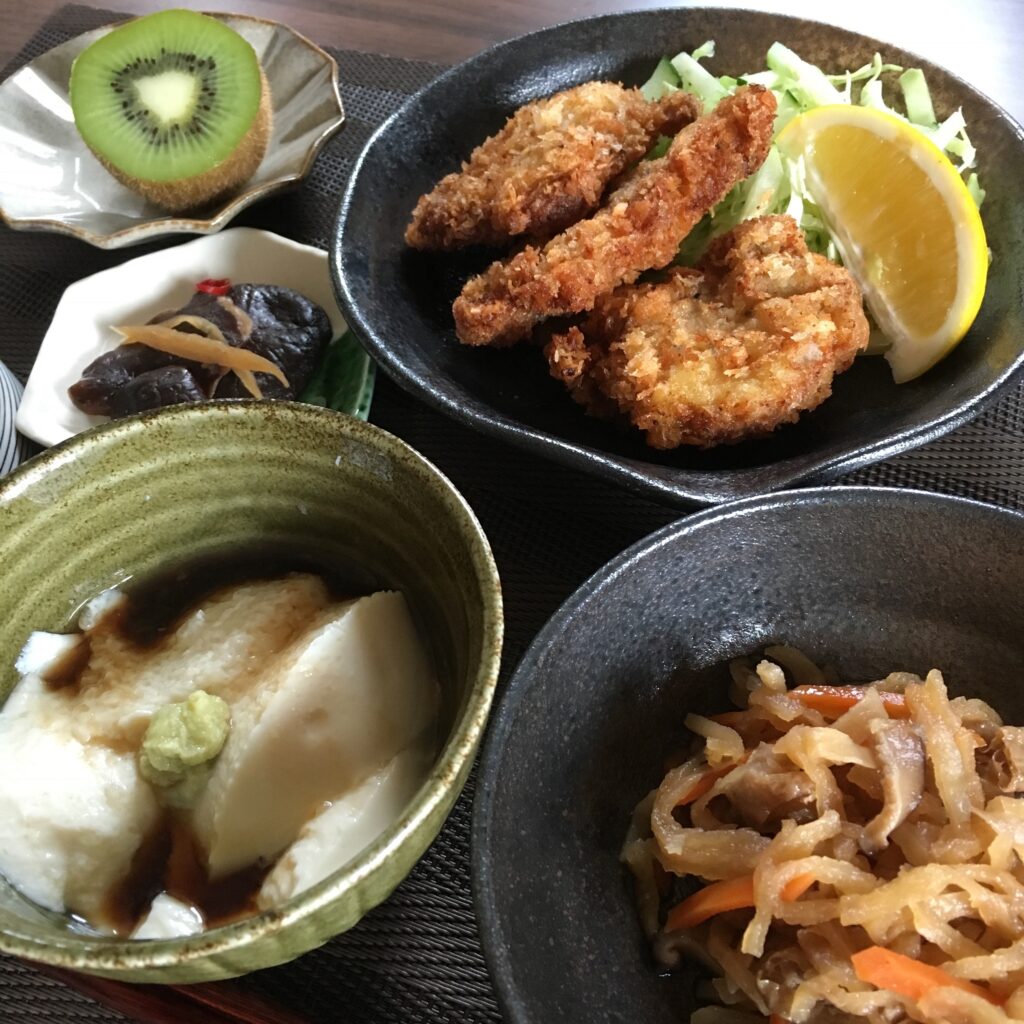
In Japan, we enjoy Hire-Katsu as part of a Teishoku (balanced set meal). To make it a complete nutritional powerhouse, I served mine with:
- Kiriboshi Daikon (Simmered dried radish)
- Tsukudani (Savory simmered side dish)
- Oboro Tofu & Fresh Kiwi
Sauce Variations
No Tonkatsu sauce? No problem!
- Quick Sauce: Mix Worcestershire sauce and ketchup.
- Zesty Style: Try lemon juice and a pinch of salt.
- Spicy Kick: Add a dab of Karashi (Japanese mustard).
Nutrition Facts (Per Serving): Hirekatsu
| 項目 | (Per serving) | (Total for 2) |
| Calories | 491.5 kcal | 983 kcal |
| Protein | 37.9 g | 75.8 g |
| Fat | 30.0 g | 60.0 g |
| Carbs | 19.95 g | 39.9 g |
| Salt | 1.45 g | 2.9 g |
Note on Nutrition: Calculations are based on an oil absorption rate of 15%. Coating weights are estimated as: flour 3%, egg 8%, and Panko 15% of the meat weight.
Related Post (Discover More)
This recipe follows the traditional method of breading Tonkatsu step-by-step. If you’re looking to expand your cooking repertoire, check out these related guides:
- For a Quicker, Extra-Crispy Finish: Learn how to use a “Batter Liquid” to simplify the breading process. It’s a foolproof method that guarantees a perfect crunch every time! 👉 [Tonkatsu Made With Batter Liquid]
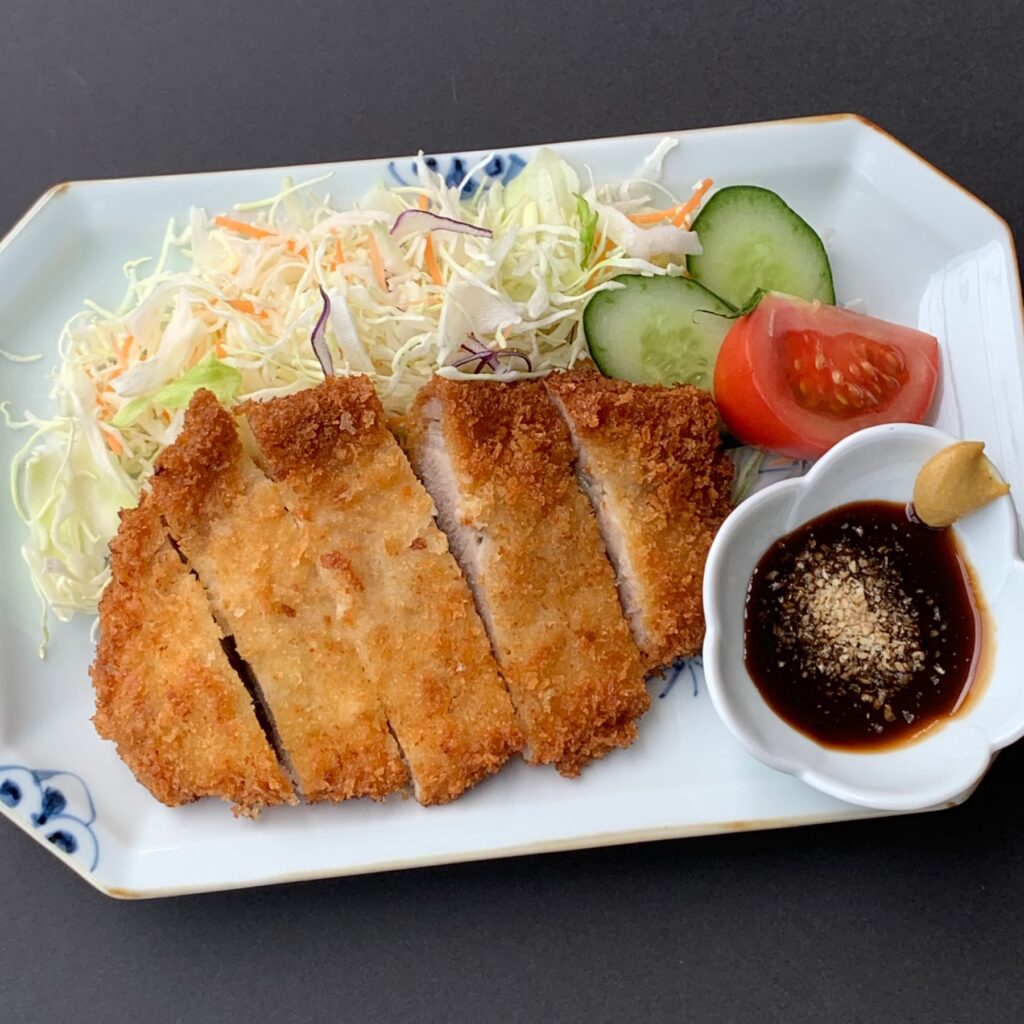
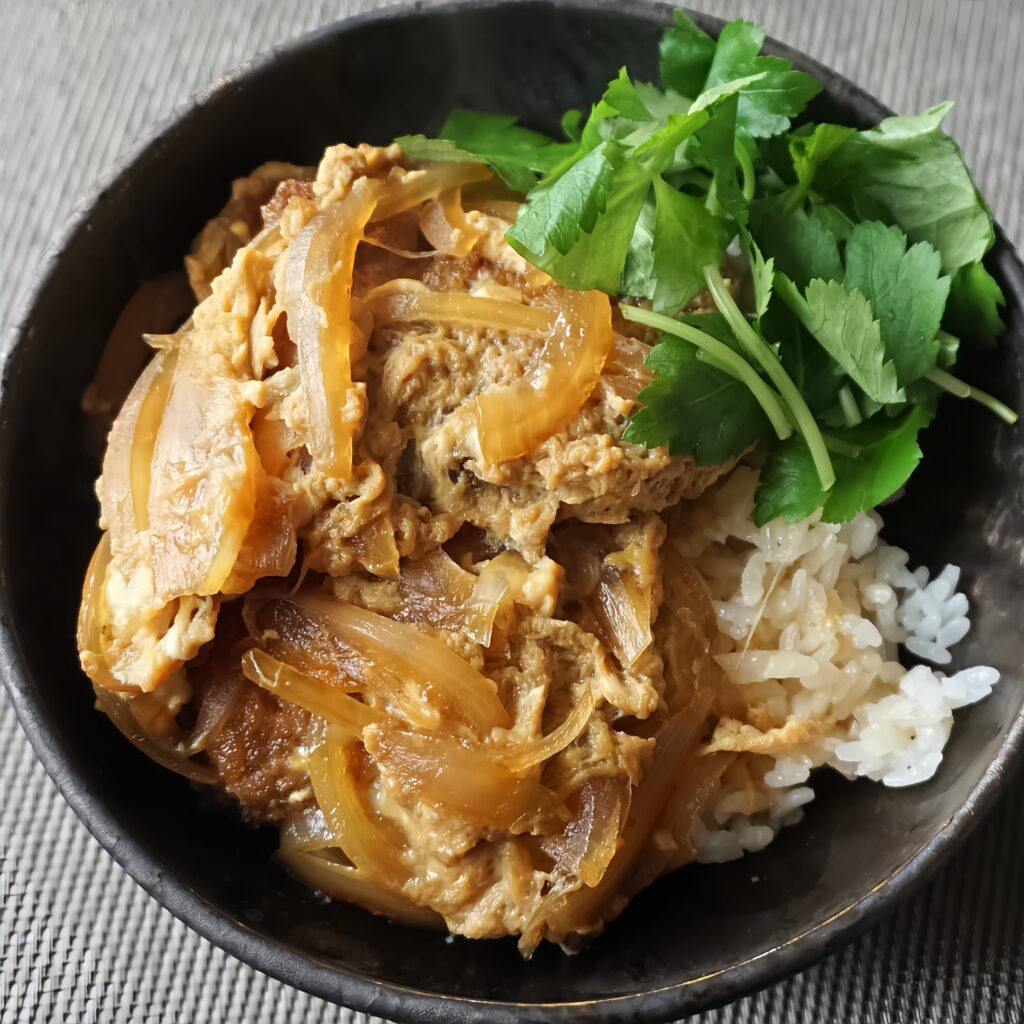
- Dive Deeper into Pork Tenderloin: Want to know more about the nutritional science of “Hire” meat or looking for a healthy twist on a classic comfort bowl? Check this out! 👉 [Hirekatsu don (Pork fillets Cutlet Bowl)]
📖Related Link: Read the Japanese version of this article here! [ヘルシーでサクサク!究極のひれかつ(豚ヒレ肉のトンカツ)レシピ]


コメント