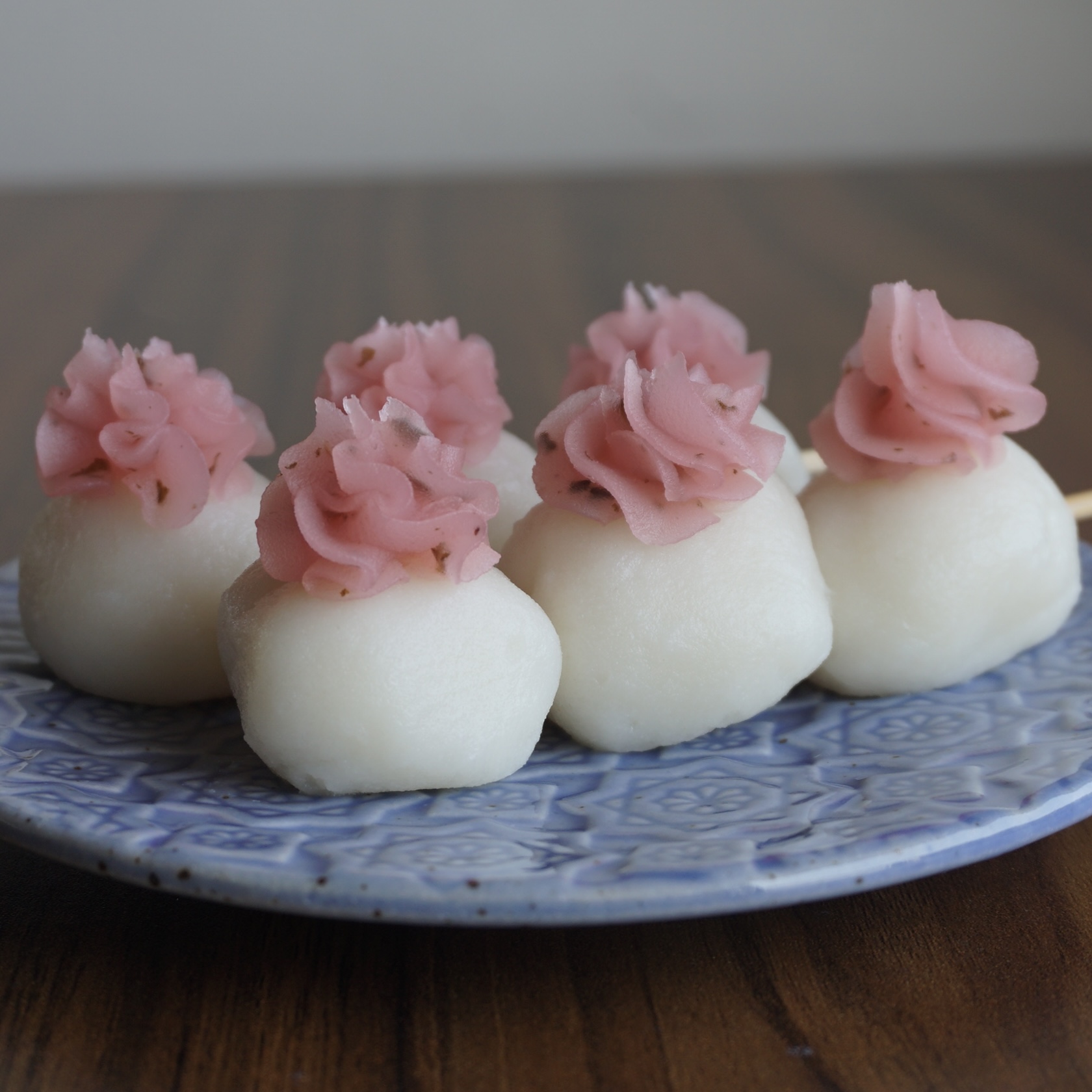
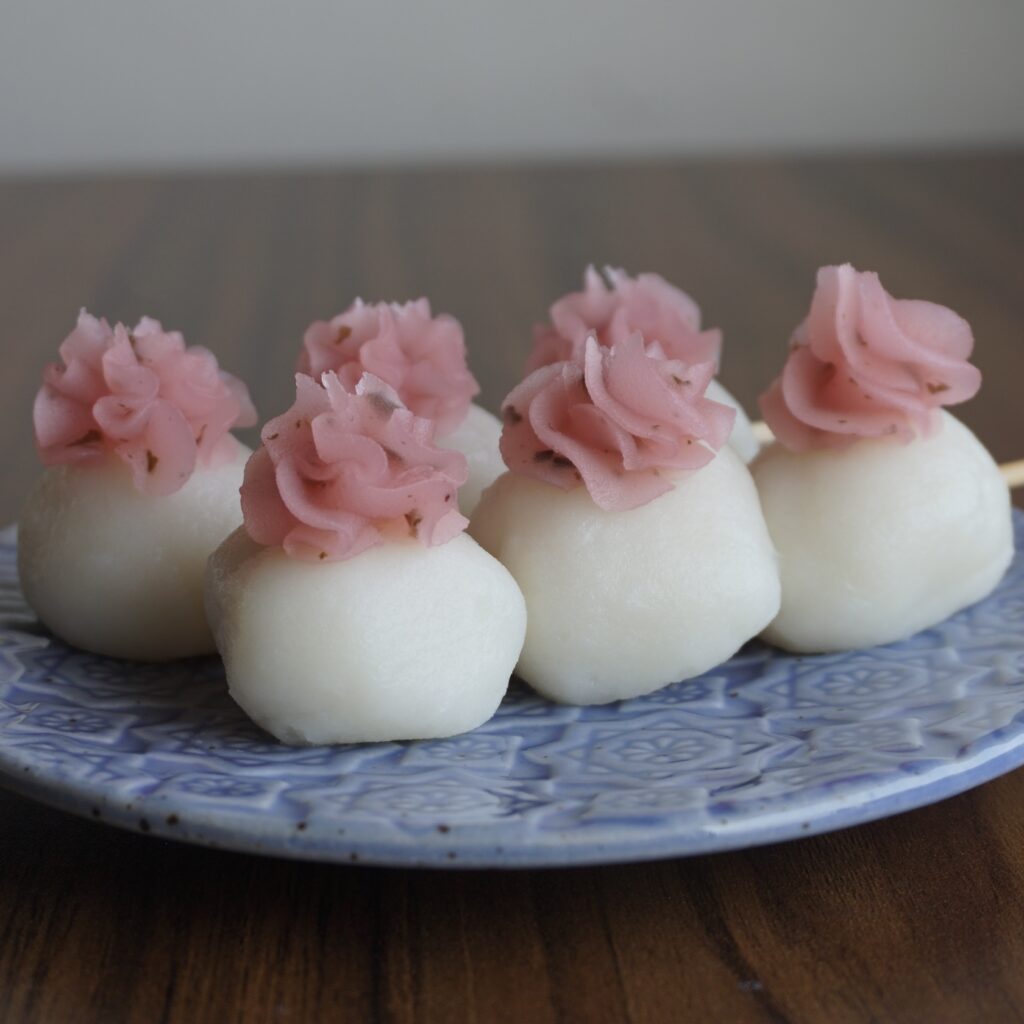
🌸 Sakura-an Dango: A Springtime Twist on a Classic
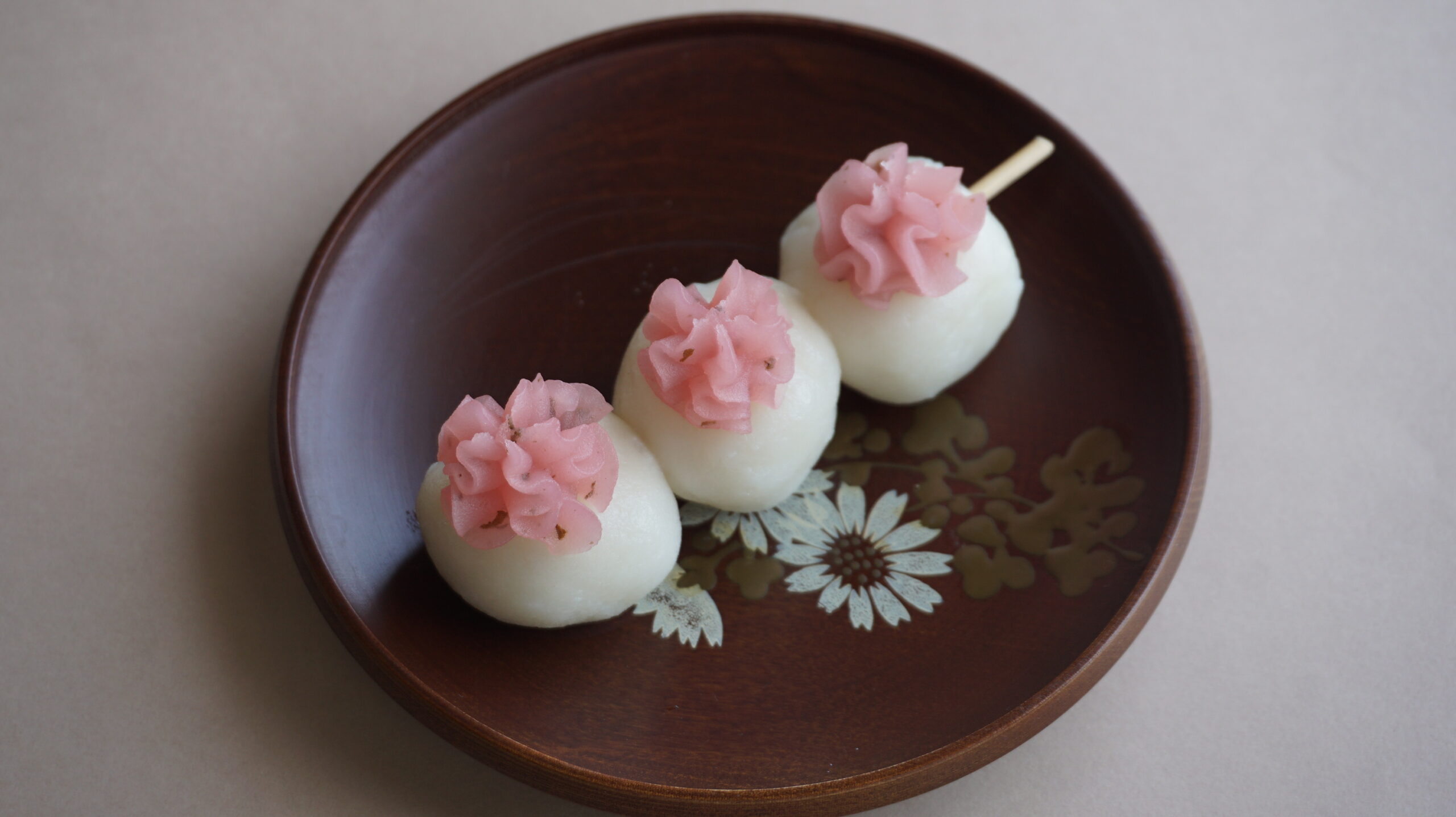
Top your favorite chewy rice dumplings with a generous amount of beautiful pink Sakura-an (cherry blossom bean paste). This recipe is a seasonal arrangement that dresses up the classic dango with the delicate aroma of cherry blossoms. Its lovely appearance makes it a perfect treat to specially decorate your Hanami (cherry blossom viewing) or spring tea time.
🍡Dango: A Traditional Japanese Sweet with Deep Roots
Dango is a traditional Japanese sweet that is said to have been introduced from China during the Nara period. Initially, they were used in court ceremonies and religious rites, and gradually spread among the common people.
Even today, dango are an indispensable presence in a variety of situations. For instance, in spring, there are Sanshoku Dango (three-colored dumplings in pink, green, and white) inspired by cherry blossoms and mugwort, and in autumn, there are Tsukimi Dango offered to the gods to pray for a good harvest.
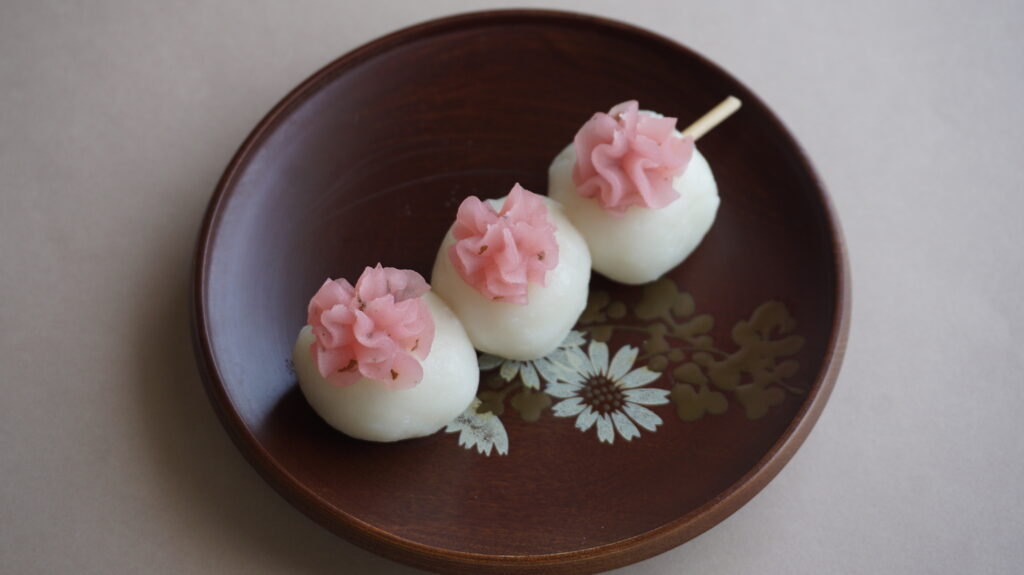
Dango are usually round in shape, skewered, and eaten by holding the skewer in your hand. While they are commonly topped with Anko (sweet red bean paste), Mitarashi (a sweet and savory soy sauce glaze), or Kinako (roasted soybean flour), this recipe features a generous topping of Sakura-an, a flavor unique to the spring season.
Dango vs. Mochi: What’s the difference?
While both are made from rice, the secret to their texture lies in the type of flour used:
Dango: Made from Dangoko (a blend of non-glutinous and glutinous rice flour). It has a firm, bouncy “koshi” (chewiness), with a texture similar to Italian gnocchi.
Mochi: Made from steamed and pounded glutinous rice. It is characterized by its incredible stretchiness and stickiness.
📋 Ingredients & Nutrition; Sakura-an Dango
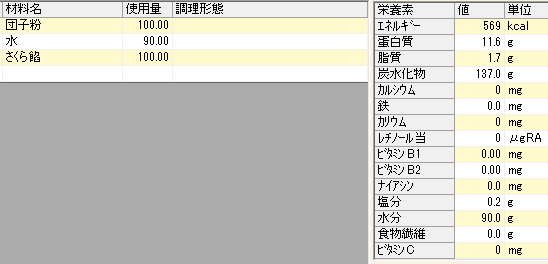
| Ingredient | Amount |
| Dangoko (Dango rice flour) | 100g |
| Water | 90g |
| Sakura-an (White bean paste with salt-pickled sakura) | 100g |
Nutrition Facts (per 100g)
- Dangoko: 353 kcal | Protein: 6.3g | Total Fat: 1.2g | Total Carbs: 79.3g
- Sakura-an: 216 kcal | Protein: 5.3g | Total Fat: 0.5g | Total Carbs: 57.7g | Sodium: 0.2g
👩🍳 How to Make Sakura-an Dango
- Prepare the Dough Place the Dangoko in a mixing bowl. Add water in two portions, mixing well each time.
- Knead & Shape Knead the dough until it feels as soft as an earlobe (the ideal gold standard for dango texture). Divide the dough into 9 pieces (approx. 20g each) and roll them into smooth balls.
- Boil Gently drop the dumplings into boiling water. Once they float to the surface and expand to about 1.5 times their original size, they are cooked through.
- The Cold Shock Immediately transfer the cooked dango into ice water. This stops the cooking process and creates a lovely, smooth, and firm texture.
- The Finishing Touch Thread three dumplings onto each skewer. Generously pipe or spoon the Sakura-an along the top to finish!
💡 Pro Tip For an even richer floral aroma, try wrapping the finished dango in a salt-pickled sakura leaf. It enhances the fragrance and gives it an even more authentic, elegant look.
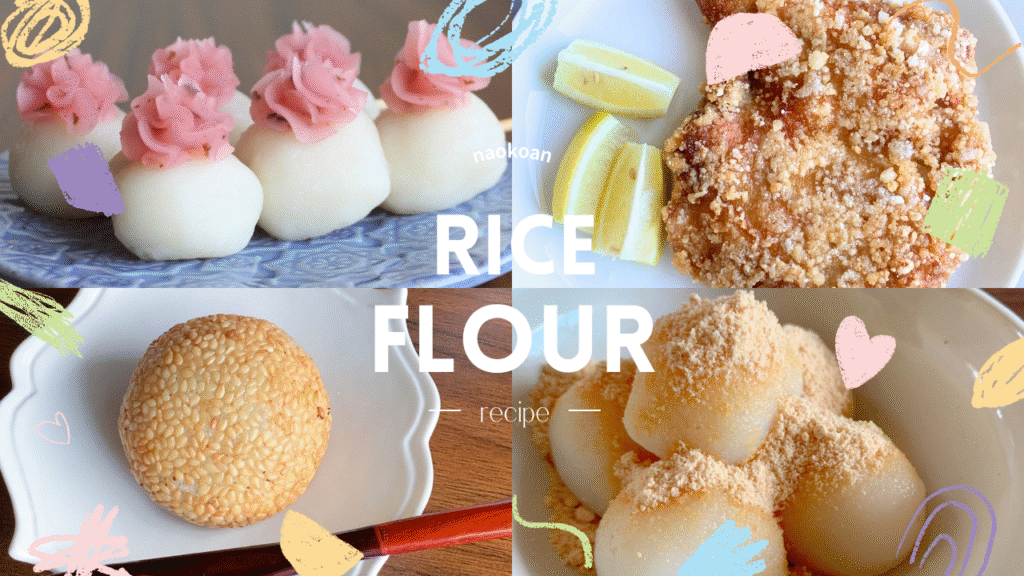
All About Rice Flour (Gluten-Free Baking)
Rice flour is a versatile, gluten-free alternative to wheat flour. In Japan, we use various types like Shiratamako or Dangoko to create that iconic chewy, bouncy texture. From crispy pancakes to soft sweets, discover the magic of rice powder here: 👉 [Link: Rice flour classification]
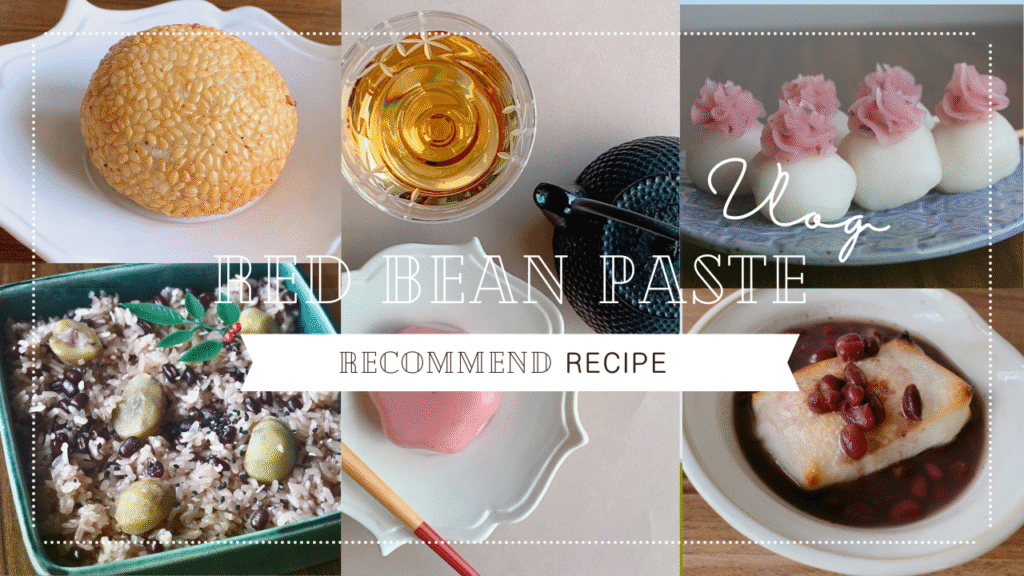
2. The Magic of Anko (Sweet Bean Paste)
Anko is a sweet paste made from boiled Azuki beans (red beans) and sugar. It is the heart of Japanese confectionery! High in protein and fiber, it’s a healthy way to satisfy your sweet tooth. Learn how to use Red Bean Paste and its white bean counterparts in various desserts: 👉 [Link: About Red beans and Anko (red bean paste)]
📖Related Link: Read the Japanese version of this article here! [桜あんの団子レシピ|定番のお団子を春色に彩る華やかなアレンジ]

コメント