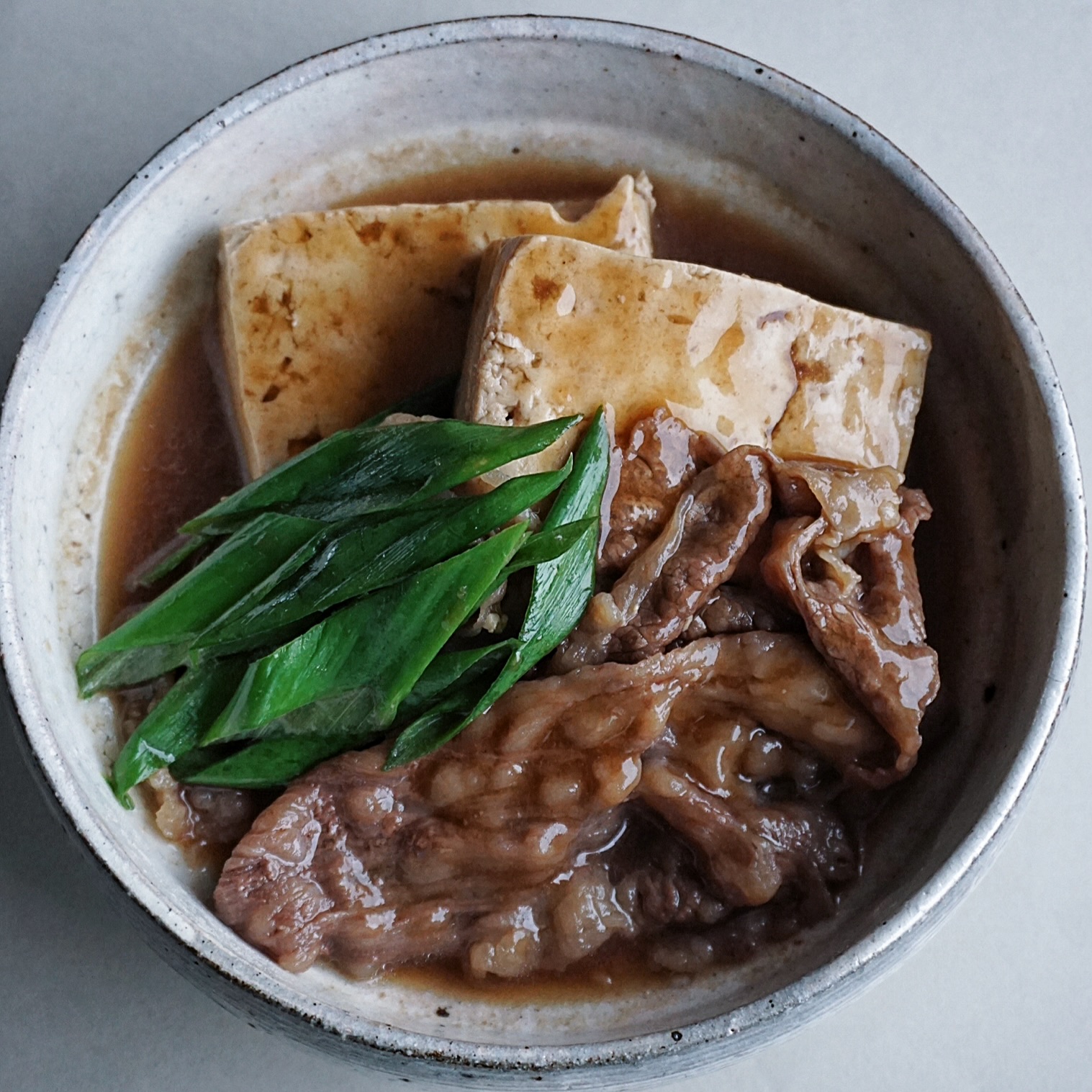
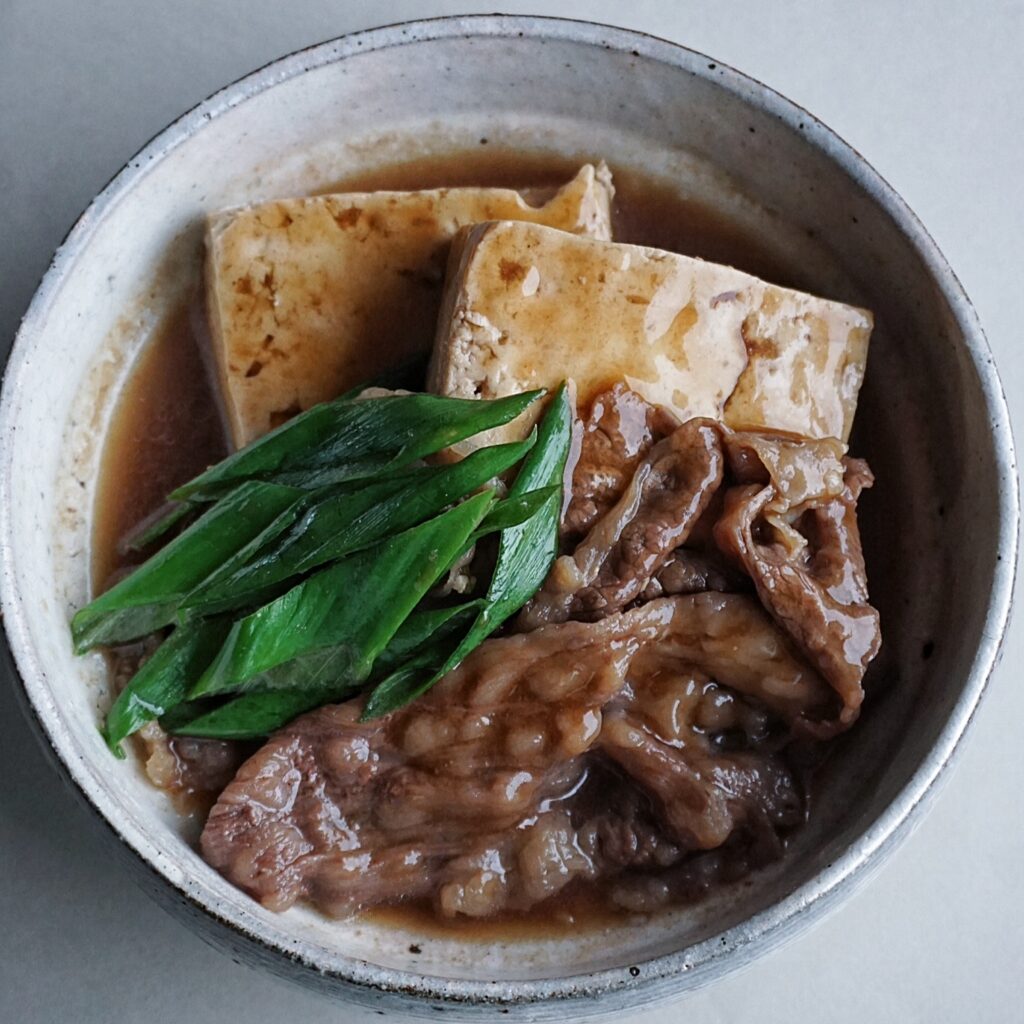
🍲 Kyoto-Style Niku Dofu (Beef & Tofu Simmer)
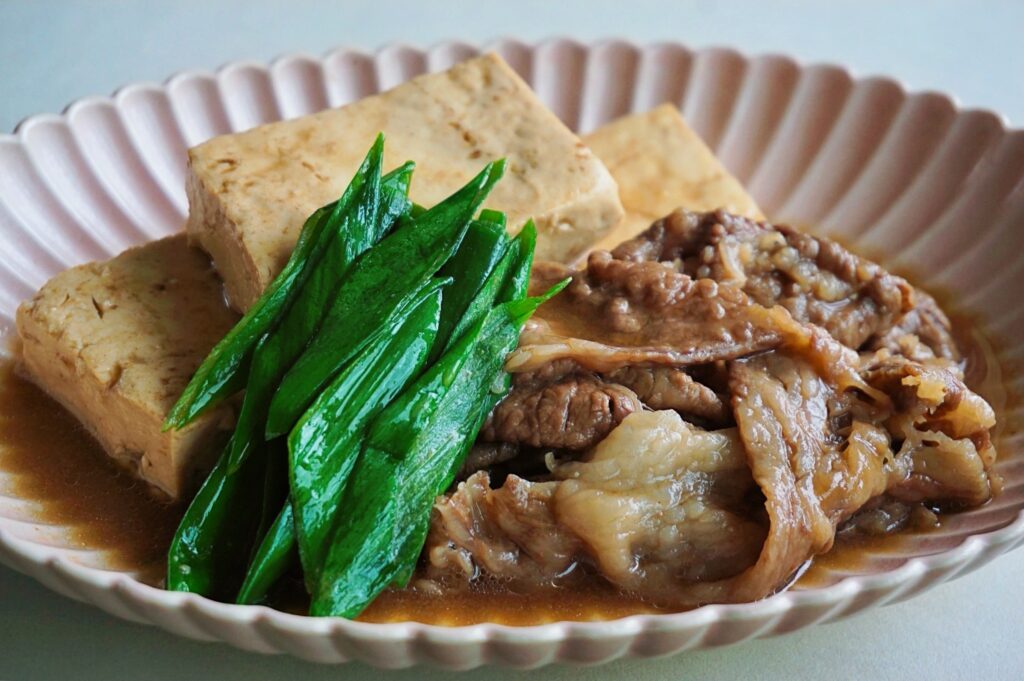
Niku Dofu is a beloved comfort dish that originated in Kyoto. While it shares many flavors with the world-famous Sukiyaki, it has its own unique character and place in the Japanese home kitchen. It is the perfect warming meal for the crisp autumn weather.
🥢 The Difference: Niku Dofu vs. Sukiyaki
Many people overseas wonder, “Isn’t this just Sukiyaki?” Not quite! Here is how to distinguish them:
- The Star Ingredient: In Sukiyaki, high-grade Wagyu beef is the main attraction. In Niku Dofu, the focus shifts to the tofu, making it a lighter, more everyday dish.
- The Beef: For a special Sukiyaki dinner, marbled Wagyu is traditional. For Niku Dofu, I recommend using quality Japanese beef (Kokusan-gyu), which provides a robust flavor that stands up well to simmering.
- The Experience: Sukiyaki is often treated as a “special occasion” meal, whereas Niku Dofu is a “commoner’s” classic—wholesome, affordable, and perfect for a cozy weeknight.
🥬 A Guide to Japanese Alliums: Negi
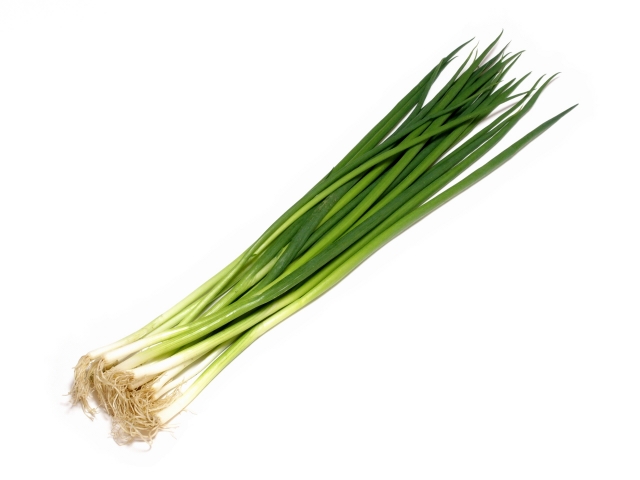
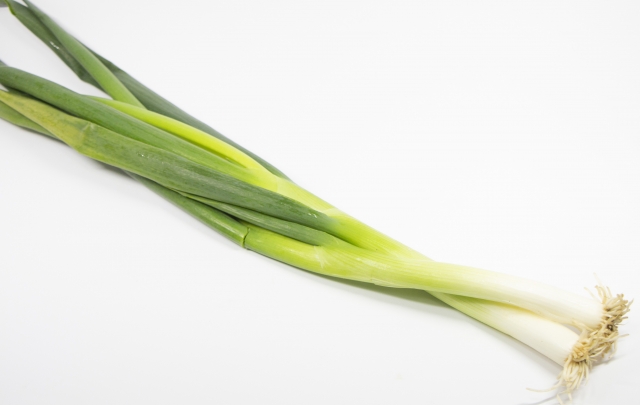
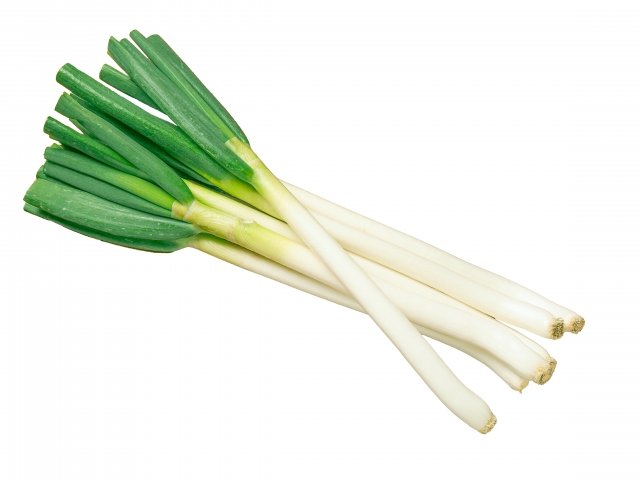
Understanding the different types of “leeks” or “onions” is key to authentic Japanese cooking:
- Shiro Negi (White Leek): These are thick with a long white stem. We primarily eat the white part, which becomes sweet and creamy when cooked.
- Green Onion / Scallion: Known as negi in Japan, these are thinner and the green tops are frequently used.
- Kujo Negi: A traditional vegetable from Kyoto. Unlike white leeks, both the green and white parts are delicious. They are very fragrant, so we add them at the very end to preserve their delicate flavor.
⬜ Why “Momen” Tofu?
For this dish, Momen (Firm) Tofu is essential.
- Texture: Unlike Silken (Kinugoshi) tofu, which is very soft and breaks easily, Momen tofu is pressed to remove moisture, giving it a sturdy texture.
- Cooking Tip: Simmer the tofu over medium heat. This prevents the blocks from bouncing around and breaking apart, ensuring they stay beautiful on the plate.
- Flavor: The slightly porous surface of Momen tofu acts like a sponge, soaking up the savory-sweet dashi.
🛒 Ingredients (Serves 3)
- Momen Tofu: 400g
- Japanese Beef (Kokusan-gyu): 150g (Thinly sliced shoulder loin)
- Kujo Negi: 100g (Or Japanese leek)
- Water: 200g
- Sugar: 30g
- Dark Soy Sauce: 40g
- Dashi Stock Granules: 5g
🍳 Expert Cooking Instructions
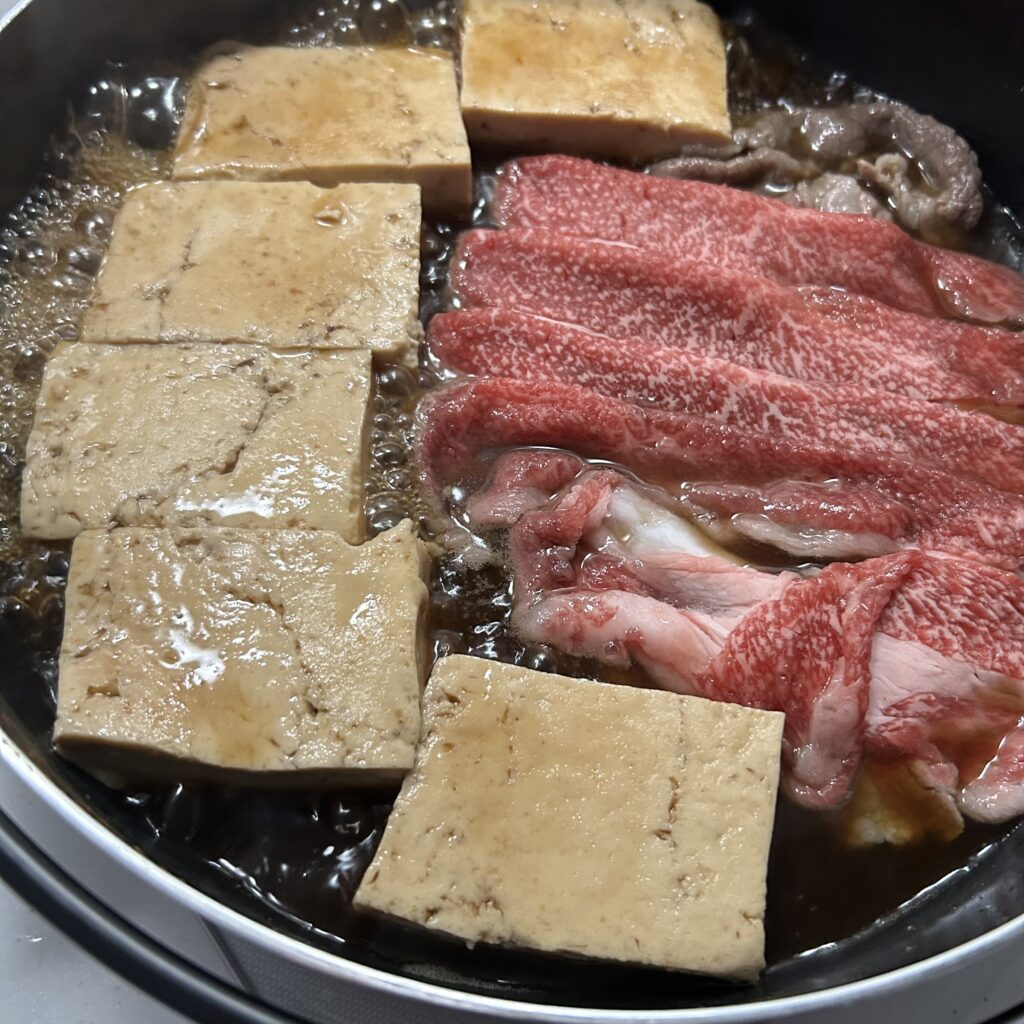
- Prepare the Broth: Combine tofu, sugar, soy sauce, dashi, and water in a pot.
- The Gentle Simmer: Bring to a boil, then reduce to medium heat. Simmer until the liquid reduces by half. Medium heat protects the tofu from breaking.
- The Flavor Soak: Turn off the heat and let it rest. This is the secret to deep flavor!
- Aromatic Finish: Add the Kujo negi and bring back to a boil.
- The Searing Technique: Add the beef into the boiling broth. By adding it to boiling liquid, the proteins on the surface firm up instantly, locking the succulent juices inside the meat.
- Final Step: Turn off the heat as soon as the meat changes color to ensure it stays tender.
📊 Nutrition Facts (Per Serving)
- Calories: 281 kcal
- Protein: 20.1 g
- Fat: 15.2 g
- Carbs: 16.2 g
- Salt Equivalent: 2.6 g
🔗 Related Link
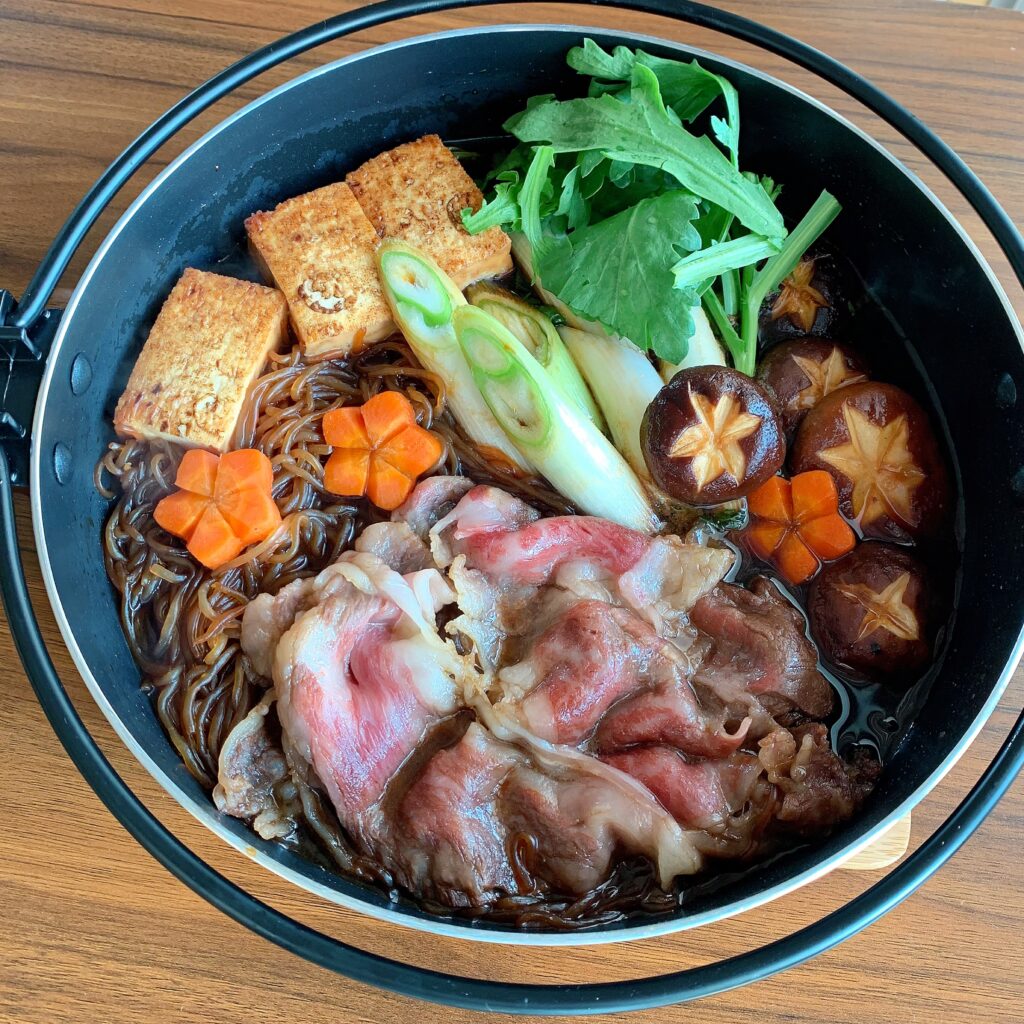
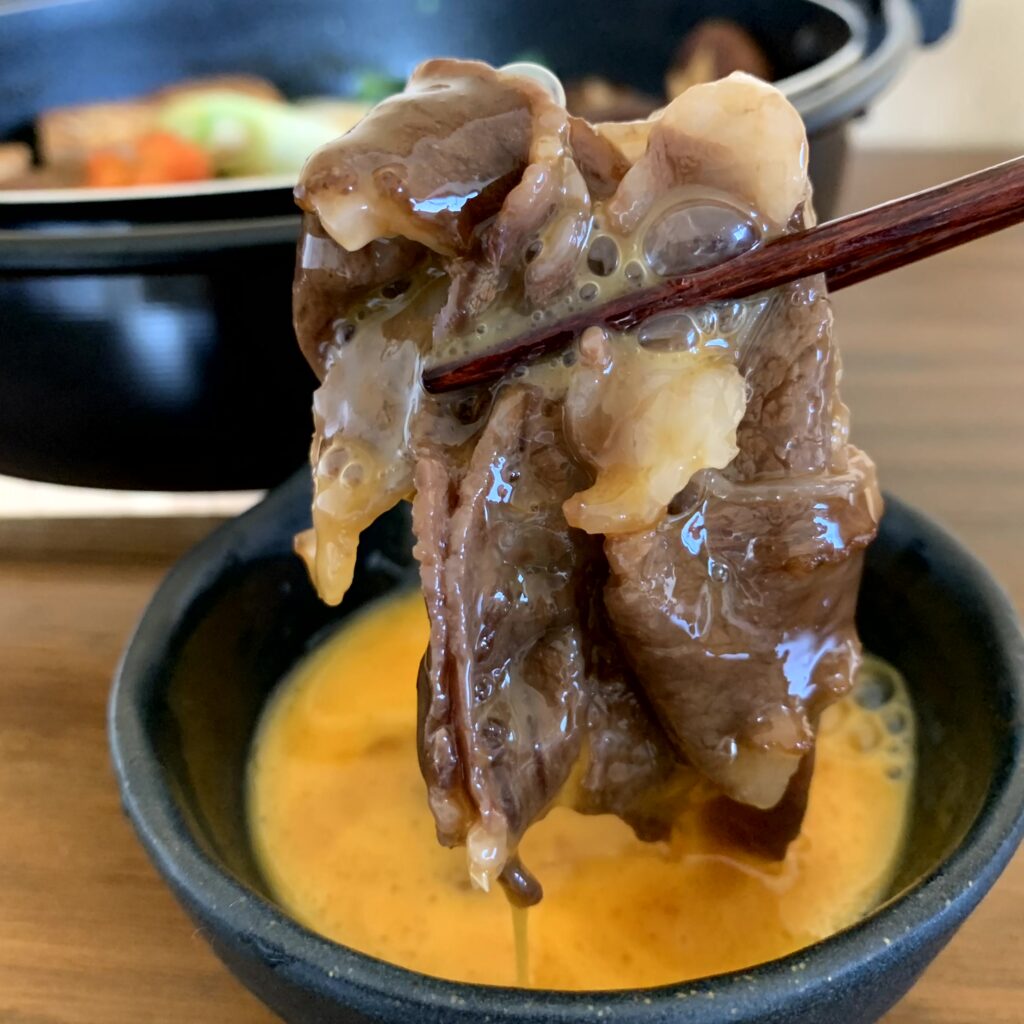
“Love the flavors of Niku Dofu but looking for something a bit more indulgent?”
If you’re planning a special occasion or want to experience the ultimate Japanese beef feast, be sure to check out my traditional Wagyu Sukiyaki recipe. While Niku Dofu is perfect for a cozy everyday meal, Sukiyaki is the “high-class” version that uses premium Wagyu beef for a truly luxurious experience! 👉 [Japanese Traditional Hot Pot: Sukiyaki Recipe Here]
📖Read the Japanese version of this article here! [【管理栄養士監修】京都の味「肉豆腐」の黄金比レシピ。すき焼きとの違いやネギの使い分けも解説]


コメント