All About Shokupan: Exploring the World of Japanese Milk Bread(食パン)
If you’ve ever stepped into a Japanese bakery, you’ve likely been captivated by the sight of thick, snowy-white slices of bread that look as soft as clouds. This is Shokupan (食パン).
While it translates simply to “plain bread” or “white bread,” Shokupan is a unique culinary craft. Let’s dive deep into its history, its various forms, and what makes it so different from the bread you’ll find in Europe.
What Does “Shokupan” Mean?
The word is a combination of Shokuji (食事 – meal) and Pan (パン – bread). Originally, it was coined in Japan to distinguish “meal bread” (a staple food) from Kashi-pan (sweet dessert breads).
In Japan, Shokupan is the ultimate canvas for breakfast. It is considered the “antonym” of sweet bread—a simple, versatile base intended for daily meals.
Shapes and Varieties
The shape of Shokupan isn’t just about looks; it tells you about the texture:
- Pullman Bread (Square): Baked in a lidded mold. This traps the steam, resulting in a moist, fine-grained texture with almost no crust on top. This is the most popular style in Japan and is perfect for sandwiches.
- Round Top (Mountain Shape): Baked without a lid. The dough rises freely, creating a light, airy texture. This style was originally introduced to Japan from England.
- One Loaf: A smaller version with a single “peak,” often found in boutique bakeries.
The Secret to the Fluffiness: Manufacturing Methods
Why is Japanese bread so much softer than Western bread? It often comes down to the science of the dough:
- Straight Method (Jikagone): All ingredients are mixed at once. This is used by home bakers and results in a fresh, authentic wheat flavor.
- Sponge and Dough Method (Nakadane): Part of the dough is fermented first before adding the rest. This is common in mass-production to ensure the bread stays soft for a long time.
- Yudane / Poolish Method: A portion of the flour is mixed with boiling water first. This gelatinizes the starch, creating that signature “mochi-mochi” (chewy and bouncy) texture that Japan loves.
Shokupan vs. The World
Texture and Flavor
- Japan: “Fluffy and Chewy” is the gold standard. The dough is “rich,” made with milk, butter, and sugar. It has a natural sweetness that is delicious even when eaten plain.
- Europe: “Crusty and Substantial.” Most European breads use a “lean” dough (flour, water, salt, yeast). The focus is on the aromatic, toasted crust and a hearty bite.
When expats visit Japan, they often say, “The bread is too soft!” Historically, bread in Japan was viewed almost like a dessert. In Europe, bread is a tool—used to wipe up soup or hold salty meats—so it stays simple and savory. Over time, each country has adapted bread to suit its own climate and palate. (*˘︶˘♡)
Pro Tip: If you’re in Japan, visit Uchikichipan in Yokohama. It is the legendary birthplace of white bread in Japan!〈Visit Uchikipan〉
European Varieties (The Roots)
- British White Bread: The original model for Shokupan. Known as “Tin Bread,” its unlidded mountain shape inspired Japan’s “Round Top.”
- French Pain de Mie: In France, “mie” refers to the soft interior. Unlike baguettes, this bread focuses on the “crumb” rather than the crust. However, it is a very small part of the French bread market.
- German Toastbrot: Historically, Germany relied on rye, resulting in dense, sour breads. “Toastbrot” is their version of white bread, usually sliced very thinly to handle heavy toppings.
Comparison Table
| Category | Japanese Shokupan | European Bread (General) |
| Main Ingredients | Flour, Milk, Sugar, Butter/Shortening | Flour, Water, Salt, Yeast |
| Texture | Soft, moist, and airy | Crusty, firm, and dense |
| Flavor Profile | Sweet and milky | Savory with a nutty wheat aroma |
| Common Use | Thick toast or soft sandwiches | To accompany soups, meats, or cheeses |
The Art of Slicing (Thickness Matters!)
In Japan, you choose your thickness based on the experience you want. The number of slices per loaf (-mai-giri) is key:
- Thick Slices (4 or 5 per loaf): * 5-slice (24mm) or 6-slice (20mm) are the standards for Toast.
- Provides a dramatic contrast: a crunchy exterior and a pillowy, steaming interior.
- Thin Slices (10 or 12 per loaf):
- 10-slice (12mm) or 12-slice (10mm) are ideal for Sandwiches or “Hot Sands.”
- Ensures the bread complements the fillings without being too heavy.
🍞 Homemade Shokupan Recipe (For Bread Maker)
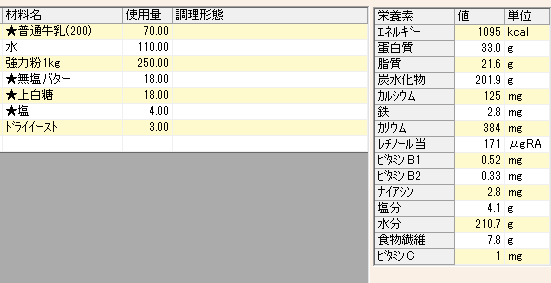
Homemade Shokupan (Full 1-Loaf)
- Calories: 1,095 kcal
- Protein: 33.0 g
- Total Fat: 21.6 g
- Total Carbohydrates: 201.9 g
- Sodium: 9.5 g
[Ingredients for 1 Loaf]
- Liquids: 70g Milk, 110g Water
- Flour: 250g Strong bread flour
- Fats & Flavors: 18g Unsalted butter, 18g Sugar, 4g Salt
- Leavening: 3g Dry yeast (I highly recommend Saf-Instant by Lesaffre!)
[Bread Maker Tips]
- Load Liquids: Pour the milk and water into the bread maker pan.
- Add Dry Ingredients: Add the strong flour to the pan.
- Corner Placement: Place the butter, sugar, and salt in the four corners of the pan.
- The Yeast Well: Create a small well in the center of the flour (don’t let it touch the salt/liquids) and add the dry yeast.
- Bake: Set your machine to the standard “Bread” cycle.
- Cool & Slice: Once finished, remove the loaf immediately. Let it cool completely before slicing it into five thick slices.
From Basic Loaf to Gourmet Toast: 4 Ways to Transform Your Shokupan
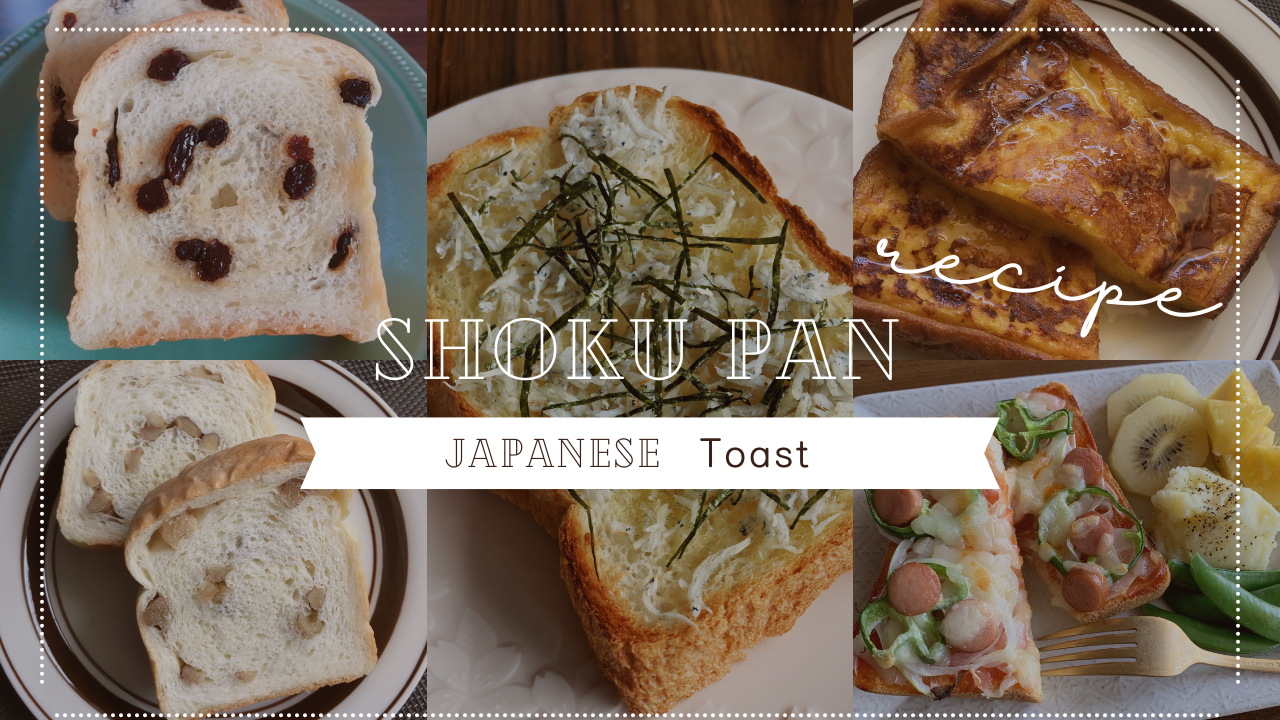
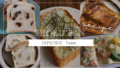
Once you’ve mastered the art of the perfect, pillowy Shokupan, the real fun begins! While a thick slice of buttered toast is a masterpiece on its own, this versatile bread is the ultimate canvas for creativity. Whether you’re craving a nostalgic childhood favorite, a healthy crunch, or a world-class dessert, these four recipes will turn your kitchen into a professional Japanese bakery.
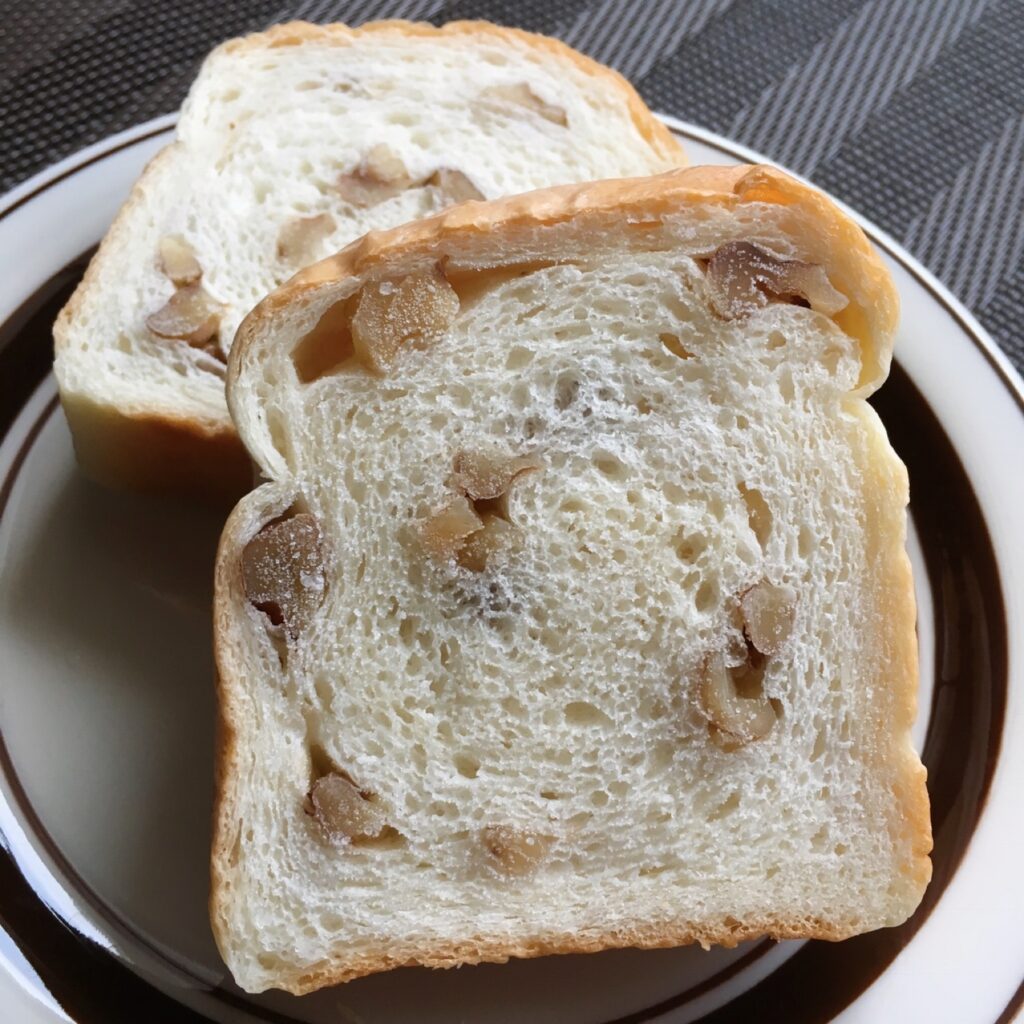
Fluffy Walnut Bread (くるみパン)
Cloud-soft dough meets the earthy crunch of toasted walnuts. A rustic, comforting classic that’s perfect for any time of day. [Get the Recipe → Soft & Fluffy Japanese Walnut Bread Recipe (Kurumi Pan)]
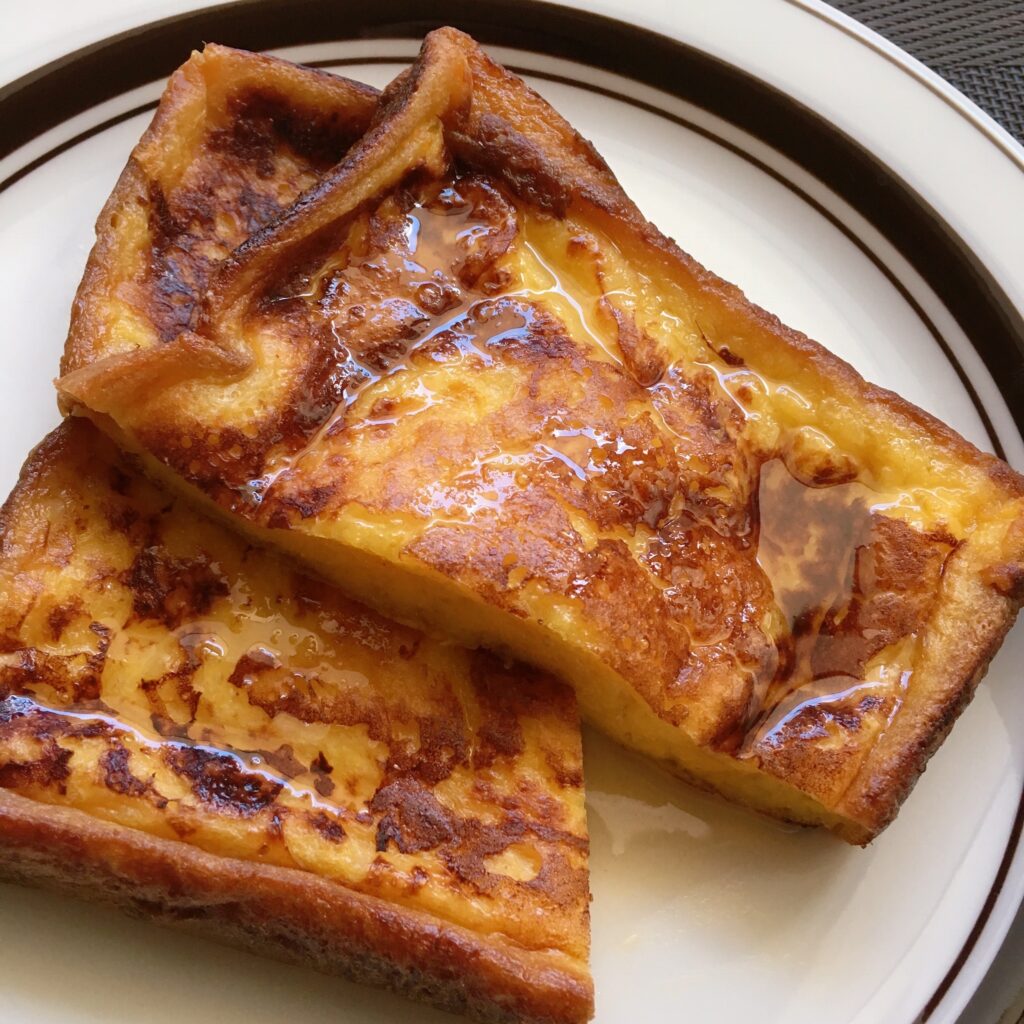
The “World’s Best” French Toast
Experience the dish hailed as a global masterpiece. This French toast is soaked to the core, creating a custard-like center that melts in your mouth. [Read the Secret → The World’s Best French Toast: Japanese Hotel Okura Recipe]
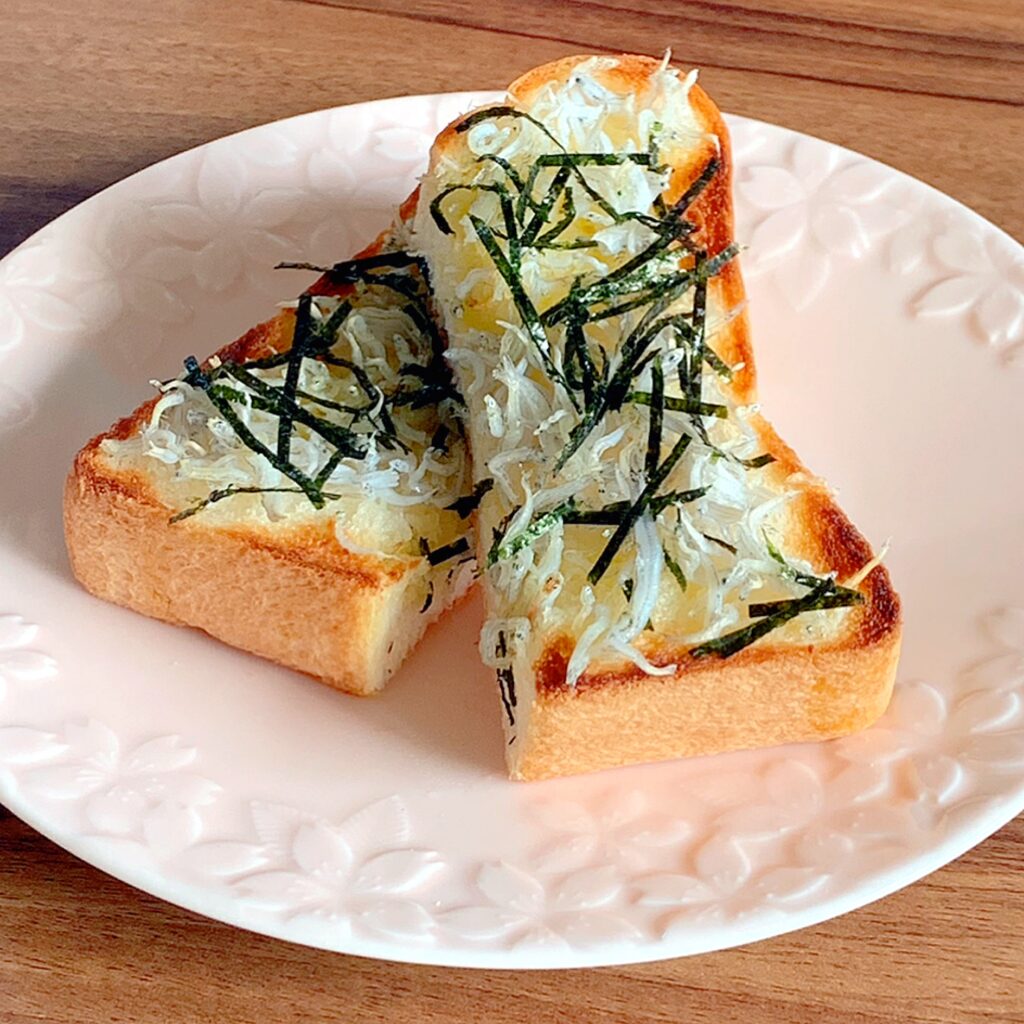
Movie-Famous Whitebait (Shirasu) Toast
The savory, salty delight that became a silver-screen sensation! A unique Japanese twist on toast featuring delicate whitebait and a hint of nori. [See Why It’s Famous → The Best Way to Enjoy Homemade Bread: Savory Shirasu Toast]
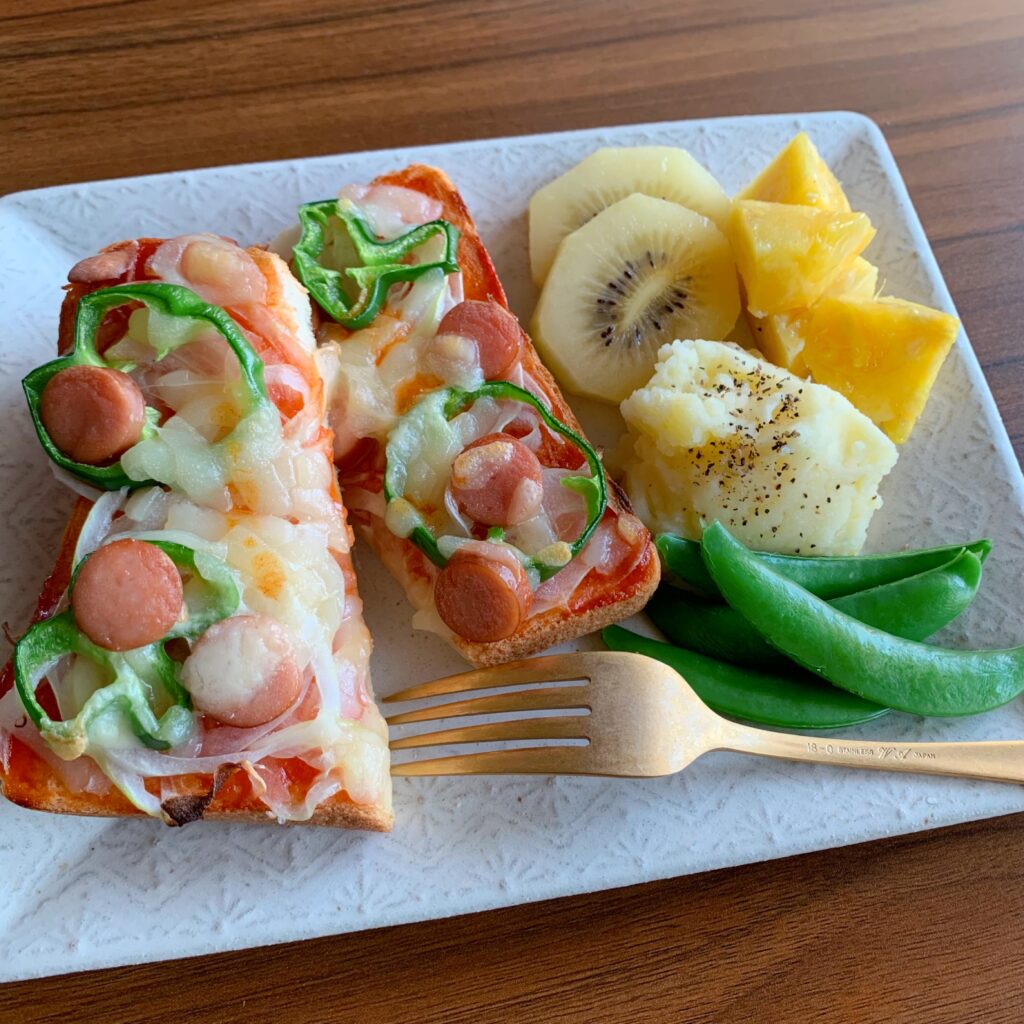
Kid-Favorite Pizza Toast
A beloved Japanese ‘Kissaten’ staple! Thick-cut Shokupan loaded with melty cheese and tangy sauce—a guaranteed hit for kids and adults alike. [Cook for the Kids → Japanese Pizza Toast]
📖Related Link: Read the Japanese version of this article here! [ふわふわ食パンの世界:日本を代表するミルクパン]
食パン #朝ごはん #パンスタグラム #Shokupan #JapaneseMilkBread #BreakfastLovers #FluffyBread

コメント