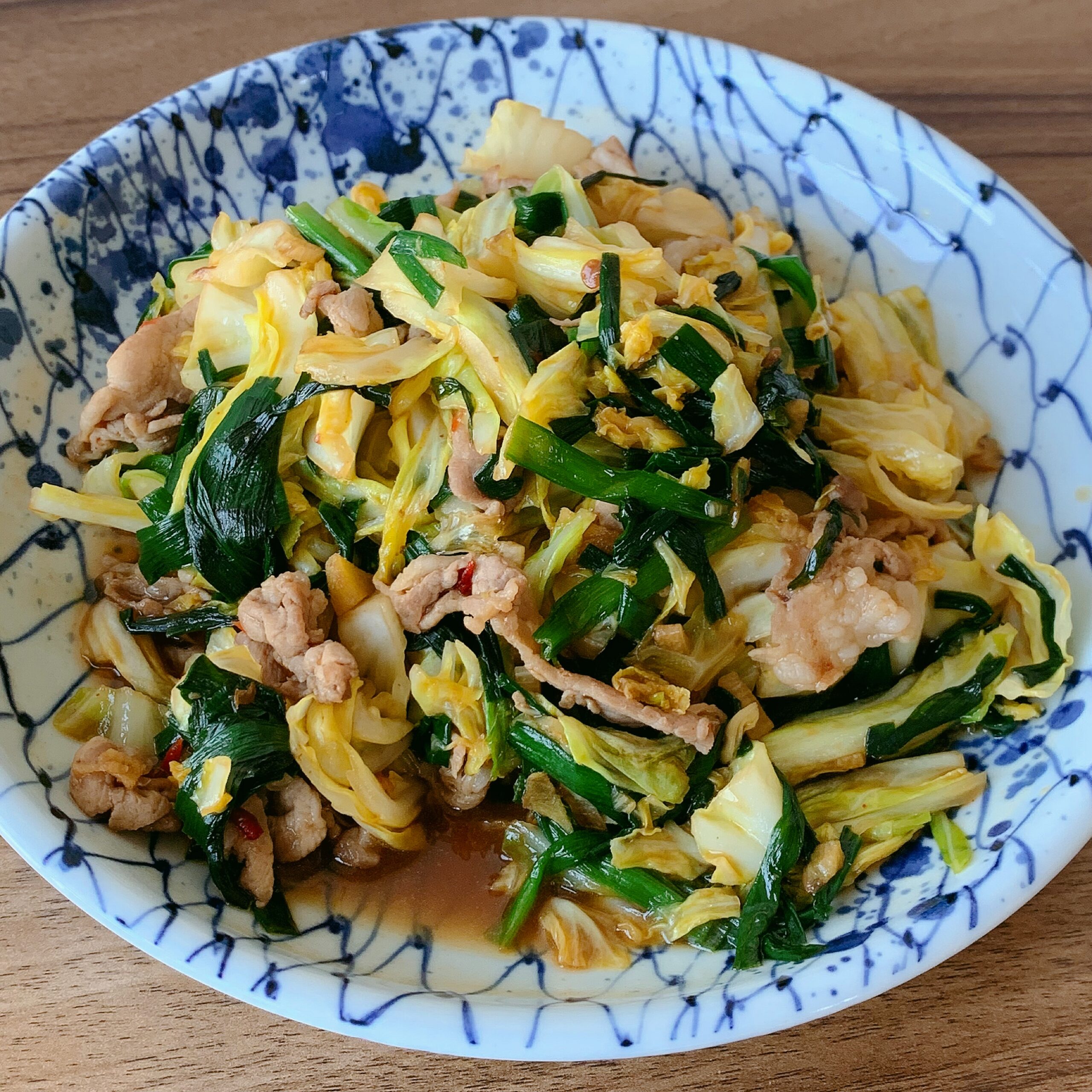

What kind of food is Nirabuta??
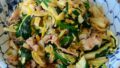
In Oita City, Japan, “Nira Buta” is a legendary soul food loved by locals. It is a quick, high-heat stir-fry consisting of pork, cabbage, and a generous amount of nira (Chinese chives), all coated in a signature sweet-and-savory sauce.
At the famous restaurant “Wangfu (王府),” people line up every day just to get a taste of their iconic Nira Buta. I developed this recipe so you can recreate that professional, addictive flavor right in your own home.
🥣 The Golden Ratio Sauce for Nirabuta
To recreate the professional taste of Oita’s famous restaurants, the balance of sweetness and umami is crucial. Here is the dietitian-calculated formula for the perfect stir-fry sauce.
The Formula
- Oyster Sauce: 2/3 tbsp (10g)
- Soy Sauce: 1/2 tbsp (10g)
- Sugar: 1/2 tbsp (5g)
- Doubanjiang (Spicy Bean Paste): 1 tsp (5g)
Pro Tip for Authenticity: If you prefer a richer, more restaurant-like flavor, use pork belly and double the amount of sauce listed below. The extra fat and sauce will caramelize beautifully over high heat!
📚 Nutrition Facts: Why it’s good for you
This dish isn’t just delicious—it’s a nutritional powerhouse.
- Vitamin B1 + Allicin : The pork is rich in Vitamin B1, which helps recover from fatigue. When combined with the “Allicin” found in Chinese chives, the absorption of Vitamin B1 increases significantly.
- Dietary Fiber : By adding plenty of cabbage, we increase the fiber content, which helps slow down the absorption of fats and keeps you feeling full.
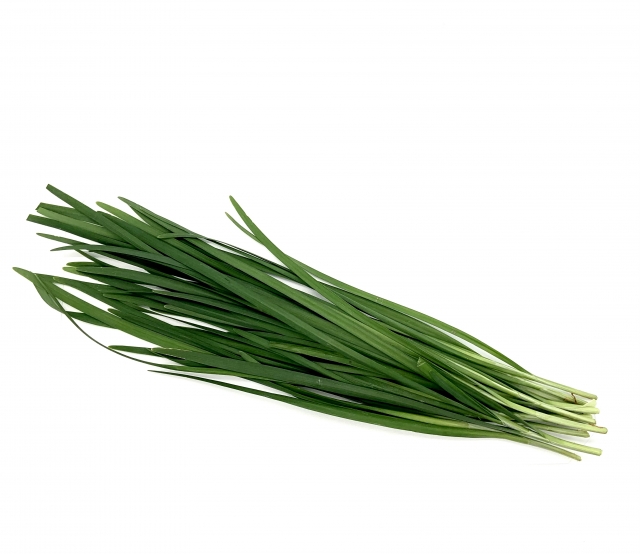
🌿 What kind of food is Chinese chives (Garlic Chives)?
Chinese chive is a green-yellow vegetable of the Liliaceae family, Allium genus, native to China. In Japanese, it is called “Nira (ニラ)”. It is a hardy plant that can be harvested multiple times from the same root!
Chinese chives are packed with nutrients and have been used as a medicinal herb for physical strengthening since ancient times.
It is said they were introduced to Japan from China during the Yayoi period, and they even appear in Japan’s oldest historical records like the Kojiki, Nihon Shoki, and Man’yoshu.
Although they aren’t very common or widely cultivated in Europe, they are definitely a vegetable I’d love for you to try at least once! (*˘︶˘♡)
Three Types of Chives
- Green Chinese Chive (Ha-nira): The most common variety, packed with vitamins.
- Yellow Chinese Chive (Ki-nira): Grown away from sunlight. It has a mild aroma and soft texture, though its vitamin content is lower than the green variety.
- Flower Chinese Chive (Hana-nira): Edible flower buds and young stems. These are rare even in Japan!


🧪 Nutrition & Health Benefits
The unique aroma of Chinese chives comes from Allicin, a powerful compound also found in garlic and onions.
- Fatigue Recovery : Allicin significantly increases the absorption of Vitamin B1. This makes Chinese chives the perfect partner for pork, which is naturally high in Vitamin B1.
- Nutrient-Dense : It is rich in beta-carotene, Vitamin C, Vitamin E, and minerals like potassium and magnesium. Since beta-carotene is fat-soluble, stir-frying with oil—like in our Buta Nira recipe—is the best way to absorb it!
💡 Dietitian’s Trivia: Don’t throw away the roots!
Did you know? The white parts near the roots contain about 4 times more Allicin than the green tips! Don’t discard them—chop them finely and include them in your stir-fry for maximum health benefits and flavor.
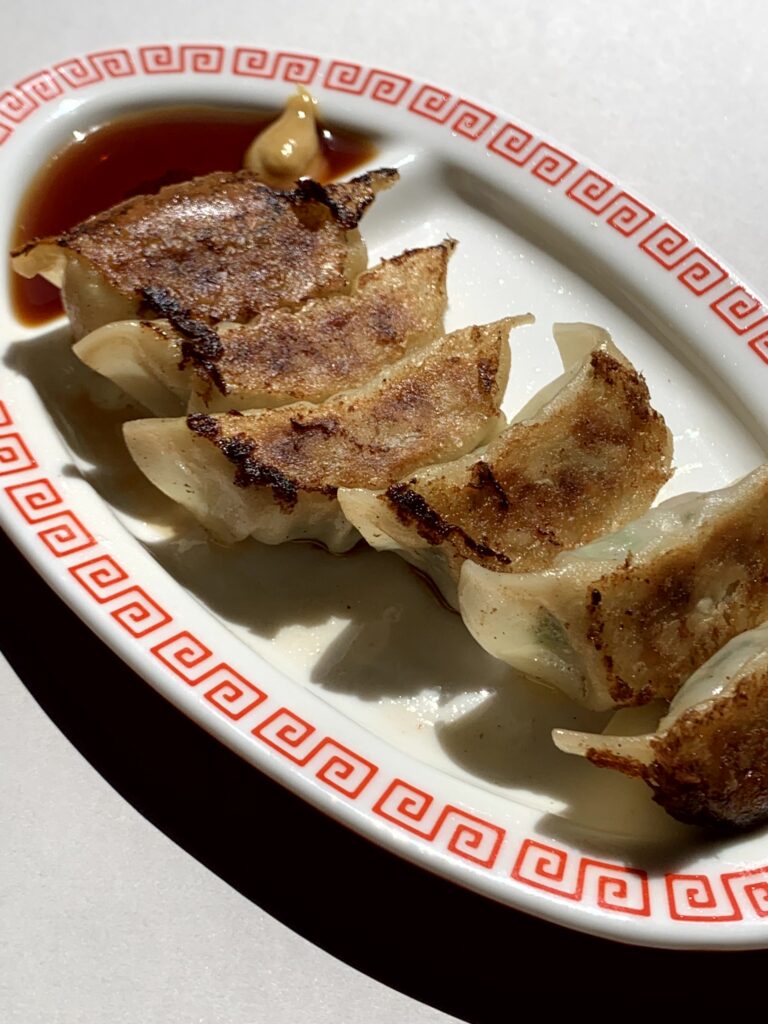
Also check out the recipe for chive dumplings. 👉 Best Nira Gyoza Recipe (Japanese dumpling with Chinese chive)
📊 NUTRITION FACTS : Nirabuta (Pork Stir-fry with Garlic Chives)
Nutrition Value Per Person
- Calories: 123 kcal
- Protein: 7.2 g
- Fat: 7.8 g
- Carbohydrates: 8.2 g
- Sodium (Salt Equivalent): 1.2 g
🛒 INGREDIENTS: Nirabuta (Pork & Chinese Chives Stir-fry) Yield: 3 Servings
[Main Ingredients]
- Cabbage: 1/4 head (approx. 200g)
- Chinese Chives (Garlic Chives): 1 bunch (100g)
- Pork Shoulder Loin: 100g, thinly sliced
- Garlic: 2 cloves (10g), minced
- Ginger: 1 small piece (10g), minced
- Sesame Oil: 1 tsp (5g) — for frying
- Salt: A pinch (1g) — to season the pork100g)
- Salt (1g)
[☆ Sauce Mixture]
- Oyster Sauce: 2/3 tbsp (10g)
- Soy Sauce: 1/2 tbsp (10g)
- Sugar: 1/2 tbsp (5g)
- Doubanjiang (Spicy Bean Paste): 1 tsp (5g) Note: This adds a spicy kick. You can adjust the amount to your preference.
🔪 How to make Buta Nira
To keep the vegetables crunchy and the nutrients intact, timing is everything. Follow these steps for the ultimate stir-fry.
Step 1: Preparation /
- Cut the vegetables: Cut the cabbage into bite-sized pieces and the Chinese chives into 5cm lengths. Slice the pork into easy-to-eat pieces.
- Mix the Sauce: Combine the soy sauce, oyster sauce, sugar, and doubanjiang in a small bowl.
Step 2: Stir-fry the Pork and Cabbage /
- Infuse the Aroma: Heat sesame oil in a pan over high heat. Add minced garlic and ginger. Stir-fry briefly until their rich fragrance fills the air.
- Pork first: Add the pork, season with a pinch of salt, and fry until it changes color.
- Add Cabbage: Add the cabbage and chives and stir-fry quickly. The goal is to cook it until it’s slightly wilted but still crisp.
- Add Sauce: Pour in the “Golden Ratio” sauce and toss everything together quickly.
📖Related Link: Read the Japanese version of this article here! [【大分ソウルフード】名店「王府」の味を再現!管理栄養士が教える究極のニラ豚レシピ]

コメント