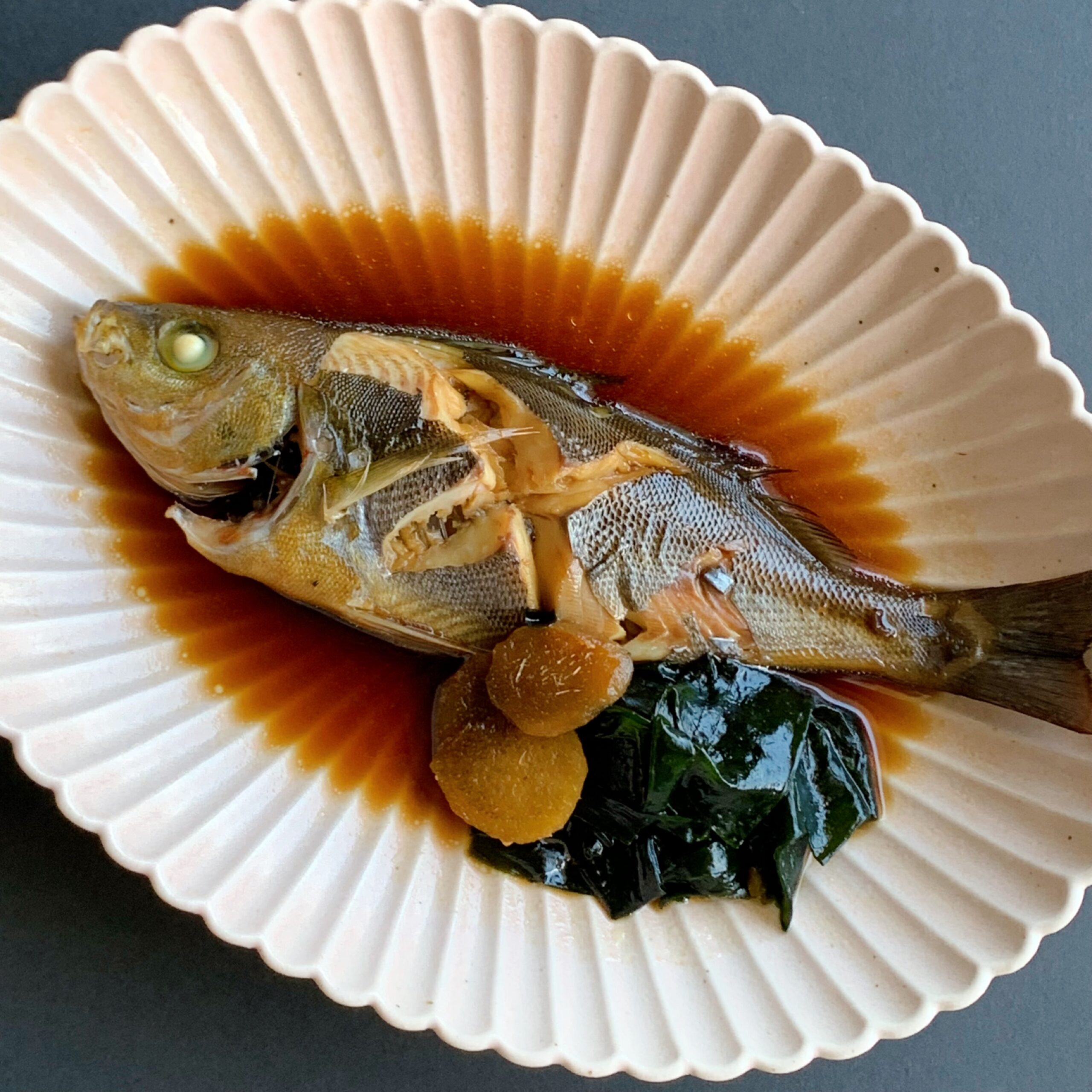
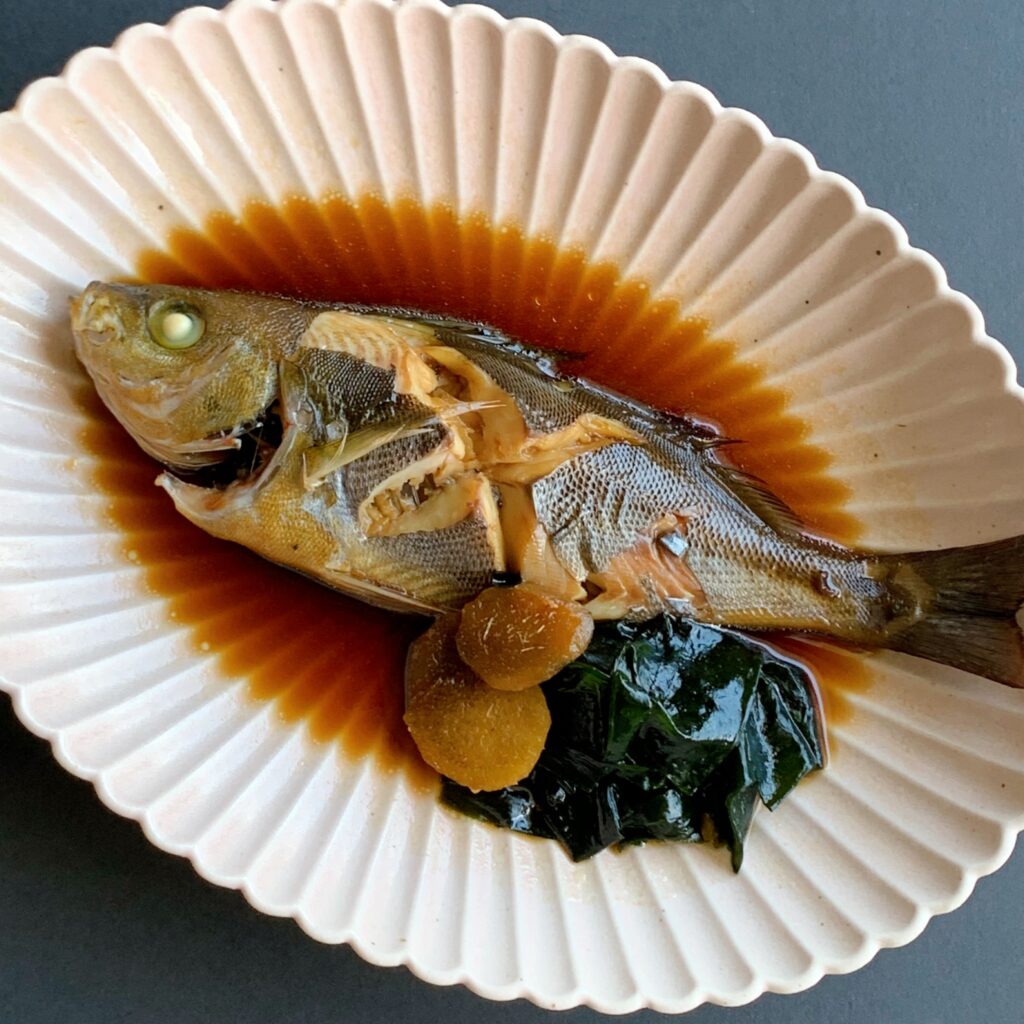
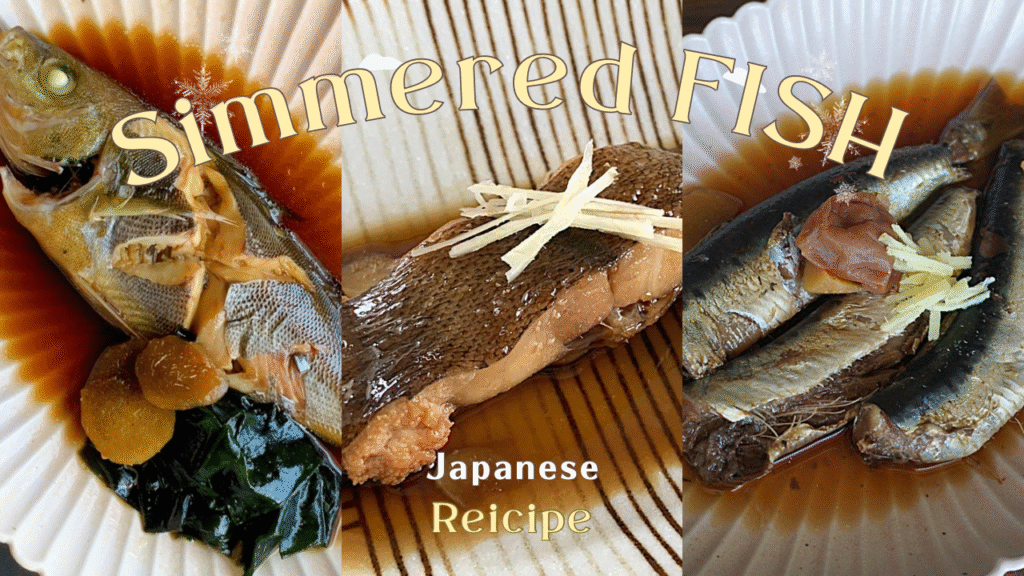
Recipe for Simmered Chicken Grunt (Isaki no Nitsuke)
“Nitsuke” (simmering in soy-based broth) is a cornerstone of Japanese home cooking. Today, I’m sharing a recipe for Isaki (Chicken Grunt)—a fish so tender and flavorful that you won’t be able to resist picking it up at the market.
With its delicate white flesh that rivals even Red Sea Bream (Tai), this is a dish you’ll definitely want to try making at home.
🐟 What Kind of Fish is Isaki (Chicken Grunt)?
Isaki is a white-fleshed fish found along the coasts of East Asia. These carnivorous fish prey on small fish, crustaceans, and polychaetes.
- Flavor Profile: Similar to Red Sea Bream but characterized by a softer texture and a higher fat content.
- Peak Season: From May to July (early summer).
- Origin of the Name: In English, it is called “Chicken Grunt.” It’s named “Chicken” because its dorsal fin resembles a rooster’s crest, and “Grunt” because of the grunting sound it makes when caught. Interestingly, its Japanese Kanji name “鶏魚” literally translates to “Chicken Fish,” showing a fascinating naming connection across different cultures.
⚠️ Note: While delicious, Isaki has many small bones. Please be careful and remove them thoroughly when serving children or the elderly.
📊 Nutritional Facts (Per Serving)
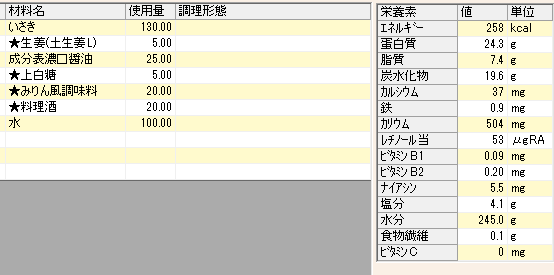
True to healthy Japanese cuisine, this dish is high in protein and very satisfying.
- Calories: 258 kcal
- Protein: 24.3 g
- Total Fat: 7.4 g
- Total Carbohydrates: 19.6 g
- Sodium: 4.1 g (Salt equivalent)
🛒 Ingredients (1 Serving)
- Chicken Grunt (Isaki): 1 whole fish (approx. 130g edible portion)
- Ginger: 5g (sliced)
- [ Simmering Sauce ☆ ]
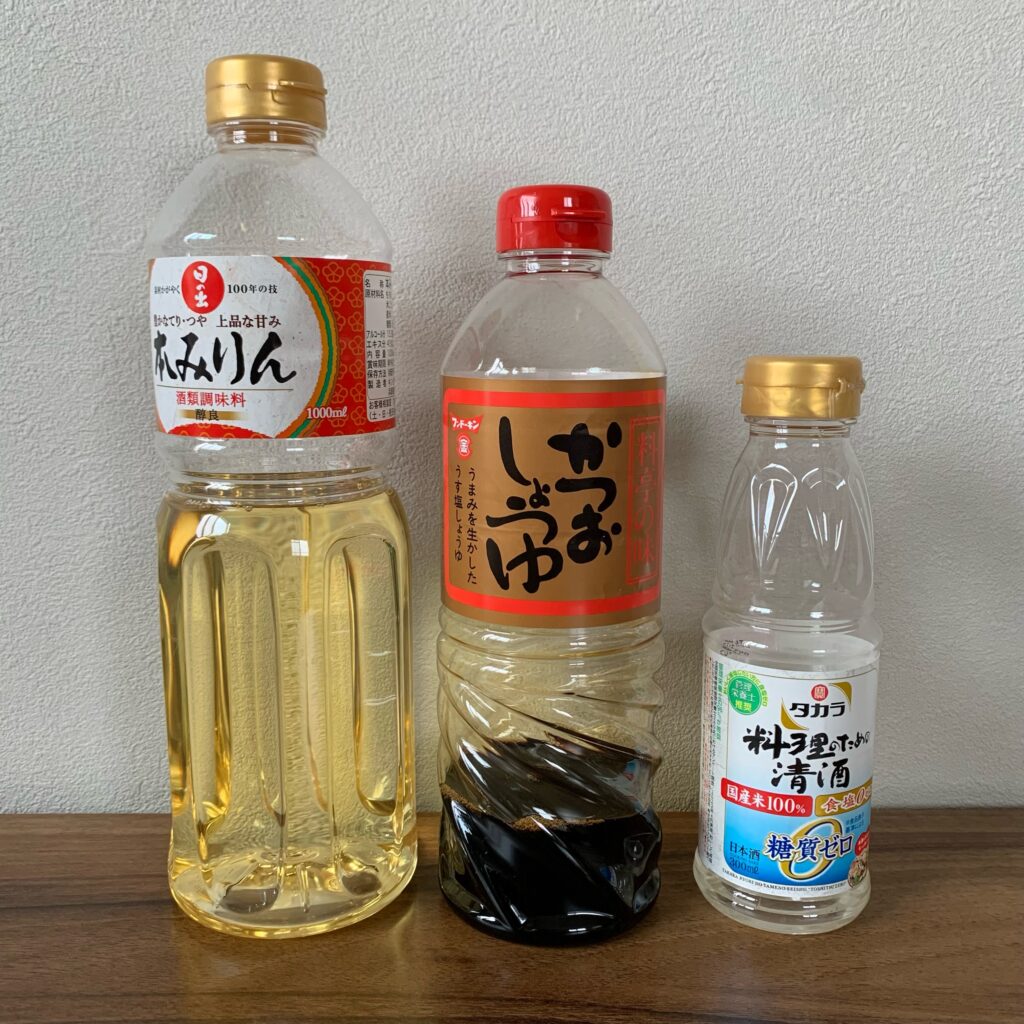
- Soy Sauce: 25g
- Sugar: 10g
- Mirin: 20g
- Sake: 20g
- Water: 100g
🍳 How to Make Simmered Chicken Grunt (Isaki no Nitsuke)
💡 In Japanese supermarkets, the staff at the fresh fish counter will usually scale and gut the fish for you for free. Don’t hesitate to ask!
- Prep the Fish: Ensure the scales and innards are removed. Wash and pat dry. Score a cross-shaped cut into the skin on one side. This prevents the skin from bursting and allows the flavors to penetrate easily.
- Boil the Sauce: Add the simmering sauce ingredients (☆ soy sauce, sugar, sake, mirin, water) and sliced ginger to a pot. Bring to a boil over high heat.
- Add the Fish: Place the Isaki into the boiling broth.
- Tip: Adding fish to boiling liquid instantly coagulates the surface proteins (heat denaturation), locking in the umami flavors.
- Drop-Lid (Otoshibuta): Reduce heat to medium and cover with a “drop-lid” (you can use a piece of aluminum foil cut to fit the inside of the pot).
- Tip: Do not flip the fish. The drop-lid allows the bubbling broth to circulate over the top, cooking it evenly without breaking the delicate flesh.
- Simmer: Cook for 7–8 minutes.
- Finishing Touches: Remove the lid. Use a spoon to pour the broth over the fish while simmering on low heat for a few more minutes to glaze the surface.
- Plating: Carefully transfer the fish to a plate. Continue to simmer the remaining sauce until it thickens slightly, then pour it over the fish.
🔓 Tips for the Perfect Nitsuke
- To “Shimofuri” or Not? In Japanese cooking, fish is sometimes blanched in hot water (a process called Shimofuri) before simmering to remove odors and prevent breaking. However, since white fish like Isaki has very little odor and holds its shape well when cooked whole, this recipe skips that step for simplicity.
- The Golden Rule: Short & Sweet The secret to great Nitsuke is cooking it quickly. Simmering for too long or using too much water will make the fish tough. By using the right amount of liquid and an Otoshibuta (drop-lid), you’ll achieve a plump, tender finish every time.
- Nitsuke is at the heart of Japanese culinary tradition. Explore more variations and detailed techniques here: 👉 Tips for making nitsuke (simmered fish)
📖Read the Japanese version of this article here! [旬を味わう!イサキの煮付けのレシピ]

コメント