🌿 The King of Spring: Asparagus
Few seasonal gifts are as prized as asparagus. While it requires patience—taking up to three years to harvest from seed—a single plant can reward you with a bounty for nearly ten years. Available at its peak from April to June, fresh asparagus offers a unique aroma and a “crisp-tender” texture that simply can’t be matched.
Pro Tip: How to Choose the Best Stalks
When shopping, look closely at the tips.
- The Winner: Tightly packed, firm tips are a sign of superior flavor and higher nutritional value.
- The Loser: Avoid “fluffy” or brush-like tips, as they tend to be less flavorful.
⚪️ Green vs. White: The Same Species?
Believe it or not, green and white asparagus are actually the same plant! The difference lies entirely in how they are grown:
| Type | Growing Method | Flavor & Nutrition |
| Green | Grown in direct sunlight. | A nutritional powerhouse packed with vitamins. |
| White | Grown underground (blanched). | Offers a delicate, mellow flavor and tender skin. |
🔥 Cooking for Maximum Health
While many in Japan enjoy asparagus boiled with a dollop of mayonnaise, you can unlock even more benefits by frying, grilling, or steaming.
Why skip the boil? Essential nutrients like Vitamin C and Rutin are water-soluble and heat-sensitive. A quick sear or light grill keeps these nutrients—and that signature crunch—perfectly intact.
✨ Nutritional Highlights
Asparagus is famous for being the original source where Aspartic Acid was first discovered! This amino acid is a champion for your body:
- Fatigue Recovery: It helps your body produce energy more efficiently.
- Detoxification: It supports the urea cycle, helping to flush toxins from your system.
- Circulation: The tips are especially rich in Rutin, an antioxidant that supports healthy blood flow and protects your cells.

Featured Asparagus Recipes
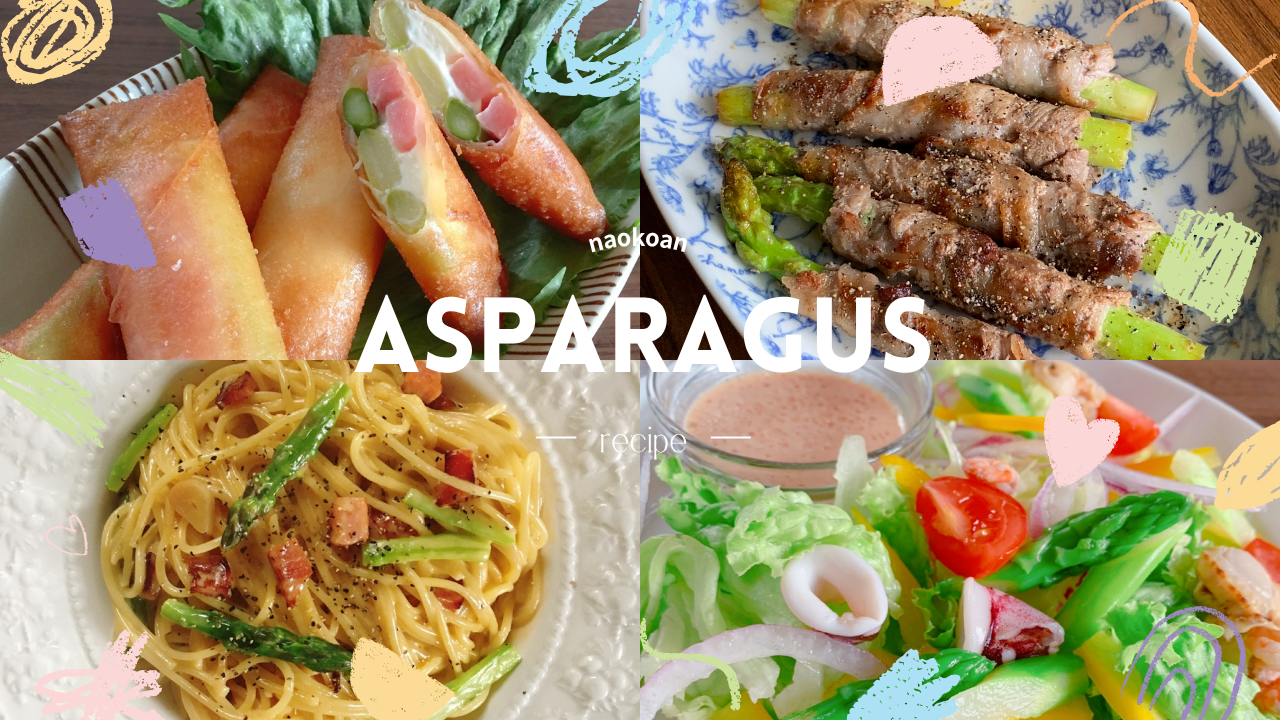
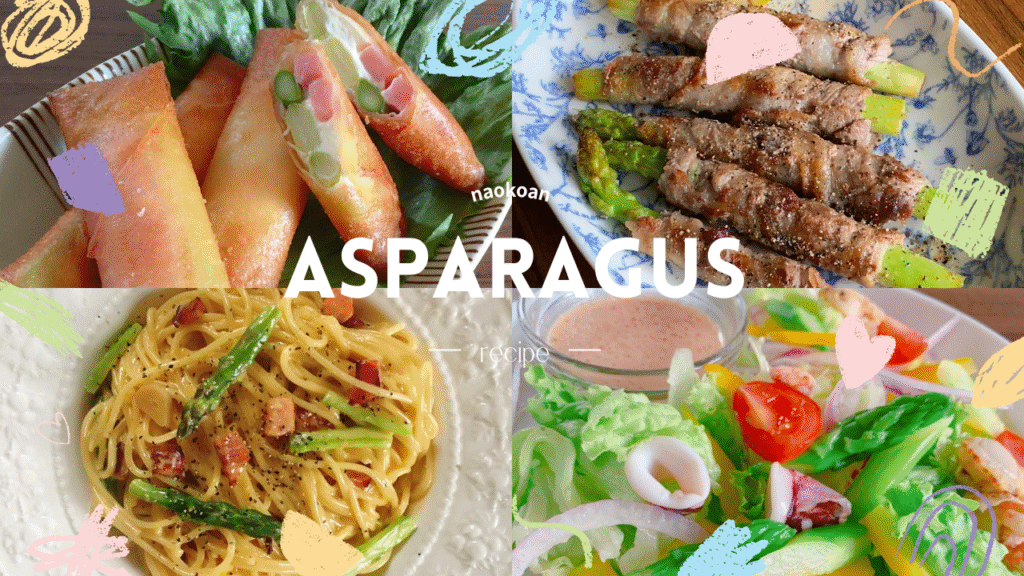
Looking for new ways to enjoy this seasonal gem? Explore these four delicious recipes, ranging from quick weeknight snacks to party-ready appetizers.
🥓 Asparagus Nikumaki (Pork Belly Wraps)
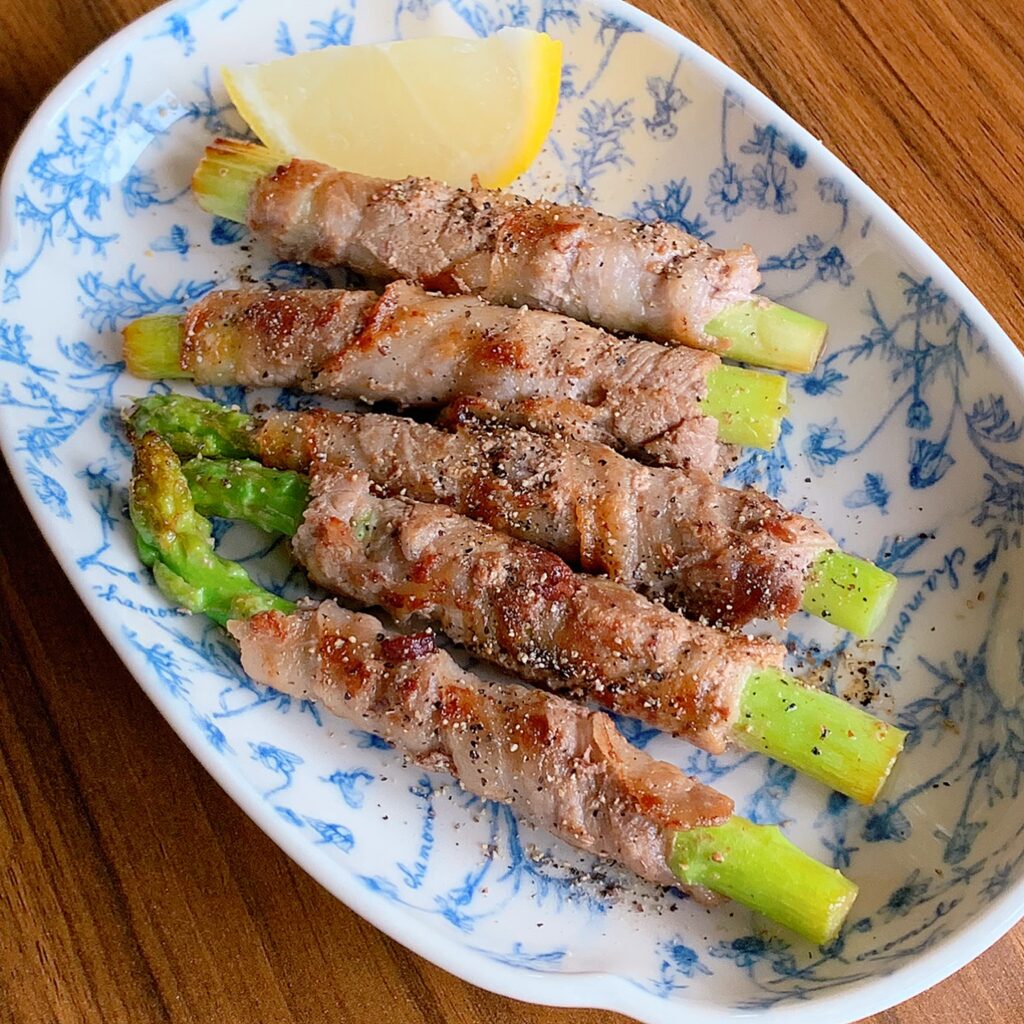
The ultimate “minimum effort, maximum flavor” dish. By wrapping succulent pork belly around fresh spears and roasting them in the oven, you get a savory, juicy bite every time. Prep takes only 5 minutes!
- Perfect for: Bento boxes, quick dinners, or a savory snack with a cold drink.
🧀 Cream Cheese Bacon Harumaki (Spring Rolls)
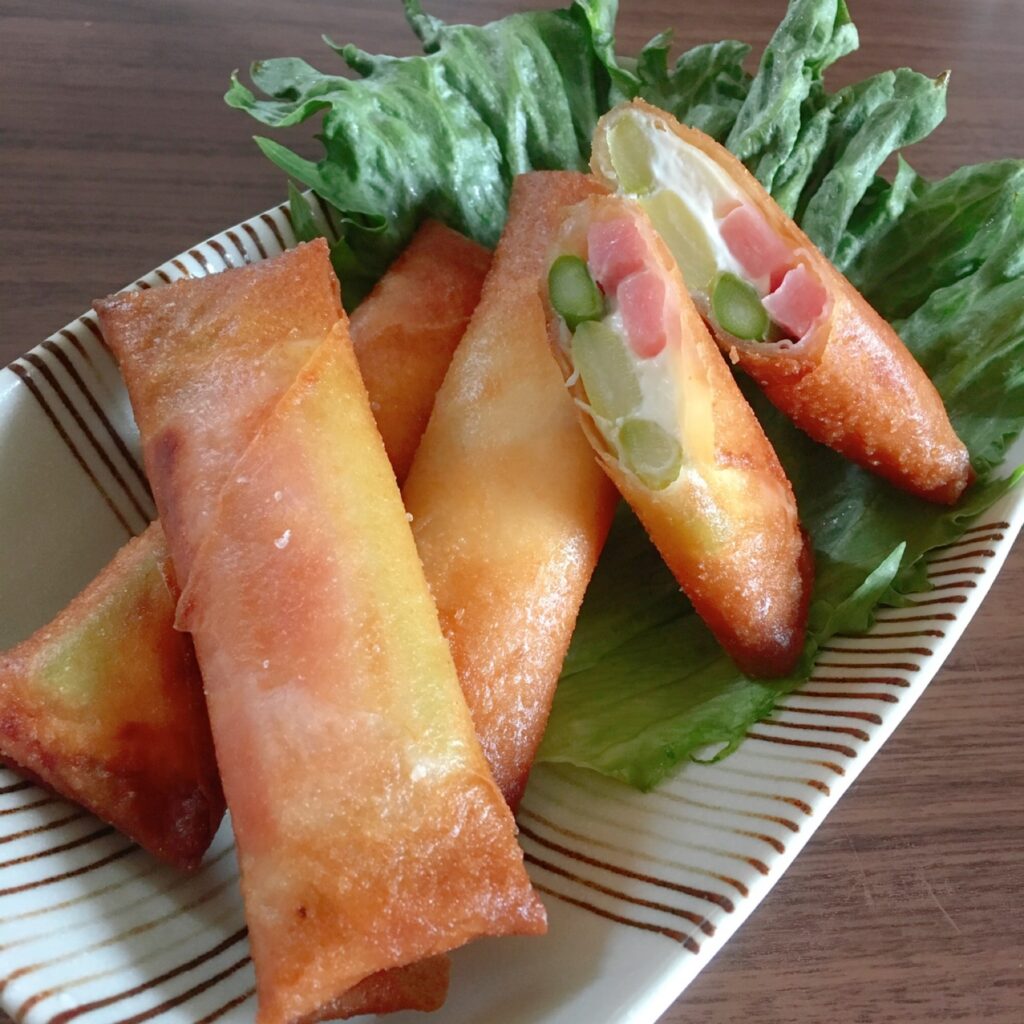
A modern, fusion twist on the classic Chinese dim sum. Instead of the traditional stir-fried filling, these spring rolls are stuffed with creamy cheese, salty bacon, and crisp asparagus.
- Why try it: It’s a colorful, crowd-pleasing appetizer that’s surprisingly easy to mass-produce for parties.
🍝 Easy Carbonara (The Sliced Cheese Hack!)
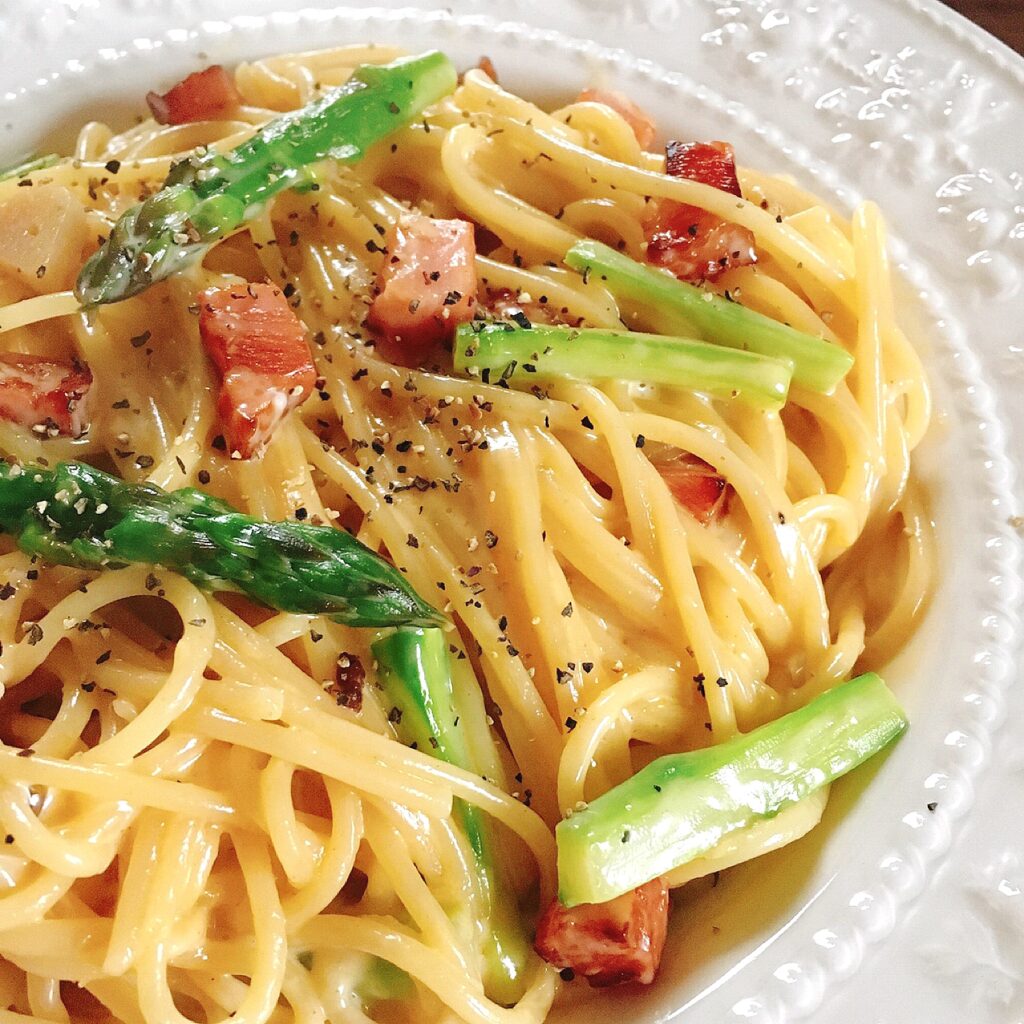
Craving Italian but short on fancy ingredients? This Japanese-style Carbonara uses standard sliced cheese (like Yukijirushi) to create a smooth, creamy sauce without the fuss.
- Pro-Tip: Use a mild, mozzarella-style sliced cheese for the perfect balance of flavor.
🥗 Seafood Salad With Thousand Island Dressing

Brighten up your table with this glamorous seafood and asparagus salad. I’ve included my personal recipe for Thousand Island dressing—it’s rich, tangy, and complements the sweetness of the peppers and seafood perfectly.
📖Related Link: Read the Japanese version of this article here! [春のアスパラガスを美味しく調理して楽しむ]
#アスパラガス #おうちごはん #今日のおかず #春の味覚 #asparagus #healthyrecipes



コメント