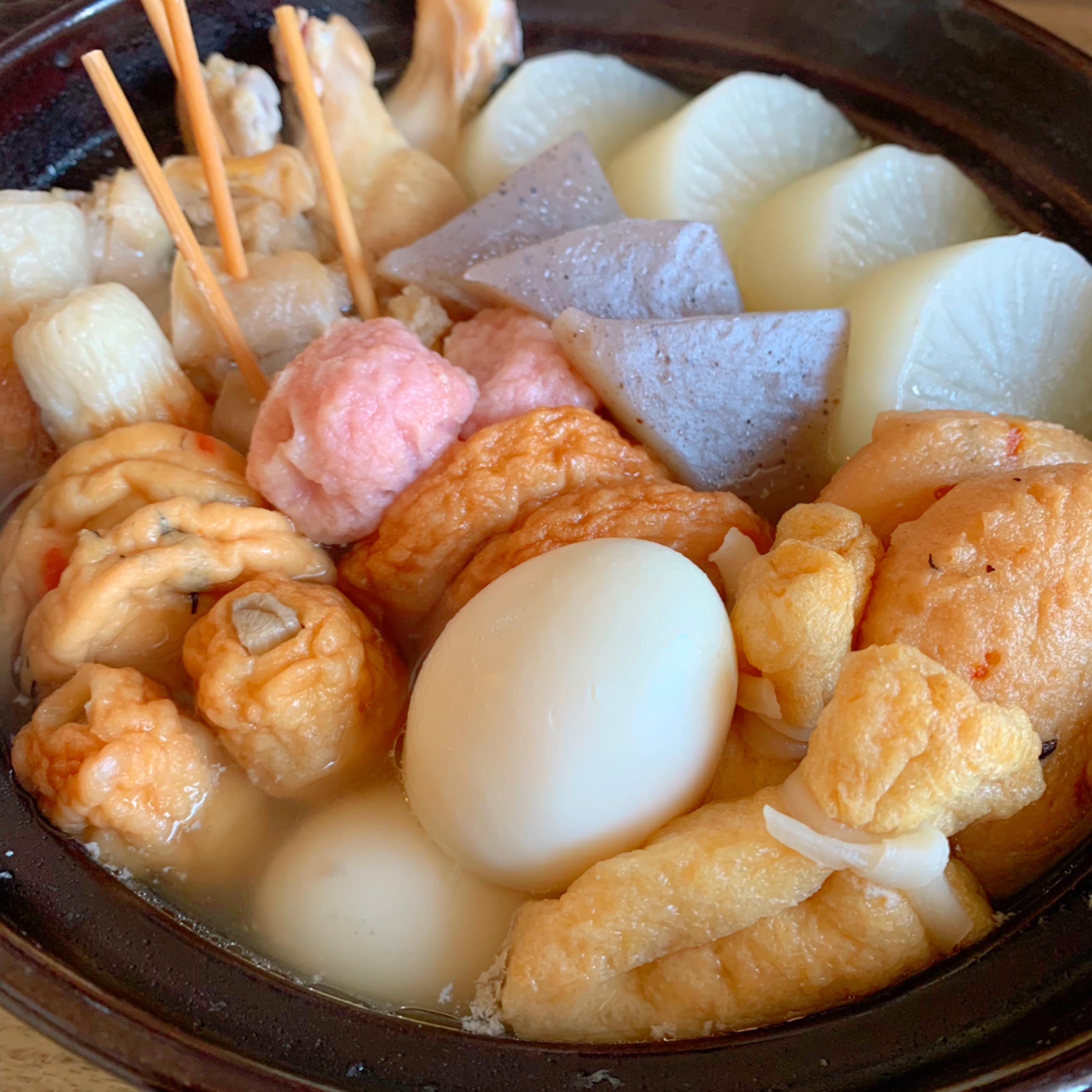
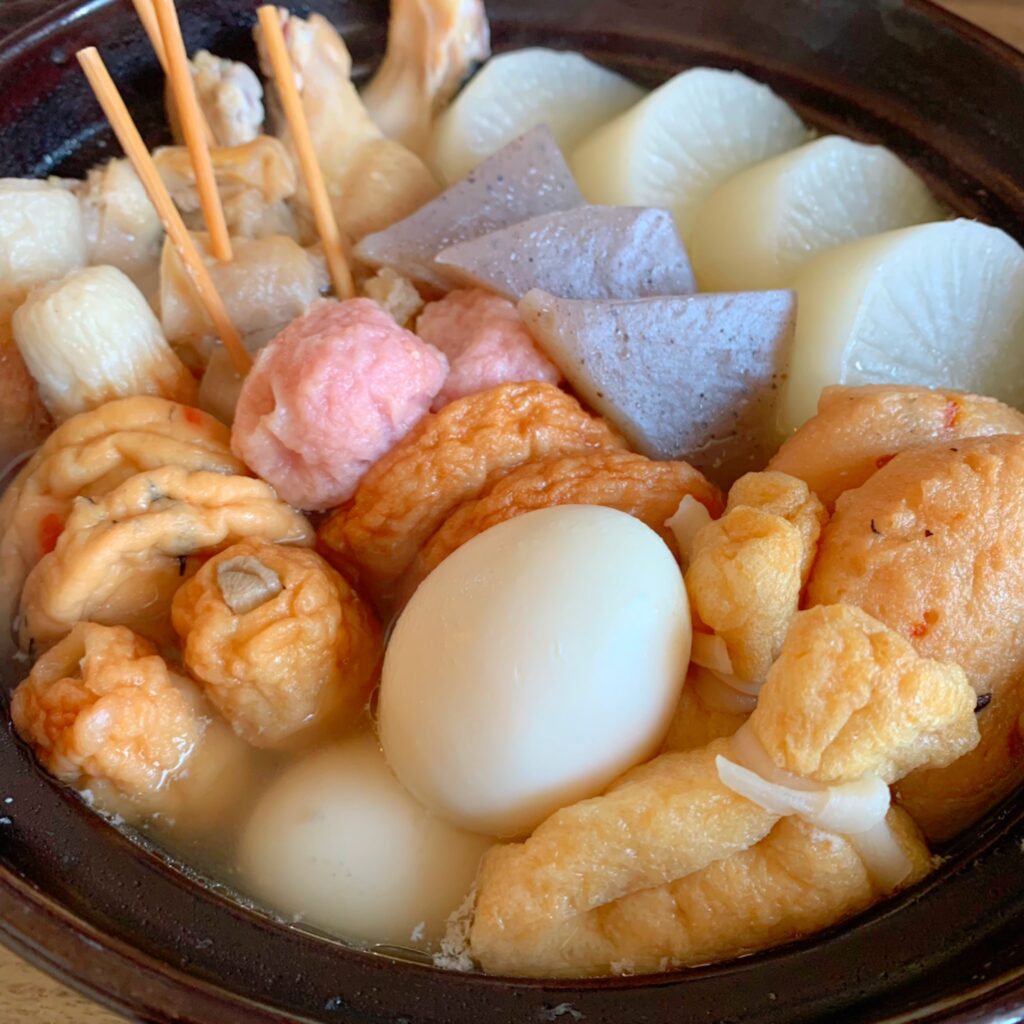
🍢 Only 4 Ingredients: Easy Oden Soup Recipe(おでんスープレシピ)
No More Guesswork! Master the Golden Ratio: Recreate Authentic Oden Every Time with a Dietitian’s 1.2% Salt Formula
Do you find yourself adding “a little bit of this and a dash of that” every time you make Oden, only to end up with a different taste each time? While Oden is a simple comfort food, its depth comes from a delicate balance of flavors.
As a Registered Dietitian, I believe that great cooking isn’t just about intuition—it’s about the “Golden Ratio.”
In this article, I will reveal the precise formula for the ultimate Oden soup. By maintaining a 1.2% salt concentration, you can unlock the maximum umami from your ingredients and recreate that professional, authentic taste in your own kitchen—every single time.
🥢What kind of dish is Oden??
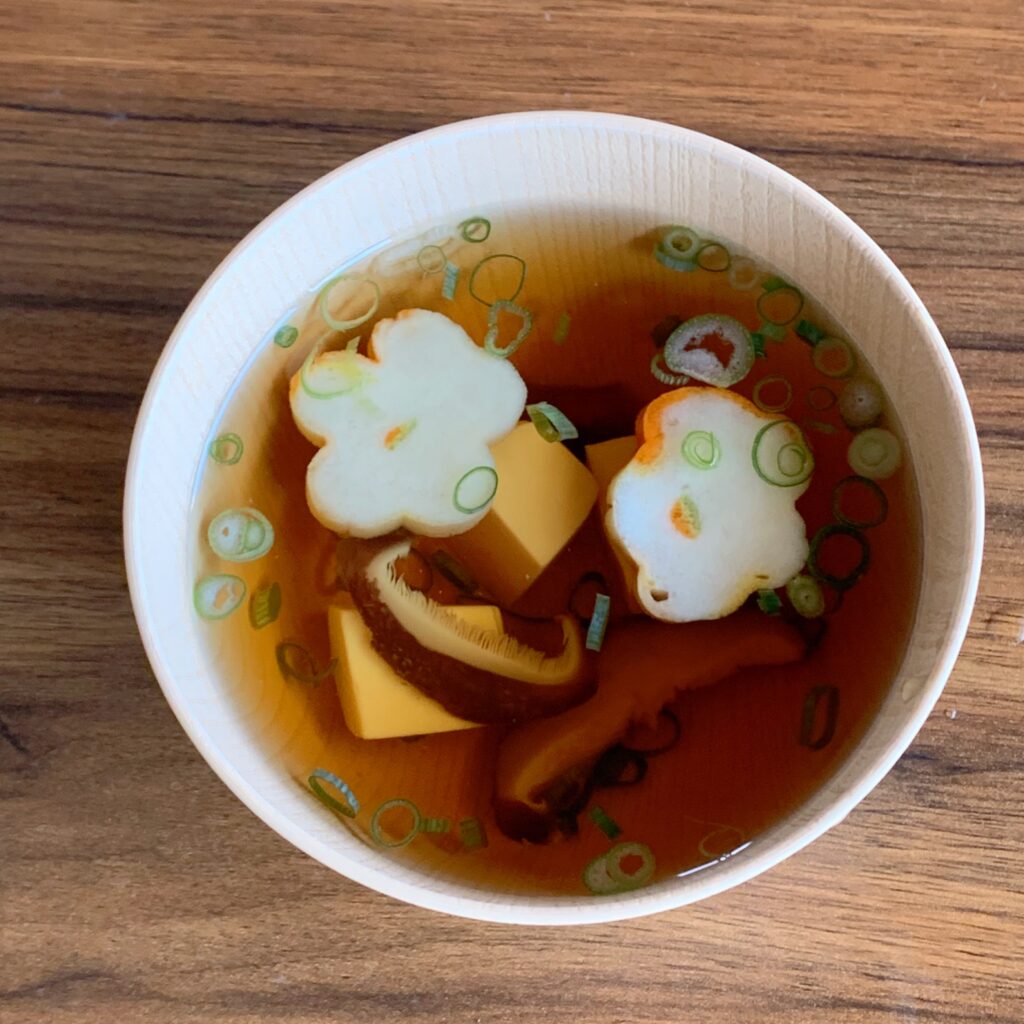
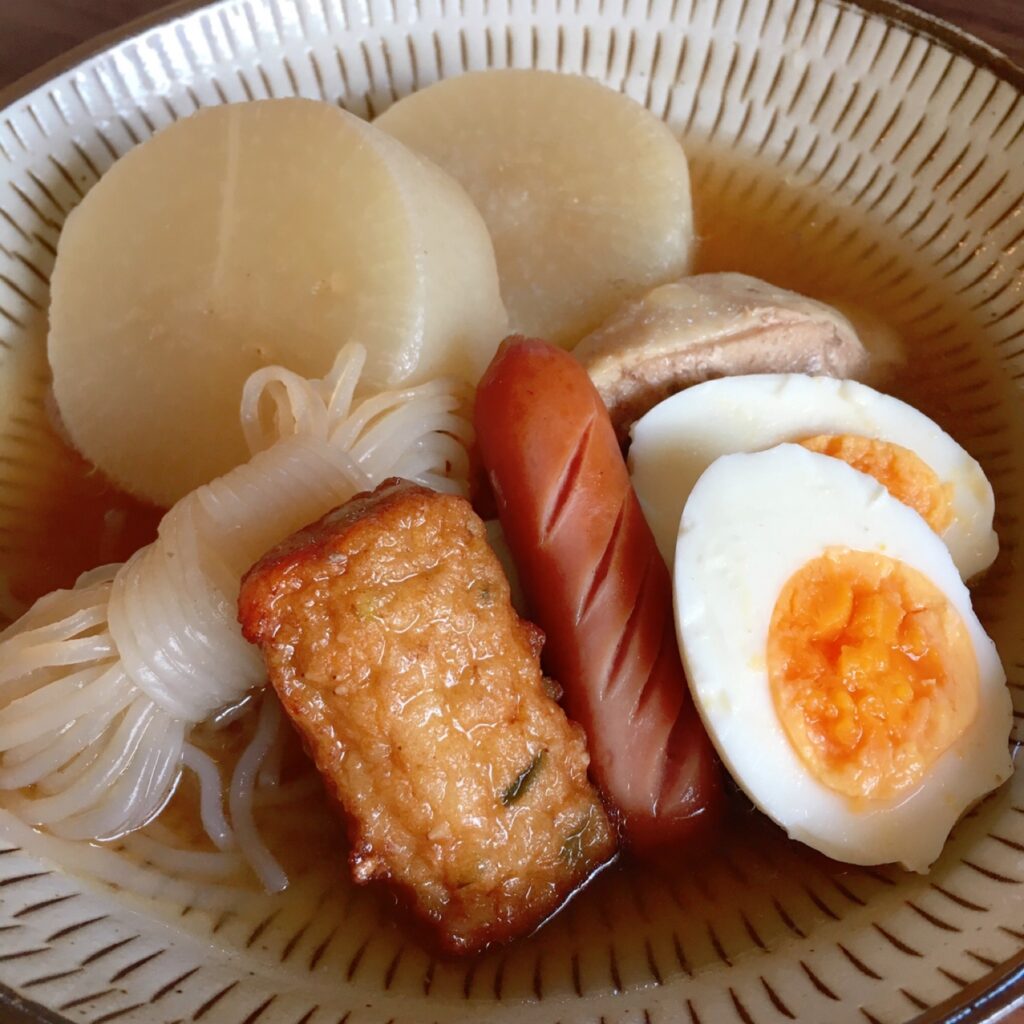
Oden is a profound and indispensable hot pot dish on Japanese dining tables. This richly flavored oden soup can be surprisingly easy to recreate and enjoy authentically in your own home.
For Japanese people, Oden is deeply cherished as a soul food. The steam rising from home dining tables, specialty shops, and the counter of convenience stores in winter is a familiar and beloved winter tradition.
On a bitterly cold winter day, hot oden is the ultimate luxury. With just one bite, its warmth and the gentle umami of the broth will slowly and thoroughly warm both your chilled heart and body to the core.
🍢 The Ultimate Oden Ingredients Guide
There are no absolute rules when it comes to oden ingredients. The beauty of this dish lies in the broth, which is perfected only when the individual essences of each ingredient simmer together and meld.
Because the aroma and flavor of the soup change significantly depending on what you put into the pot, every batch is unique. One of the greatest joys of oden is selecting your favorite items—such as chikuwa, satsuma-age, or hanpen—to create your very own original masterpiece.
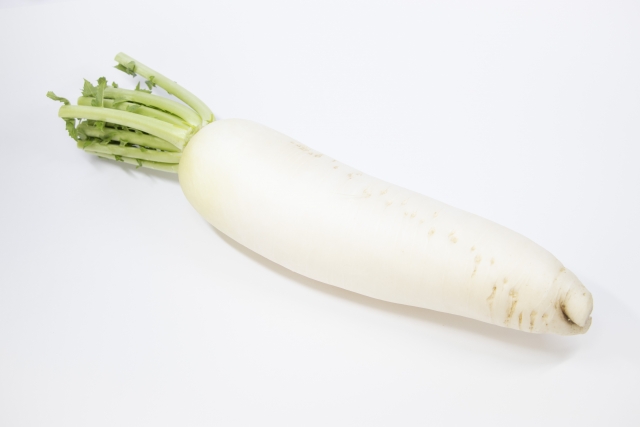
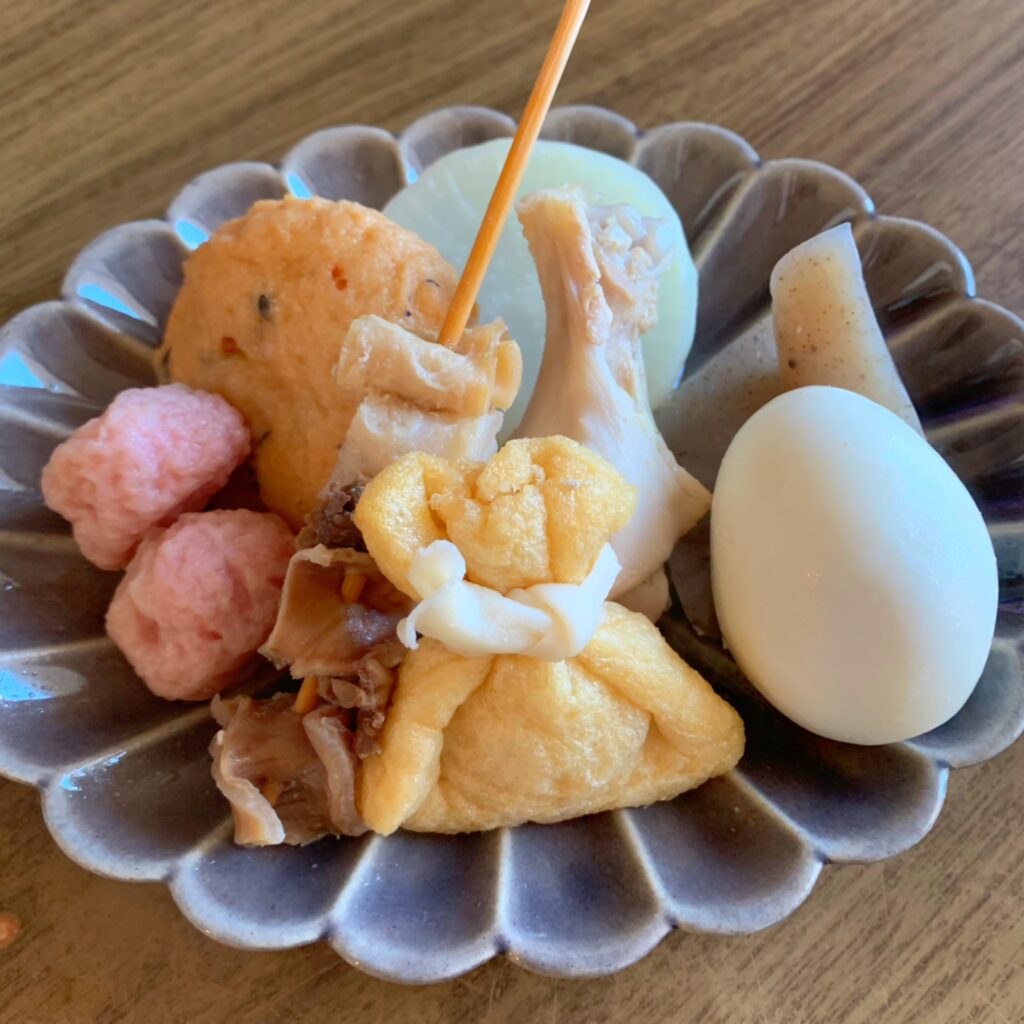
🥣 おでんの具材
| Ingredient | Description & Characteristics | The “Pro” Way to Enjoy |
| Daikon Radish | The King of Oden! Essential and beloved, it acts like a sponge for the broth. | Expect a burst of flavor with every bite as the captured broth releases. |
| Boiled Eggs | Hard-boiled eggs simmered until golden on the outside. | Connoisseur’s Tip: Dissolve a bit of the yolk into your soup to create a creamy, rich broth. |
| Mochi-iri Kinchaku | A sticky rice cake (mochi) nestled inside a fried tofu pocket. | Enjoy the divine contrast between the melting mochi and the savory, juice-filled tofu. |
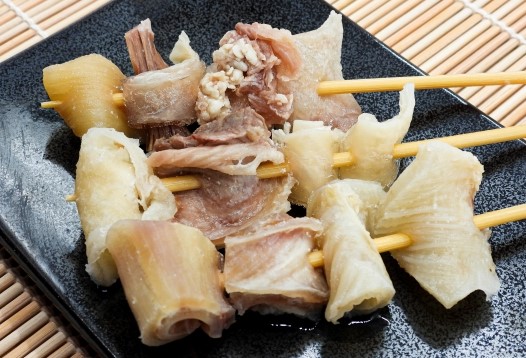
| Gyusuji (Beef Tendon) | Tough connective tissue that becomes soft and gelatinous through slow cooking. | It soaks up the deep umami of the broth, becoming wonderfully tender. |
| Chicken Wings | Wings cooked on the bone to maximize the depth of the soup. | The bones release collagen and rich flavor, creating a complex, layered taste when mixed with fish dashi. |
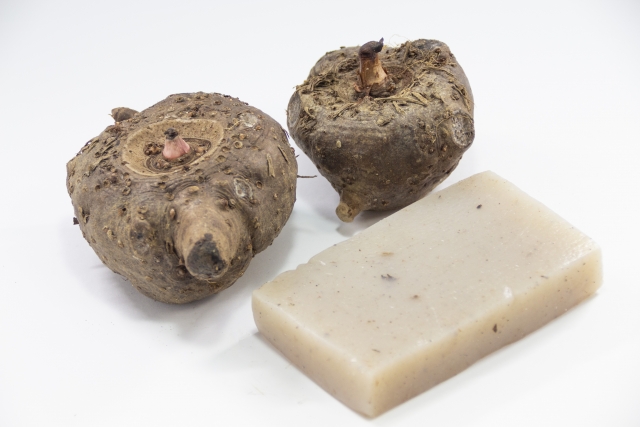
| Konnyaku (Konjac) | A healthy, jelly-like food made from konjac yam. | It is high in fiber and nearly zero calories, offering a unique, firm texture. |
| Shirataki | Konnyaku that is not shaped like a sheet but like threads is called shirataki. | Unlike the block-style konnyaku, shirataki consists of thin, bundled strands that trap and hold the broth between them, allowing you to enjoy the flavor of the soup in every bite. |
| Nerimono | A general term for fish cakes like Chikuwa, Satsuma-age, and Hanpen. | Each variety offers a different texture, from chewy to marshmallow-soft (Hanpen). |
| Ganmo | A fried tofu fritter mixed with finely chopped vegetables. | These are remarkably juicy as they hold a massive amount of soup inside. |
| Atsu-age | Thick blocks of deep-fried tofu. | Provides a satisfying bite with a crispy exterior and a moist, soft interior. |
| Musubi Konbu | Tied ribbons of kelp (seaweed). | Beyond being a delicious snack, they are essential for adding natural umami to the entire pot. |
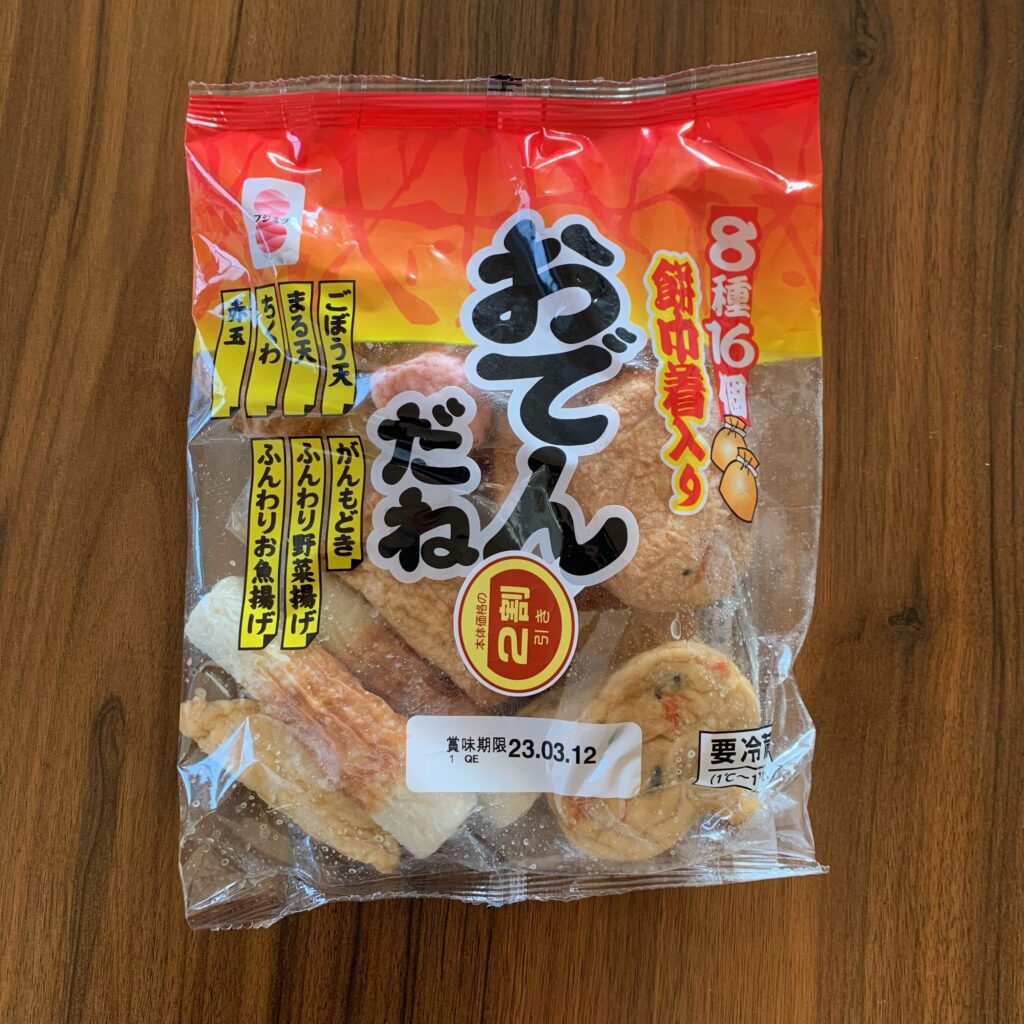
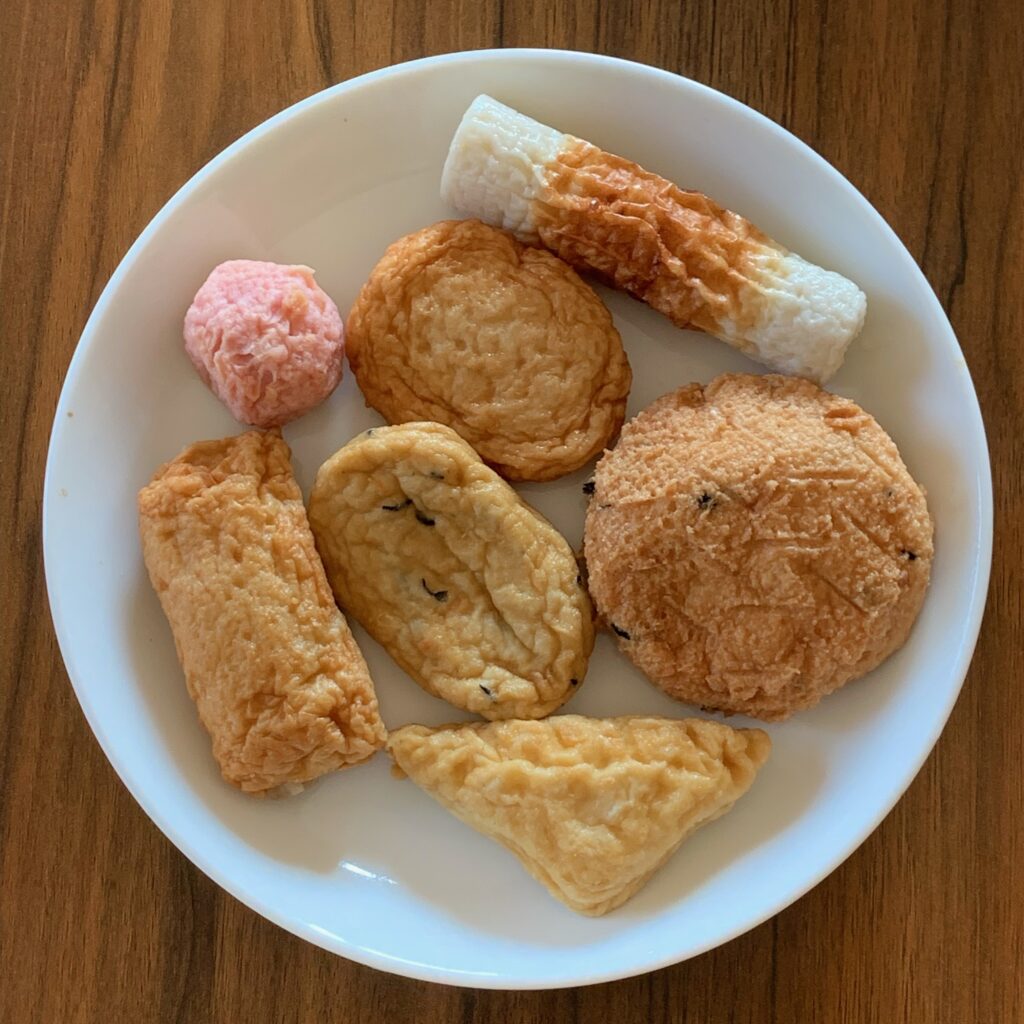
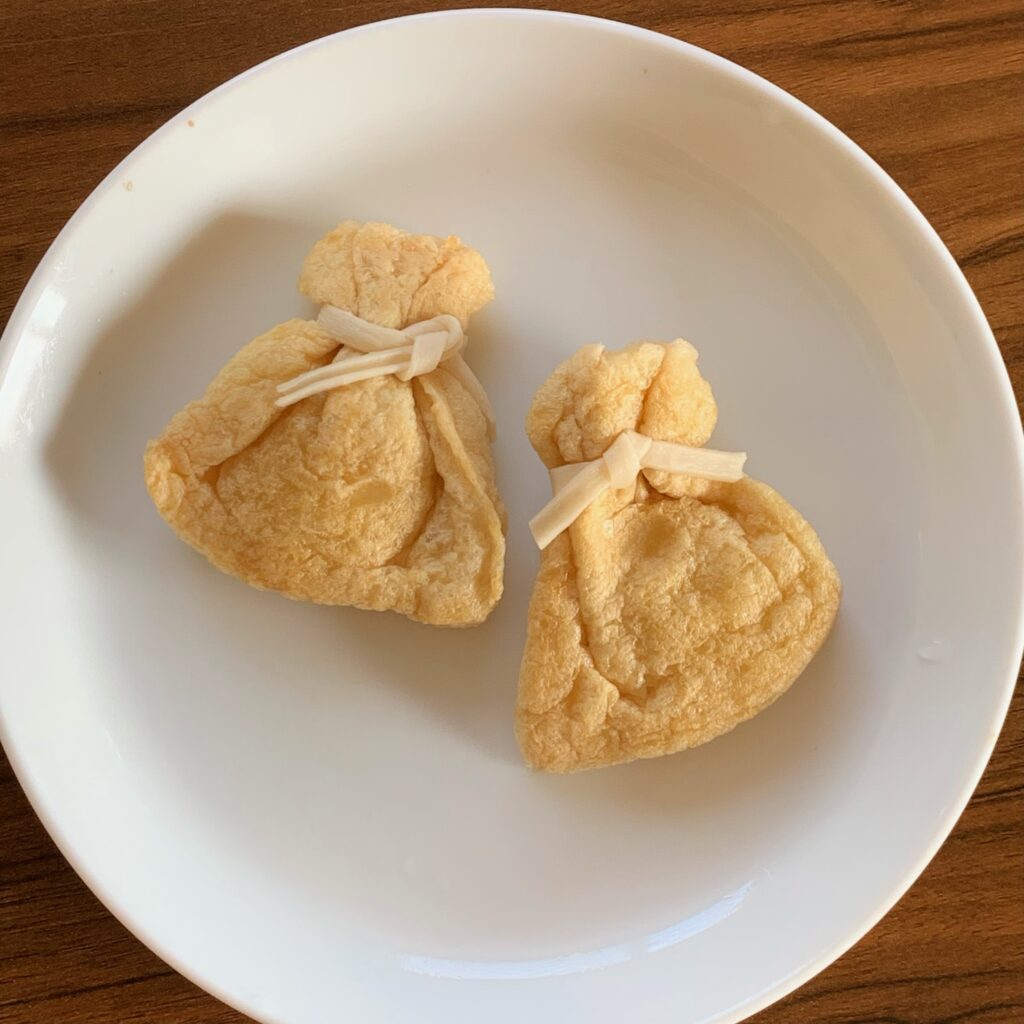
Memo📋: Oden uses many different ingredients. Because of this, you can buy convenient pre-packed sets at supermarkets in Japan that include items like fish cakes, Mochi-iri Kinchaku (mochi-filled tofu pouches), konnyaku, and boiled eggs.
🥣What is Japanese oden soup made of ?
Oden soup only requires four ingredients: The secret to professional flavor lies in the calculation.
- Hondashi (dashi stock granules) (5g): 2.0g salt
- Soy Sauce (15g): 2.4g salt
- Salt (4g): 4.0g salt
- Water: 700ml
Calculation🧮:
(2.0g + 2.4g + 4.0g) ÷700ml × 100 = 1.2%
Dietitian’s Tip:
To achieve the perfect, professional taste every time, I calculated the salt content for this recipe. The ideal salt concentration for oden soup is 1.1% to 1.3%. Since different types of dashi contain varying amounts of salt, always adjust by tasting.
Dashi Comparison Table
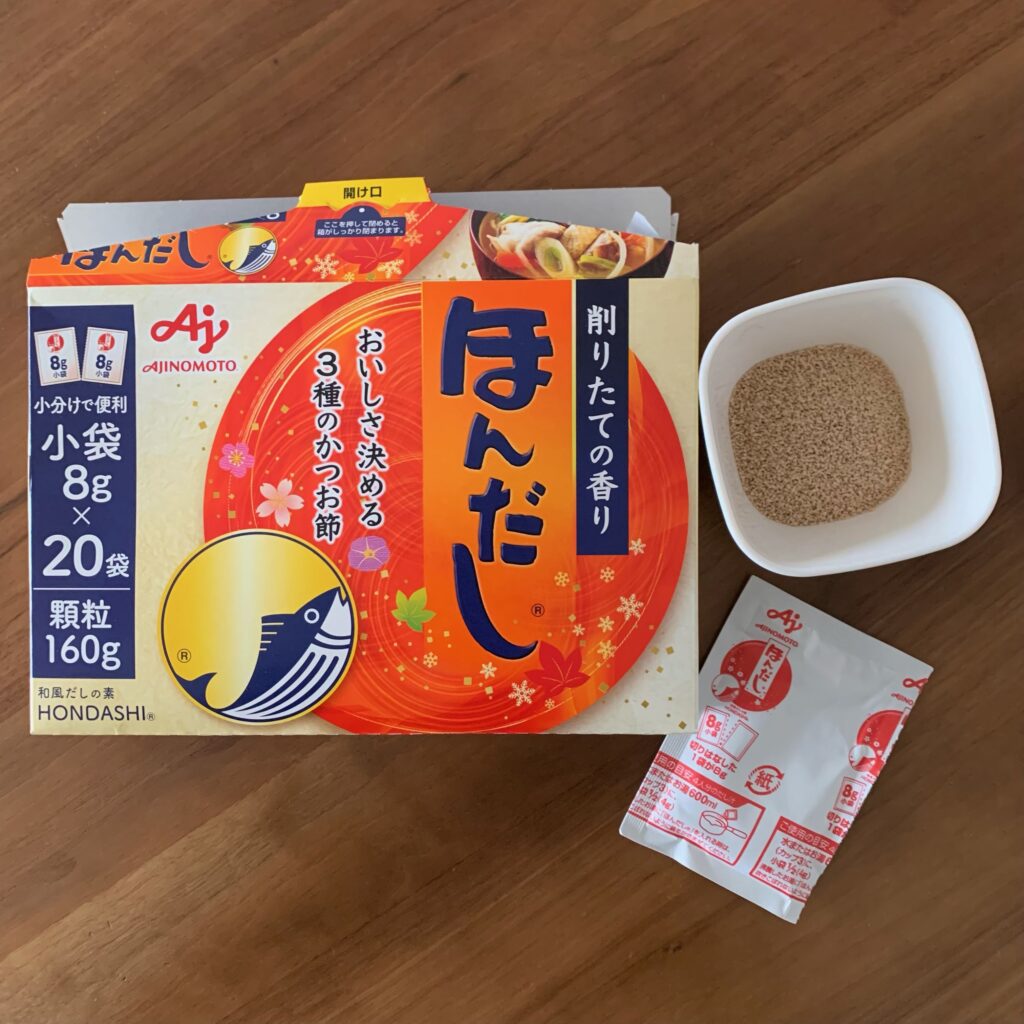
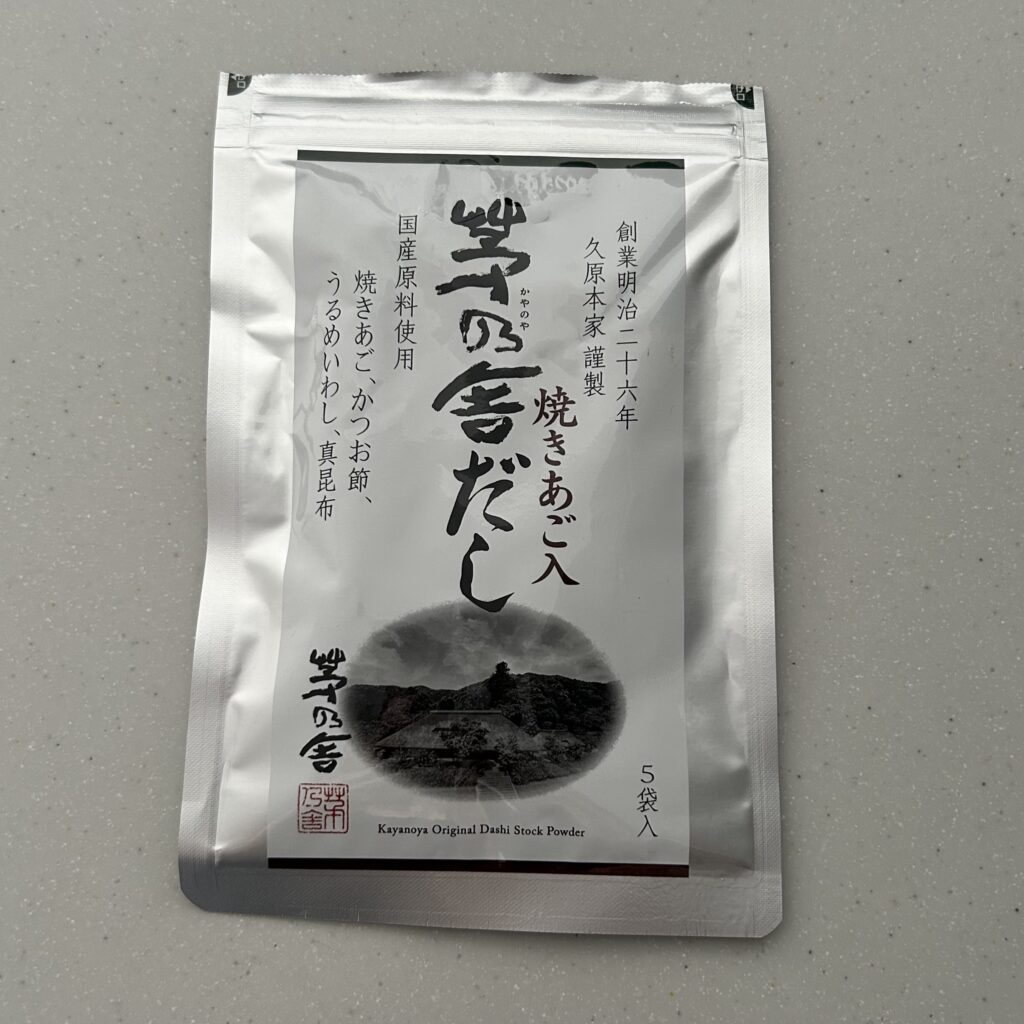
| Dashi Type | Hondashi | Kayanoya | Homemade Dashi |
| Format & Ingredients | Granulated seasoning made from bonito, dried sardines, kelp, etc. | A tea bag containing powder made from crushed bonito flakes or other ingredients. It’s a slightly premium dashi. | It uses bonito flakes, shiitake mushrooms, and kelp (kombu). |
| Usage Guide | 5g in 700ml water | 16g (2 packs) in 700ml water | 20g kelp and 40g bonito flakes in 700ml water |
| Calories | 12 kcal | 50 kcal | 14 kcal |
| Protein | 1.35 g | 4.9 g | 2.1 g |
| Fat | 0 – 0.05 g | 0.46 g | 0 g |
| Carbohydrates | 1.5 g | 6.62 g | 2.1 g |
| Salt Equivalent | 2.0 g | 2.12 g | 0.7 g |
📊NUTRITION FACTS : Oden
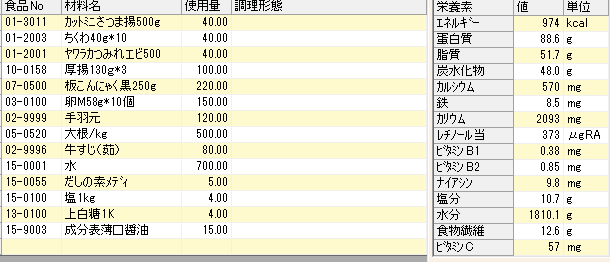
TOTAL NUTRITION VALUE (Serves 3)
- 974 Calories
- Protein 88.6 g
- Total Fat 51.7 g
- Total Carbohydrates 48.0 g
- Sodium 10.7 g (Note: The soup has a salt concentration of 1.2%)
🍲 INGREDIENTS (Serves 3) : Oden
Main Mix:
- Nerimono (Fish cakes: chikuwa, gobouten, satsumaage, etc.): 120g
- Atsuage or Ganmo (Deep-fried tofu): 100g
- Konjac: 220g
- Eggs: 3
- Mochi-iri Kinchaku: 2 pieces
Pressure Cooker Ingredients (☆):
- Chicken wings: 200g
- Japanese Daikon: 500g (Cut into 3cm thick rounds, about 90 g pieces)
- Gyusuji (Pre-boiled beef tendon): 80g
- Water: 500ml–700ml
Seasonings (♪):
- Hondashi : 5g (or 2 packets/16g of Kayanoya Dashi)
- Salt: 4g
- Sugar: 4g
- Light Soy Sauce: 15g
🔪How to make Japanese Oden
Step 1: Preparation (This is the key point!)
- Prep the Fish Cakes: Place the fish cakes and deep-fried tofu in a bowl, cover with boiling water for 2 minutes, then drain. This “oil removal” (Abura-nuki) allows the broth to penetrate better and keeps the oden soup from becoming greasy.
- Prep the Konjac: Boil the konjac for 1 minute to remove its distinct earthy odor (Aku-nuki). Score the surface in a lattice pattern to help it absorb the flavors.
- Prep the Eggs: Boil for 9 minutes, cool in cold water, and peel.
- Prep the Chicken: Place chicken wings in boiling water. Remove when the surface turns white. This extra step ensures a clear, elegant soup without compromising the rich chicken flavor
- Pressure Cook: Place the chicken, daikon, beef tendon, and water in a pressure cooker. Cook under pressure for 7 minutes, then allow the pressure to release naturally. If bubbles (lye) appear on the surface, skim them off and discard. Daikon radish and beef tendon take a long time to cook, but using a pressure cooker can significantly reduce this time.
Step 2: Simmering for Perfection
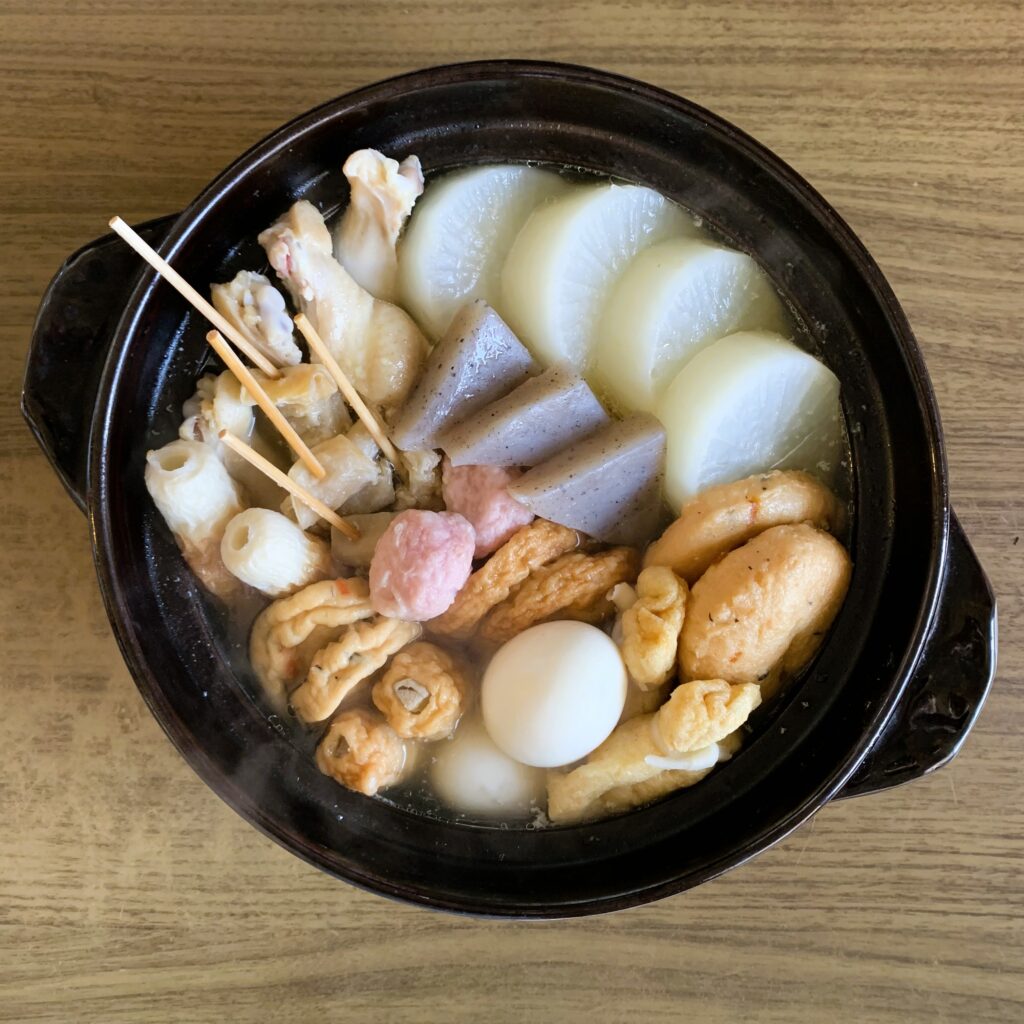
- Setting: Transfer the cooked chicken, daikon, and beef tendon into a clay pot (Donabe). Add the fish cakes, tsuage, konjac, and eggs.
- Seasoning: Mix the hondashi, salt, sugar, light soy sauce, and water and pour into a clay pot. This clay pot has a diameter of about 25cm. If you are cooking a hot pot for 3 people, this size of clay pot is just right.
- Simmer: Keep the heat at medium. Avoid a rolling boil, as this will make the dashi cloudy. Simmer gently for about 40 minutes.
- Final Touch: Add the Mochi-iri Kinchaku just before serving. If boiled too long, the mochi will melt and leak out.
💡Pro Tip: Oden tastes even better the next day!
Letting it sit allows the flavors to deepen and reach the center of every ingredient.

📖 Related Link: Check out the Japanese version of this article here! [材料4つだけの簡単自家製おでんスープ]
#牛すじ #牛すじ煮込み #コラーゲン #おつまみ #圧力鍋 #BeefTendon #SlowCooked #JapaneseFood #Umami
コメント