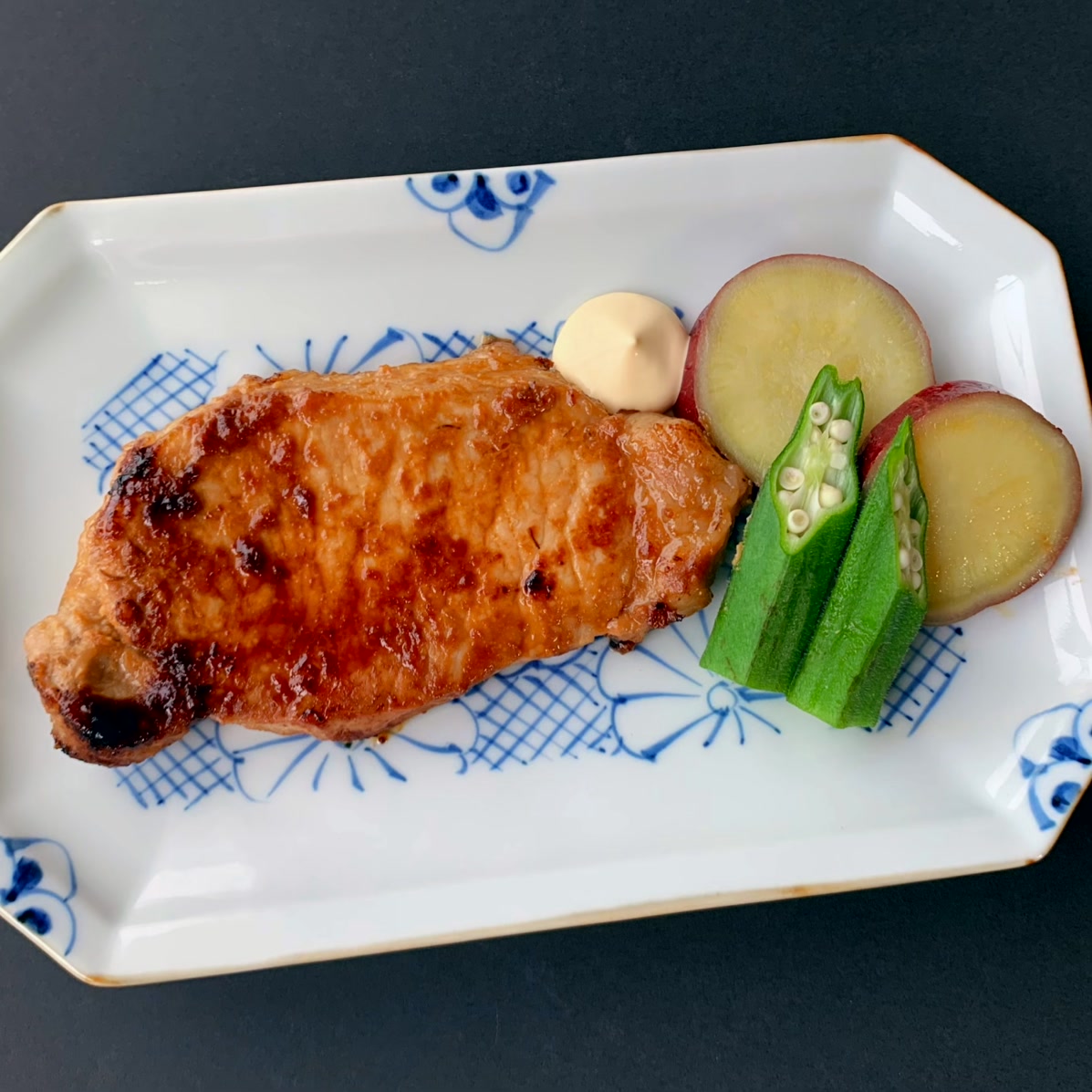
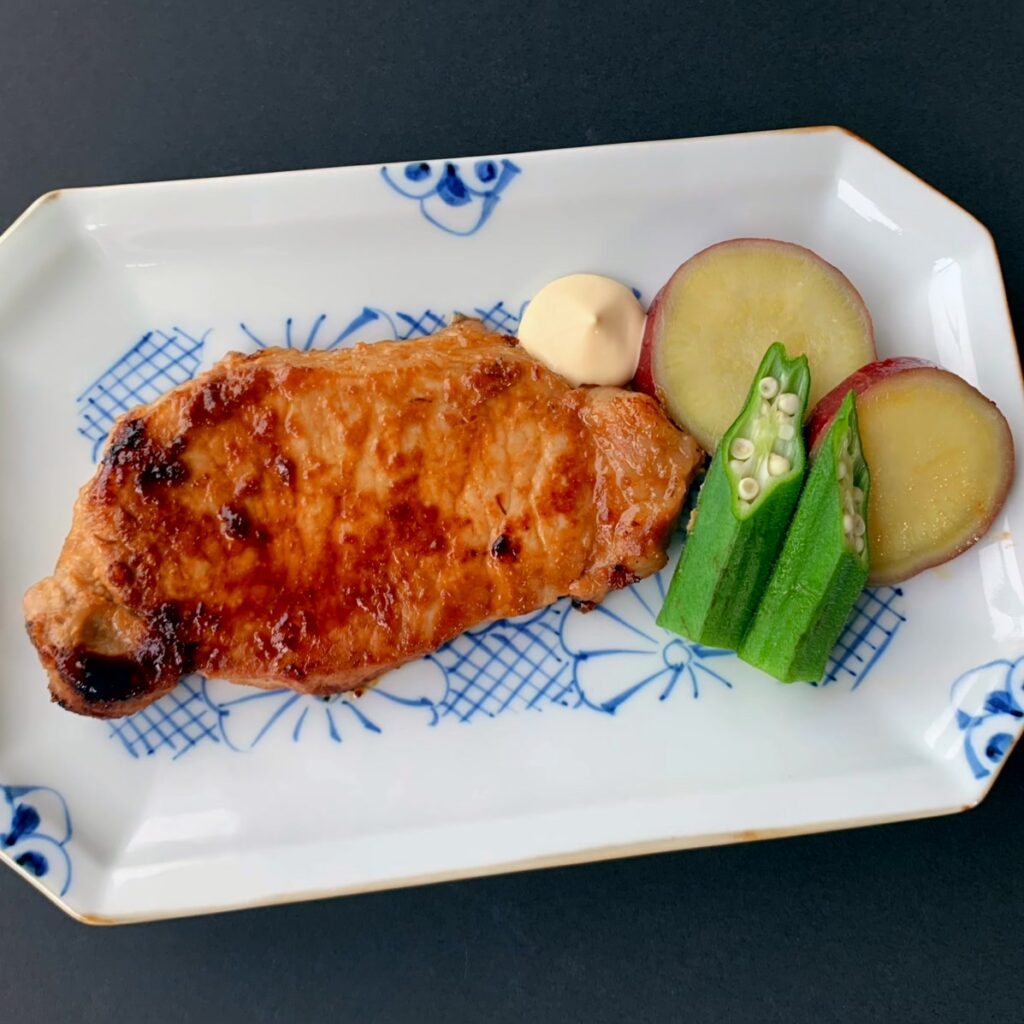
Butaniku Misozuke Yaki(豚肉のみそ漬け焼き)
The Ultimate Japanese Umami Dinner
This classic Japanese home-style dish, Butaniku Misozuke Yaki, features tender pork loin marinated in a savory-sweet miso sauce. The fermentation in the miso not only adds a deep, complex flavor but also acts as a natural tenderizer. When seared, the miso caramelizes into a fragrant, golden crust that makes it irresistibly appetizing!
Why You’ll Love This Recipe
- Umami-Rich: Red miso provides a bold, earthy flavor.
- Meal-Prep Friendly: Marinate it in advance and cook it in under 10 minutes.
- Versatile: Perfect for dinner with rice or cold in a Bento box/sandwich.
🛒Ingredients (Serves 2) : Butaniku Misozuke Yaki
- Pork: 2 pieces of Pork Loin (approx. 200g total).
- The Miso Marinade (The “☆” Sauce):
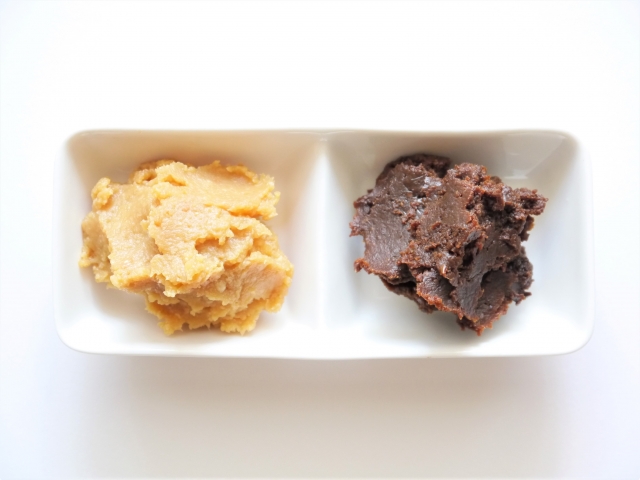
- 20g Red Miso (or Awase/Mixed Miso for a milder taste)
- For a deeper dive into the different types of miso, check out this post: Japanese traditional seasoning miso
- 2g Sugar
- 6g Mirin (Japanese sweet rice wine)
- 5g Sake (or dry white wine/sherry as a substitute)
- 3g Soy Sauce
- 1g Grated Garlic (approx. 1 small clove)
- 1g Grated Ginger
- 20g Red Miso (or Awase/Mixed Miso for a milder taste)
Pork Choice: Loin vs. Tenderloin
- For a Hot Meal: Pork loin is juicy and flavorful with its fat cap.
- For Bento or Meal Prep: Use Pork Tenderloin (pork fillet) if you plan to eat the dish cold.
- Pro-Tip: Fat from the pork loin tends to harden and become greasy once cooled. Choosing a leaner cut like tenderloin ensures the meat remains tender and delicious even at room temperature, making it the perfect filling for a Bento box or Onigirazu (rice sandwich)!
🔪Step-by-Step Instructions : Butaniku Misozuke Yaki
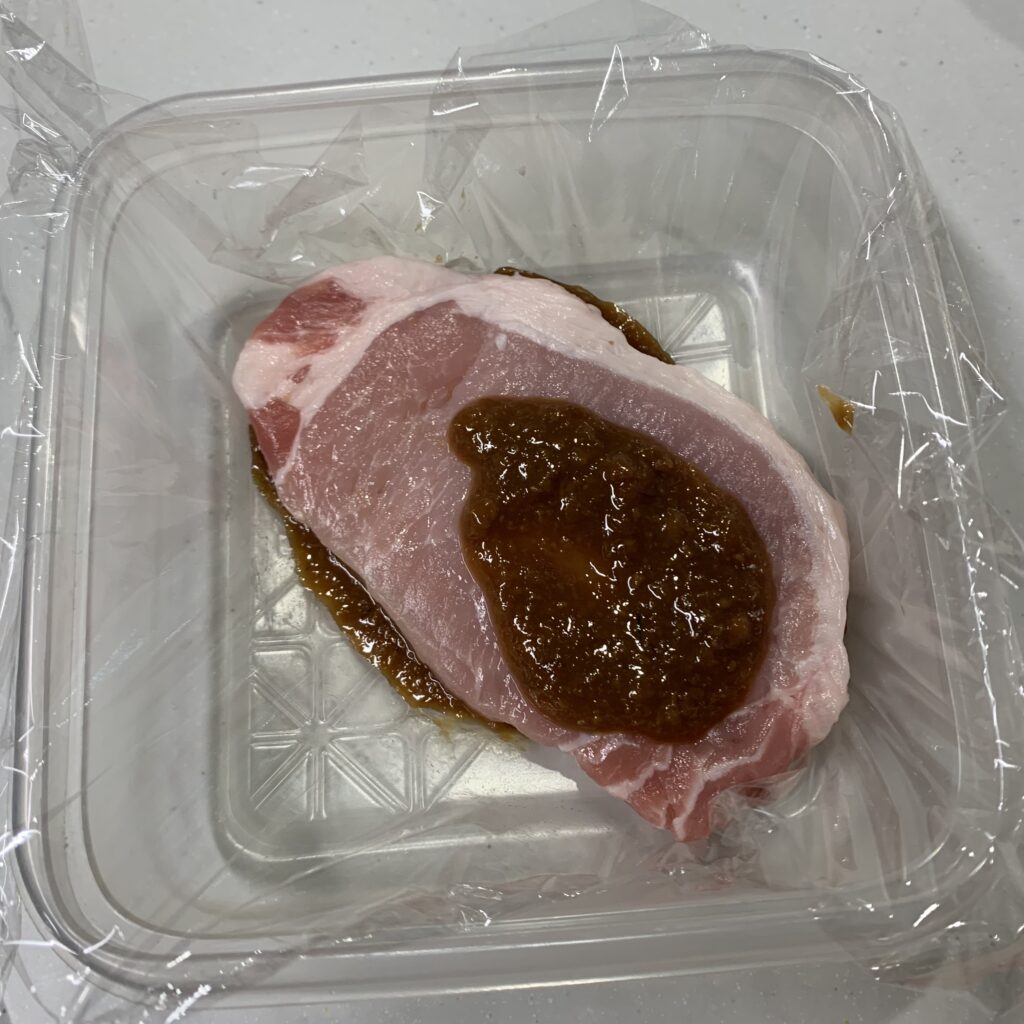
- 1. Prep the Meat
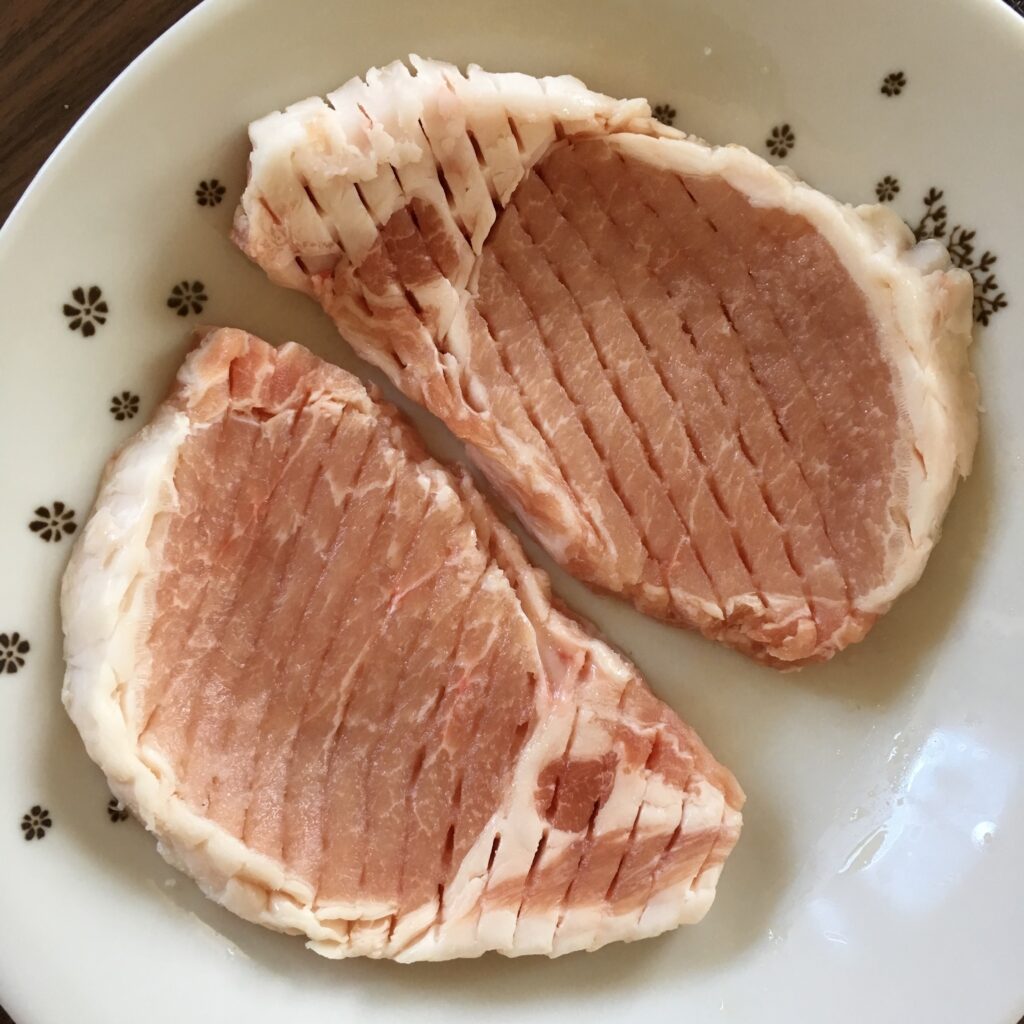
- Make small shallow cuts into the edges of the pork loin. This prevents the meat from “curling” or shrinking when it hits the hot pan.
- 2. Mix the “Umami” Marinade
- In a small bowl, whisk together the miso, sugar, mirin, soy sauce, garlic, and ginger.
- The Secret to the Perfect Texture: Add the sake gradually, stirring as you go.
- Target Consistency: You are aiming for a smooth, spreadable paste, similar to mayonnaise. Adjust the amount of sake slightly if needed to reach this thickness—this ensures the marinade clings perfectly to the meat without being too runny.
- 3. The “Wrap & Infuse” Method
- Lay a piece of plastic wrap in a container.
- Spread half of the miso sauce on the wrap, place the pork on top, and cover with the remaining sauce.
- Fold the wrap tightly around the meat. This ensures every inch of the pork is in contact with the marinade, even with a small amount of sauce.
- 4. Marinate (Adjust to your schedule!)
- Refrigerate for anywhere from 2 hours up to 2 days.
- “Feel free to adjust the marinating time to suit your schedule. While a longer soak allows the savory miso flavors to penetrate deeper into the meat, it will still turn out delicious even after just 2 hours.”
- 5. The Perfect Sear
- Crucial Step: Remove the meat from the fridge 30 minutes before cooking to bring it to room temperature.
- Wipe it off: Use a paper towel or spoon to roughly remove the excess miso from the surface. If there is too much sauce left on the meat, it will burn before the pork is cooked through.
- Cook: Heat a frying pan over medium heat (no extra oil needed if the pork has fat). Grill for 3 minutes per side.
- Tip: Try not to move the meat too much to get a nice golden-brown crust.
💡Pro-Tips for Success
- Don’t Burn It: Miso contains sugar and burns easily. Keep the heat at medium and watch closely.
- Thick Cuts: If your pork is thicker than 1cm, put a lid on the pan for 1-2 minutes after flipping to ensure it’s cooked through.
- The Fat Trick: If the meat releases a lot of fat, dab it with a paper towel during cooking for a cleaner, crisper finish.
How to Serve & Variations
Classic Teishoku Style
Pair this savory pork with:
- Steamed Japanese Rice
- Shredded Cabbage (The crunch balances the rich miso flavor)
- Miso Soup & Pickles for a full “Teishoku” (set meal) experience.
Delicious Variations & Bento Ideas
- Alternative Proteins: You can also use chicken thigh for a juicy Misozuke Yaki.
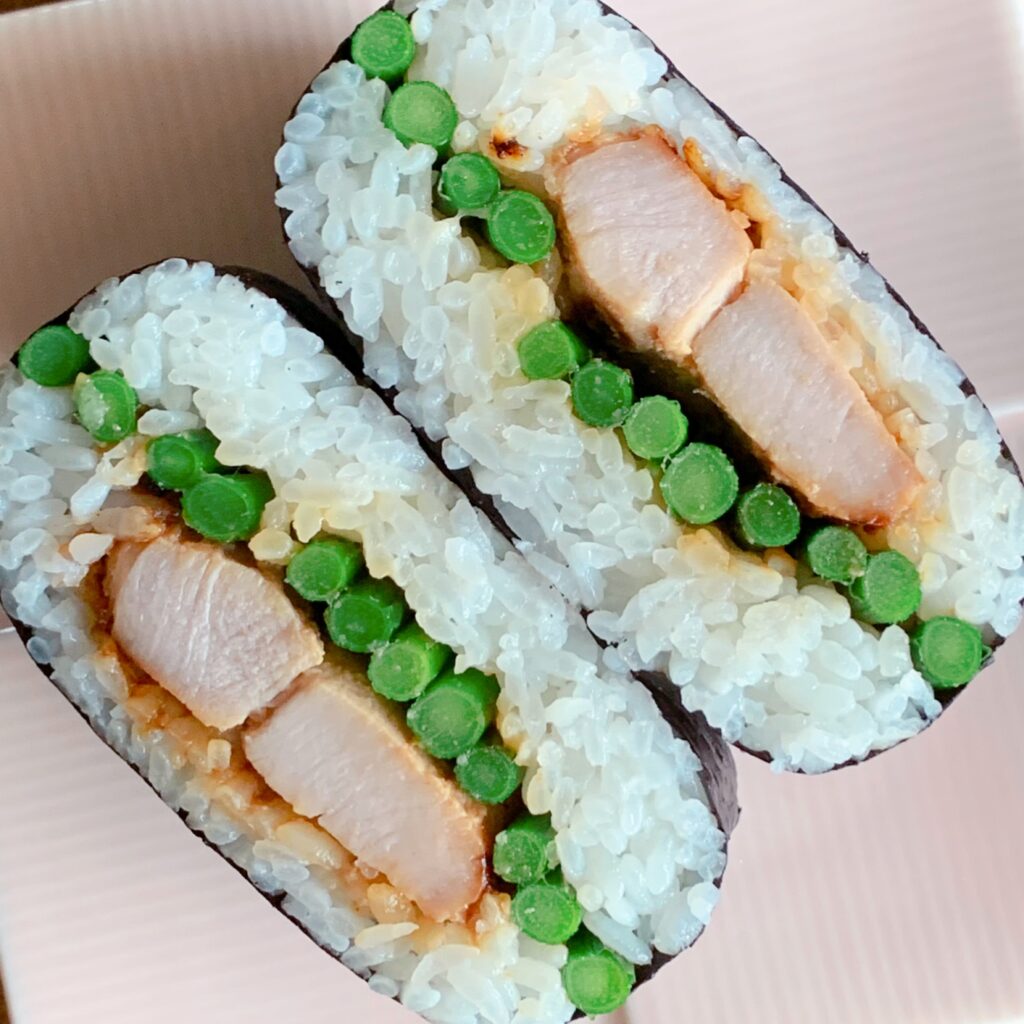
- Onigirazu (Rice Sandwiches): This pork is a fantastic filling for Onigirazu! For example, try filling one with sliced pork tenderloin misozuke yaki and fried garlic scapes. The lean meat stays delicious even when cold.
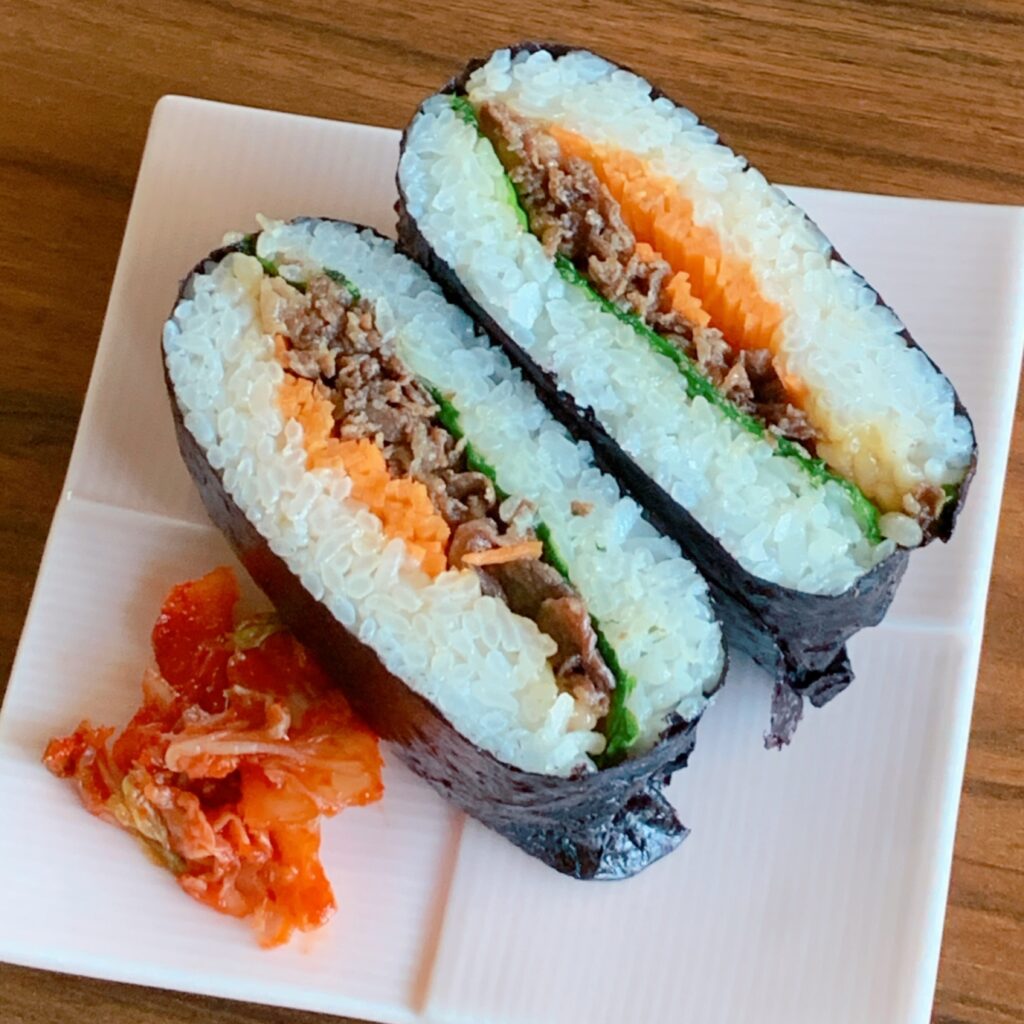
- Want to try another flavor? Check out this Beef Yakiniku Onigirazu (Rice Balls) article for more inspiration!
🎉Nutrition Facts (Per Serving)
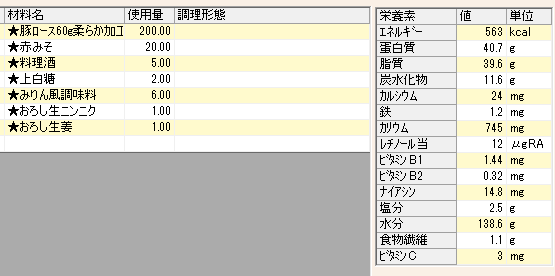
- Calories: 282 kcal
- Protein: 20.3 g
- Fat: 19.8 g
- Carbs: 5.8 g
- Salt Equivalent: 1.3 g
📖Read the Japanese version of this article here! [豚肉のみそ漬け焼き]

コメント