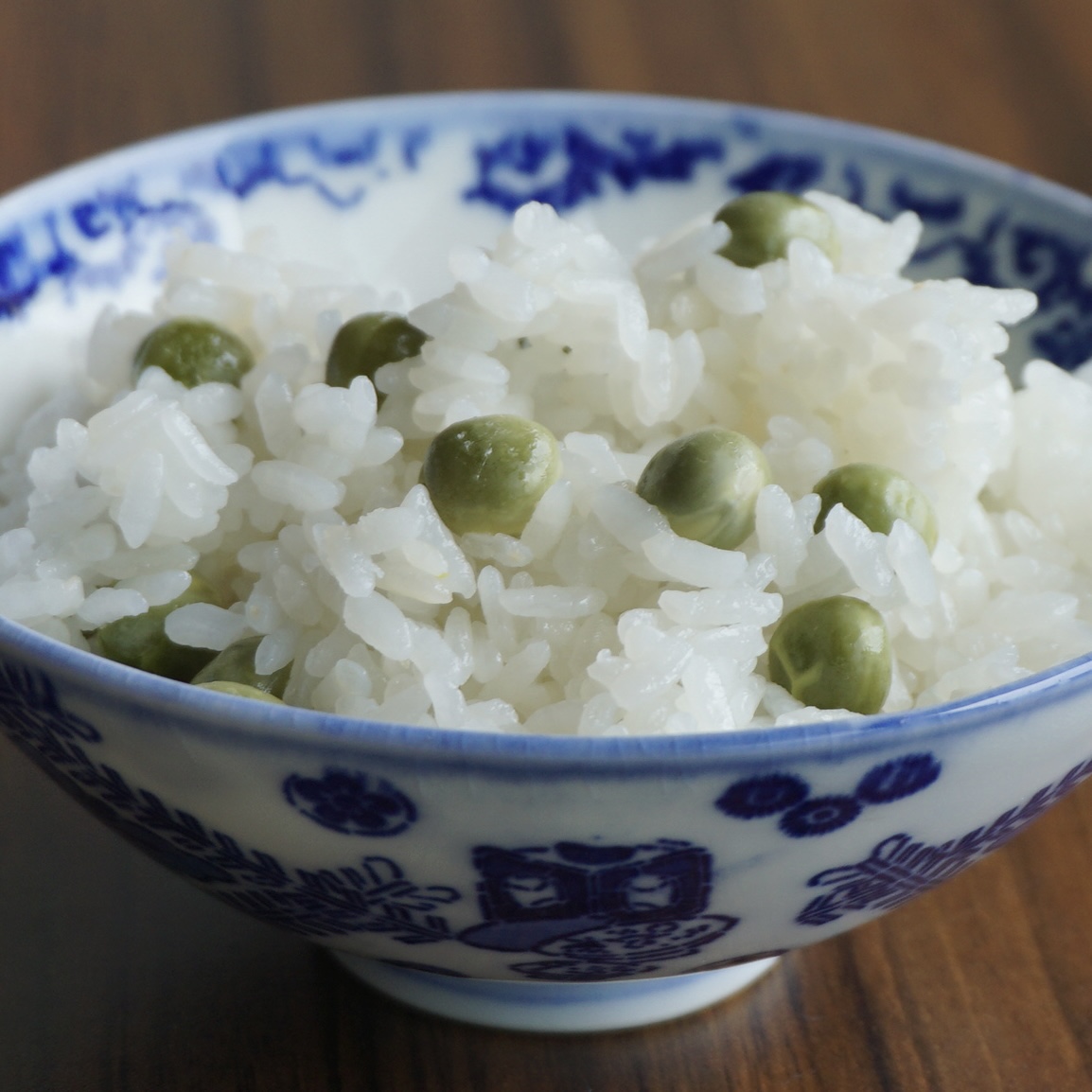
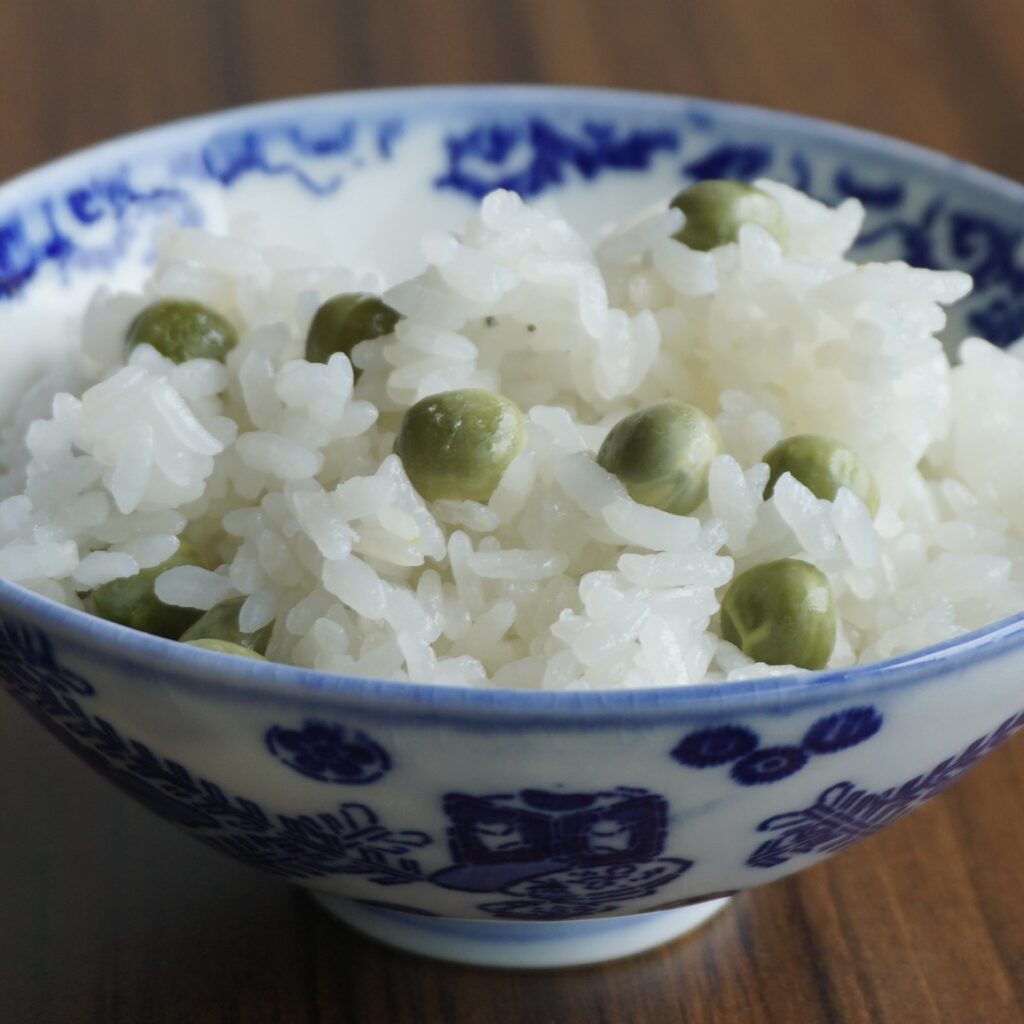
Mame Gohan (Japanese Green Pea Rice): A Taste of Spring
Mame Gohan is a classic type of takikomi gohan (seasoned mixed rice) where fresh green peas are steamed together with rice. Because fresh peas are only available during the spring, this dish is a celebrated seasonal delicacy in Japan. While frozen peas are a convenient year-round substitute, nothing compares to the vibrant aroma and tender texture of peas harvested in their prime.
The Secret to Freshness
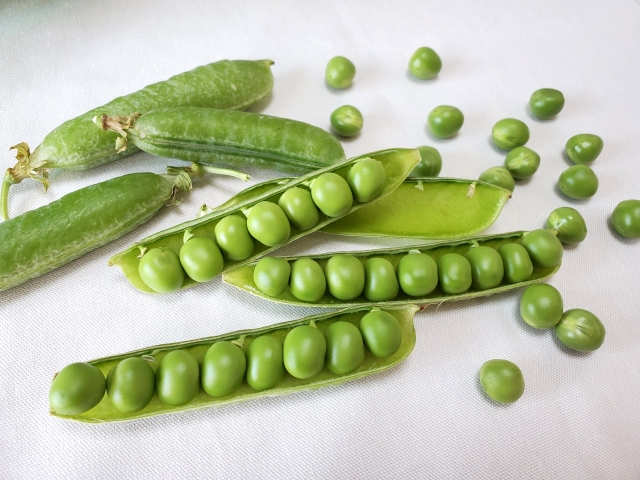
For the best results, use peas still in the pod. Peas removed from the bunch begin to lose moisture and harden quickly.
- Pro Tip: If you can only find pre-shelled peas, soak them in water for a short time before cooking to restore their freshness and plumpness.
Precision Ratios
To achieve the perfect balance of flavor and texture, use these measurements:
- Pea-to-Rice Ratio: 75g to 100g of shelled peas for every 320g of rice.
- The “Onigiri” Salt Ratio: This recipe uses a 1.8% salt concentration (relative to the weight of the rice). This slightly higher seasoning ensures the rice remains flavorful even when eaten cold or shaped into onigiri (rice balls).
- Note: If you are monitoring your salt intake, reduce the salt to 4g (approx. 1.2%) for 320g of rice.
Understanding Pea Varieties
Did you know that many common “mame” varieties actually come from the same plant? They are simply classified by their maturity level:
- Snow Peas (Kinusaya): Harvested very early; the flat, immature pods are eaten whole.
- Green Peas: Harvested when the seeds are developed; only the inner beans are eaten.
- Snap Peas: A cross-breed where both the large beans and the thick pod are edible.
- Pea Sprouts (Tomyo): The young seedlings of the pea plant.
Ingredients (Serves 3-4); Mame Gohan (Japanese Green Pea Rice)
- White Rice: 320g
- Water: 360g~420ml
- Salt: 6g (for a savory, onigiri-ready finish)
- Sake: 20g
- Kelp (Konbu): 1g
- Fresh Green Peas: 100g shelled (requires approx. 250g of whole pods)
How to Make Mame Gohan (Japanese Green Pea Rice)
- Shell the Peas: Make a small cut at the end of the pod, pull it open down the middle, and remove the peas.
- Prepare the Rice: Wash the white rice thoroughly and place it in the rice cooker pot with the measured water.
- Season: Add the salt and sake. Stir quickly to ensure the seasoning is dissolved and distributed.
- Layer: Wipe the kelp with a damp cloth to remove surface dust and place it on the rice. Spread the peas evenly across the top.
- Crucial Step: Do not mix the peas into the rice before cooking. Leaving them on top ensures the rice cooks evenly and the peas steam perfectly.
- Cook: Use the “Normal” or “White Rice” mode on your rice cooker.
- Finish: Once cooked, remove the kelp. Gently fold the peas into the rice using a rice scoop (shamoji), being careful not to crush the delicate beans.
Why Cook Them Together?
Some chefs prefer to boil peas separately in salted water and add them to the rice later to maintain a bright green color and prevent wrinkling. However, cooking them together with the rice draws the fragrance of the peas into every grain of rice, resulting in a much deeper, more cohesive flavor.
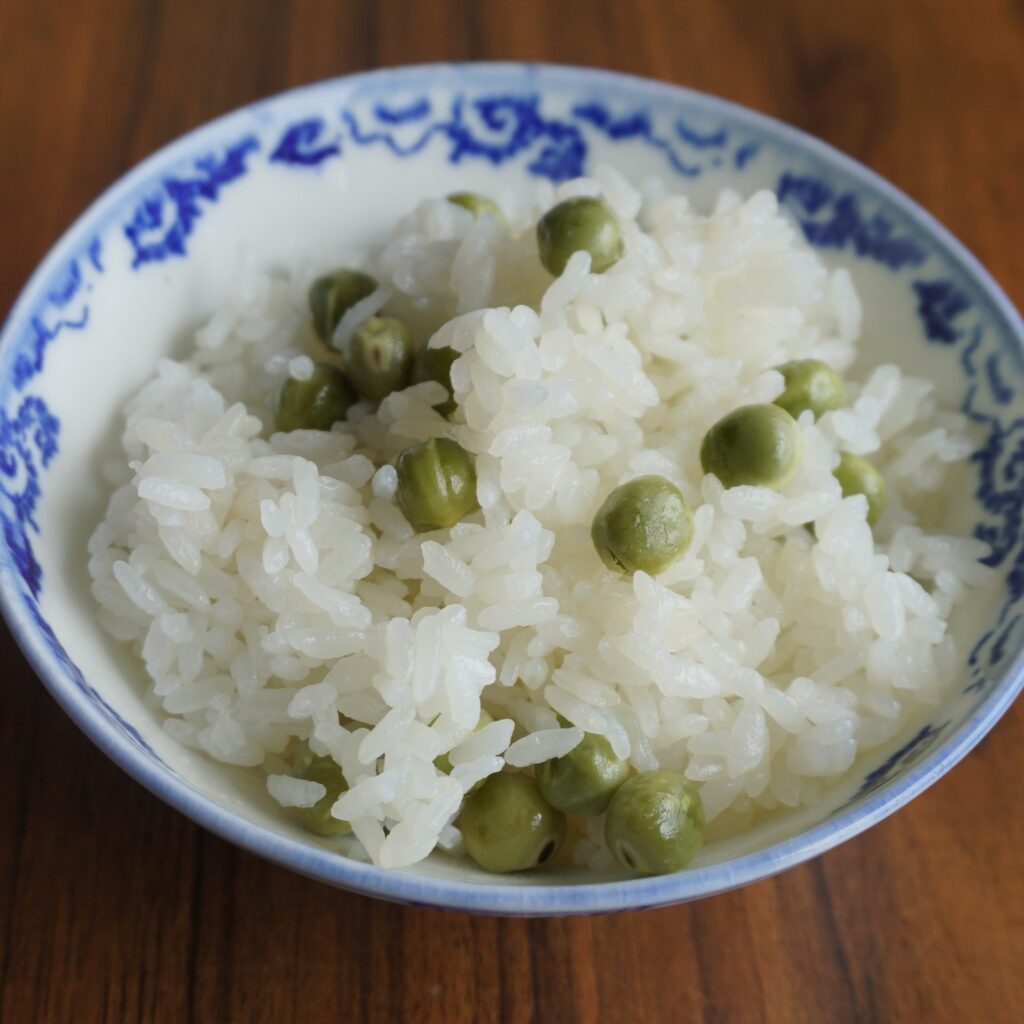
Nutrition Facts (Total Batch); Mame Gohan (Japanese Green Pea Rice)
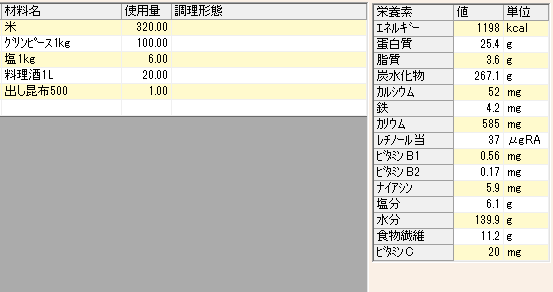
- Calories: 1198 kcal
- Protein: 25.4g
- Fat: 3.6g
- Carbohydrates: 267.1g
- Sodium: 6.1g
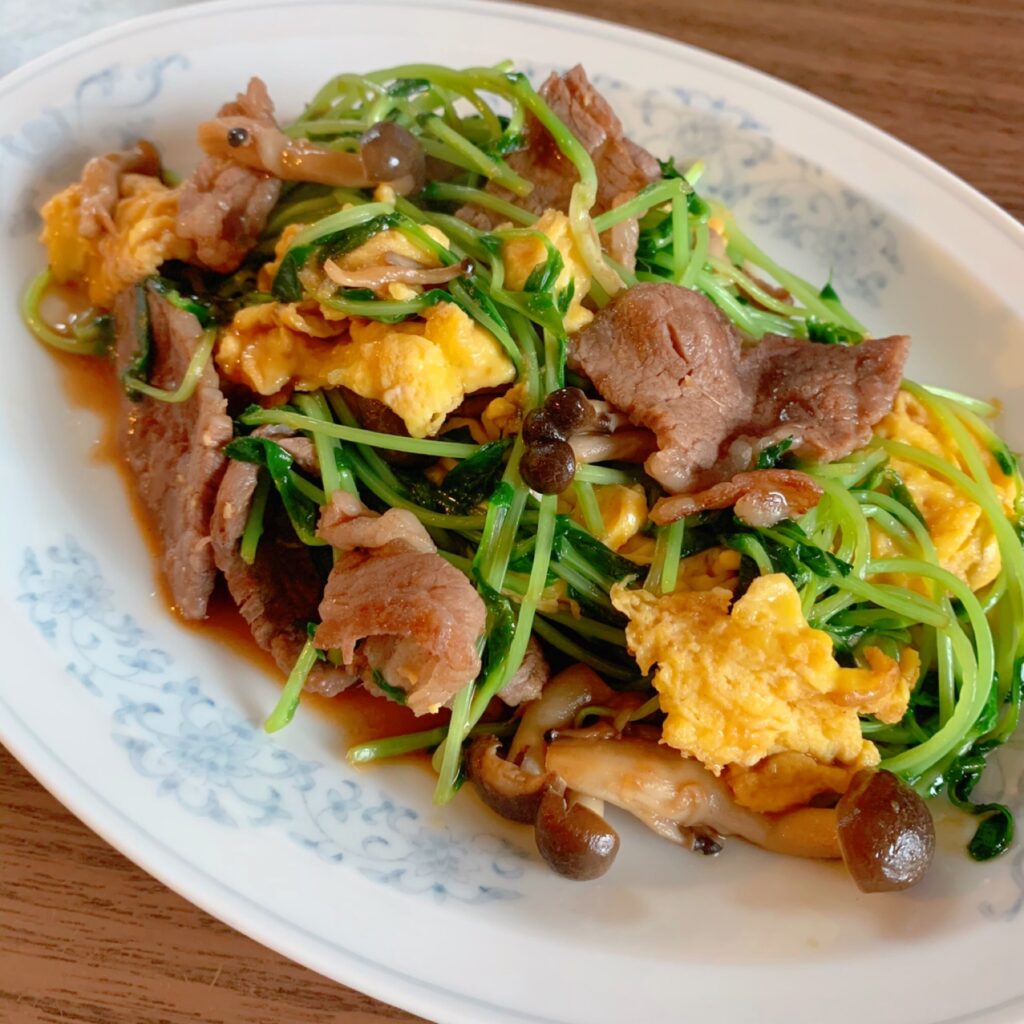
Looking for more ways to use pea plants? Check out our recipe for [Beef and Tomyo Stir-fry With Oyster Sauce] to make the most of nutritious pea sprouts!
📖Related Link: Read the Japanese version of this article here! []

コメント