

Crispy Curry Horse Mackerel: 15-Min Deep Fried Aji Fish
Are you struggling to find easy, healthy ways to cook fish? Many people find fish preparation intimidating or feel stuck in a recipe rut.
As a nutritionist who has developed meals for hospitals, I know how crucial it is to balance flavor with health. Today, I’m sharing a professional secret: using spices to reduce salt. This Crispy Curry Horse Mackerel is a game-changer. It takes only 15 minutes to prepare, contains just 175 kcal per serving, and is packed with flavor thanks to aromatic spices.
Whether you’re looking to improve your heart health or simply need a quick weeknight dinner, this recipe is for you!
Why This Recipe Works (Nutritionist’s Insights)
- The Power of Turmeric: The curry powder contains curcumin, a potent antioxidant that also helps stimulate a healthy appetite.
- Smart Sodium Reduction: By using the punchy aroma of curry, we satisfy the palate with less salt. This makes it an ideal dish for those monitoring their blood pressure.
- Perfect for Picky Eaters: The spice blend masks any “fishy” odor, making it a hit even for those who usually avoid seafood.
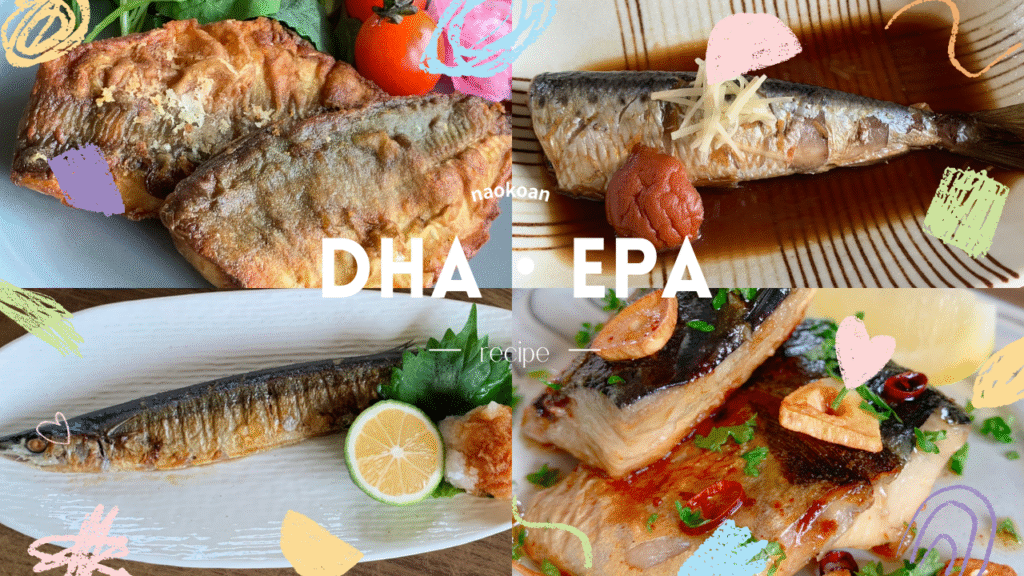
- Heart-Healthy & Brain-Boosting: Horse mackerel is rich in DHA and EPA (Omega-3 fatty acids), which are essential for brain function and maintaining healthy blood flow. 👉 [See more recipes using blue fish rich in DHA and EPA /Blue fish recipes rich in DHA and EPA]
Pro-Tips for Busy Cooks
Meal Prep Friendly: These crispy bites stay delicious even when cold, making them a fantastic addition to your lunch box (Bento).
Skip the Prep: I recommend buying “Sanmai-oroshi” (filleted) fish. It’s already descaled and deboned, so you can start cooking immediately.

Variations: This recipe works perfectly with mackerel, Spanish mackerel, or sardines. Frozen fish is also a great, convenient option!
All About Horse Mackerel (Ma-aji)
🌏 Origin & Varieties: A Global Traveler
Horse mackerel is a global inhabitant, migrating along warm currents in oceans worldwide. In Japan, their lifecycle follows the seasons:
- Spring to Summer (Heading North): In search of abundant food to prepare for spawning, they travel as far north as Hokkaido.
- Autumn to Winter (Heading South): They return to warmer southern waters to complete their spawning cycle.
📈 Season & Health Benefits
Peak Season: June to August During these months, horse mackerel reaches its nutritional peak. The meat becomes fatty, flavorful, and incredibly nutrient-dense.
The Power of “Blue Fish” Oil: The high-quality fats found in horse mackerel are rich in:
- EPA: Promotes smooth blood flow and supports cardiovascular health.
- DHA: An essential fatty acid vital for maintaining brain function and cognitive health.
🐟 Varieties of Horse Mackerel
Did you know there are over 150 species of horse mackerel worldwide? Here are the most notable ones in Japan:
- Muro-aji & Kusaya-muro: Commonly caught near the Izu Islands, these are the traditional choice for preserved fish dishes.
- Shima-aji (Striped Jack): The “King of Horse Mackerel.” It is considered the highest-grade variety. Most Shima-aji on the market is premium farmed fish.
- The Premium Brand: “Seki Aji” (Oita): Unlike migratory types, Seki Aji from Saganoseki, Oita, are “Setsuki” (resident fish). Growing up in the rough, rapid currents of the Bungo Channel, their meat is remarkably firm and packed with umami. They are highly prized as a luxury brand.
🍱 Culinary Versatility
Horse mackerel is a true “multi-player” in the kitchen, adapting to various cooking styles:
- Raw: Sashimi, Sushi, or Sunomono (vinegared dishes).
- Cooked: Salt-grilled, Simmered, Meunière, or Crispy Fried.
- Processed: Widely enjoyed as Himono (sun-dried fish) or convenient pre-made fillets.

📊 Nutrition Facts (Per Serving): Crispy Curry Horse Mackerel
| Nutrient | Amount |
| Calories | 175 kcal |
| Protein | 15.0 g |
| Fat | 8.5 g |
| Carbohydrates | 11.2 g |
| Salt Equivalent | 1.7 g |
💡 Nutritionist’s Note: The oil absorption rate for this recipe is kept at only 7%. By lightly coating the fish and using the “shallow fry” method, we achieve a crispy texture while keeping the calorie count low and healthy.
Ingredients (Serves 2): Crispy Curry Horse Mackerel
- Horse Mackerel: 140g (approx. 5oz)
- Marinade (★):
- Soy Sauce: 15g (approx. 1 tbsp)
- Grated Ginger: 5g (approx. 1 tsp)
- Coating (☆):
- All-purpose Flour: 25g
- Curry Powder: 2g
- Cooking Oil: 10g (for shallow frying)
🍳How to make Crispy Curry Horse Mackerel
1. Prep the Fish Gently pat the surface of the horse mackerel with a paper towel to remove any excess moisture.
2. Marinate Mix the soy sauce and grated ginger in a bowl or tray. Marinate the fish for about 10 minutes to infuse the flavors.
3. The Secret to Crispiness After marinating, thoroughly pat the fish dry again with a paper towel. This is the ultimate secret to removing any “fishy” odor and ensuring a perfectly crispy texture when fried.
4. The “Plastic Bag Hack” for Coating Mix the flour and curry powder.
- Pro-Tip: To keep your hands clean and minimize cleanup, place the flour, curry powder, and fish in a plastic bag and shake well.
- Key Step: Lightly tap off any excess flour. A thin, even coating prevents the fish from absorbing too much oil, keeping it healthy and light.
5. Shallow Fry to Perfection Heat the oil in a pan to 170°C (338°F).
- The Golden Rule: Ensure the oil is hot before adding the fish. Do not touch the fish for the first few minutes; wait until it develops a beautiful golden-brown crust.
- Texture Tip: Start by frying skin-side down to maximize the crunch! Fry for about 8 minutes until crispy all over.


Serving Suggestion: Hospital-Standard Garnish
As a hospital nutritionist, I recommend serving this with marinated onions or a fresh lemon wedge. The citric acid and citrus aroma beautifully cut through the richness of the oil, making every bite feel light, refreshing, and sophisticated.
💡 Nutritionist’s Low-Sodium Advice
When you reduce salt, flavors can sometimes feel “flat.” By adding the heat and aromatic punch of spices like curry powder, you stimulate your palate without the need for extra sodium. If you are mindful of your blood pressure, spices are your best friend in the kitchen!
📖Related Link: Read the Japanese version of this article here! [15分でできるアジのカリカリカレー風味揚げ:簡単ヘルシーレシピ]



コメント