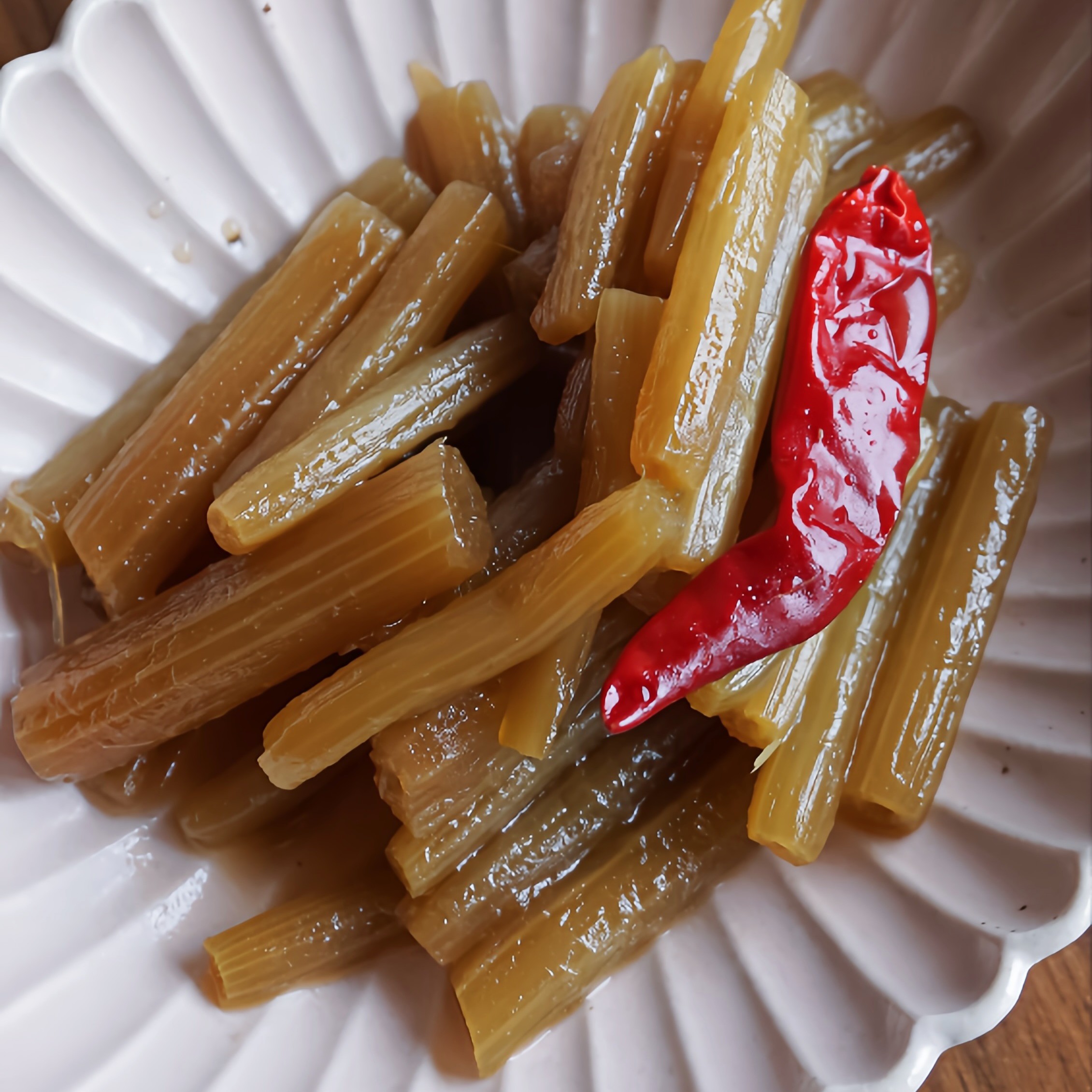
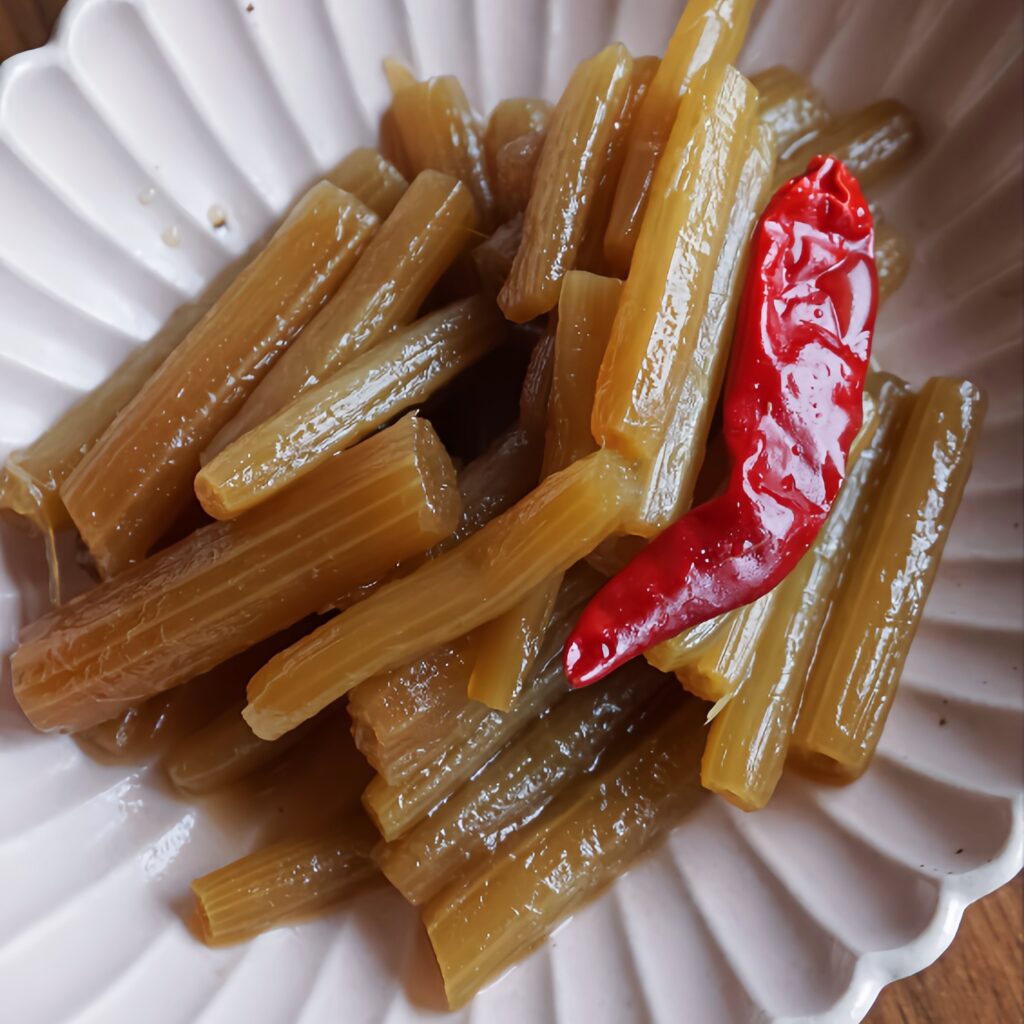
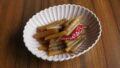
Spring on a Plate: Fuki Kinpira (Stir-Fried Japanese Butterbur)
Fuki kinpira is the quintessential taste of spring. As the season shifts and the environment changes—bringing both temperature swings and the stress of new beginnings—the natural bitterness of wild vegetables (sansai) provides a much-needed boost.
These vegetables are packed with polyphenols (like tannins) that offer powerful antioxidant properties, helping your body detoxify and recover from the “winter slump.” While some shy away from the bitterness, proper preparation transforms it into a refreshing, savory delicacy.
What is Kinpira?
Kinpira is a traditional Japanese cooking style where vegetables are thinly sliced, sautéed in oil, and then simmered in a savory-sweet glaze of soy sauce, sugar, and mirin. The name comes from a legendary Japanese hero known for his strength, symbolizing that this dish is not only delicious but also incredibly energizing and healthy.
Prepping Fuki: Wisdom for Bringing Out the Best Spring Flavors
The resilient life force of wild vegetables (sansai), having endured the harsh winter, provides us with a burst of vitality. Their unique bitterness and aroma are said to help detoxify the body and refresh our energy for the new season.
Even if you aren’t a fan of the strong “wild” taste, proper preparation (aku-nuki or bitterness removal) allows you to enjoy the essence of spring deliciously. Here are the two main methods for preparing fuki based on its variety and intensity.
1. The Basics: “Itazuri” (Salt Rolling)
Cultivated fuki found in supermarkets (such as the Aichi Wase variety) is generally mild. For these, the “Itazuri” method using salt is sufficient.
- Benefits of Itazuri:
- Removes fine surface fuzz for a smoother texture.
- Helps maintain a vibrant green color when boiled.
- Makes the tough outer skin much easier to peel.
- How to do it: Place the fuki on a cutting board, sprinkle with salt, and roll them back and forth with your palms using firm pressure. Drop them directly into boiling water for 3–5 minutes, then immediately plunge them into cold water.
2. Deep Cleaning: Using Baking Soda
For wild-harvested “Yama-fuki” or thick varieties with intense bitterness, baking soda (sodium bicarbonate) is the go-to tool.
- The Role of Baking Soda: Its alkaline properties soften tough fibers and help dissolve heavy tannins (polyphenols) and bitterness.
- Important Precautions: Using too much baking soda or boiling for too long can make the fuki mushy and ruin the texture. The golden rule is: “Small amounts, short time.” After boiling, soaking the fuki in fresh water overnight will result in a clean, mild flavor.
3. The Simple Soak Method
If you enjoy a bit of “spring bitterness” or have very fresh, mild fuki, you can skip the heavy chemicals. Simply perform the salt-roll (itazuri), boil, and soak in water for a few hours. This removes the harshness while highlighting the vegetable’s natural aroma.
💡 Pro-Tip The polyphenols responsible for that bitter kick are actually valuable antioxidants. To enjoy fuki like a true connoisseur, try not to remove all the bitterness—leaving a hint of that earthy flavor is the best way to savor the taste of the season.
Nutrition Facts (Per Serving); Fuki Kinpira
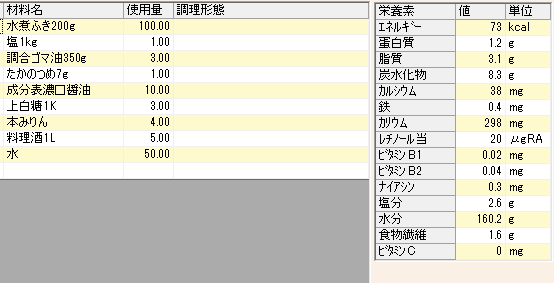
| Nutrient | Amount |
| Calories | 73 kcal |
| Protein | 1.2 g |
| Fat | 3.1 g |
| Carbs | 8.3 g |
| Salt | 2.6 g |
Ingredients; Fuki Kinpira
- Fuki (Japanese Butterbur): 120g
- Salt: 10g–15g (for itazuri)
- Sesame Oil: 3g (approx. 1 tsp)
- Chili Pepper: 1 piece
- Water: 50ml
- Seasoning Sauce:
- Soy Sauce: 10g
- Sugar: 3g
- Mirin: 4g
- Sake: 5g
Fuki Kinpira Cooking Instructions
1. Prep the Fuki (The Itazuri Method)
- Trim: Cut off both ends of the butterbur stalks. If they are too long for your pot, cut them in half.
- Itazuri (Salt Rolling): Sprinkle the salt over the stalks on a cutting board. Use your palms to roll them back and forth with firm pressure.Tip: This “itazuri” process breaks down the tough outer fibers, preserves the vibrant green color, and makes peeling much easier.
- Blanch: Place the salted stalks directly into boiling water. Boil for 3–5 minutes.
- Shock: Immediately transfer the boiled fuki into ice water. This stops the cooking process and locks in the color.
2. Peel and Cut
- Peel: Using your fingertips or a small knife, pinch the thin skin at one end and pull downward. Remove the skin from the entire stalk.
- Slice: Cut the peeled stalks into bite-sized pieces, roughly 5cm (2 inches) in length.
3. Stir-Fry and Simmer
- Sauté: Heat sesame oil in a frying pan over medium heat. Add the chili pepper and fuki, sautéing until the butterbur is well-coated in oil.
- Glaze: Pour in the soy sauce, sugar, mirin, sake, and water.
- Reduce: Continue to stir-fry until the liquid has almost entirely evaporated, leaving the fuki coated in a glossy, savory glaze.
Enjoying the Season
If you love the earthy flavors of spring, fuki kinpira pairs perfectly with other seasonal staples.
Check out these related recipes:
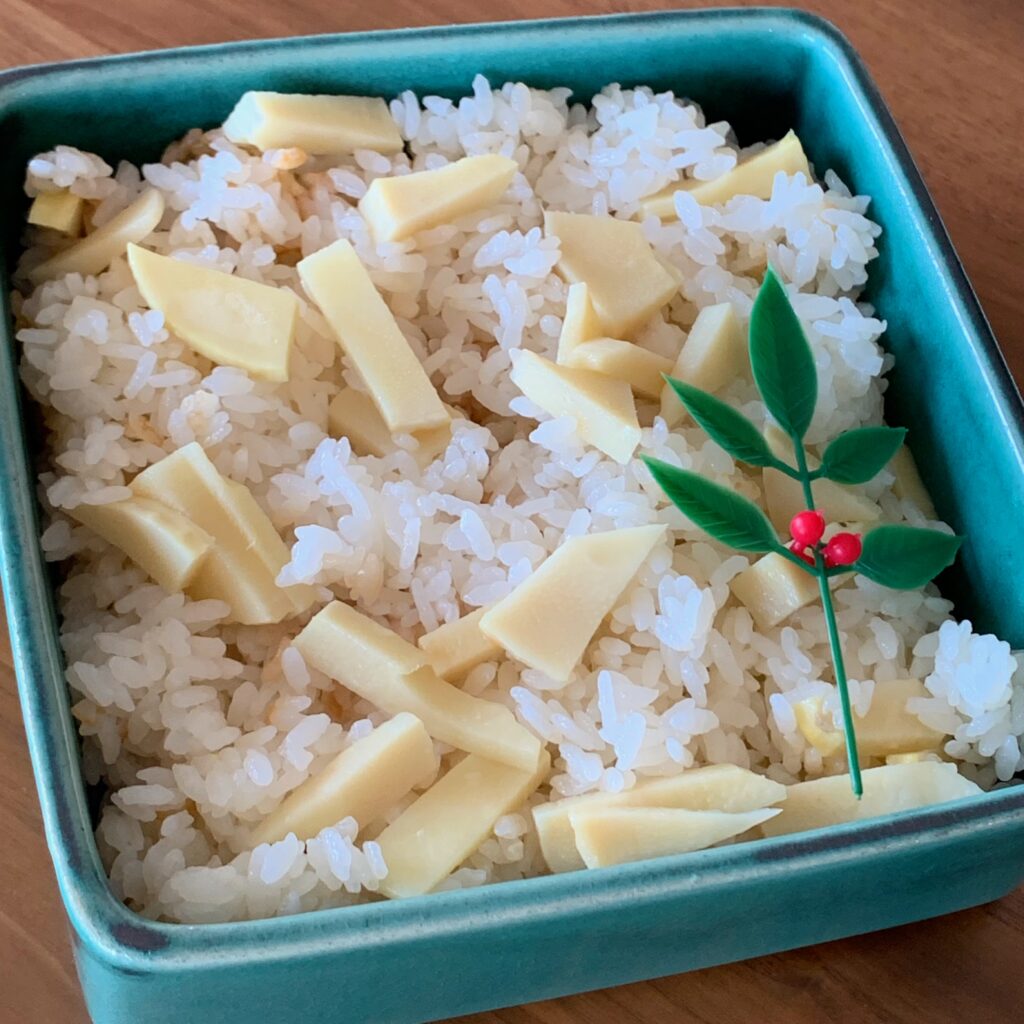
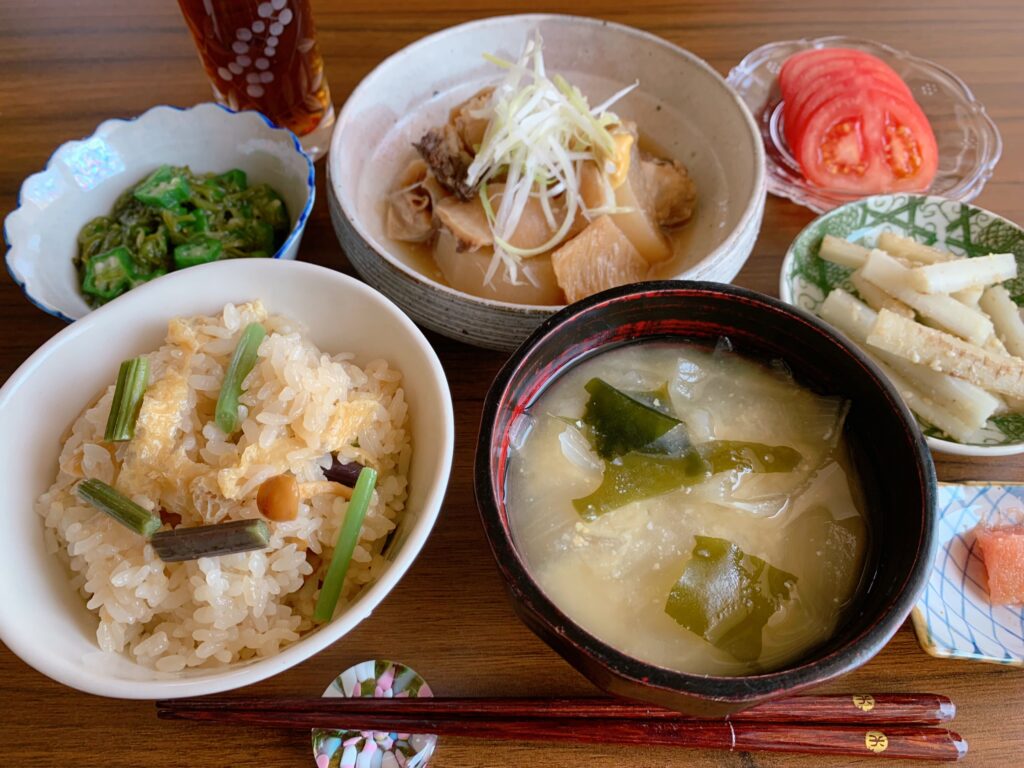
- 👉 Authentic Takenoko Gohan (Takenoko Gohan (Bamboo shoots Rice))
- 👉 Sansai Mix Okowa (Sansai Okowa (Wild vegetable with sticky rice))
📖Related Link: Read the Japanese version of this article here! []


コメント