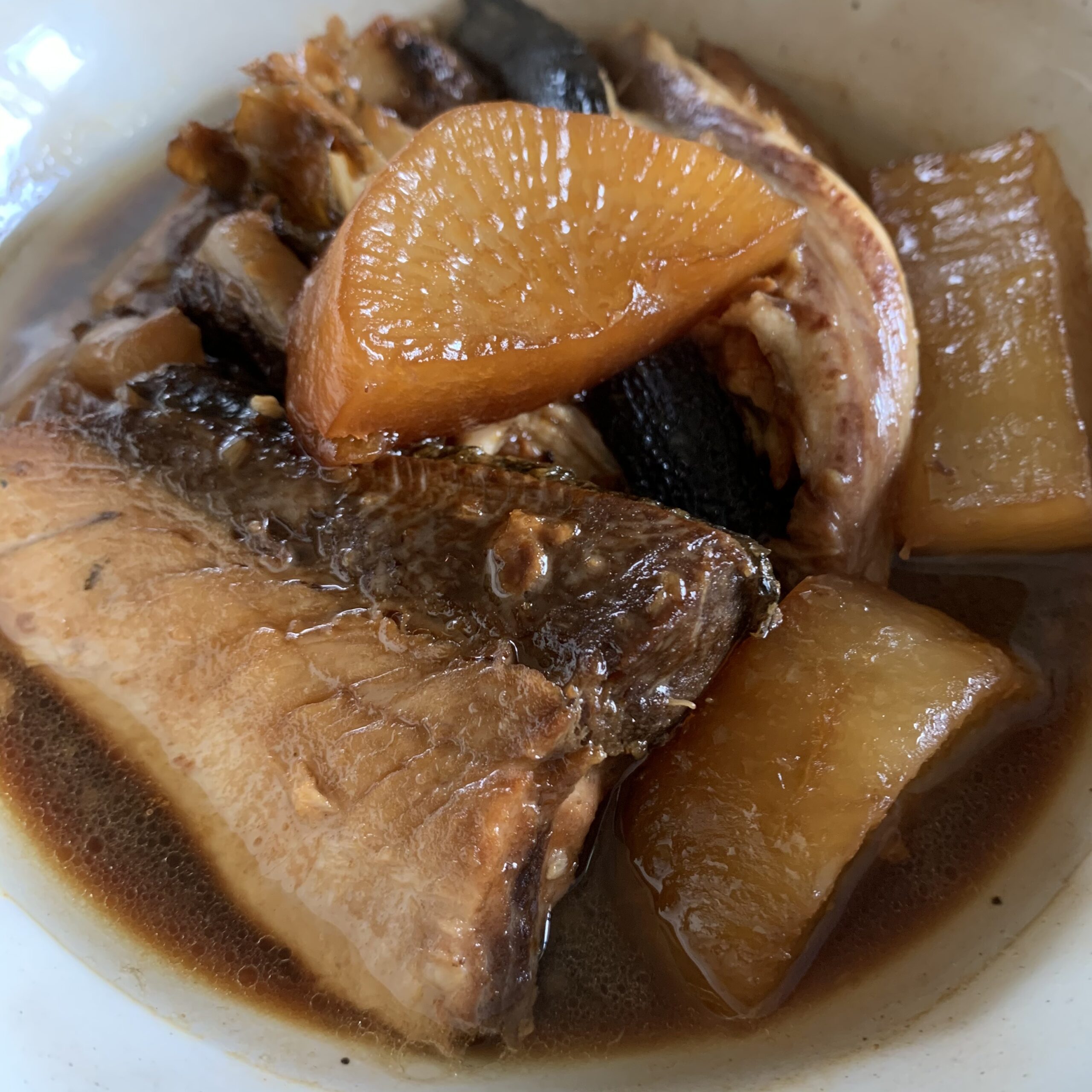
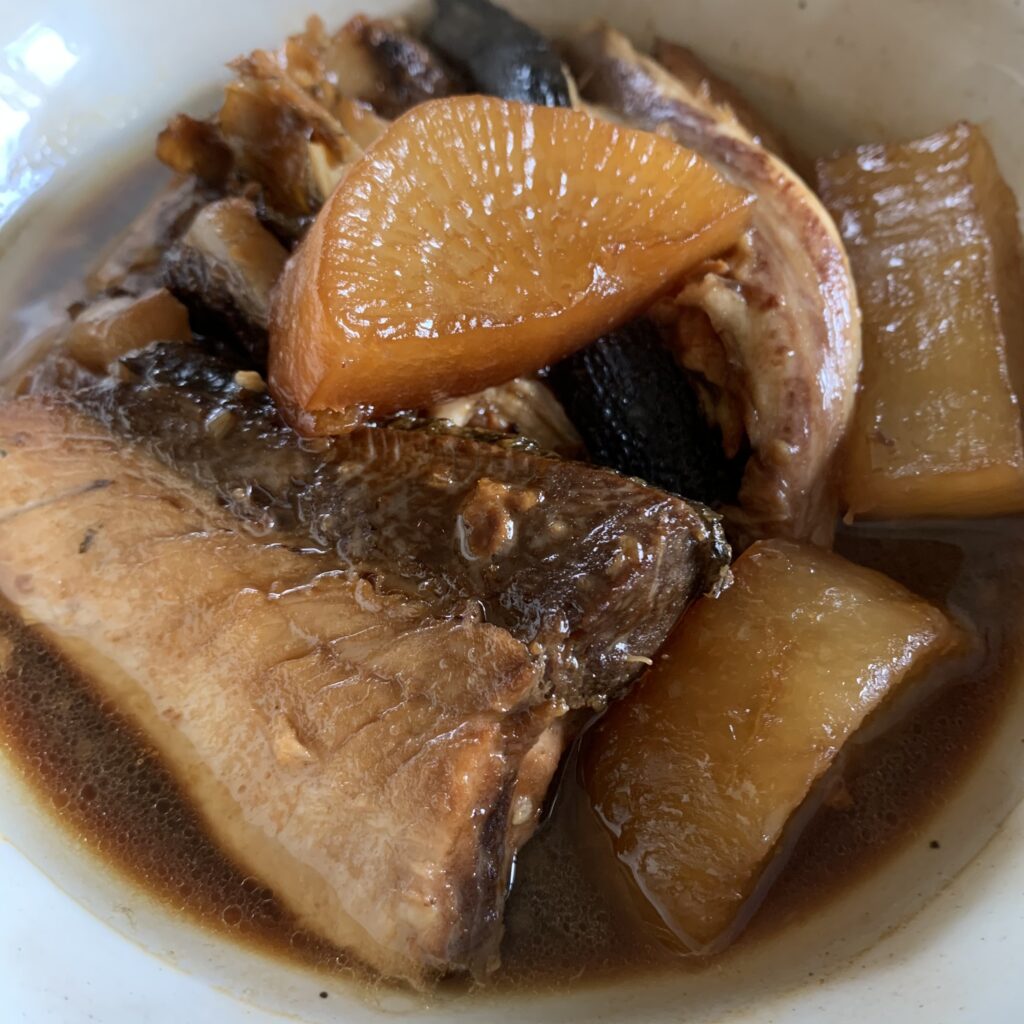
Master Buri Daikon: A Nutritionist’s 10-Min Pressure Cooker Recipe for Winter’s Best Yellowtail
What ia Buri Daikon ?? (Simmered Yellowtail & Radish)
As the temperature drops, nothing beats the comforting taste of Buri Daikon (aradaki). This traditional Japanese winter dish features succulent yellowtail (Buri) and tender daikon radish, simmered to perfection in a savory-sweet ginger broth.
As a nutritionist, I highly recommend this recipe not only for its soul-warming flavor but also for its exceptional health profile. It is a perfect example of a balanced, heart-healthy Japanese meal.
💡Nutritionist’s Note on Aradaki: In Japan, we call this “Mottainai” (avoiding waste). Cooking the fish bones and head releases deep flavor and provides extra collagen and calcium, making the broth incredibly nutritious!
🥢 Quick Japanese Food Guide:
- Buri (Yellowtail): A succulent, flavorful fish beloved in winter.
- Daikon (Japanese Radish): A versatile root vegetable that aids digestion.
- Aradaki: The art of simmering fish “scraps” (heads and bones) in soy sauce and sugar to create a rich, umami-packed masterpiece.
💚Why You’ll Love This Recipe
- Heart-Healthy Fats: Yellowtail is an excellent source of Omega-3 fatty acids (DHA and EPA), which are essential for brain health and reducing inflammation.
- Natural Digestion Aid: Daikon radish contains enzymes like amylase, which help your body digest protein and carbohydrates more efficiently.
🌈Buri: The Auspicious “Promotion Fish”
In Japan, Yellowtail (Buri) is celebrated as a “Shusse-uo” (Success Fish) because its name changes as it grows. This makes it a symbol of good luck and career advancement. Along with Red Sea Bream (Tai), Buri sashimi is a traditional centerpiece for celebratory feasts like New Year’s.
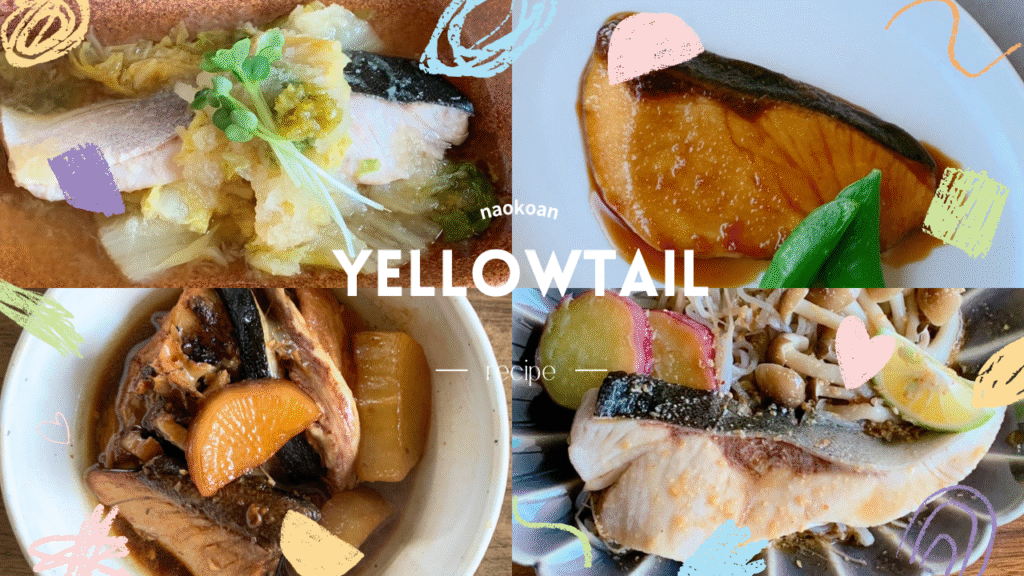
Click here to learn more about the fascinating world of Buri. 👉 Buri Daikon Aradaki (Yellowtail and Radish)
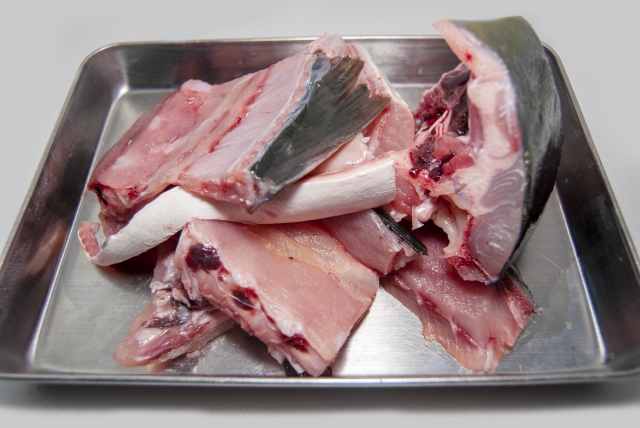
What is “Ara”? (The Hidden Gem)
When large fish like Buri or Tai are filleted for sashimi, the remaining parts—the head and bones—are called “Ara.”
Don’t be fooled by the word “leftovers”! The meat around the bones is incredibly flavorful and rich in gelatinous collagen. When simmered, it becomes so tender it literally melts in your mouth. Despite being one of the most delicious parts of the fish, “Ara” is much more affordable than premium fillets.
Buri Daikon: Tradition Meets Modern Convenience
Traditionally, Buri Daikon was made using these “Ara” parts (often called Buri Ara-daki). While modern households often use pre-cut fillets for convenience, using the “Ara” provides a depth of flavor that is hard to beat.
Why I Recommend a Pressure Cooker
To achieve the perfect texture, a pressure cooker is your best friend. It offers two major benefits:
- Perfect Texture: It keeps the fish moist and tender in a fraction of the time.
- Superior Flavor Absorption: Usually, Daikon takes hours to soak up the broth, but a pressure cooker forces the savory-sweet flavors deep into the radish quickly.
The combination of rich, fatty Buri and refreshing, juice-soaked Daikon is the ultimate expression of Japanese winter flavors.
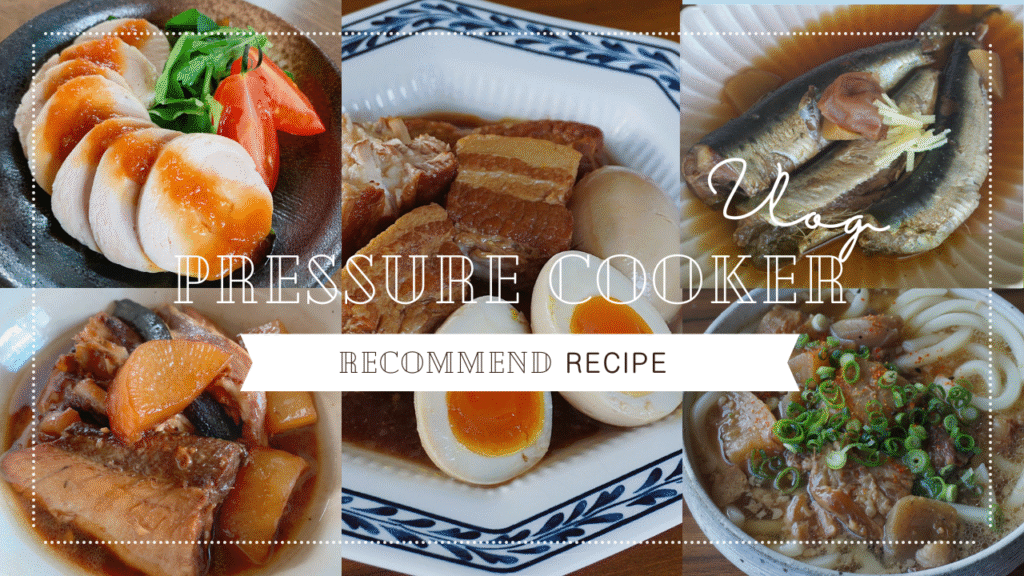
My Kitchen Tool: I use the T-fal Clipso Minut’ Easy (4.5L). 👉 Recommended recipes using a pressure cooker
INGREDIENTS (Serves 2-3): Savory Buri Daikon Ara-daki
[Ingredients]
- Buri “Ara” (Head & Bones): 750g
- Daikon Radish: 600g
- Fresh Ginger: 10g
[The Braising Liquid]
- Soy Sauce (Koikuchi): 90g
- Sugar: 30g
- Sake: 30g
- Mirin: 45g
- Water: 100g
How to make Buri Daikon (Aradaki) : Simmered Yellowtail and Radish
- Prepare the Daikon Radish
Peel the daikon and slice into rounds about 2.5cm (1 inch) thick. If the radish is very large, cut the rounds in half into semi-circles (half-moons). - The “Shimofuri” Method: The Secret to a Clean, Elegant Flavor
Place the yellowtail in a colander and pour boiling water over it. Once the surface turns slightly white, drain well.- Why is this important? This step removes any “fishy” odors and impurities. It ensures the braising liquid remains clear and clean, allowing the natural sweetness of the ingredients to shine through.
- Simmer in the Pressure Cooker
Arrange the daikon slices at the bottom of the pressure cooker and place the yellowtail on top. Add the water, sake, sugar, and sliced ginger. Gently shake the pot to mix the seasonings. Heat over high heat. Once the steam begins to whistle vigorously, reduce the heat to low and cook under pressure for 10 minutes.- Tip: Keep the heat at a level where you can hear a soft, steady hiss of steam.
- Adjust and Reduce the Sauce
Turn off the heat and let the pressure release naturally. Once the pin drops, open the lid. Simmer the mixture uncovered until the liquid has reduced and thickened into a rich glaze. - Let the Flavors Settle
A key principle in Japanese simmering (Nimono) is that the flavor develops as the dish cools. Letting it rest for a while allows the savory-sweet broth to soak deep into the heart of the radish. - Serving
The ingredients will be so tender they might break with chopsticks! Use a spatula to gently transfer the fish and radish to a plate.
💡 Why I Insist on a Stovetop Pressure Cooker
After testing this recipe multiple times, I am convinced: a stovetop pressure cooker is the absolute best for fish dishes! > While electric cookers are convenient, the powerful and consistent heat of a gas-powered pressure cooker handles the natural oils of the yellowtail perfectly. It results in a cleaner, more integrated sauce without the greasiness. For the best “Buri Daikon” experience, go with gas!
📖Read the Japanese version of this article here! [【加圧10分】うま味凝縮&コラーゲンたっぷり|ブリ大根(あら炊き)レシピ]

コメント