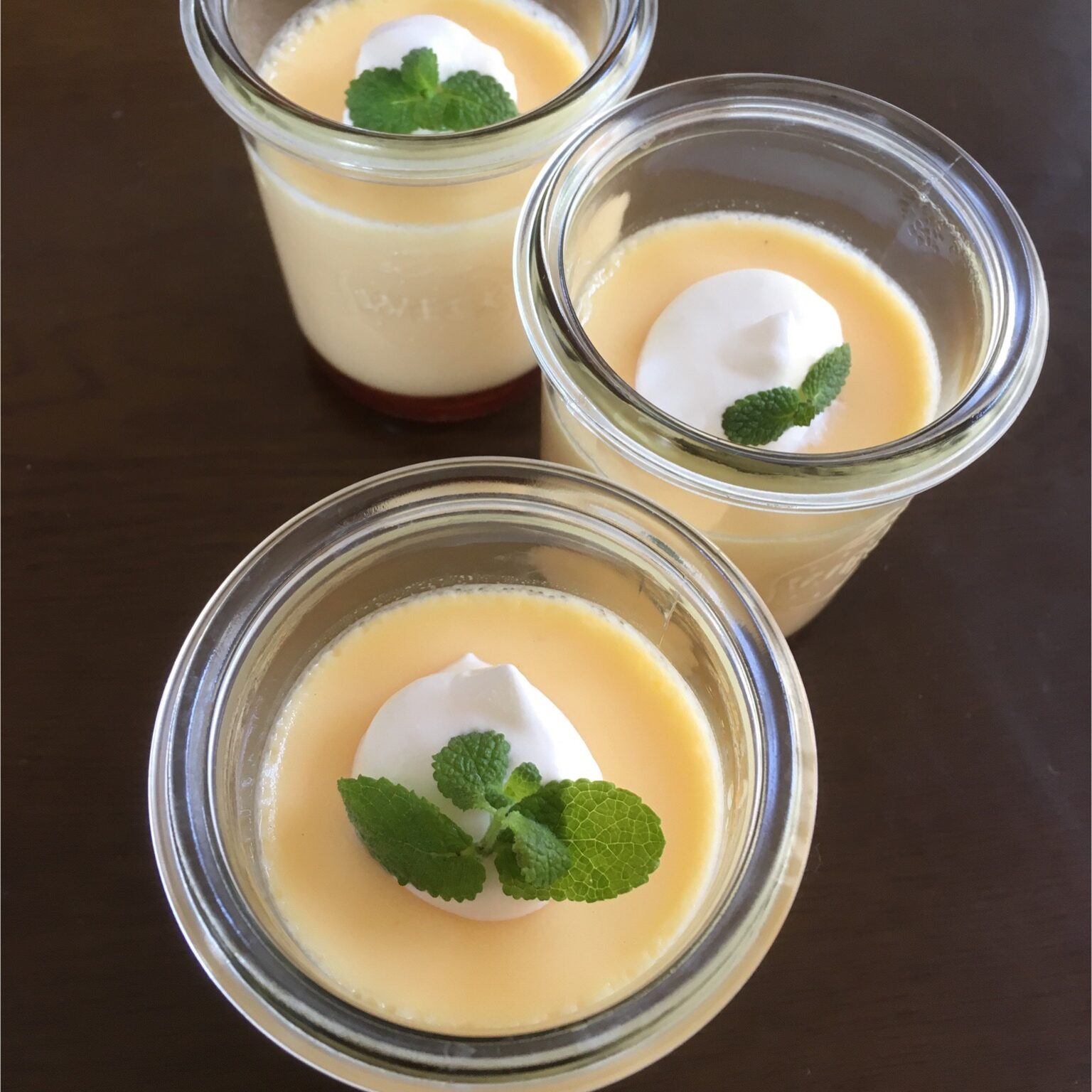
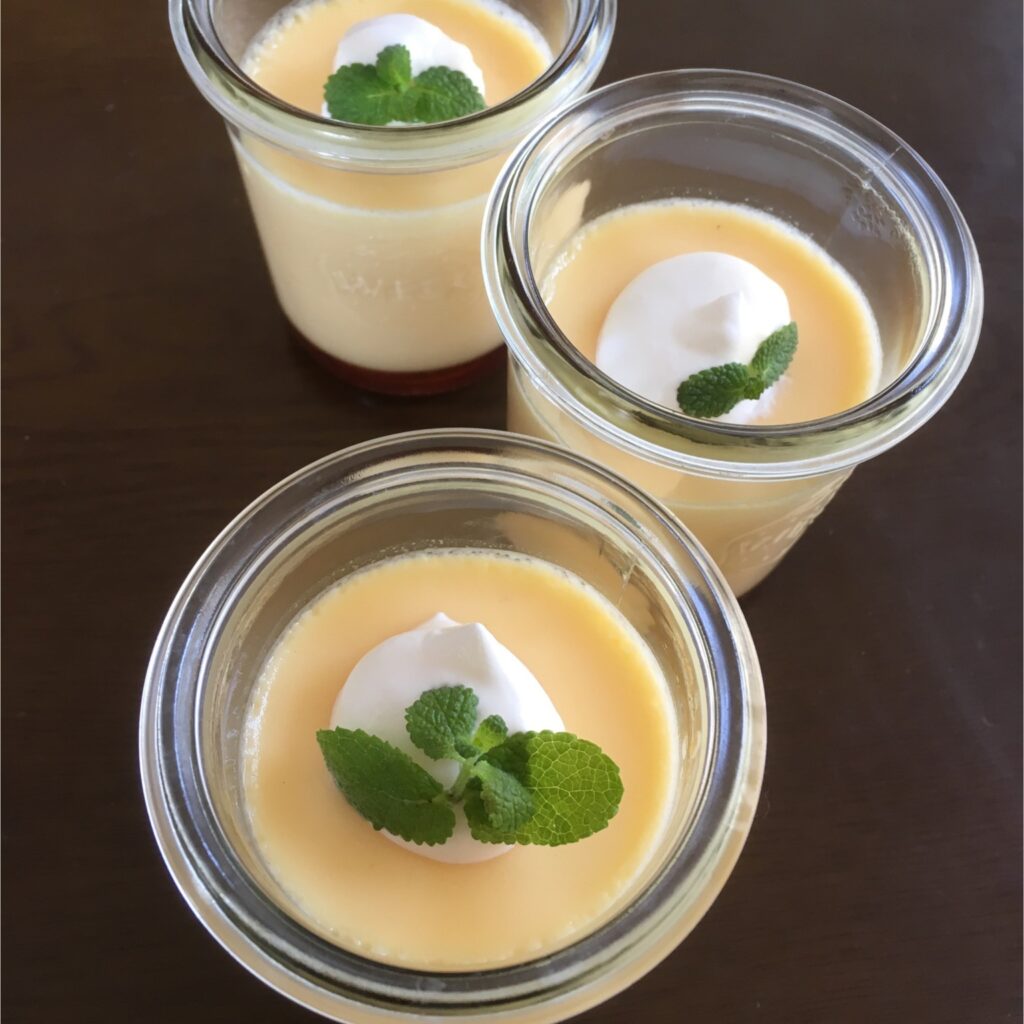
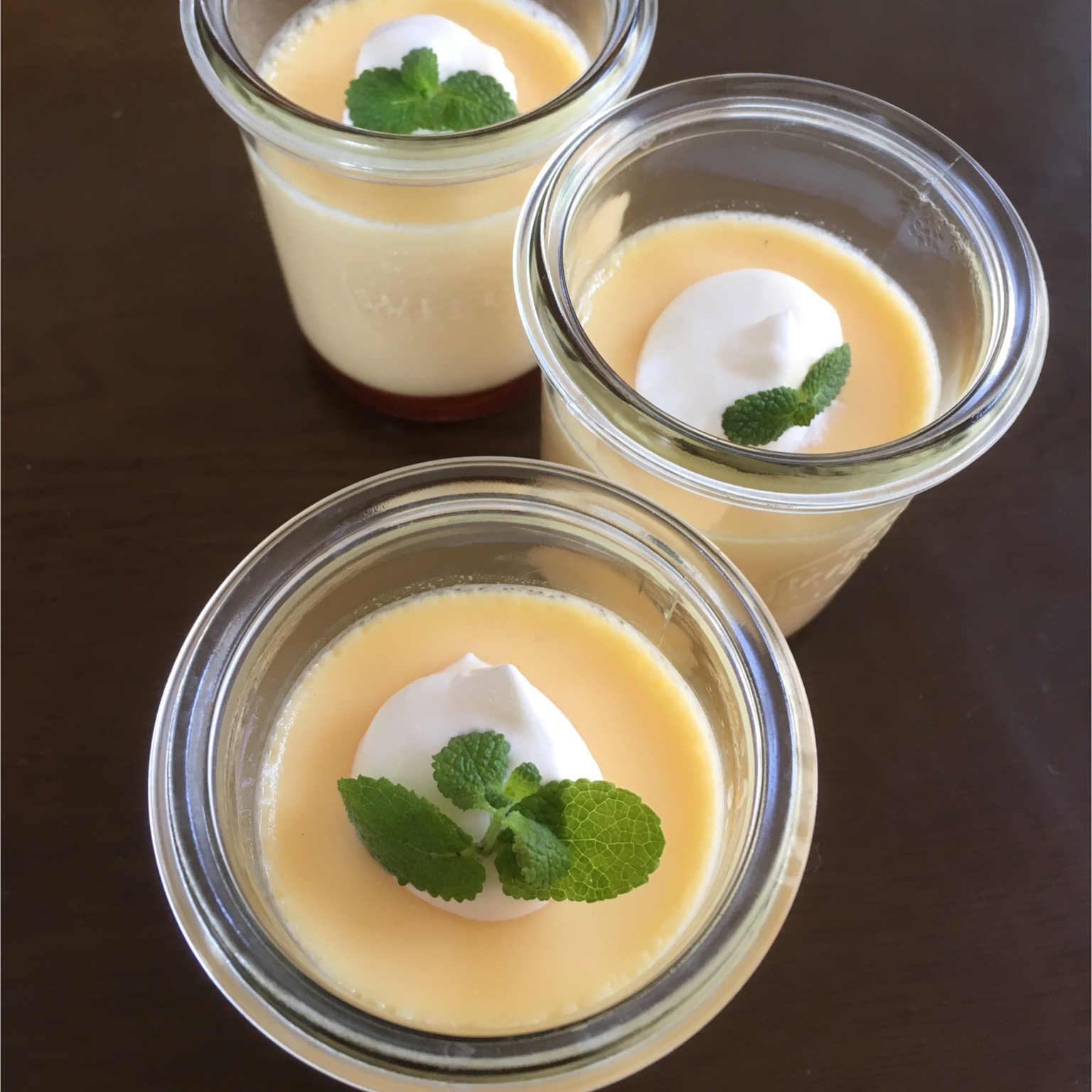
Perfect Smooth Caramel Custard Pudding
Ever dreamed of making that perfect, melty shop-style Caramel Custard Pudding at home? 🍮✨ I’ve spent so much time in my kitchen (and used my nutritionist brain!) to figure out the exact science of how eggs set. After countless trials, I finally nailed the ‘Golden Ratio’ for the silkiest texture ever. I’m so excited to share it with you—let’s get cooking!
The “Golden Ratio” & Culinary Science: My Absolute Rules for Perfect Pudding
The most common struggles with pudding are “not setting” and those annoying tiny air bubbles called “su.” There’s a scientific reason for both, and here is how to avoid them!
1. The Golden Ratio: Balancing Structure & Texture
The key to mastering custard pudding lies in maintaining a 1:2 ratio of eggs to liquid (milk and heavy cream).
- Too few eggs: The custard won’t set at all.
- Too many eggs: The texture becomes overly firm and dense.
This precise balance delivers the best of both worlds: enough structure to hold its shape, paired with a silky, melt-in-your-mouth texture.
Craving a Nostalgic, Firm Texture? If you are aiming for the nostalgic, extra-firm pudding served in classic Japanese retro cafés (kissaten), a 1:1 ratio is your sweet spot.
2. The “60°C Rule”: Your Shortcut to Success
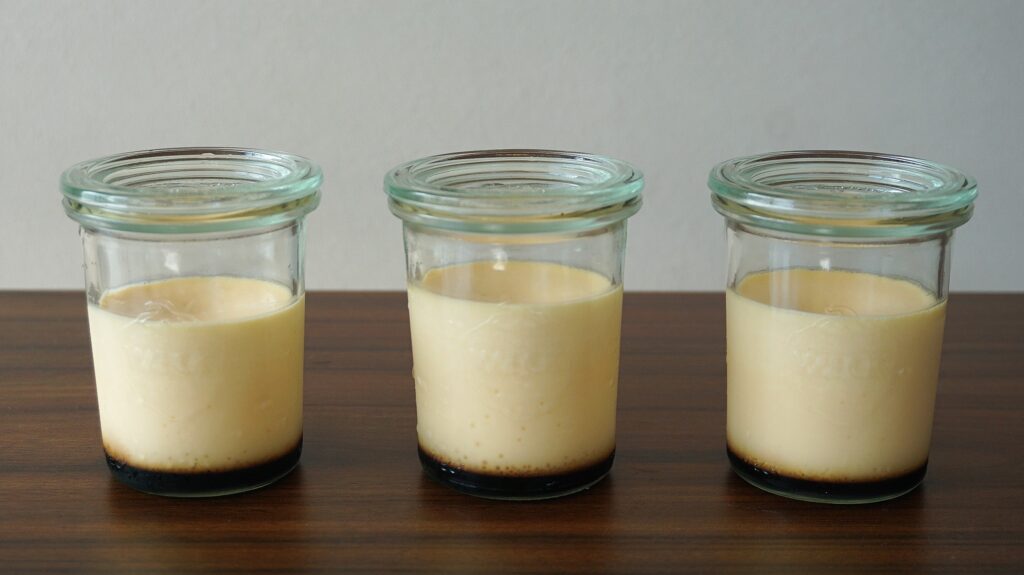
Eggs start to solidify at around 60°C (140°F). The shortcut to a perfect bake is preparing an egg mixture that feels “warm to the touch” (about 40°C) before it even goes into the oven.
- Preparation: Take your eggs, cream, and milk out of the fridge early.
- Mixing: Warm your liquid in the microwave to about 60°C before mixing. If the mixture is too cold, it will take too long to heat up in the oven, which is a common cause of undercooked pudding.
3. Temperature Control: Why Use an Oven?
While steaming in a pot is traditional, it’s hard to control the heat, often exceeding 100°C.
- The Cause of Bubbles (“Su”): If the temperature is too high, the mixture boils, creating air bubbles and causing the eggs to curdle or separate.
- The Oven Advantage: By using a low-temperature oven at 140°C (284°F) with a water bath, we keep the mixture below the boiling point. This ensures a flawless, smooth finish every time.
4. The Art of Caramel Sauce
The flavor of your caramel changes depending on how much you brown the sugar. Aim for a beautiful amber color—too much heat, and it will turn bitter.
- The Cooling Phase: Pour the caramel into the molds and wait for it to harden.
- Important: Do not put the molds in the fridge! If the molds are cold, the temperature of your egg mixture will drop when you pour it in later.
- Pro-Tip: If the caramel is still liquid after 20 minutes in the mold, you’ll need to reheat it. Otherwise, it will mix into the egg liquid instead of staying at the bottom.
5. Choosing Your Cream
In Japan, heavy cream is called “Nama Cream.” * I personally use plant-based cream for a lighter finish, but dairy-based cream works perfectly too.
- If you prefer something even lighter, you can simply substitute the cream with more milk.
Ingredients (Makes 7 servings in 160cc containers)
- Caramel: 60g Sugar, 20g Water
- Egg Mixture:
- 480g Low-fat milk
- 100g Sugar
- 80g Nama cream (I prefer plant-based heavy cream for a lighter finish, but dairy-based cream works perfectly as well)
- 4 Eggs (250g)
- Vanilla essence (moderate amount)
How to Make the Perfect Caramel Custard Pudding
Part 1: The Caramel Sauce
- Melt the Sugar: Place sugar in a small saucepan over medium heat. Swirl the pan occasionally—do not stir with a spoon—until the sugar dissolves completely.
- Watch the Color: Once the sugar turns into a deep amber and large bubbles begin to form, turn off the heat immediately.
- Deglaze with Water: Carefully add the water.
- Caution: Be very careful, as the caramel may splatter the moment the water touches it.
- Final Boil: Turn the heat back on briefly and bring the caramel to a boil once more.
- Pour into Molds: When large bubbles appear again, remove from heat and quickly pour the sauce into your heat-resistant containers.
- Pro-Tip: The ideal consistency will harden in about 1 minute after being poured into the mold. Let it set at room temperature (do not refrigerate).
Part 2: The Egg Mixture (The Custard)
- Preheat your oven to 140°C (284°F).
- Warm the Milk: Mix the milk and sugar in a microwave-safe bowl. Heat in the microwave for about 2 minutes. Use a thermometer to ensure the milk reaches around 60°C (140°F).
- Prep the Eggs: In a separate bowl, beat the eggs. Add the heavy cream and vanilla extract.
- Tip: Stir gently and carefully to avoid creating air bubbles. In colder months, remember to take your eggs and cream out of the fridge a few hours early.
- Combine: Slowly and gently pour the warm milk into the egg mixture, stirring as you go. This should create a mixture that is roughly 40°C (warm to the touch).
- Strain: Pass the mixture through a fine-mesh strainer or colander to ensure a perfectly smooth texture.
- Fill the Molds: Gently pour the strained mixture into your prepared containers with the hardened caramel.
- Cover: Place the containers on a baking tray and cover them loosely with a sheet of aluminum foil.
Part 3: The Oven Bake
- The Water Bath: Place the baking tray on the middle rack of the oven first, then carefully pour plenty of boiling water into the tray using a teapot.
- Safety Tip: It is dangerous to carry a tray filled with hot water. Always fill it after it’s safely inside the oven. Using enough water ensures the pudding cooks evenly from top to bottom.
- Bake: Bake at 140°C (284°F) for 40 minutes.
- Timing: This timing is for 160cc WECK containers. If you are using a 220cc Tulip-shaped container, please extend the baking time by 10 minutes.
- Cool: It is perfectly fine if the surface still feels a little soft or “jiggly.” Remove from the oven and let them cool completely. They will firm up as they chill.
NUTRITION FACTS
Calculated based on average values from the Standard Tables of Food Composition in Japan (e.g., Sugar: 100g carbs/100g; Eggs: 12.2g protein, 10.2g fat/100g; Low-fat milk: 3.8g protein, 1.0g fat, 5.5g carbs/100g; Vegetable-based whipped cream: approx. 38g fat/100g). Actual values may vary slightly depending on the brand or product.
| Nutrition Facts | Total (7 servings) | Per Serving (1/7) |
| Calories | approx. 1,787 kcal | approx. 255 kcal |
| Protein | approx. 49.3 g | approx. 7.0 g |
| Fat | approx. 65.2 g | approx. 9.3 g |
| Carbohydrates | approx. 248.8 g | approx. 35.5 g |
| Salt Equivalent | approx. 1.3 g | approx. 0.2 g |
Read the Japanese version of this article here! [とろけるなめらかカスタードプリン]

コメント