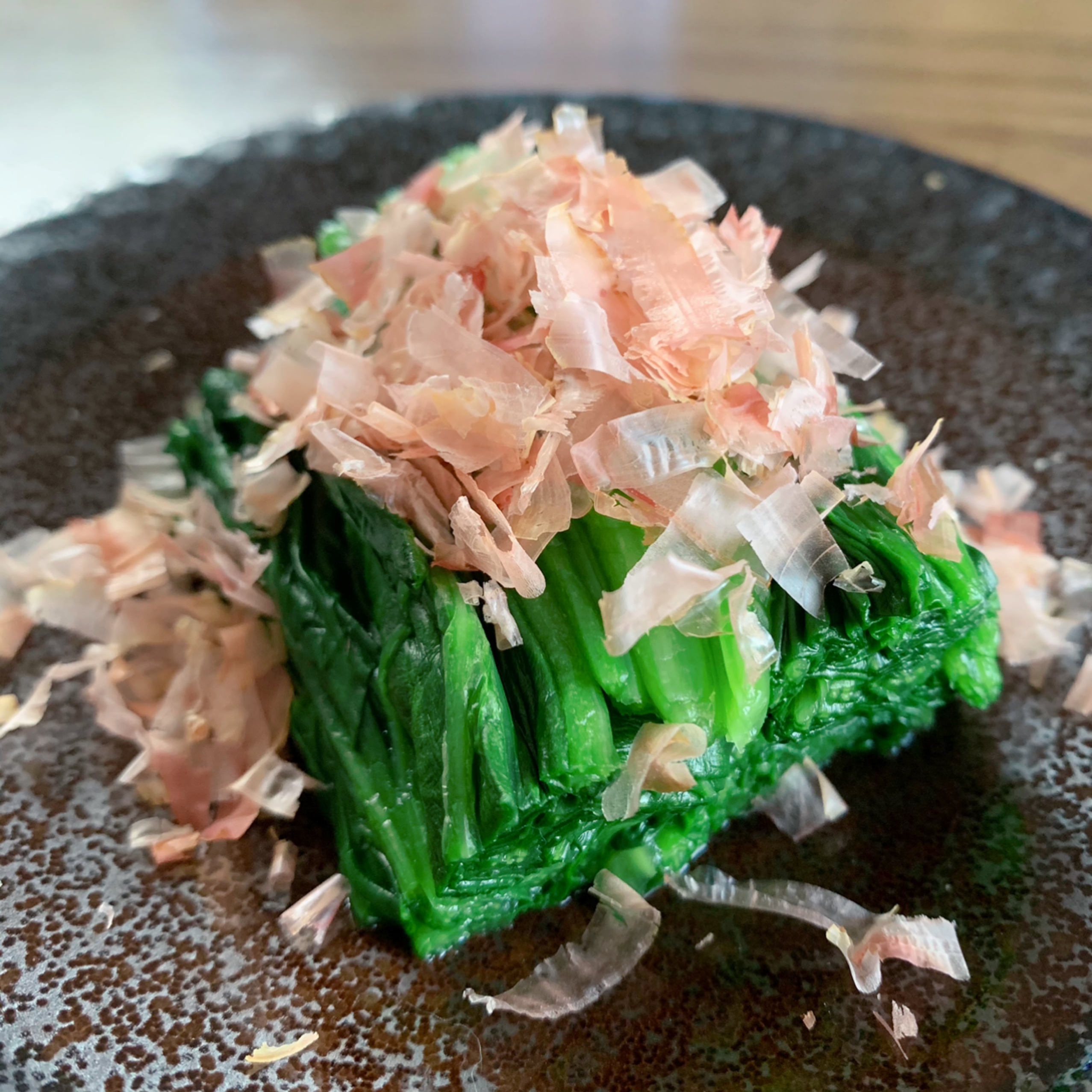
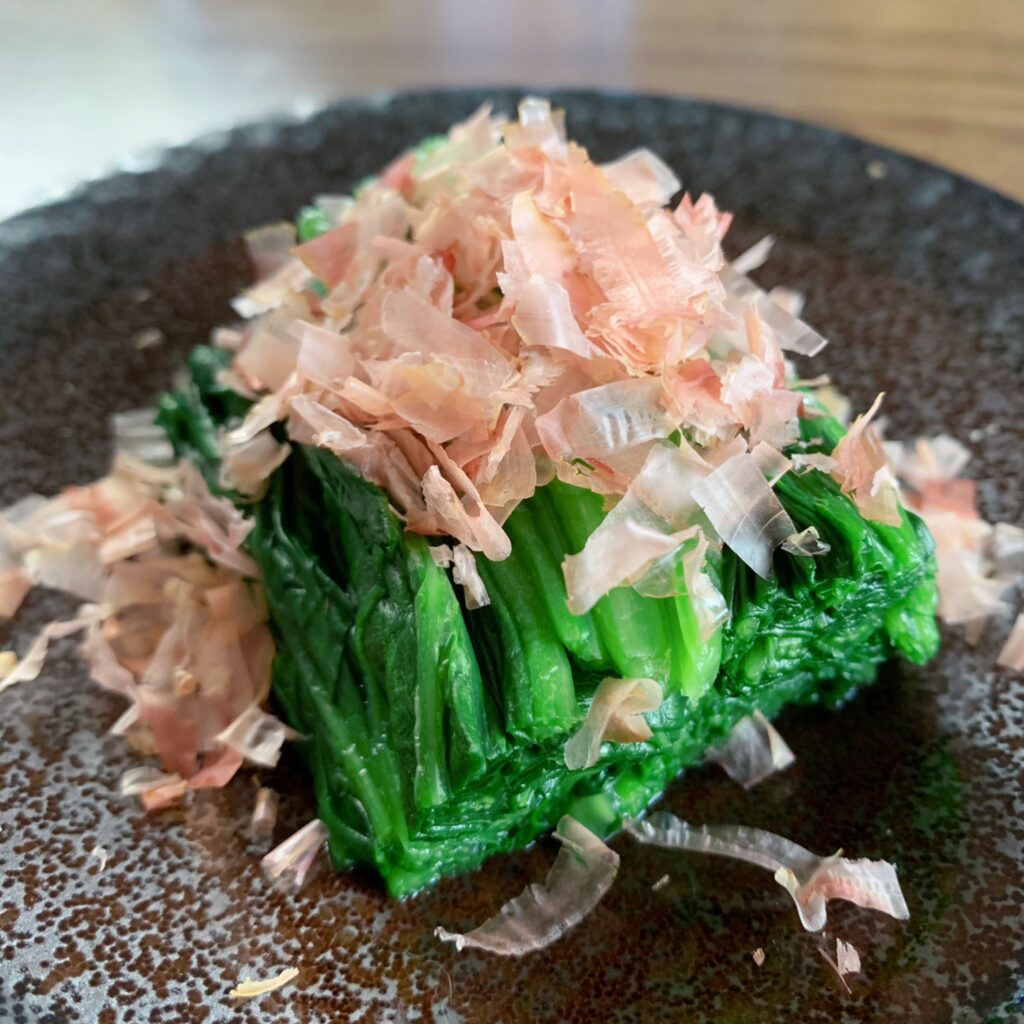
🥬 Horenso Ohitashi (Japanese Spinach Salad) / ほうれん草のお浸し
Horenso Ohitashi is a quiet staple of the Japanese table. It’s more than just a salad; it’s about the gentle process of soaking vegetables in dashi to bring out their natural sweetness.
Think of Ohitashi as a ‘Dashi Marinade.’ Unlike Western marinades that use oil and vinegar, this Japanese version uses the savory power of dashi to keep it light, healthy, and deeply flavorful. It’s the perfect fat-free side dish.
🥢What is Ohitashi?
The name comes from the word “hitashi,” which means “to soak.” The process is simple but precise: First, we quickly blanch the vegetables and immediately shock them in ice water. This technique preserves their crunchy texture and vibrant green color. Next, we soak them in a mixture of dashi, soy sauce, and mirin for at least an hour to allow the flavors to infuse deep into the core.
Boiled spinach topped with soy sauce is not called “ohitashi.” If you make it with just soy sauce, it tends to be salty and harsh. On the other hand, by letting the ingredients absorb the mellow, flavorful broth, you can reduce the salt content while still achieving a gentle, mellow flavor.
While it may seem like a simple dish, a few small steps—like proper blanching to remove bitterness and choosing a good dashi—can make a big difference. Let’s look at how to prepare this healthy, comforting dish the right way.
The Three Sisters of Hitashi:
- Ohitashi: Boiled vegetables marinated in cold dashi.
- Agebitashi: Fried vegetables (like eggplant or pumpkin) marinated in dashi.
- Nibitashi: Vegetables simmered in dashi and cooled together to deepen the flavor.
🧪 Science & Nutrition
Spinach is a quintessential green and yellow vegetable. It is highly regarded for its exceptional nutritional value, being rich in vitamins, calcium, and iron. Interestingly, spinach is actually the vegetable in which folic acid was first discovered.
While spinach is highly nutritious, it also contains high levels of oxalic acid, commonly known as “aku” (bitterness or lye) in Japanese. Oxalic acid is known to combine with calcium, which can lead to the formation of kidney stones. There are also concerns that it may inhibit iron absorption and has even been discussed regarding potential carcinogenic risks.
Why we boil and shock spinach:
- Oxalic Acid Removal: Oxalic acid is water-soluble; boiling with salt or baking soda helps extract it.
- Color Preservation: Salt stabilizes chlorophyll, while an ice bath stops residual heat from turning the leaves brown.
- Nutrient Protection: Brief boiling (1–2 mins) helps suppress the oxidation of Vitamin C.
💡 Pro-Tips for Other Vegetables
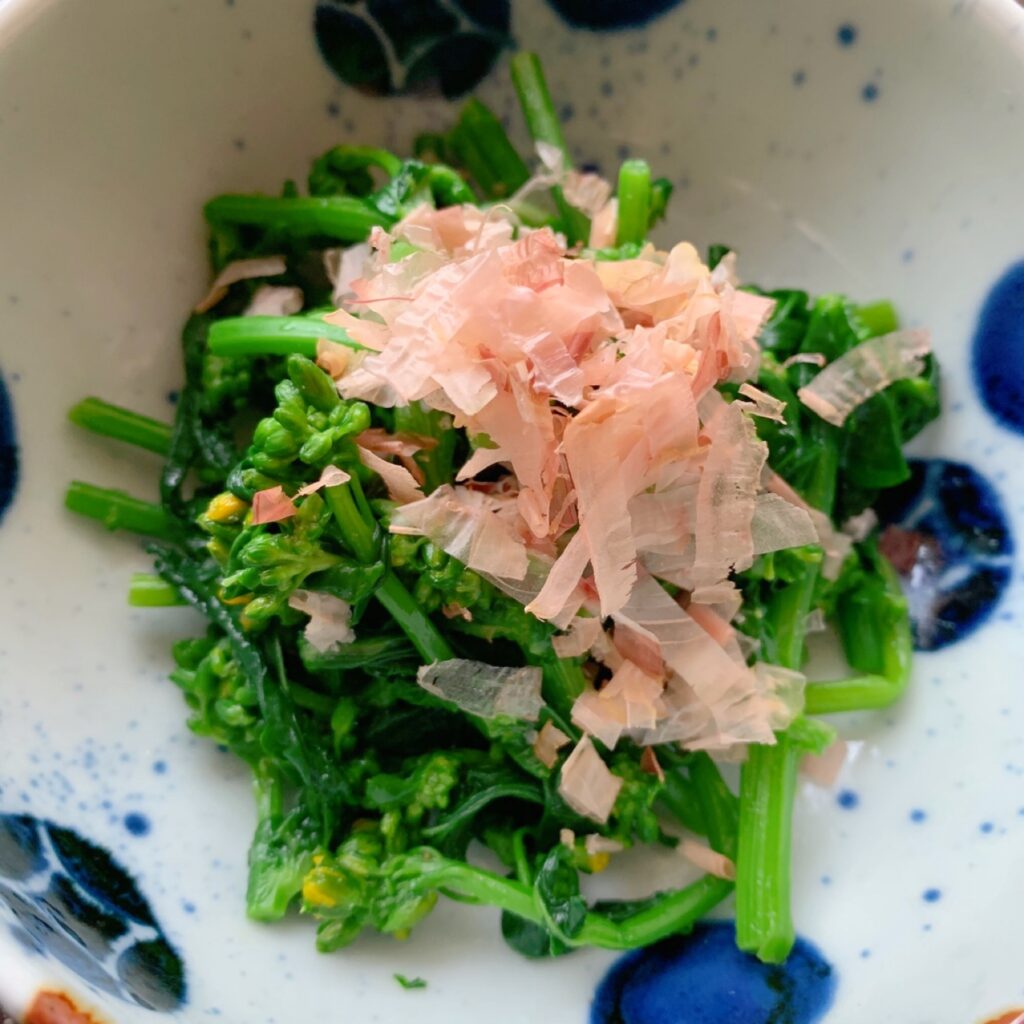
You can enjoy this dish with a variety of other vegetables, such as Komatsuna (Japanese mustard spinach), Nanohana (rape blossoms), Shungiku (garland chrysanthemum), or Hakusai (Napa cabbage).
Vegetables like Nanohana, Shungiku, Fukinotou (butterbur buds), and Seri (Japanese parsley) are exceptionally nutritious. However, they can have a strong “grassy” aroma and a distinct bitterness. To balance these flavors, I recommend adding a touch of Karashi (Japanese mustard) or Yuzu Kosho (citrus chili paste) to the marinade.
The Finishing Touch Always remember to top your dish with Katsuobushi (bonito flakes). It adds a rich aroma and savory depth to an otherwise simple dish, making the flavor profile much more complex and rewarding.
The photo below shows Ohitashi made with Nanohana. 👇👇👇
📝 Nutritional Information per Capita (Estimated)
- Calorie: 23 kcal
- Protein: 2.4 g
- Total Fat: 0.1 g
- Total Carbohydrates: 3.5 g
- Salt Equivalents: 0.5 g 〜 0.7 g
👜Ingredients (Serves 3)
- Main: 200g Spinach
- Boiling Water: Boiling water: 1000g water + 1g salt [Golden ratio] Use 1% salt for every 5 times the weight of water as spinach.
- The Marinade (Dashi Mixture):
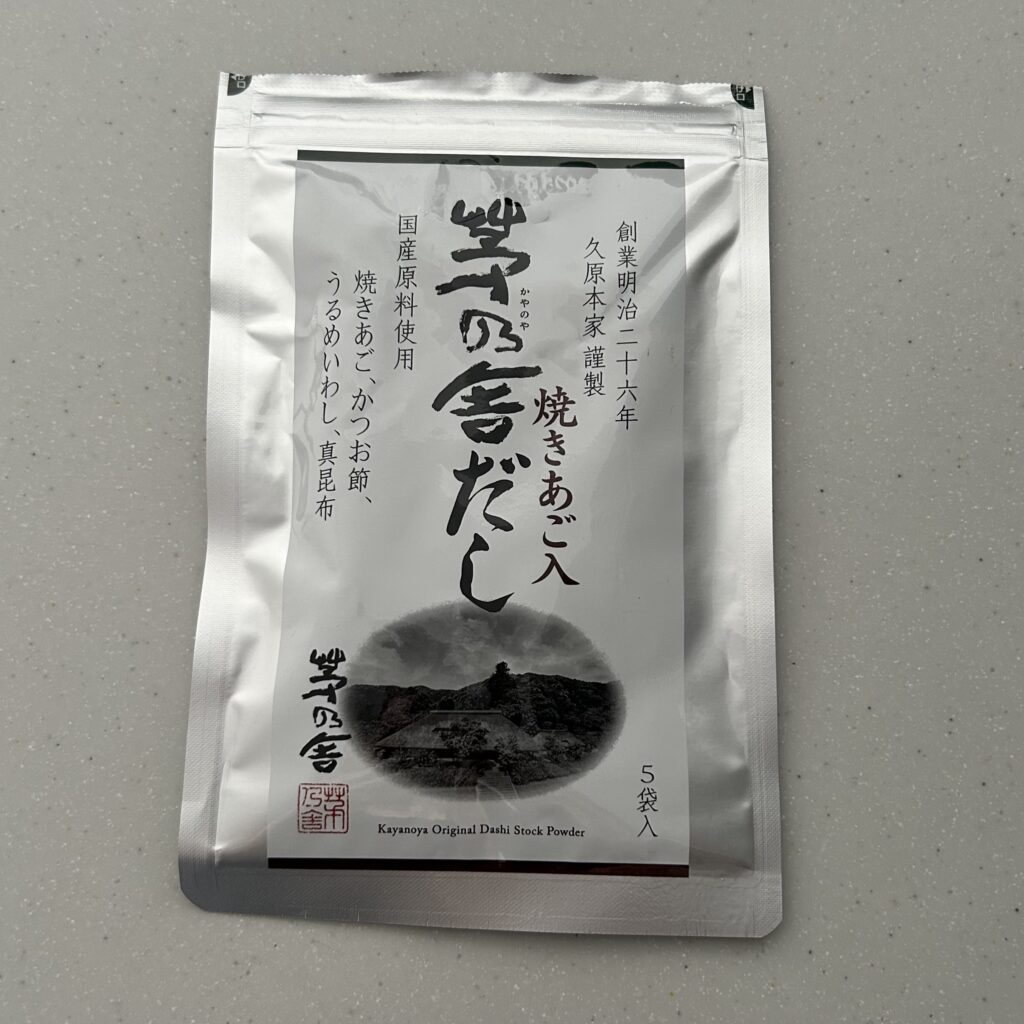
- 1 Packet Kayanoya Dashi (No chemical seasonings/preservatives)
- 400g Water (You will use 60g of the finished dashi for this recipe)
- 5g Dark soy sauce (for depth of flavor)
- 4g Light soy sauce (to maintain bright color)
- 7g Mirin
- Topping: Katsuobushi (Bonito flakes)
💡 The Secret to the Flavor: Kayanoya Dashi
To achieve an authentic and professional taste, we recommend using Kayanoya Dashi.
- Premium Quality: This soup stock is crafted from carefully selected Japanese ingredients, with no chemical seasonings or preservatives added.
- Salt Content Note: One packet (1P) of Kayanoya Dashi contains approximately 1.0g of salt.
- 🔗 Official Website: Kayanoya Japan
🍳 How to make ohitashi
- Prepare Dashi: Soak the Kayanoya dashi packet in 400g water for 1 hour.
- Wash: Carefully clean the spinach roots to remove all soil.
- Boil: Bring 1L of water to a boil with salt. Insert spinach stem-side first, then submerge the leaves. Boil for only 1 to 2 minutes.
- Shock: Immediately move spinach to ice water to lock in the bright green color.
- Prep Spinach: Squeeze out excess water and cut into 4–5cm pieces.
- Mix Sauce: Combine 60g of your prepared dashi, both soy sauces, and mirin. Microwave for 1 minute, then let cool.
- Marinate: Place spinach in a flat container, pour the mixture over it, and ensure it is evenly soaked.
- Chill: Refrigerate for at least 1 hour to let the flavors infuse.
- Serve: Plate the spinach and top with a generous amount of bonito flakes for aroma and flavor.
📖Read the Japanese version of this article here! [おひたしをマスターしよう:日本の伝統的なほうれん草サラダのレシピ]


コメント