🍚 All About Rice: From Daily Staples to Festive Treats
Rice is more than just a side dish; it’s a global foundation of flavor. Understanding the three main varieties helps you choose the right grain for every meal.
The Three Main Varieties
| Variety | Shape | Characteristics | Common Regions |
| Japonica | Short & Round | High moisture, soft, and very sticky. | Japan, Korea, NE China. |
| Indica | Long & Slender | Dry, fluffy, and light. Best for fried rice. | India, SE Asia, Middle East. |
| Javanica | Large & Bold | Intermediate size; slightly sticky texture. | Java, Americas, Spain, Italy. |
🌾 Non-Glutinous vs. Glutinous: The Science of “Sticky”
The secret to rice texture lies in its starch. All three varieties above come in both non-glutinous (regular) and glutinous (sticky) forms.
- Non-Glutinous Rice: Contains a mix of amylose and amylopectin (roughly a 2:8 ratio). This provides a balance of structure and softness.
- Glutinous Rice (Mochigome): Contains 100% amylopectin. This is why it becomes incredibly chewy and “stretchy” when cooked—perfect for mochi and festive rice dishes!
👨🍳 Pro Cooking Tips
To get the best results, you need to treat these grains differently:
For Non-Glutinous Rice (Regular Rice)
- Soak: Always soak for 30 minutes before cooking. This ensures the heat reaches the center of the grain for a fluffy finish.
- Water Ratio: Use 1.2 to 1.4 times the weight of the rice (e.g., 180–210g water for 150g rice).
For Glutinous Rice (Mochigome)
- No Soaking: It absorbs water much faster than regular rice, so you can skip the soak.
- Handle with Care: Wash it gently to avoid breaking the delicate grains.
- Water Ratio: Use less water—about 1.0 to 1.2 times the weight (e.g., 150–180g water for 150g rice).
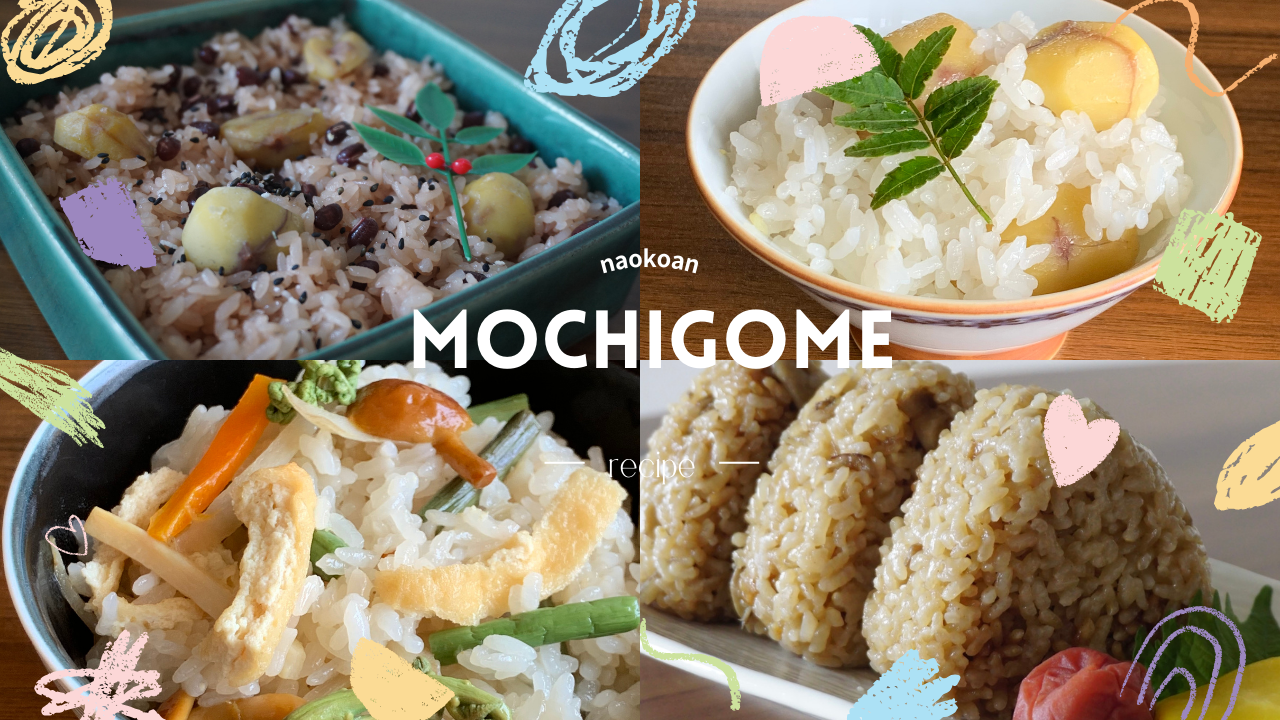
🥢 Featured Mochigome Recipes
Make the most of that signature chewy texture with these classic Japanese dishes!
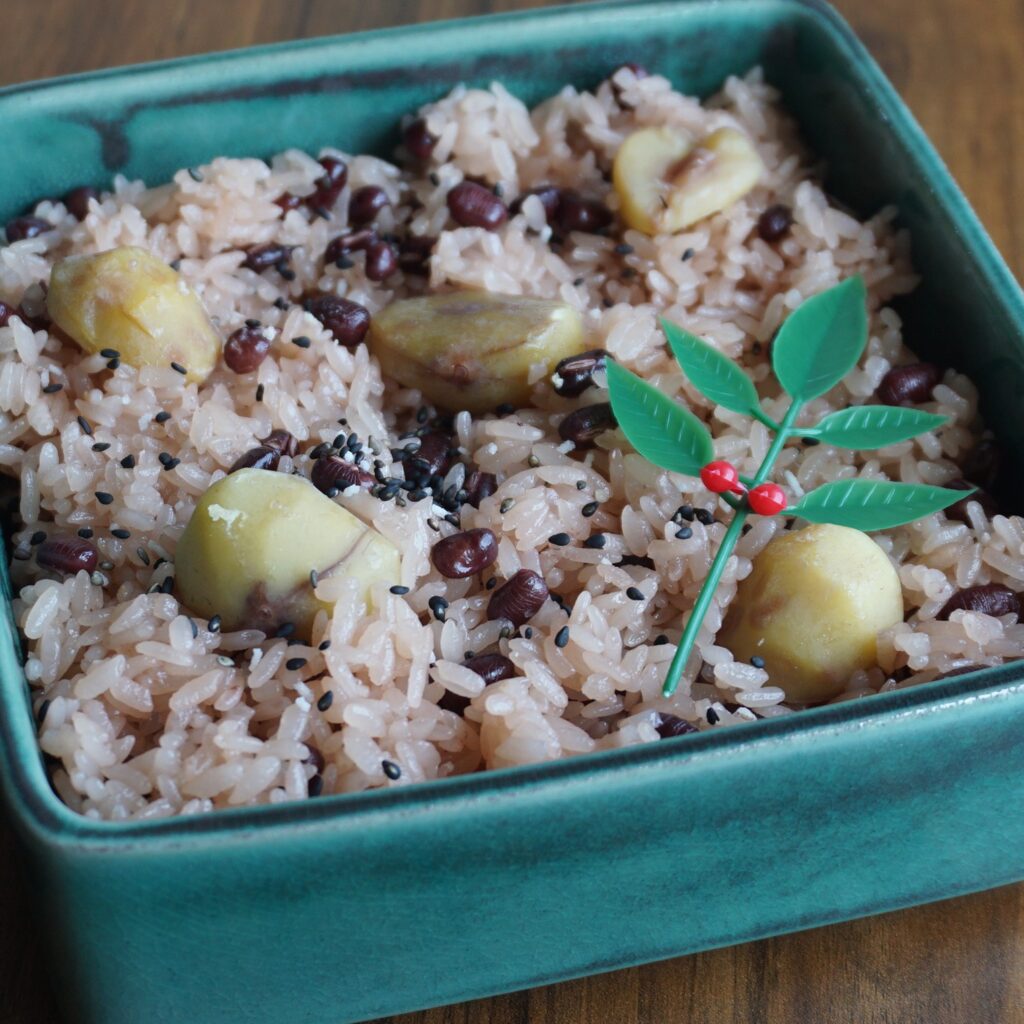
Easy Sekihan (Red Bean Rice)
“Red Rice, Good Luck: The Secret to Perfect Sekihan”
In Japan, we celebrate life’s milestones with a bowl of Sekihan—steamed sticky rice with azuki beans. The vibrant red color is more than just beautiful; it’s a traditional symbol of protection and good fortune. While it’s often served at birthdays and festivals, my latest recipe brings this tradition to your daily table using a simple rice cooker! I’ve even added chestnuts for an extra touch of sweetness. Ready to bring some luck to your kitchen?
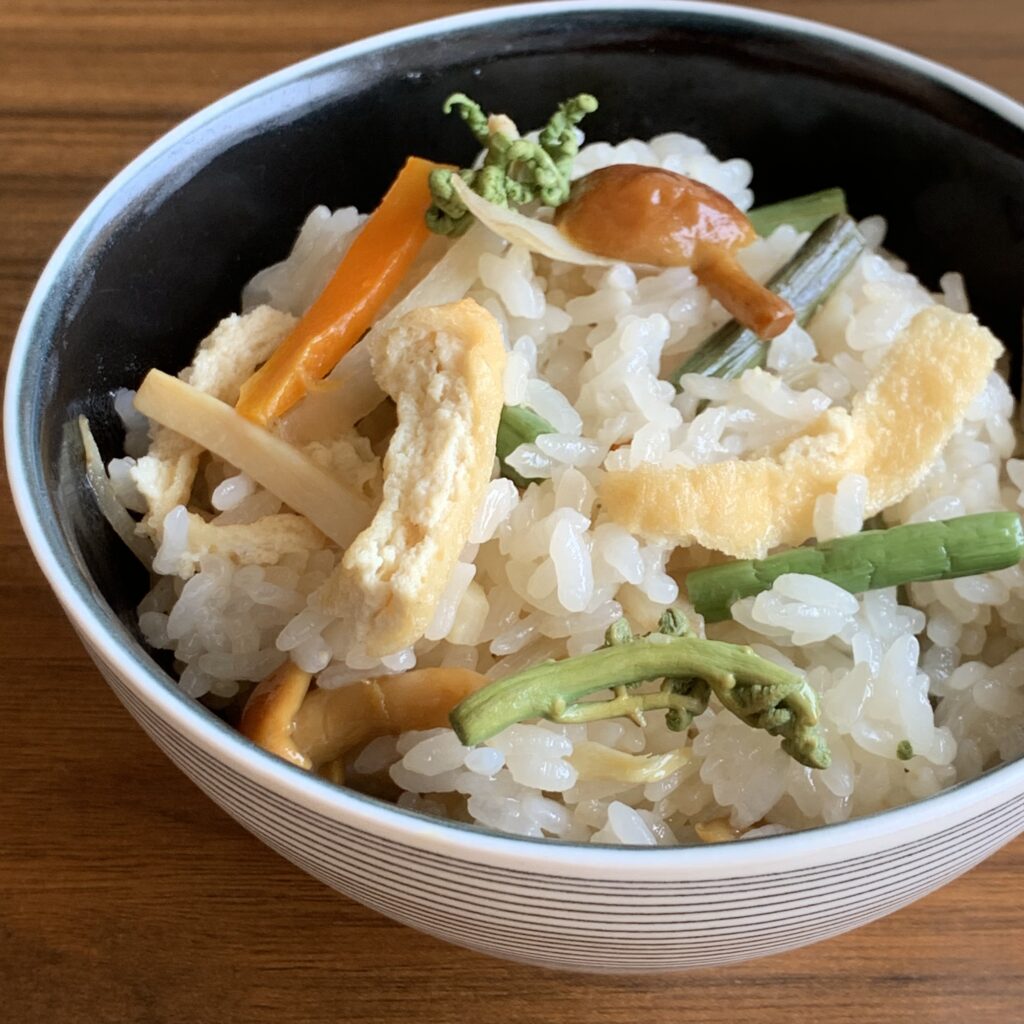
Sansai Okowa (Wild Vegetable Sticky Rice)
“A Forest Feast: Traditional Sansai Okowa Made Easy 🌿”
In Japan, the arrival of spring is signaled by the earthy, slightly bitter flavors of Sansai (wild mountain vegetables). Traditionally, these were foraged by hand, but today, you can capture that rustic mountain flavor any time of year using a convenient “Sansai Mix”! My recipe for Sansai Okowa uses chewy glutinous rice to create a satisfying, savory dish that’s just as delicious cold in a bento as it is steaming hot. It’s like a walk through the Japanese countryside in every bite.
Grandma’s Special Torimeshi (Chicken Rice)
“A Taste of Home: Grandma’s Secret Oita Torimeshi 🍗✨”
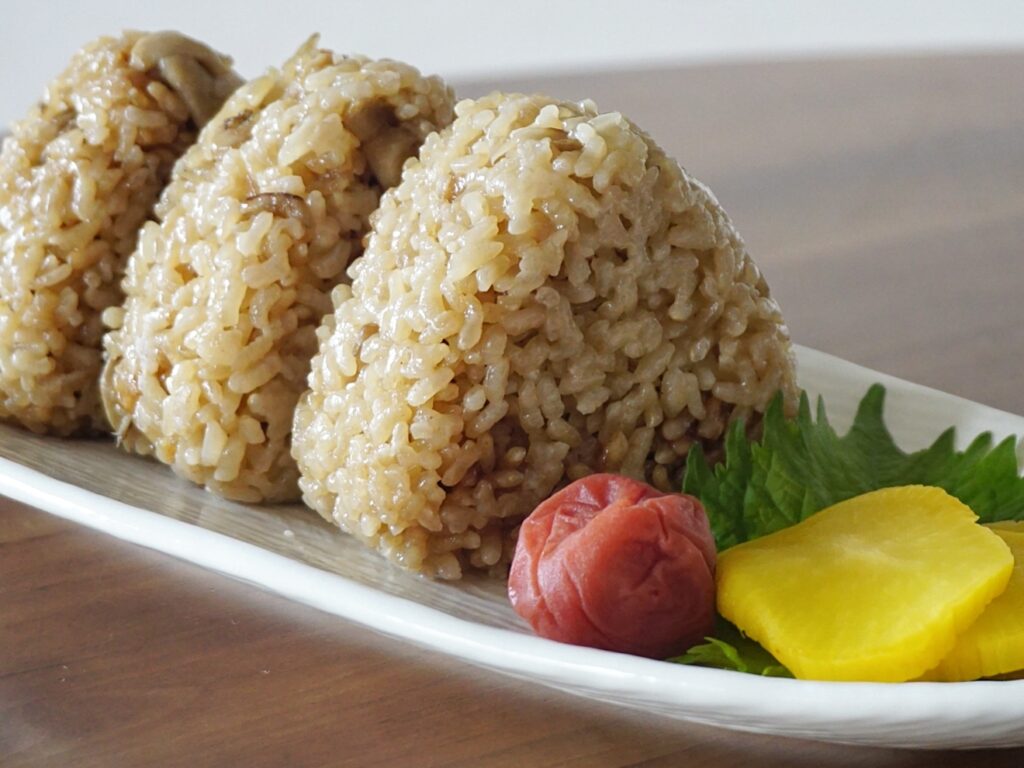
This isn’t just a recipe; it’s a piece of my heart. Growing up in Oita, I watched my grandmother make everything from scratch, but her Torimeshi (Chicken Rice) was always my favorite. Made with chewy glutinous rice, savory chicken, and the rustic aroma of burdock root, this dish is the ultimate Japanese soul food. I’ve updated her traditional method so you can make it easily in a modern rice cooker without losing that authentic “handmade” magic. Taste the tradition in every bite!
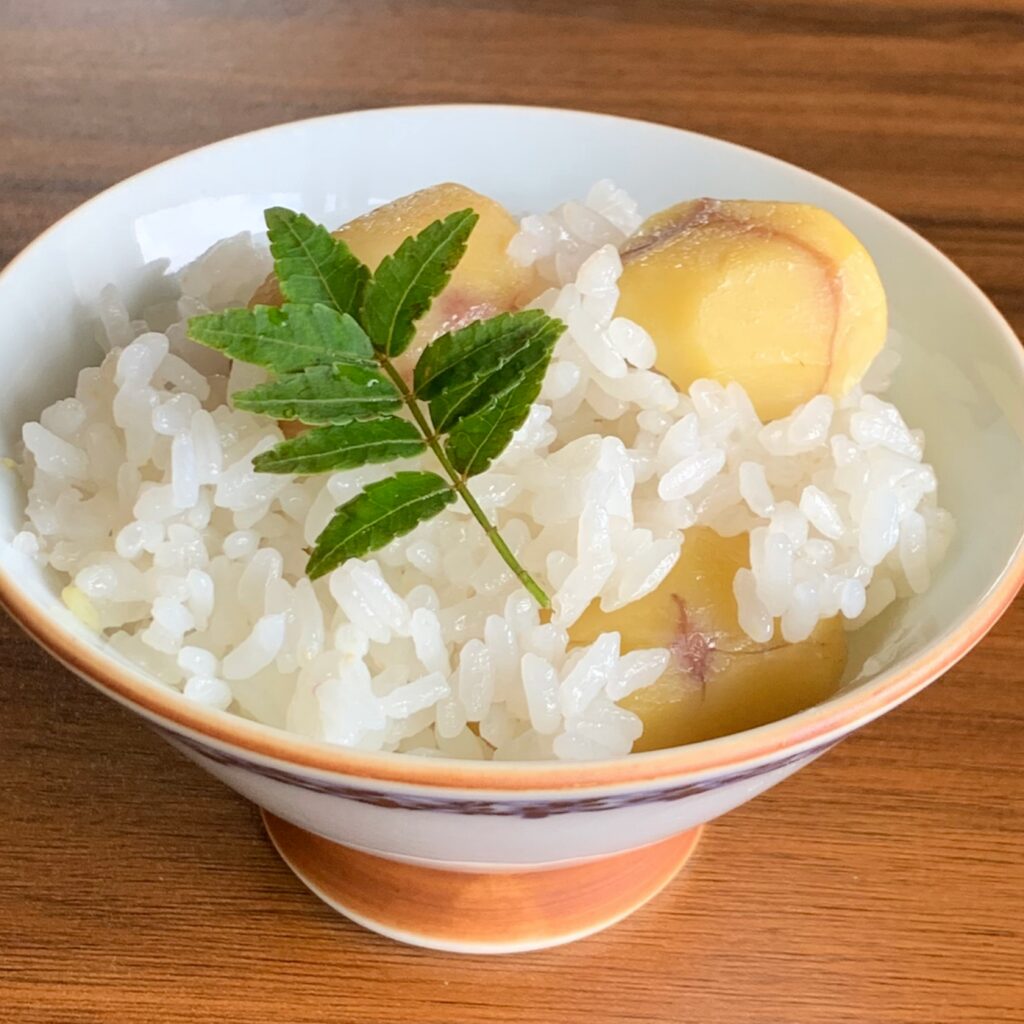
Kuri Gohan (Chestnut Rice)
“Autumn in a Bowl: Easy Rice Cooker Kuri Gohan 🌰🍚”
Nothing says autumn in Japan like the sweet, earthy aroma of chestnuts. This Kuri Gohan (Chestnut Rice) is the ultimate seasonal comfort food. By mixing regular rice with glutinous rice (mochigome), we create what’s known as “Kuri Okowa”—a chewy, satisfying dish that highlights the natural sweetness of the chestnuts with just a pinch of salt. It’s simple, elegant, and tastes like a cozy fall afternoon.
📖Related Link: Read the Japanese version of this article here! [完璧な日本米(もち米)の炊き方]
#もち米 #おこわ #モチモチ #おうちごはん #StickyRice #GlutinousRice #JapaneseFood #TraditionalCooking

コメント