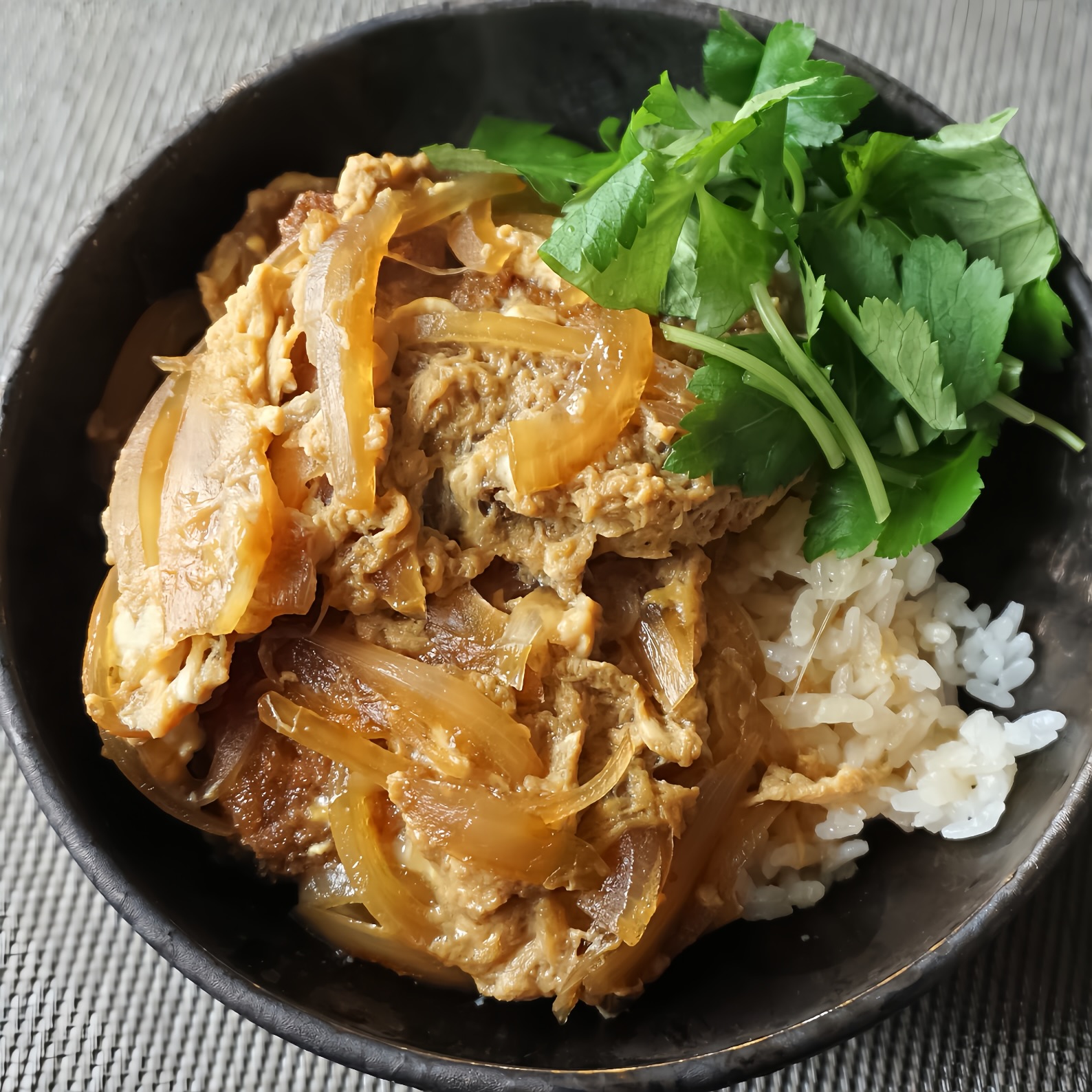
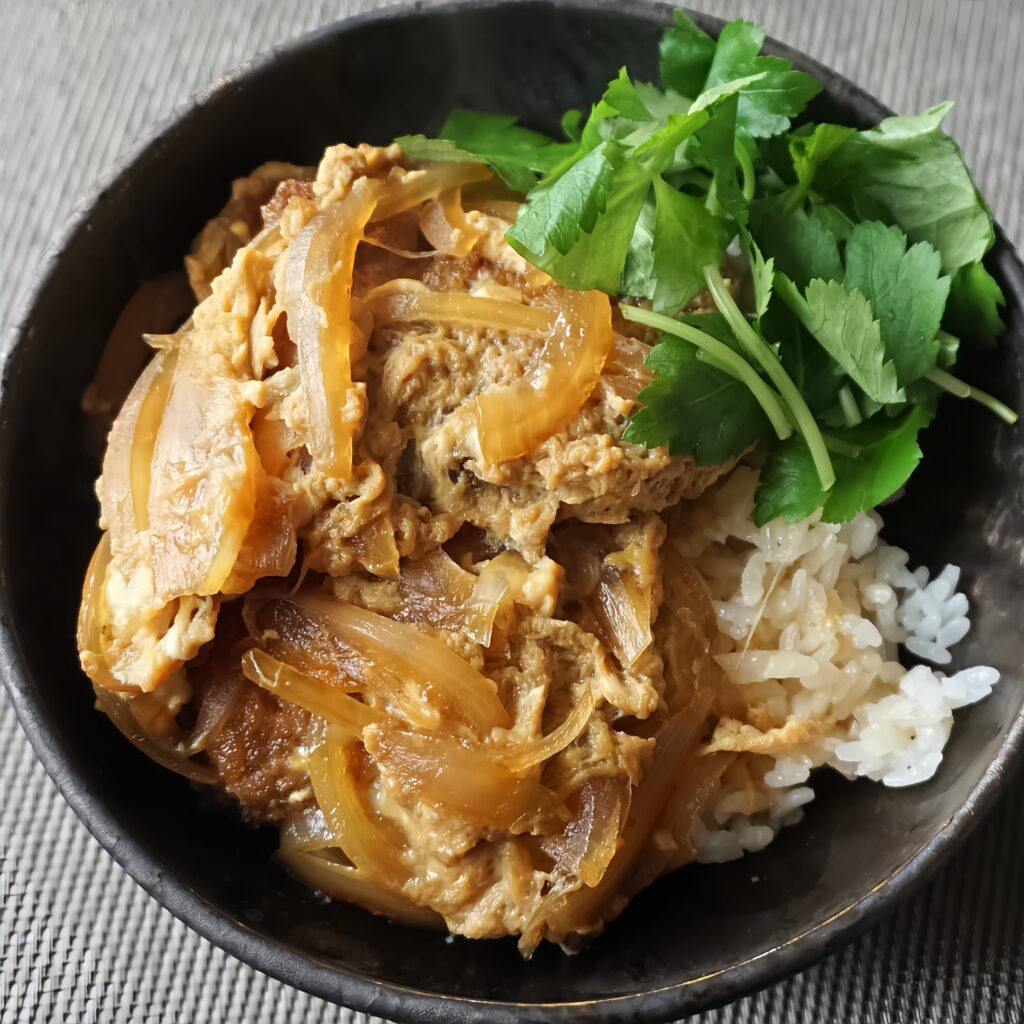
Hirekatsu don (Pork Fillet Cutlet Bowl)
What is Hirekatsu don?
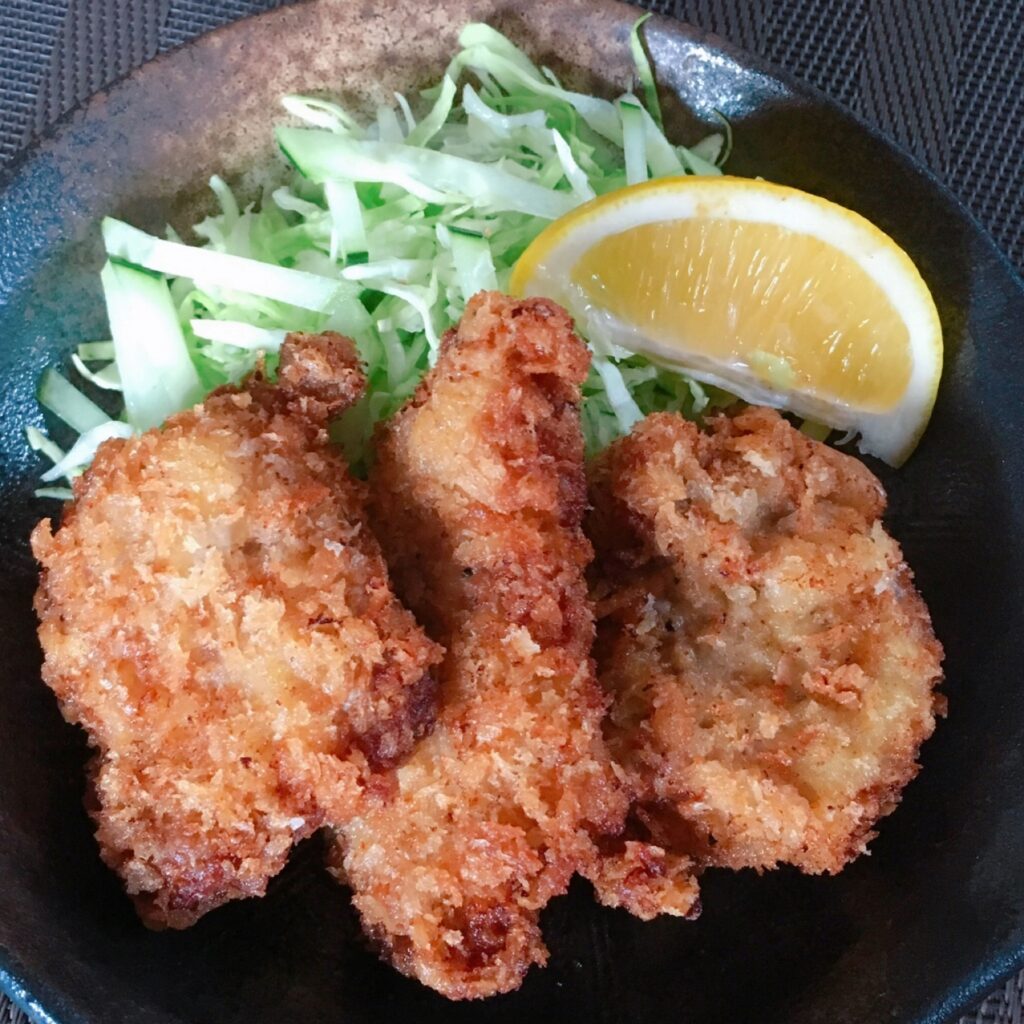
Hirekatsu don is a comforting Japanese rice bowl featuring tender pork fillet cutlets simmered in a savory dashi-soy broth with silken beaten eggs.
While the more common Tonkatsu typically uses pork loin, this recipe features pork tenderloin—known as “hire” in Japan or “fillet” in the UK. Because tenderloin is significantly leaner than loin, it results in a lighter, yet incredibly tender katsu.
In Japan, donburi (rice bowl) dishes like Gyudon (beef), Oyakodon (chicken and egg), and Katsudon are essential lunchtime staples for busy workers because they are satisfying and quick to eat. This recipe is also a brilliant way to “upcycle” leftover frozen fried katsu, giving them a new life in a delicious, juicy simmered dish.
The Secret of Pork Tenderloin (Butahire)
Pork tenderloin is a premium cut, accounting for only about 2% of the meat from a single pig.
Interestingly, while most meat requires fat for tenderness, the “hire” remains incredibly soft despite being very lean. This is because it is tucked inside the bone where it is rarely impacted by the animal’s movement. Since the muscle doesn’t “work” as much as other cuts, the fibers remain delicate and easy to bite through.
Nutrition Facts (Per Serving)
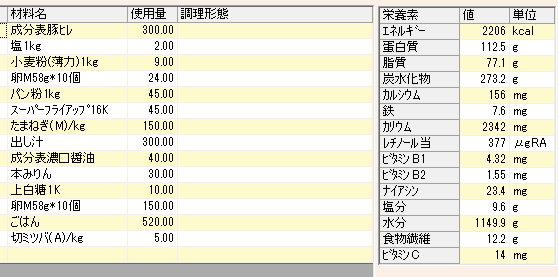
Based on 3 servings
- Calories: 735 kcal
- Protein: 37.5 g
- Total Fat: 25.7 g
- Total Carbohydrates: 91.0 g
- Sodium: 3.2 g
(Calculations account for standard absorption rates: flour 3%, egg 8%, panko 15%, and frying oil 15%)
Ingredients (Serves 3)
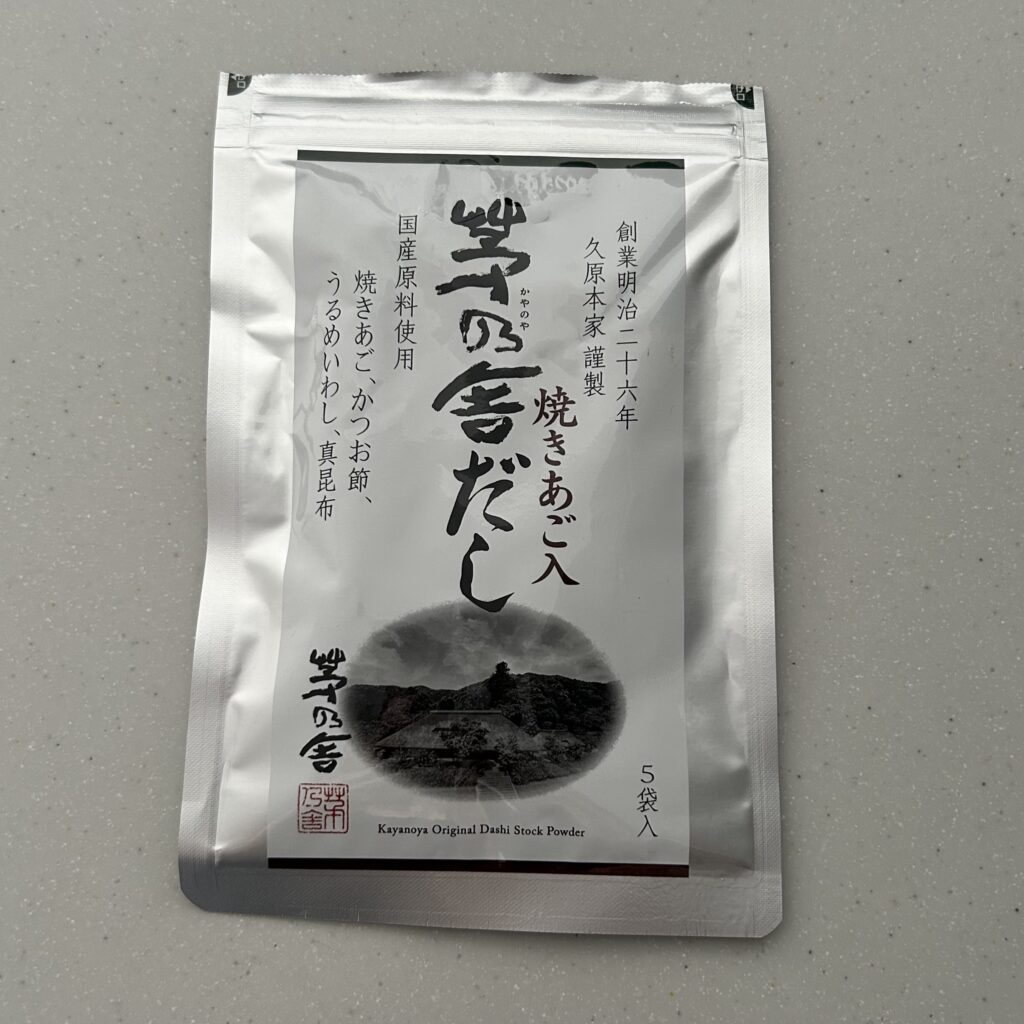
The Hirekatsu:
- Pork tenderloin: 300g (cut into nine 30g pieces)
- Salt: 2g
- Black pepper: To taste
- Flour: 20g
- Egg: 50g (1 large)
- Panko (bread crumbs): 90g
- Frying oil: 300g (for deep frying)
The Donburi & Broth:
- Steamed rice: 520g
- Eggs: 3 large (for the topping)
- Onion: 150g (thinly sliced)
- Dashi soup: 300g (kayanoya dashi pack + hot water300g )
- Soy sauce: 40g
- Mirin: 30g
- Sugar: 10g
- Mitsuba (Japanese parsley): For garnish
Instructions
Step 1: Prepare the Hirekatsu
- Prep the Meat: Cut the pork tenderloin into 30g pieces. Pierce the meat in several places with a fork and pound gently with the back of a knife to break down the fibers. This ensures a remarkably tender texture.
- Season: Sprinkle salt and pepper evenly over the surface of the meat.
- Make the Batter: Place the flour in a bowl and add water a little at a time, mixing thoroughly until all lumps disappear and the mixture is a smooth paste. Once the paste is completely uniform, add the egg and whisk until well combined.
- Coat: Dip the pork into the batter, then press firmly into the panko breadcrumbs. Let them rest for about 5 minutes; this allows the breadcrumbs to adhere perfectly and prevents the coating from peeling.
- Fry: Heat the oil to 170°C (338°F). Fry the cutlets for approximately 10 minutes until golden brown and crispy. Transfer to a wire rack to drain.
Step 2: Assemble the Katsudon
- Prepare the Dashi: Steep a Kayanoya dashi pack in hot water. (If using Hon-dashi or instant dashi powder, dissolve 2g of the powder in 30g of hot water).
- Simmer Onions: Place the dashi and sliced onions in a small saucepan and simmer until the onions are soft.
- Tip: Microwave the onions for 2 minutes beforehand to significantly reduce the simmering time.
- Season: Add the soy sauce, mirin, and sugar. Simmer for a few minutes, then turn off the heat to let the flavors soak into the onions.
- The Simmering Process: (Prepare in single-serving batches for the best presentation). Keep one serving of the broth and onions in the pan, setting the rest aside. Arrange the hirekatsu in the pan and bring the broth back to a boil.
- The Finish: While the broth is boiling, pour the beaten egg in a circular motion over the katsu. Turn off the heat once the egg is soft-set (half-cooked).
- Serve: Gently slide the katsu and egg over a bowl of warm rice. Garnish with mitsuba and serve immediately!
💡 Cooking Tip
If you are using frozen pre-made katsu, simply give them a quick thaw in the microwave or let them defrost in the refrigerator. You can then place them directly into the simmering dashi; the broth will heat them through perfectly while the coating absorbs the savory flavor.
📖Read the Japanese version of this article here! [驚くほど柔らか!豚ヒレカツ丼のレシピ|ダマにならないバッター液の秘密]

コメント