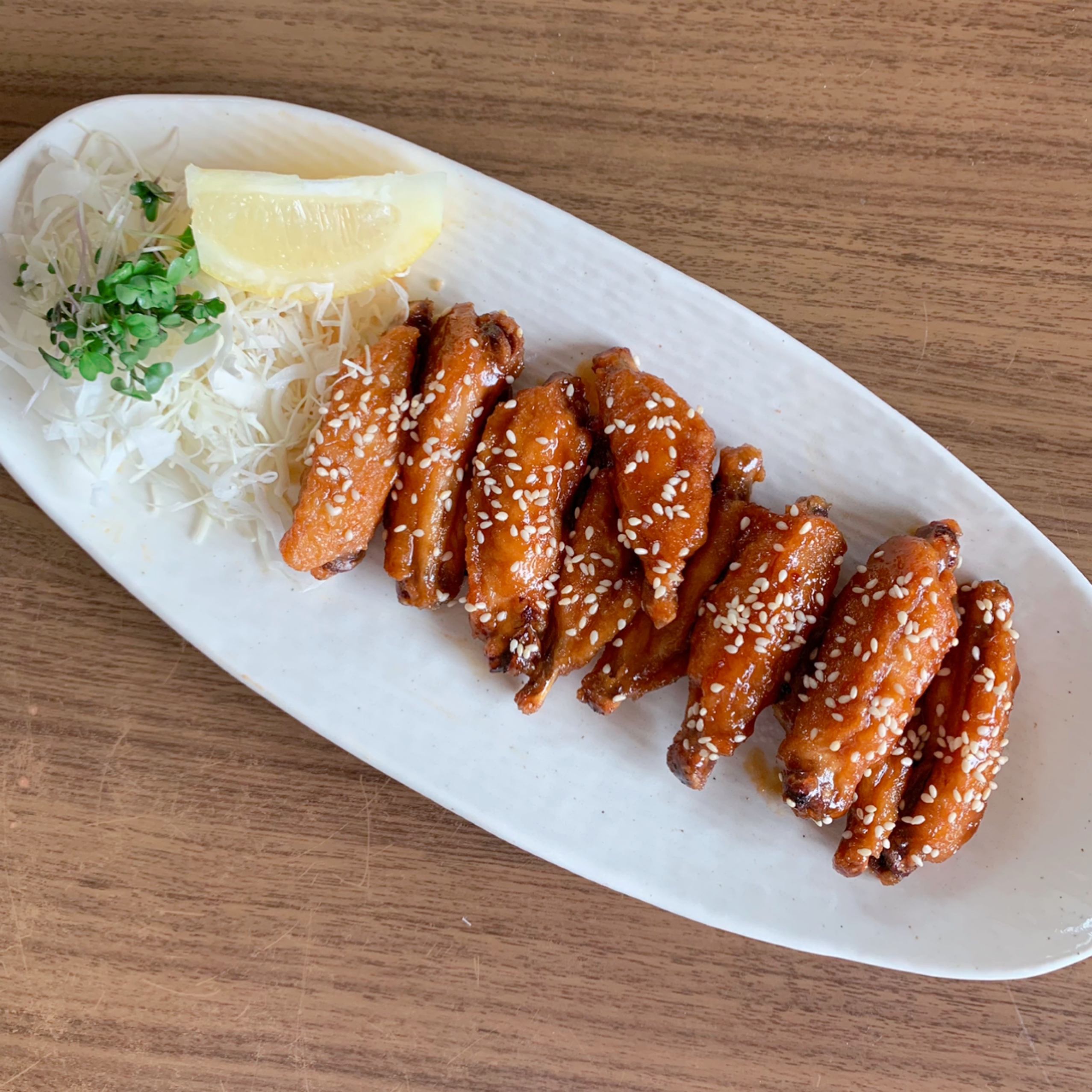
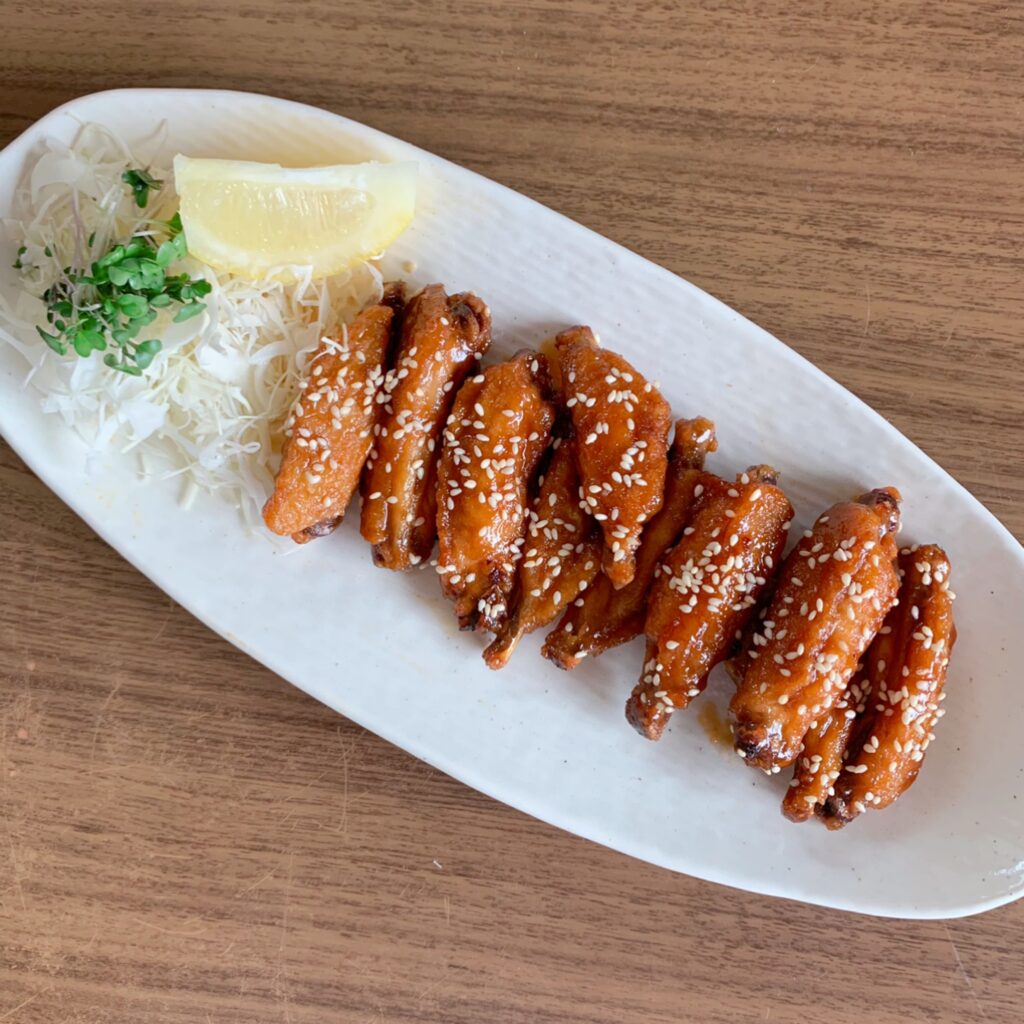
- Crispy Tebanaka Karaage (Chicken Winglets) with Sweet & Savory Amakara Sauce
- What is “Tebanaka”? (The Chicken Wing Middle Section)
- The Secret of “Amakara” Sauce
- INGREDIENTS : Tebanaka Karaage (Serves 2)
- How to Make Tebanaka Karaage
- NUTRITION FACTS (Per Serving)
- Complete Your Meal: A Balanced Japanese Dinner
Crispy Tebanaka Karaage (Chicken Winglets) with Sweet & Savory Amakara Sauce
“Cheap! Quick! Delicious!” This Tebanaka recipe is the ultimate triple threat. ヽ(´▽`)/
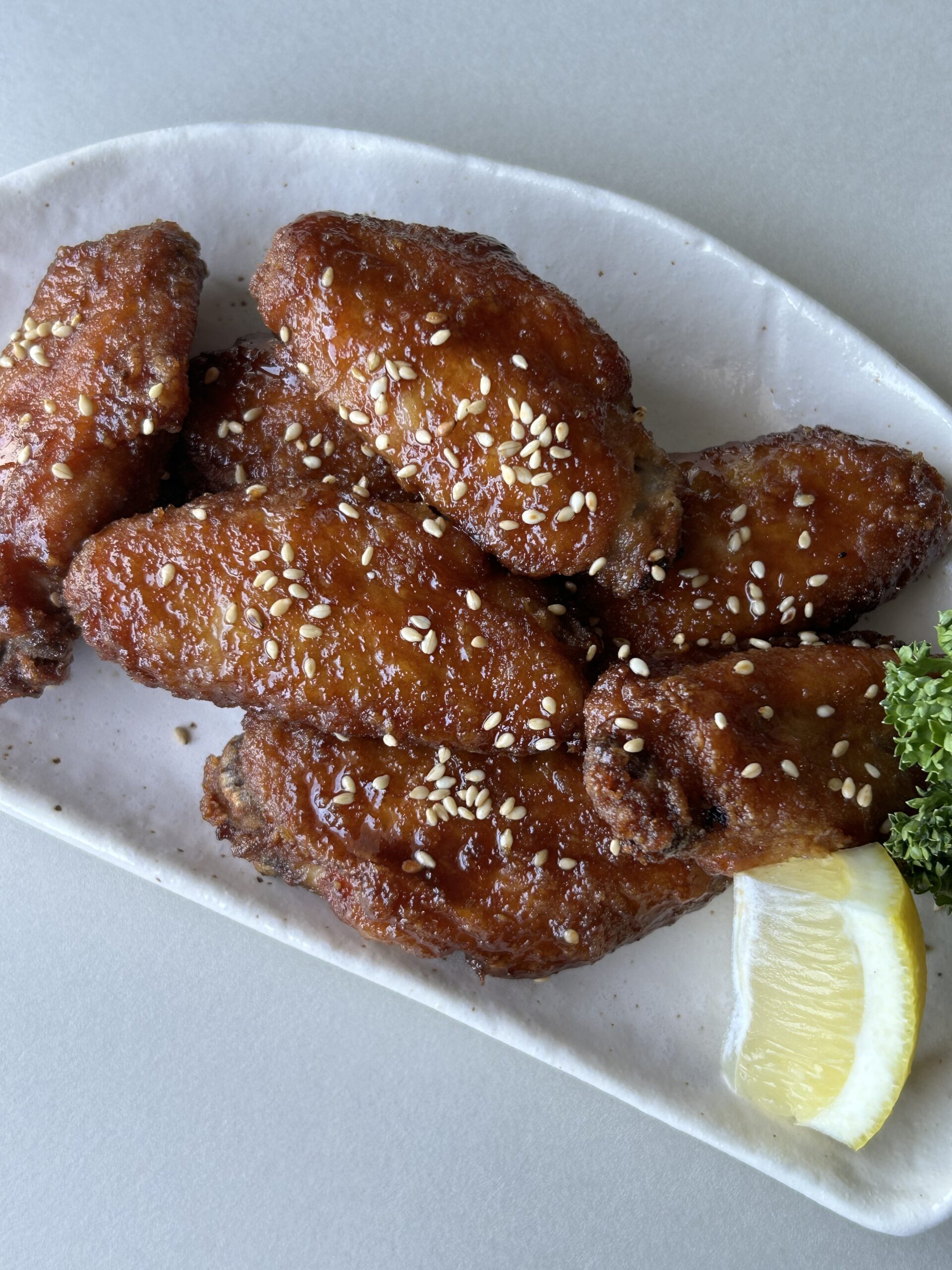
Are you craving that addictive, glazed chicken from your favorite Japanese izakaya? These deep-fried Tebanaka (chicken mid-wings) are tossed in a classic Japanese Amakara Dare—an irresistible, glossy glaze made from soy sauce, mirin, and sake.
Imagine the satisfying crackle of golden wings hitting the oil, followed by the sweet, savory aroma that fills your kitchen as the sauce caramelizes. I planned to save half for lunch the next day, but they disappeared in minutes. Once you start, you won’t be able to stop!
What is “Tebanaka”? (The Chicken Wing Middle Section)
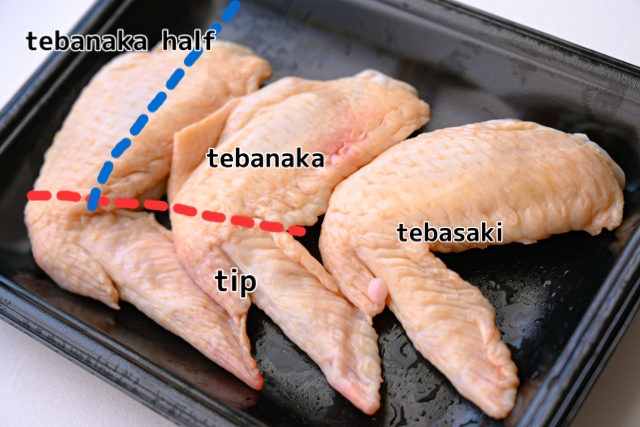
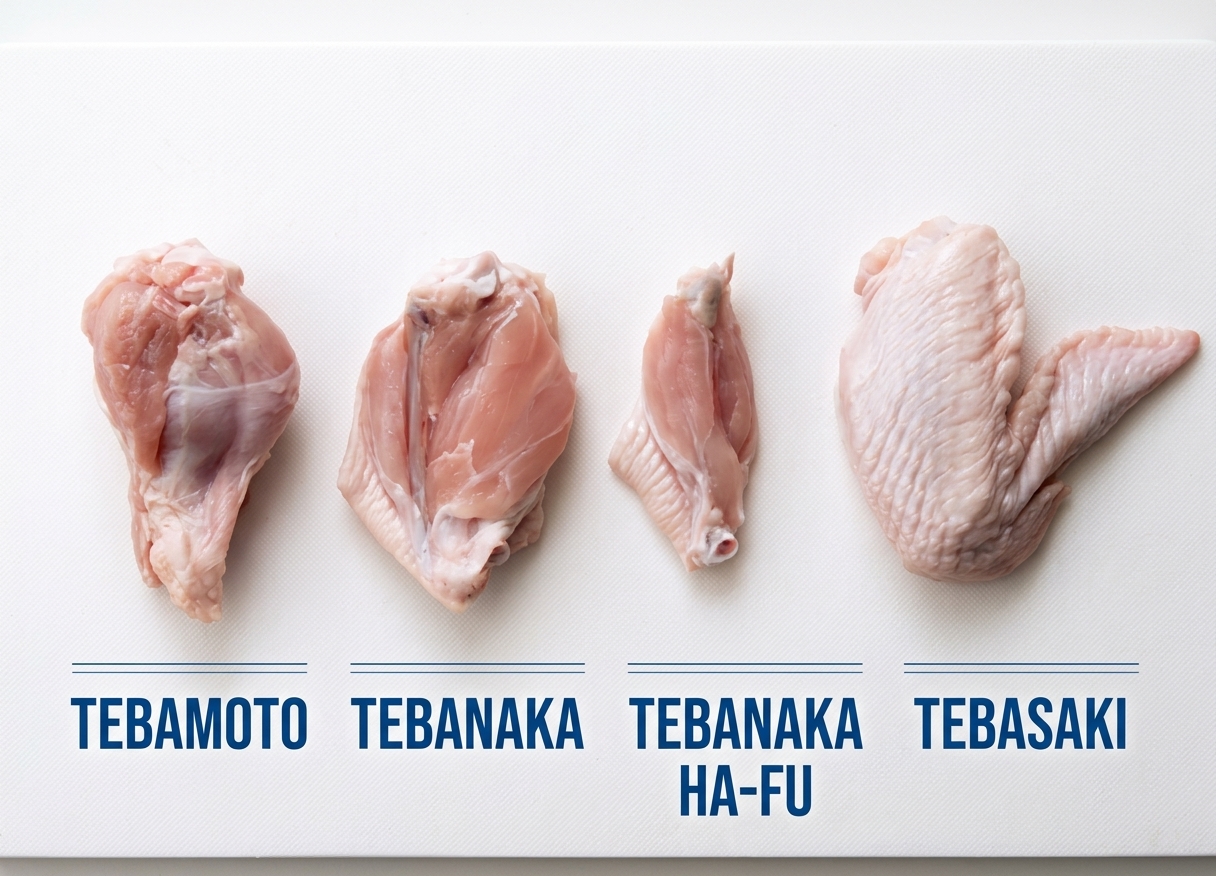
If you’ve ever wondered about the cuts of chicken in Japanese cuisine (often searched as tebanaka), here is a quick guide. In Japan, chicken wings are called Teba, and they are typically divided into three parts:
- Tebamoto: The drumette (the base of the wing)
- Tebasaki: The wing tip
- Tebanaka: The succulent middle section (also known as wingettes)
Why use Tebanaka? In Japanese cuisine, these are the ideal cut of chicken wings because the meat is concentrated around the two parallel bones, making them exceptionally juicy and packed with flavor. Best of all, they cook much faster than whole wings, and are easy to eat in one bite!
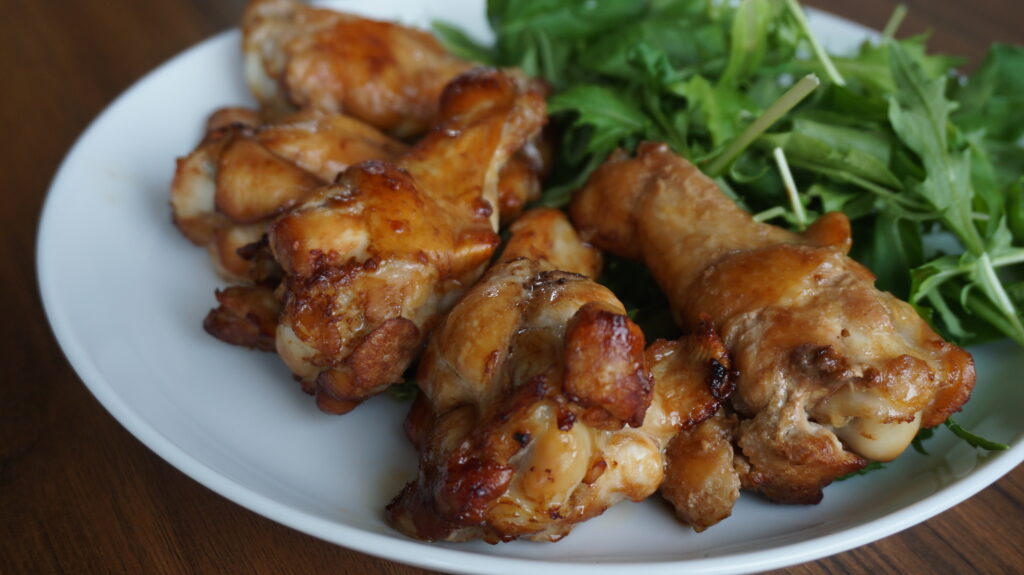
Craving a different cut? Check out this juicy [Japanese roast chicken recipe with garlic soy sauce (Tebamoto)]!
The Secret of “Amakara” Sauce
The word Amakara comes from two Japanese words:
- Ama: Sweet (from sugar and mirin)
- Kara: Salty (from soy sauce)
When you heat this mixture, caramelization occurs alongside the Maillard reaction (where amino acids in the soy sauce react with the sugar). This creates that beautiful glossy brown color and the deep, rich aroma that defines classic Japanese comfort food like Teriyaki.
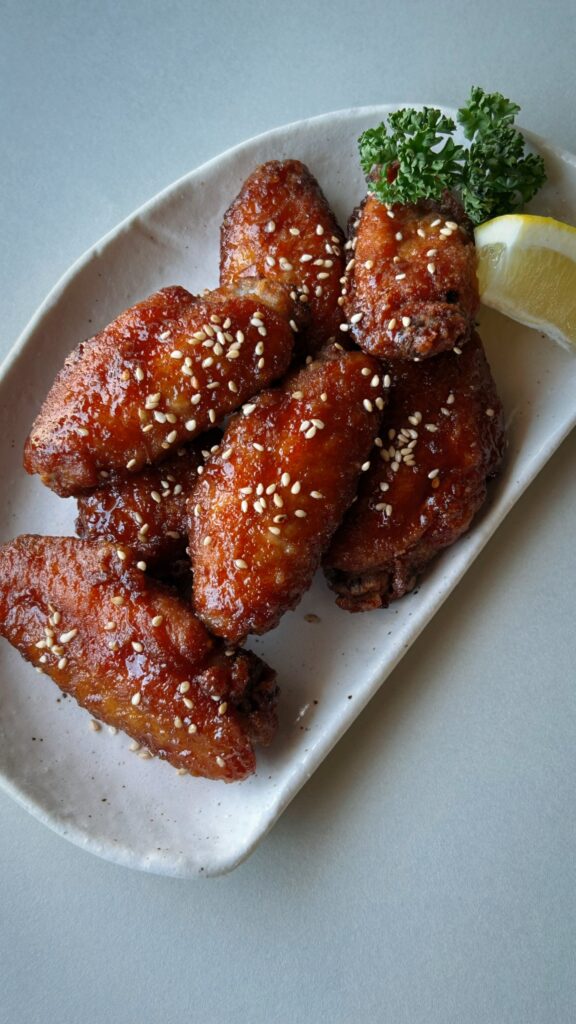
INGREDIENTS : Tebanaka Karaage (Serves 2)
- Chicken: 300g Tebanaka (chicken mid-wings)
- Seasoning: 2g Salt, plenty of Black Pepper
- Coating: 8g Wheat Flour (I recommend “cooking flour” for a lighter, non-sticky finish)
- Frying Oil: As needed
The Amakara Sauce (☆):
- 18g Soy sauce
- 15g Mirin
- 15g Sake
- 5g Sugar
- 30g Water
Topping:
- 2g White sesame seeds
How to Make Tebanaka Karaage
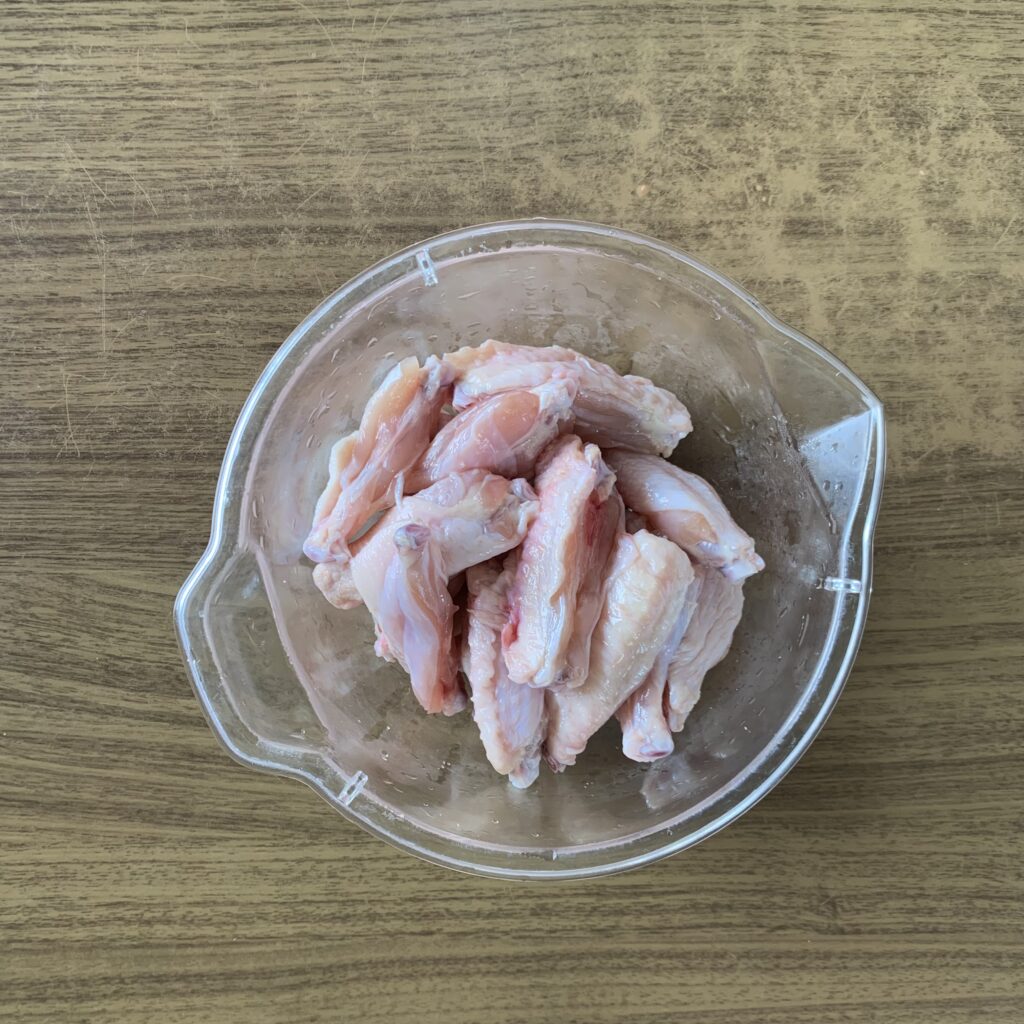

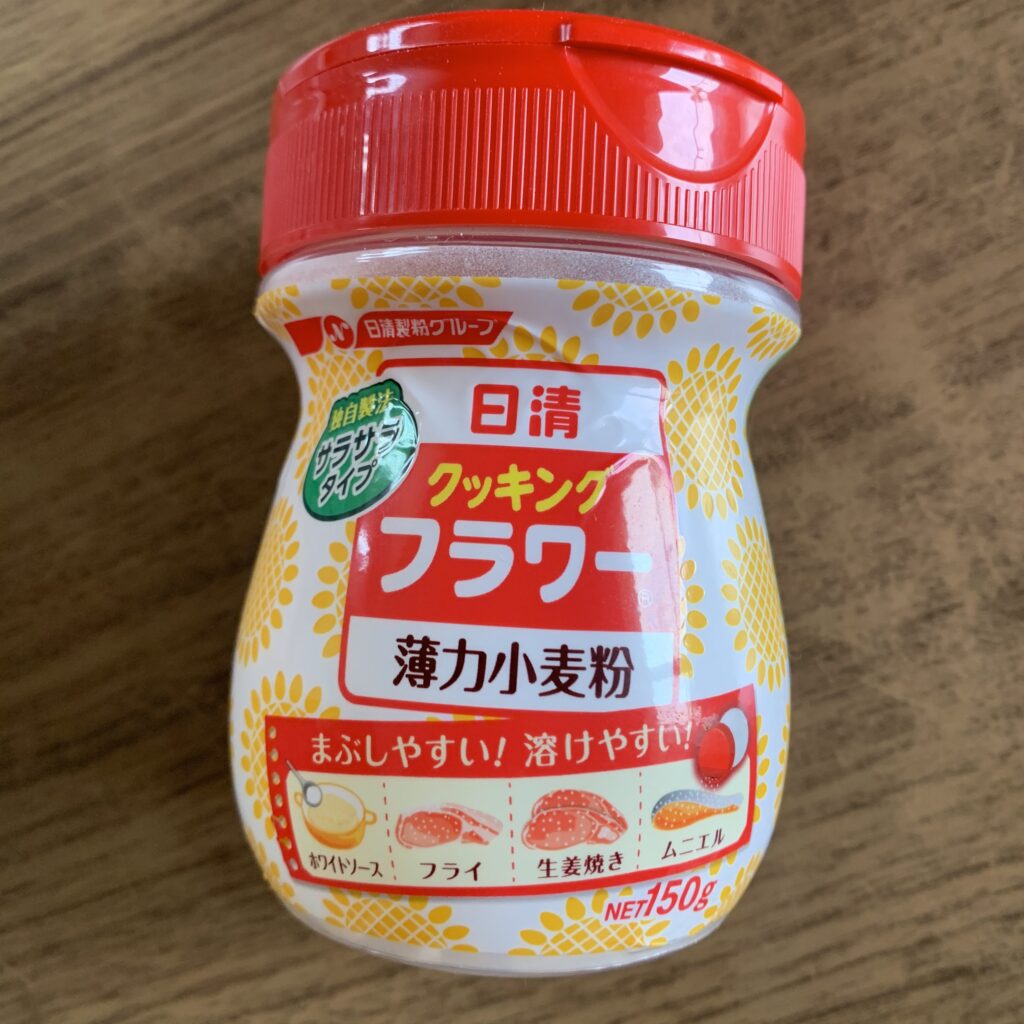
- Prep the Chicken: Wipe off any moisture from the surface of the wings with a paper towel.
- Season: Rub the salt and pepper (or garlic & soy sauce) into the wings and let them rest for 10 minutes.
- Coat: Lightly sprinkle flour over the wings and shake off any excess for a crispier crunch.
- Fry: Heat oil to 170°C (338°F) and fry the wings until they are golden brown and crispy.
- Simmer the Sauce: While the chicken is frying, combine all the sauce ingredients (☆) in a separate frying pan and bring them to a simmer.
- The Glaze: Toss the freshly fried chicken into the pan with the sauce and turn the heat to high. As the sauce bubbles and reduces, you’ll be hit with an amazing caramelized aroma.
- Finish: Once the wings are completely coated and the sauce is glossy, turn off the heat. Sprinkle with white sesame seeds and serve immediately!
🎬 Watch the step-by-step process here:
A Note from the Chef: Why I Used to Struggle with Frying (And How to Fix It!)
To be honest, I used to hate deep frying. I always tried to use just a tiny bit of oil to save the trouble, which only resulted in soggy, paste-like batter. Or, my oil temperature was too low, making the chicken greasy instead of crispy.
Here is what I learned: Temperature control is everything.
- Keep it at 170°C (338°F): This is the magic temperature to dehydrate the batter and lock in the juiciness.
- Coat and Fry Immediately: Once you lightly dust the chicken with flour, drop it into the oil right away so it doesn’t get sticky.
- Dealing with Marinades: If your chicken is marinated in soy sauce, wipe off excess moisture with a paper towel first. Then, massage a tiny amount of flour directly into the meat, and finish with a light dusting on the surface. This little trick prevents a gummy coating and gives you that ultimate crunch!
NUTRITION FACTS (Per Serving)
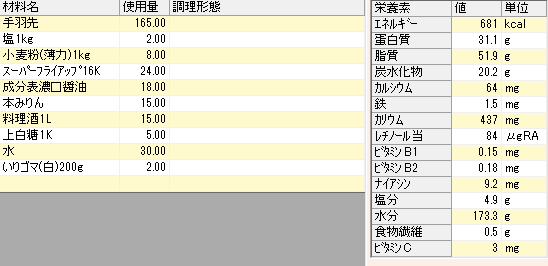
(The waste rate of tebanaka is calculated as 45%, and chicken oil absorption is assumed at 8%.)
- Calories: 341 kcal
- Protein: 15.6 g
- Total Fat: 26.0 g
- Total Carbohydrates: 10.1 g
- Salt Equivalents: 2.5 g
Complete Your Meal: A Balanced Japanese Dinner
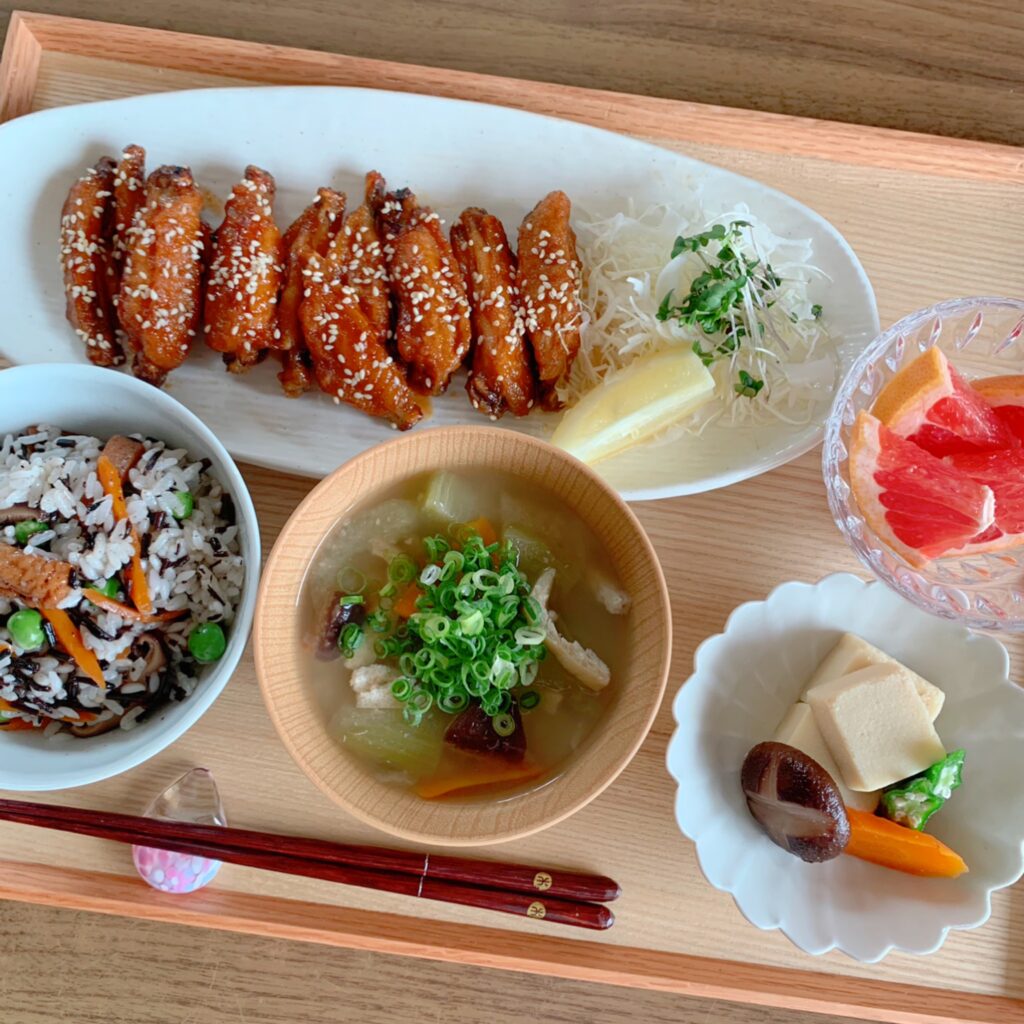
To make this a nutritionally balanced feast, I recommend pairing your Amakara Chicken Wings with these traditional Japanese sides:
- High-Fiber Hijiki Seaweed Rice: Boost your fiber intake with this fragrant and earthy rice dish. The subtle ocean flavors perfectly complement the sweet and salty chicken. 👉 [Hijiki Nimono (Hijiki Seaweed Salad)]
- Vegetable-Packed Miso Soup: A warm, comforting bowl filled with seasonal vegetables—a great way to add extra nutrients and a light finish. 👉 [Easy Miso Soup Using Dashi Stock Granules]
- Dashi-Infused Simmered Koya Tofu: Experience the unique texture of freeze-dried tofu soaked in savory dashi broth. A gentle, high-protein side dish. 👉 [Koya Dofu Fukumeni]
Read the Japanese version of this article here: [手羽中からあげ:手羽先の唐揚げ] 甘辛タレが絡む!極上のサクサク手羽中唐揚げ

コメント