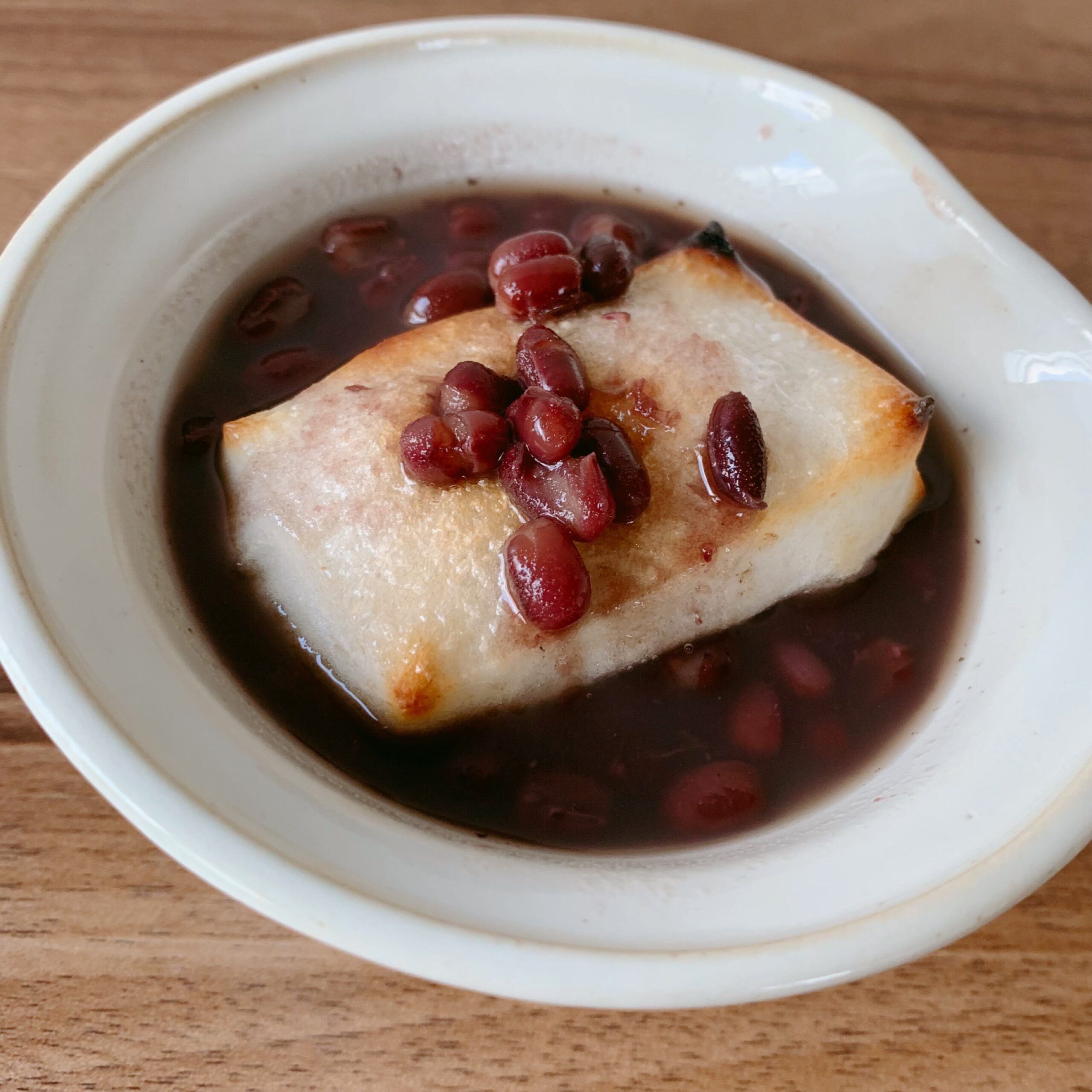
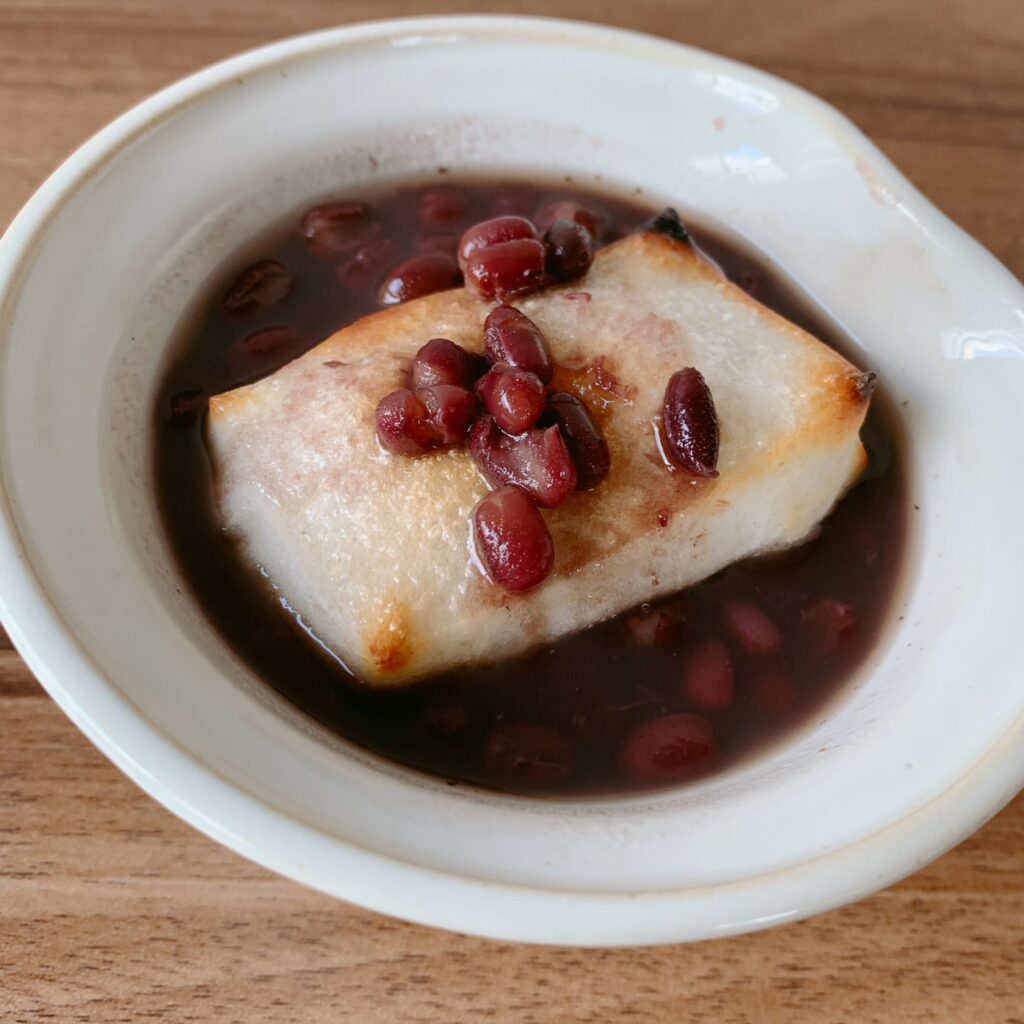
Oshiruko: The Soul-Warming Japanese Sweet Bean Soup(おしるこ)
⌛What is Oshiruko??
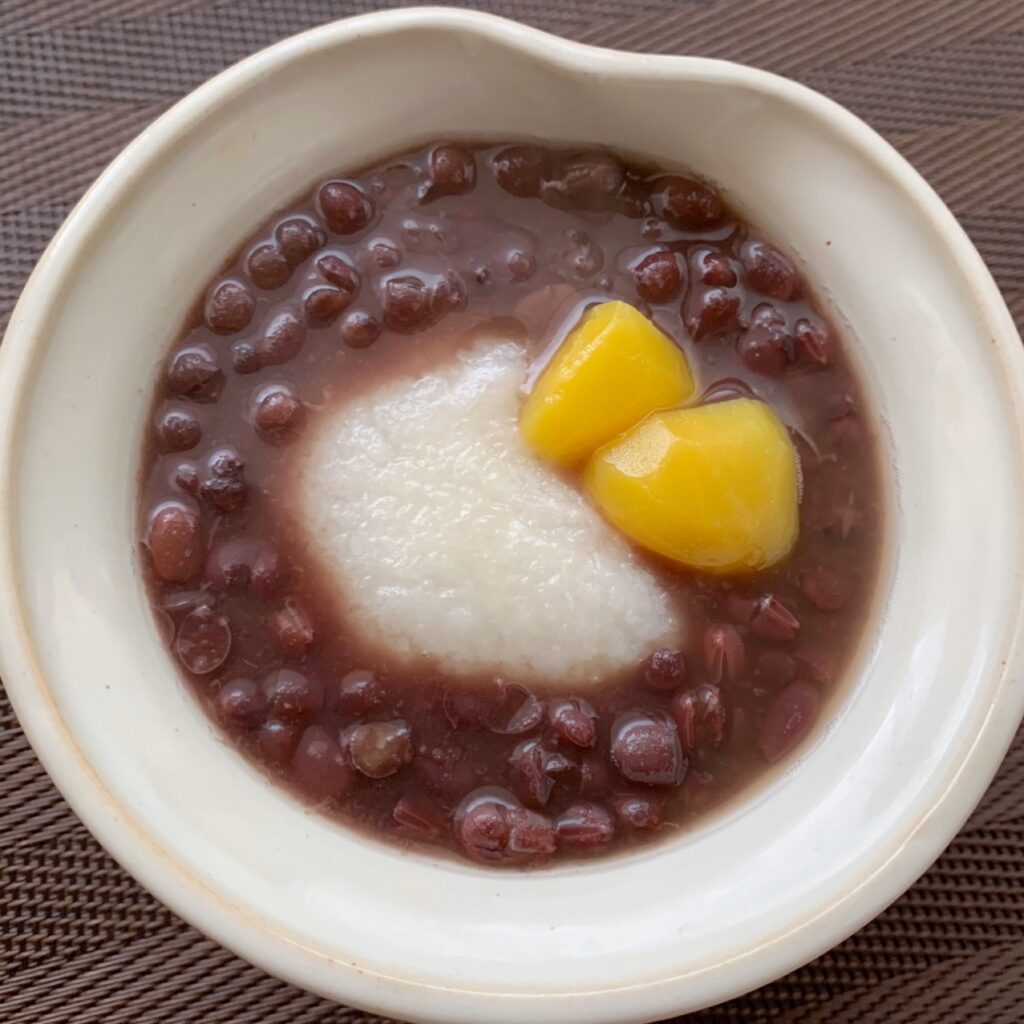
Oshiruko (also known as Zenzai) is a classic Japanese dessert made from azuki (red beans) and mochi (rice cakes). Popular since the Edo period, it is a beloved treat that balances deep sweetness with cultural significance.
1. Fascinating Facts About Oshiruko
- The Sweet & Salty Balance: In traditional sweet shops, oshiruko is often served with a side of pickles or salted kelp. This is because a tiny bit of salt enhances the perception of sweetness, making the flavor even richer.
- Warding Off Evil: In Japan, the color red is believed to repel evil spirits. Because of this, red bean dishes are often served on auspicious occasions.
- New Year’s Tradition: Mochi is an essential New Year’s food. On January 11th (Kagami-biraki), people break the “Kagami-mochi” (decorative stacked rice cakes) offered to the gods and cook them into oshiruko to pray for a healthy year.
- Pop Culture Connection: It’s so delicious that even powerful characters can’t resist! In the popular anime ONE PIECE, Oshiruko appears as the absolute favorite food of Big Mom during the Wano Country arc.
- A Modern Favorite: While it has deep roots, it’s also a casual snack. In winter, you can even buy hot canned oshiruko from vending machines across Japan!
2. Understanding the Ingredients
- Anko (Bean Paste): Made by boiling azuki beans with sugar.
- Tsubuan: Coarse paste with whole beans.
- Koshian: Smooth, strained paste.
- Oshiruko vs. Zenzai: The names often change depending on the region. In some places, “Oshiruko” refers to the smooth soup (koshian), while “Zenzai” refers to the version with whole beans (tsubuan).
- Mochi vs. Shiratama: While traditional mochi is steamed and pounded rice, many people use Shiratama dango (rice flour dumplings) at home because they are easier to prepare.
📊 Quick Comparison: Oshiruko vs. Zenzai
The names and styles of these sweet bean soups often change depending on which part of Japan you are in. Here is a simple guide to help you tell them apart:
| Region | Name | Bean Texture & Style |
|---|---|---|
| Eastern Japan (Tokyo/Kanto) | Oshiruko | A general term for any sweet bean soup, whether it is smooth (Koshian) or chunky (Tsubuan). |
| Zenzai | Less common, but usually refers to a “dry” style (beans with very little liquid) served with mochi. | |
| Western Japan (Osaka/Kansai) | Oshiruko | Specifically refers to a smooth, strained bean soup (Koshian). |
| Zenzai | Specifically refers to a soup with whole, chunky beans (Tsubuan). |
In modern times, these distinctions are becoming more flexible, especially with instant or canned products!
💡 Learn More
If you want to master the art of making Oshiruko or explore more variations, check out our detailed guides below!
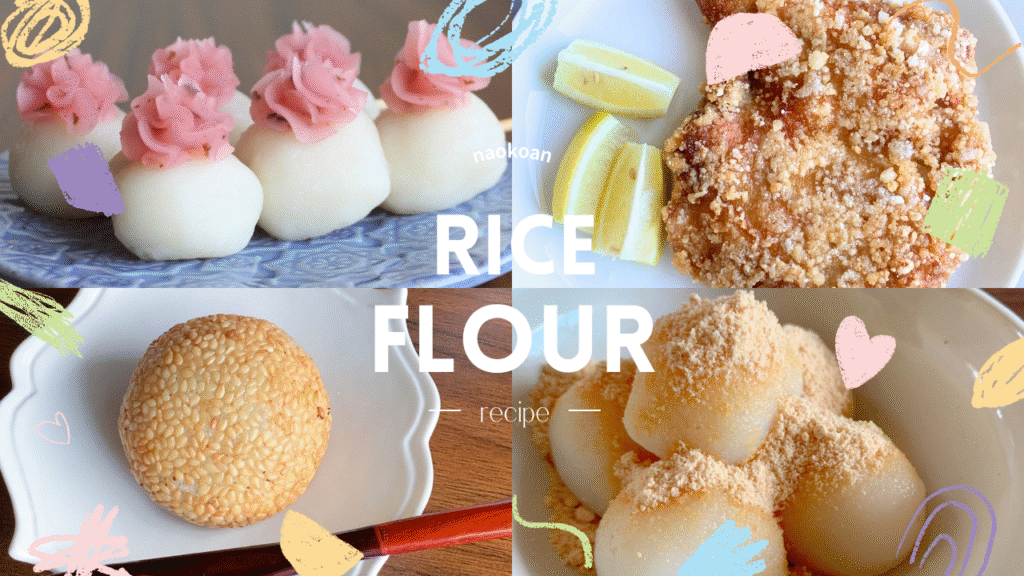
🍡 Master the Perfect Shiratama Dango
Looking to use Shiratama Dango (rice flour dumplings) instead of traditional mochi? This guide covers the secret to achieving that perfect silky-smooth texture and includes recipes like “Tofu Shiratama,” which stays soft and chewy for hours. [👉 Rice flour classification]
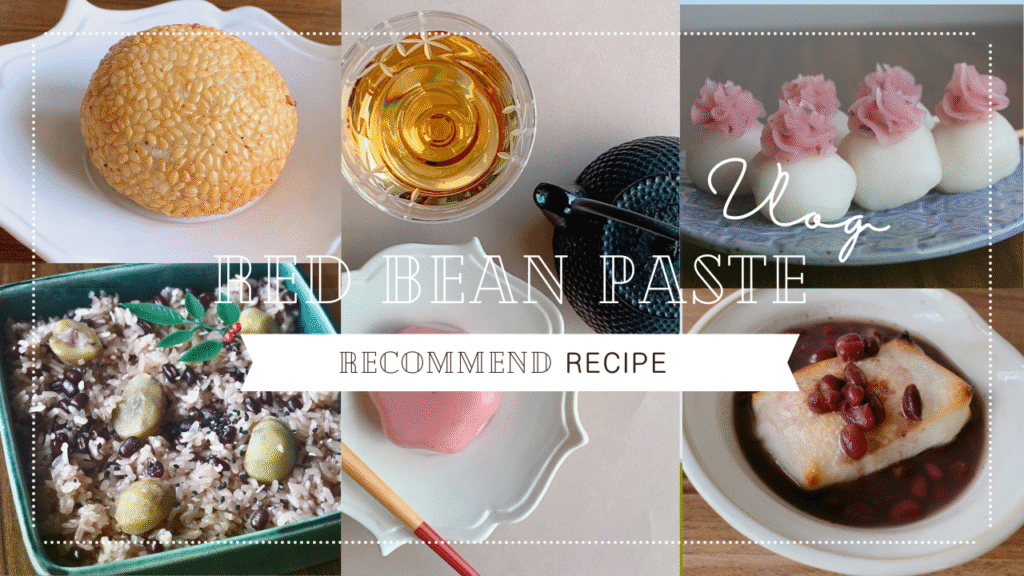
🫘 The Ultimate Guide to Azuki & Anko
Discover the difference between Tsubuan (chunky) and Koshian (smooth) pastes. Learn about the amazing nutritional benefits of azuki beans, such as polyphenols and dietary fiber, and master the art of making homemade bean paste with the perfect level of sweetness. 👉 [About Red beans and Anko (red bean paste)]
💨 Safety First: Mastering Your Pressure Cooker
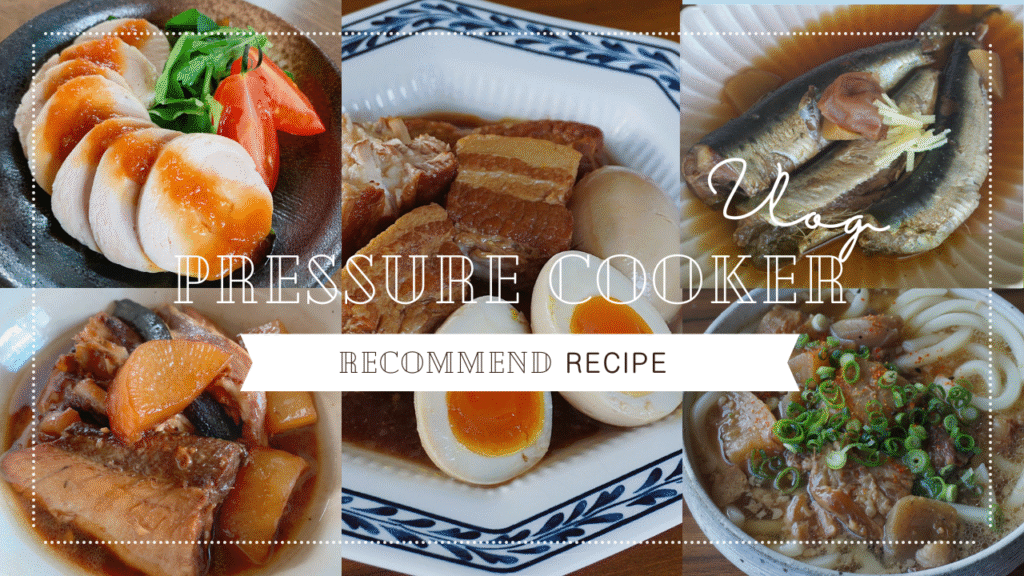
A pressure cooker is the best tool for cooking azuki beans until they are fluffy and tender in record time. However, cooking beans requires specific safety rules to prevent accidents. This guide covers essential safety tips for beginners and a variety of must-try pressure cooker recipes. 👉 [Recommended recipes using a pressure cooker]
📊 Nutrition Facts: Oshiruko (6 Servings)
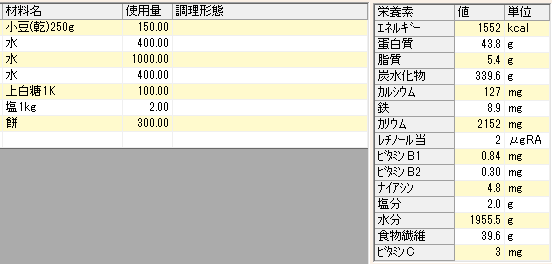
| Nutrient | Total (Recipe) | Per Serving |
| Calories | 1552 kcal | 258 kcal |
| Protein | 43.8 g | 7.3 g |
| Fat | 5.4 g | 0.9 g |
| Carbohydrates | 339.6 g | 56.6 g |
| Salt Equivalent | 2.0 g | 0.3 g |
💡 Mochi Weight & Calorie Guide
Mochi is energy-dense, so knowing the weight helps with portion control. On average, mochi contains 227 kcal per 100g.
- Square Mochi (Kiri-mochi): ~50g per piece (114 kcal)
- Round Mochi (Maru-mochi): ~35g per piece (80 kcal)
🛒INGREDIENTS (Serves 6): Oshiruko (Sweet red bean mochi soup)
- Azuki beans: 150g
- Water (for soaking): 400g
- Hot water (for parboiling): 1000g
- ★ Fresh Water: 400g
- ★ Sugar: 100g
- ★ Salt: 2g
- Mochi: 6 pieces (approx. 50g each)

👳How to make Oshiruko (Sweet red bean mochi soup)
- Soak: Place the azuki beans in 400g of water for 5 hours.
- Remove Bitterness: Boil the beans in 1000g of hot water for 2 minutes, then drain. This step removes the harsh tannins from the beans.
- Pressure Cook (Crucial Safety Step): Add the beans and 400g of fresh water to a pressure cooker. Cook for 20 minutes.
- ⚠️ DANGER: Never fill the pressure cooker beyond the “Maximum Level” indicated for beans (usually 1/3 of the pot). Overfilling is extremely dangerous as bean skins and foam can block the steam vent.
- Tip: Use a steamer tray/colander as a weight inside to keep the beans submerged and prevent skins from clogging the safety valve.
- Sweeten: Once the pressure drops naturally, check if the beans are soft enough to crush with your fingers. Only then add the sugar and salt and simmer.
- Note: If you add sugar too early, the beans will never soften!
- Grill Mochi: Lightly oil a piece of aluminum foil (to prevent sticking) and grill the mochi for about 3 minutes in a toaster oven or fish grill until puffed and slightly browned.
- Serve: Place the toasted mochi in a bowl and pour the hot azuki soup over it.
🎨Summary
Whether you prefer it smooth or chunky, hot or cold, Oshiruko is a comforting taste of Japanese culture. However, when using a pressure cooker, always double-check your manual for the maximum bean capacity to ensure a safe cooking experience.
When you’re in a hurry, you can easily enjoy delicious oshiruko (sweet red bean soup) by mixing canned boiled red beans with hot water in a 1:1 ratio and adding mochi dumplings!
📖Read the Japanese version of this article here! [おしるこ]

コメント