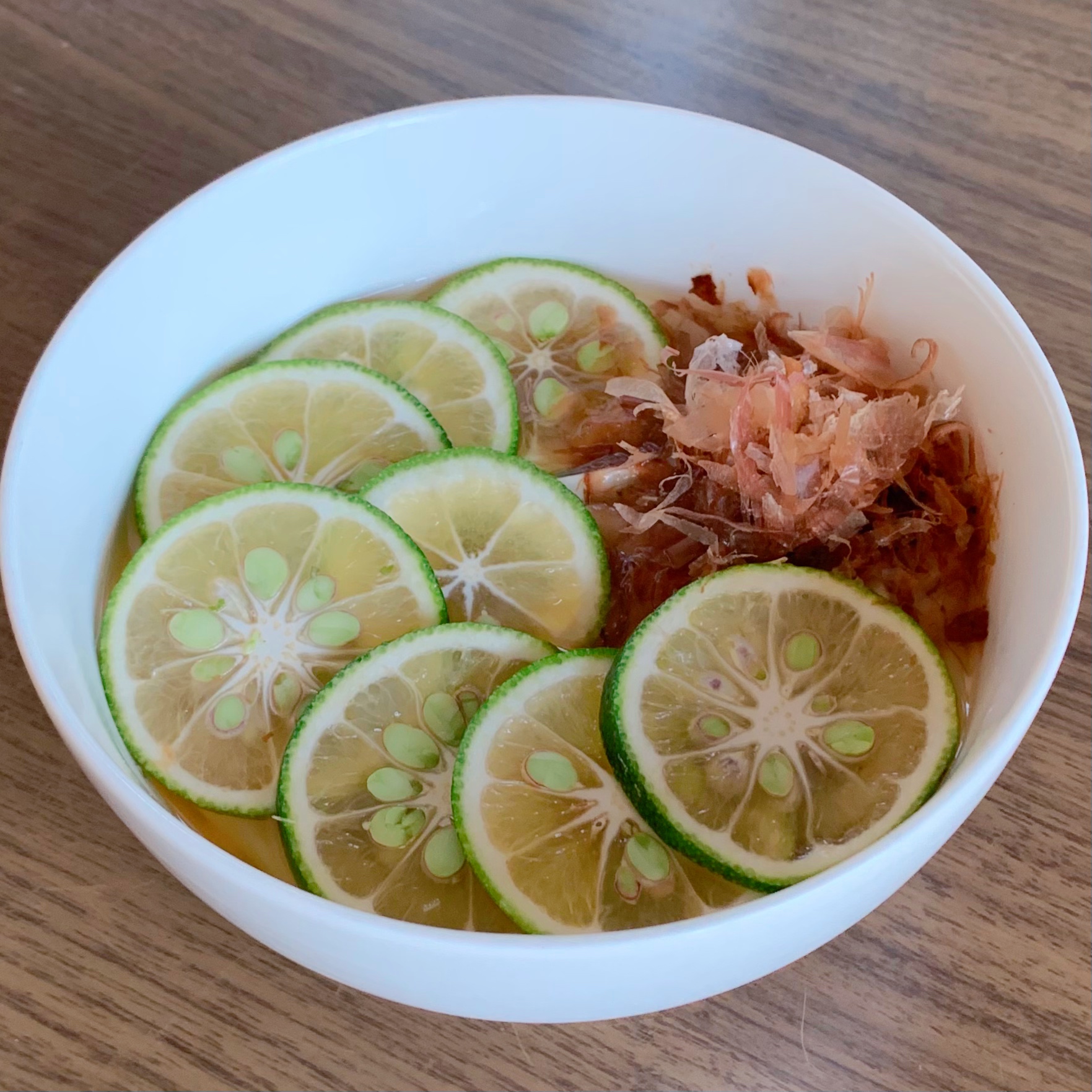
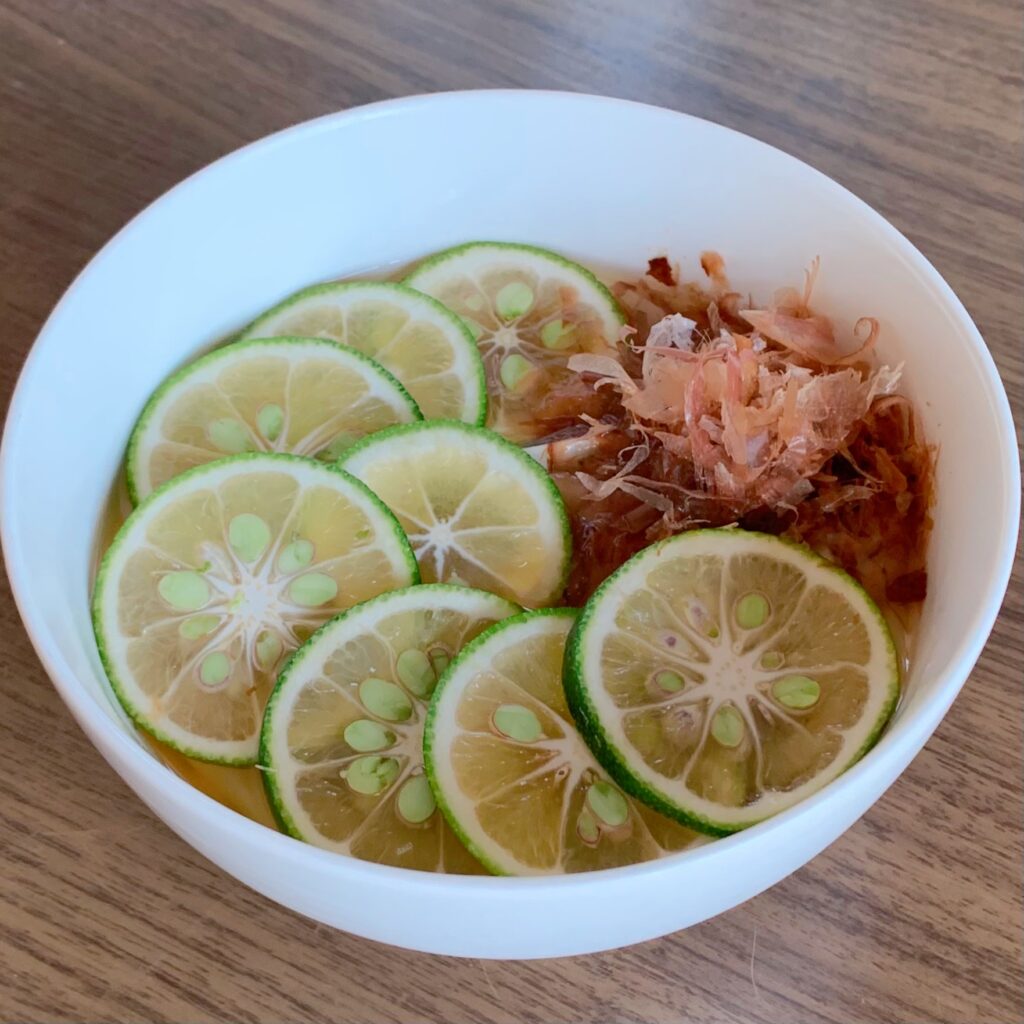
Aromatic Kabosu Udon: A Refreshing 10-Minute Recipe(かぼすうどん)
What kind of food in Kabosu udon??
Looking for a light, revitalizing meal? Kabosu Udon is the perfect choice. This dish features silky noodles topped with a generous amount of aromatic kabosu citrus, offering a truly sublime experience.
This super-easy recipe takes less than 10 minutes to prepare. The harmonious pairing of the popping, fresh aroma and the smooth texture of the noodles makes it an ideal meal—especially during the hot summer months or when you feel a loss of appetite during seasonal changes.
The moment the hot broth hits the kabosu slices, the aromatic fragrance of the citrus instantly fills the room, making it a feast for the senses.
What is Kabosu?
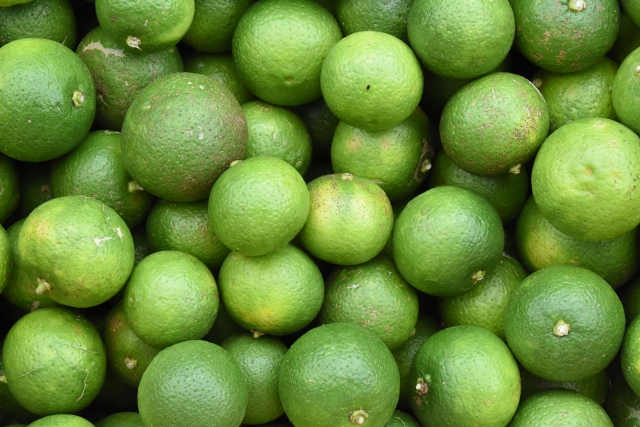
Kabosu is a Japanese citrus fruit with a refreshing, sophisticated scent.
- The Aroma: It contains volatile oils such as limonene and pinene, giving it a bright, zesty fragrance.
- The Flavor: While similar to lemon or lime, it boasts a mellower acidity, a hint of sweetness, and a pleasant touch of bitterness.
- The Season: Peak season is August to October, when the fruit is at its juiciest and most fragrant.
Dietitian’s Note
Kabosu belongs to the Kosan-citrus (fragrant acid citrus) family, along with Yuzu, Sudachi, Oranges, and Grapefruits. Unlike oranges, Kabosu is too acidic to eat the pulp raw. However, the abundant organic acids in its juice stimulate the appetite and aid in fatigue recovery.
More Ways to Enjoy Kabosu
The refreshing acidity of kabosu is incredibly versatile:
- Other Noodles: Try it with Reimen (Korean-style cold noodles), Somen, or Soba.
- Meat and Fish: Use it to remove the “fishy” scent from seafood or to neutralize the greasiness of fatty meats.
- Sweets: It makes wonderful jellies, pound cakes, or jams.
- Zero Waste Tip: If you’re lucky enough to harvest kabosu from your garden, you can dry the peels to make “dried citrus peel” (like orange peel) to enjoy every bit of the fruit.
Aromatic kabosu, yuzu, and sudachi look very similar at first glance. To learn the unique characteristics of each, check out this easy-to-understand guide: Differences between Yuzu, Sudachi, and Kabosu (Oita Prefecture Official Website)
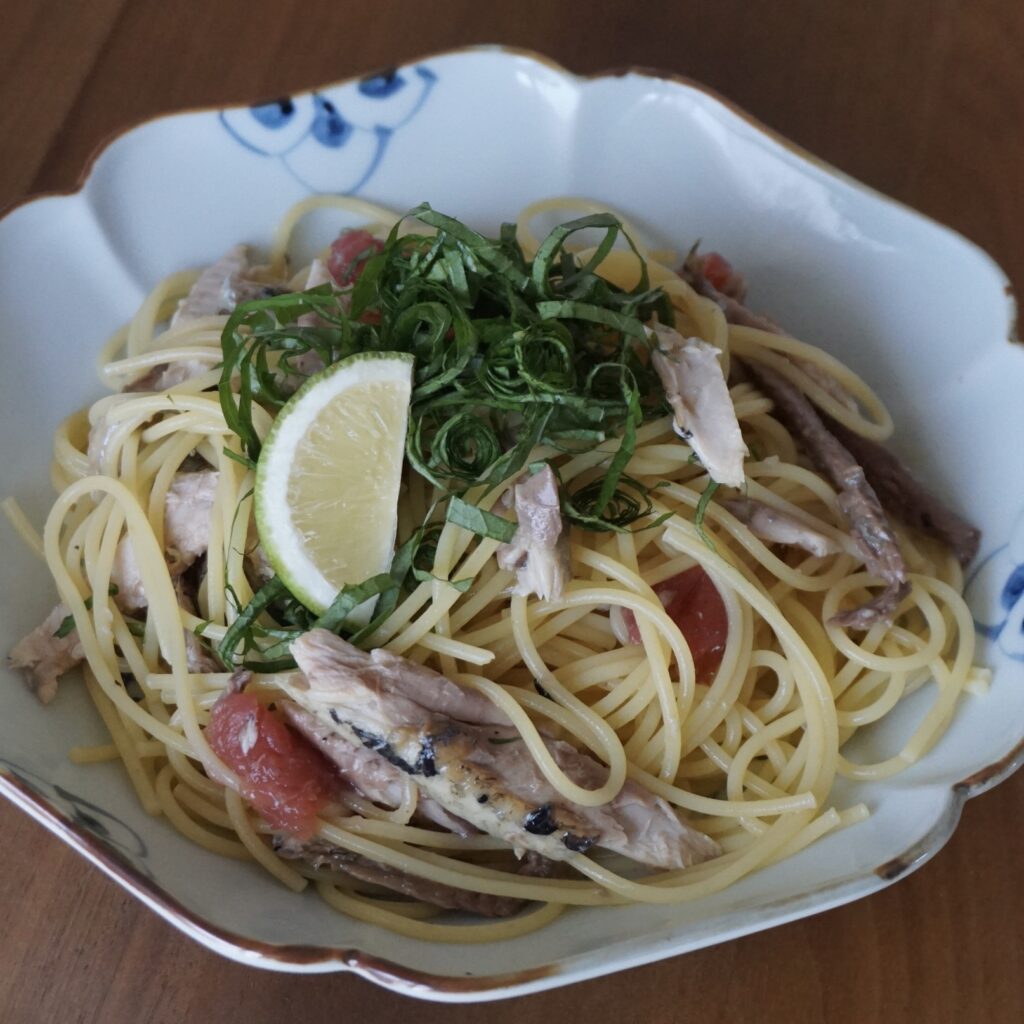
Kabosu & Sanma (Pacific Saury)
In Japan, Kabosu’s best friend is Sanma (Pacific Saury)! I highly recommend checking out my Cold Sanma Pasta recipe, which uses a generous amount of squeezed kabosu. While cold pasta might be less common in Europe, it is the absolute perfect recipe for the lingering summer heat! [Chilled pasta with Sanma (Pacific saury)]
All-Purpose Condiment: Mentsuyu
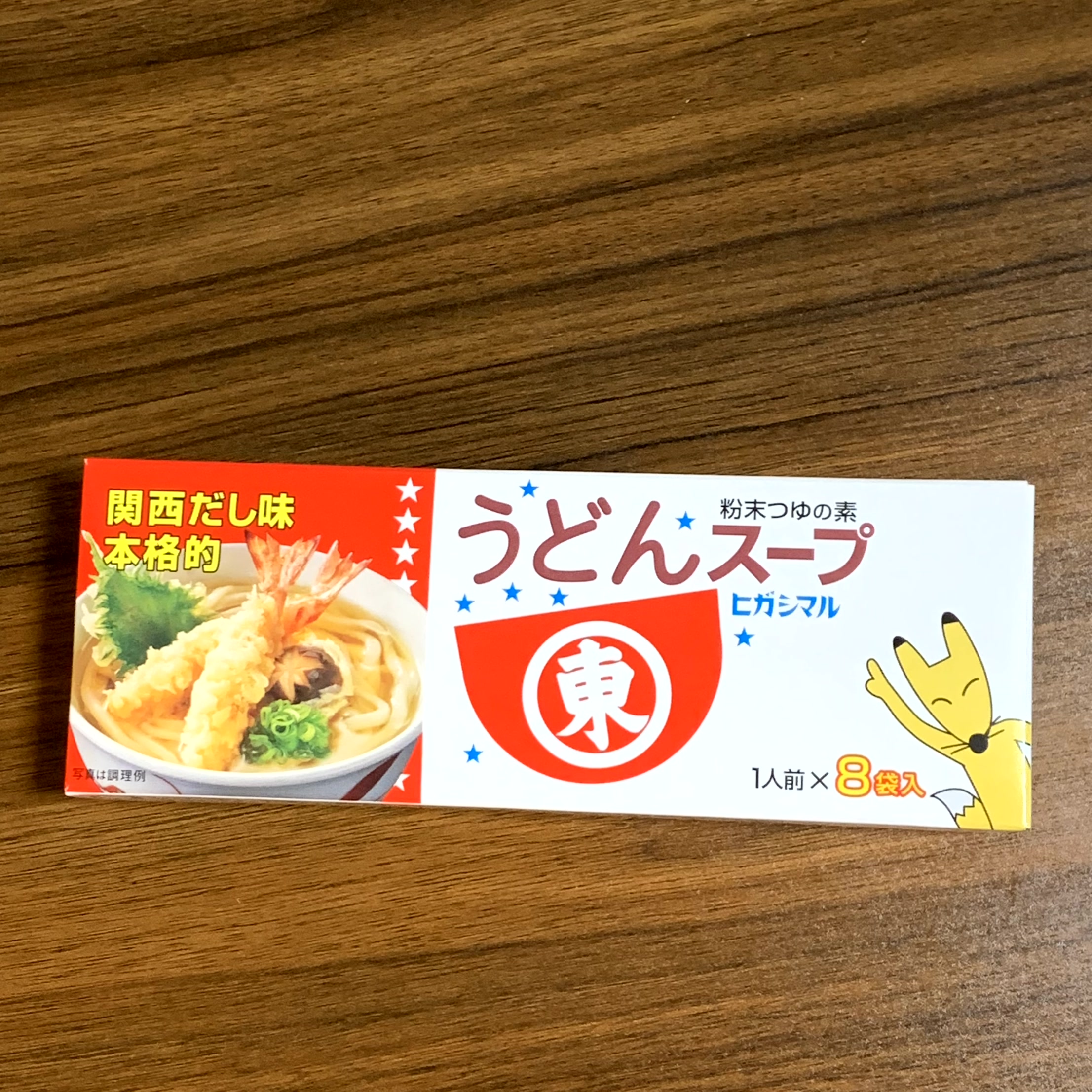
Why Choose Higashimaru Udon Soup?
In Japan, noodle soup base is called “Mentsuyu.” While there are many types, the best one depends on the dish you are making. Here is a quick guide to help you choose:
| Type of Mentsuyu | Characteristics | Best Used For… |
| Homemade | Mix of soy sauce, mirin, and dashi. Rich and savory. | Hearty dishes like Niku Udon (Beef) or Nabeyaki Udon. |
| Liquid (Store-bought) | Widely available and convenient. Often has a stronger sweetness. | Cold noodles (Zaru Udon/Soba) or dipping sauces. |
| Powdered (Higashimaru) | Saltier and light in color. Recreates the authentic “Kansai-style” golden broth. | Kabosu Udon and light, aromatic soups. |
The Perfect Match for Kabosu
Why is the powdered Higashimaru soup the “winner” for this recipe?
- The Golden Ratio: In Japan, udon broth varies by region. Eastern Japan (Tokyo) uses a dark, soy-heavy broth, while Western Japan (Kansai) prefers a clear, golden broth. Higashimaru is the gold standard for this transparent Kansai-style.
- The “Donbei” Nostalgia: Its flavor is reminiscent of “Donbei,” one of Japan’s most beloved instant udon brands. It’s a taste that every Japanese person finds comforting.
- Citrus Harmony: Because the soup is light and salty rather than dark and sweet, it doesn’t overpower the aromatic kabosu. It creates a clean canvas that allows the fresh citrus notes to truly shine.
Professional Tip: As a dietitian, I recommend the powdered soup for this specific recipe because its sharp saltiness cuts through the udon’s starchiness, perfectly balancing the mellow acidity of the kabosu. If you prefer a sweeter finish, feel free to use liquid mentsuyu, but for the most “aromatic” experience, go with the powder!
Official Product Info https://www.higashimaru.co.jp/products/udonsoup/
Want to learn more about Mentsuyu?
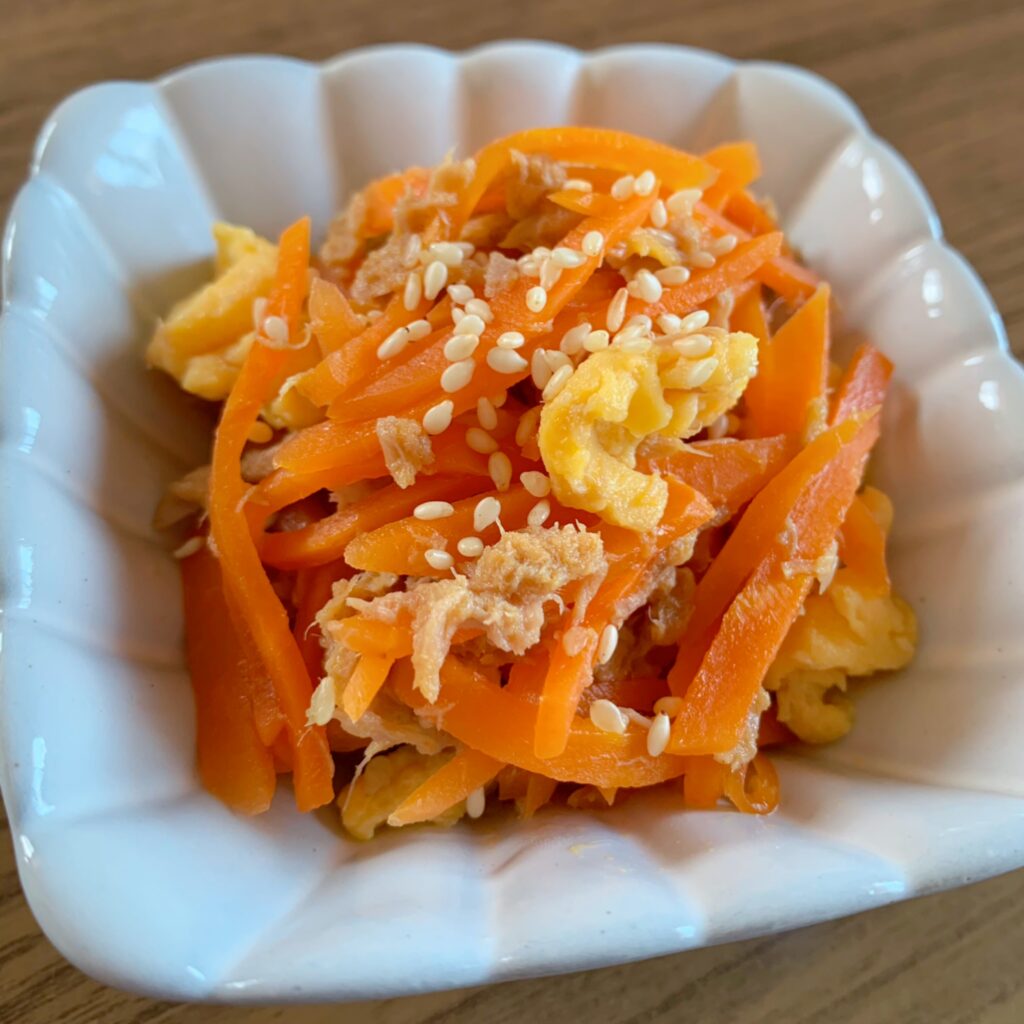
If you’re interested in the details of homemade mentsuyu versus store-bought liquid types, be sure to check out my Carrot Shirishiri (Okinawan Stir-fried Carrots) recipe! [Ninjin Shirishiri: Japanese Stir-Fried Carrots and Tuna Recipe]
NUTRITION FACTS
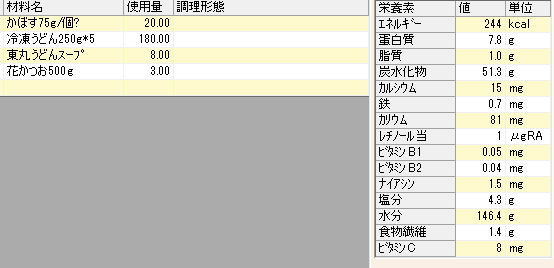
Nutrition Facts (Per Serving)
- Calories: 244 kcal
- Protein: 7.8 g
- Total Fat: 1.0 g
- Total Carbohydrate: 51.3 g
- Salt Equivalent: 4.3 g
Nutrition Facts of Higashimaru Udon Soup (Per 8g Sachet)
- Calories: 16 kcal
- Protein: 0.5 g
- Total Fat: 0 g
- Total Carbohydrate: 3.5 g
- Salt Equivalent: 3.8 g
Ingredients (1 Serving)
- Frozen Udon: 1 piece (180g)
- Tip: I use TableMark Sanuki Udon for its superior chewiness and wheat flavor.
- Fresh Kabosu: 1/4 piece (sliced thinly)
- Water: 250g
- Higashimaru Udon Soup Powder: 1 pack (8g)
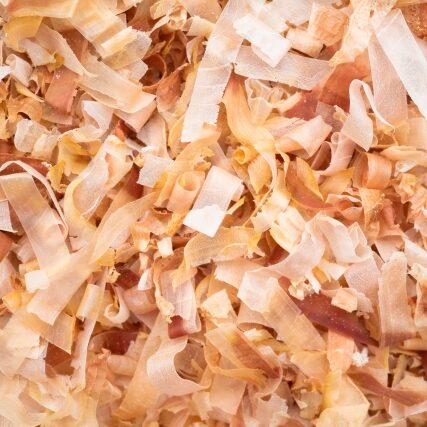
- Bonito Flakes (Katsuobushi): 3g
How to make Aromatic Kabosu Udon
- Prep the Kabosu: Wash the kabosu thoroughly and slice it thinly.
- Note: Every year, a friend gives me organic kabosu picked from her garden, so I love using the whole slice to enjoy the full aroma. If you are concerned about pesticides with store-bought citrus, you can simply use the squeezed juice instead.
- Make the Soup: Bring 250g of water to a boil. Turn off the heat and dissolve one pack of Higashimaru Udon Soup powder.
- Heat the Udon: Place the frozen udon in a microwave-safe bowl and cover with plastic wrap. Microwave for 3 to 5 minutes. (If using dried udon, please boil them according to the package instructions.)
- Assemble: Pour the hot soup into a serving bowl with the udon. Top with the fresh kabosu slices and a generous pinch of bonito flakes.
Read the Japanese version of this article here! [香り豊かなかぼすうどん:さっぱりとした10分の日本料理レシピ]

コメント