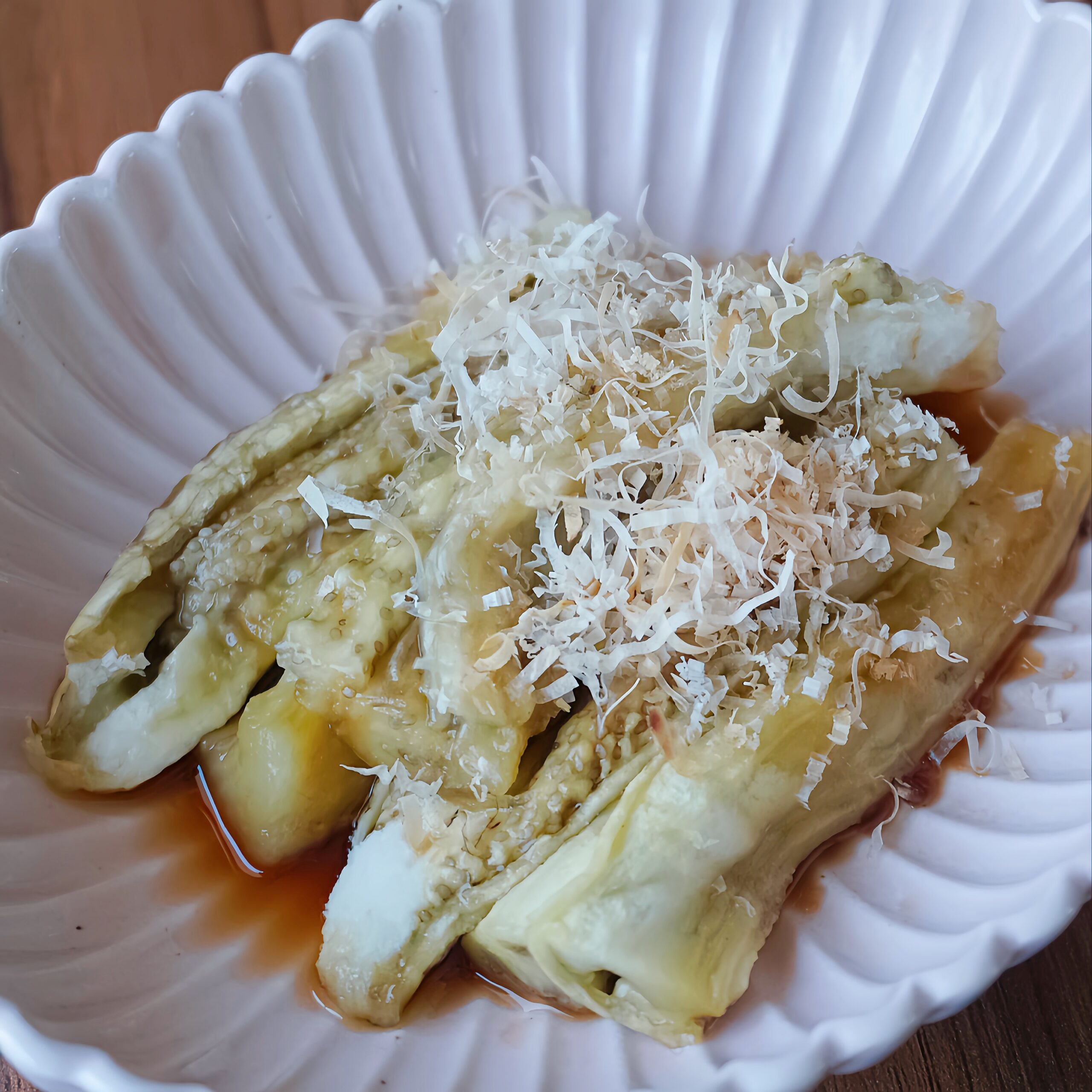
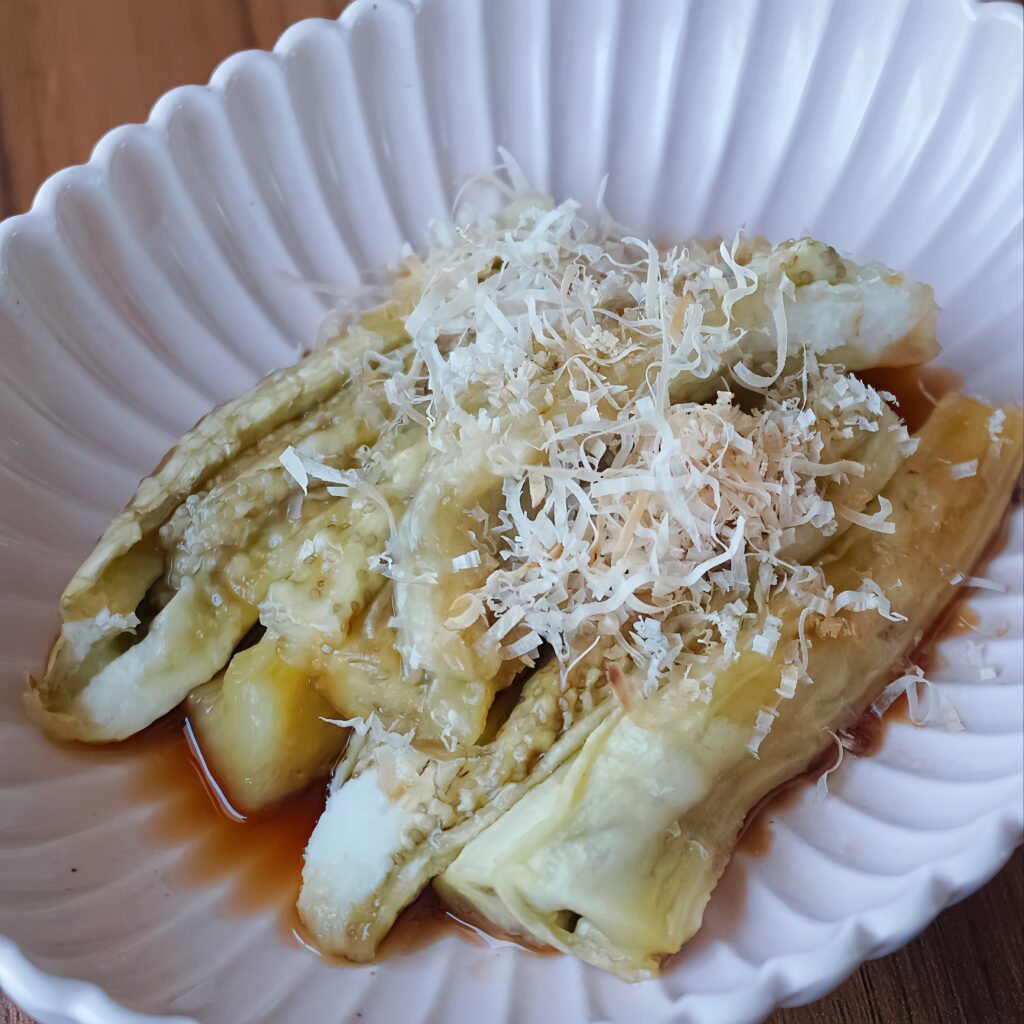
Yaki Nasu (Japanese Roasted Eggplant): A Melt-in-Your-Mouth Summer Classic
Yaki Nasu (焼きナス) is a simple, traditional Japanese dish that highlights the natural sweetness of eggplant. My mother used to make this every summer using fresh eggplants harvested straight from the fields.
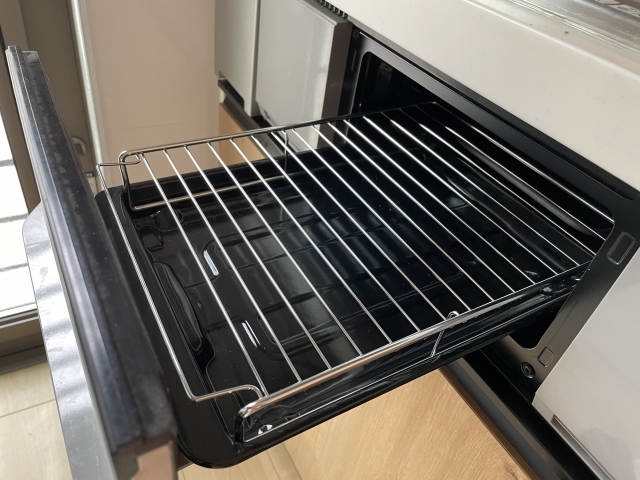
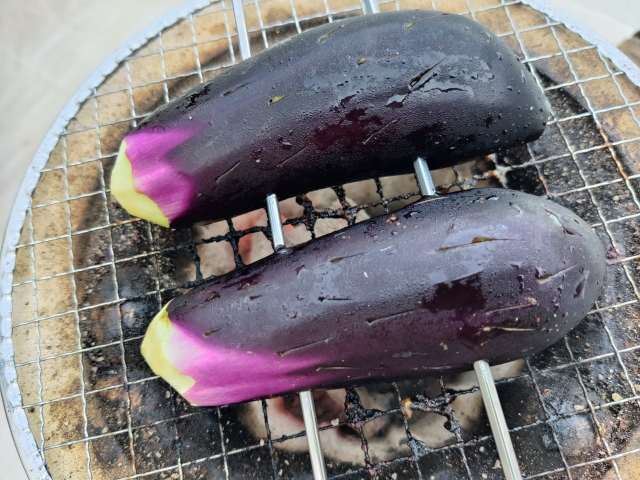
While she used a small toaster oven, some families use a fish grill or even a charcoal shichirin. I personally use a standard oven. Unlike stir-fried or tempura eggplant, the roasted version offers an exceptional, melting texture and a concentrated sweetness that is truly unique.
🍆 About Eggplants in Japan
Eggplant, or Nasu in Japanese, is a staple vegetable eaten worldwide. In Japan, we use different varieties for different dishes:
- Naga Nasu (Long Eggplant): The most common variety. Versatile and great for simmering, stir-frying, or grilling.
- Mizu Nasu (Water Eggplant): Very juicy and slightly sweet. It’s often eaten raw in salads, carpaccio, or pickles.
- Kamo Nasu: A specialty from Kyoto with dense, soft flesh. It holds its shape perfectly when simmered or used in Dengaku (miso-glazed).
- Bei Nasu (American Eggplant): Larger and meatier. It pairs beautifully with oil, making it ideal for pasta or gratins.
Why eat it in summer? > In Japan, it is said that eggplant has a natural effect of cooling the body, making it the perfect remedy for the summer heat!
📋 Nutrition Facts (Total Serving): Yaki Nasu
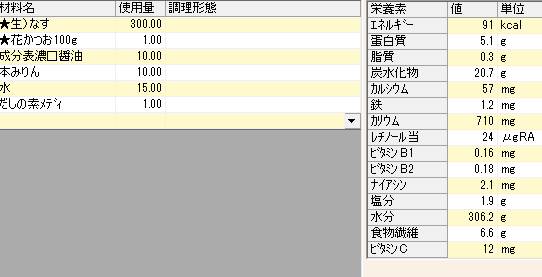
- Calories: 91 kcal
- Protein: 5.1 g
- Total Fat: 0.3 g
- Total Carbohydrates: 20.7 g
- Sodium: 1.9 g
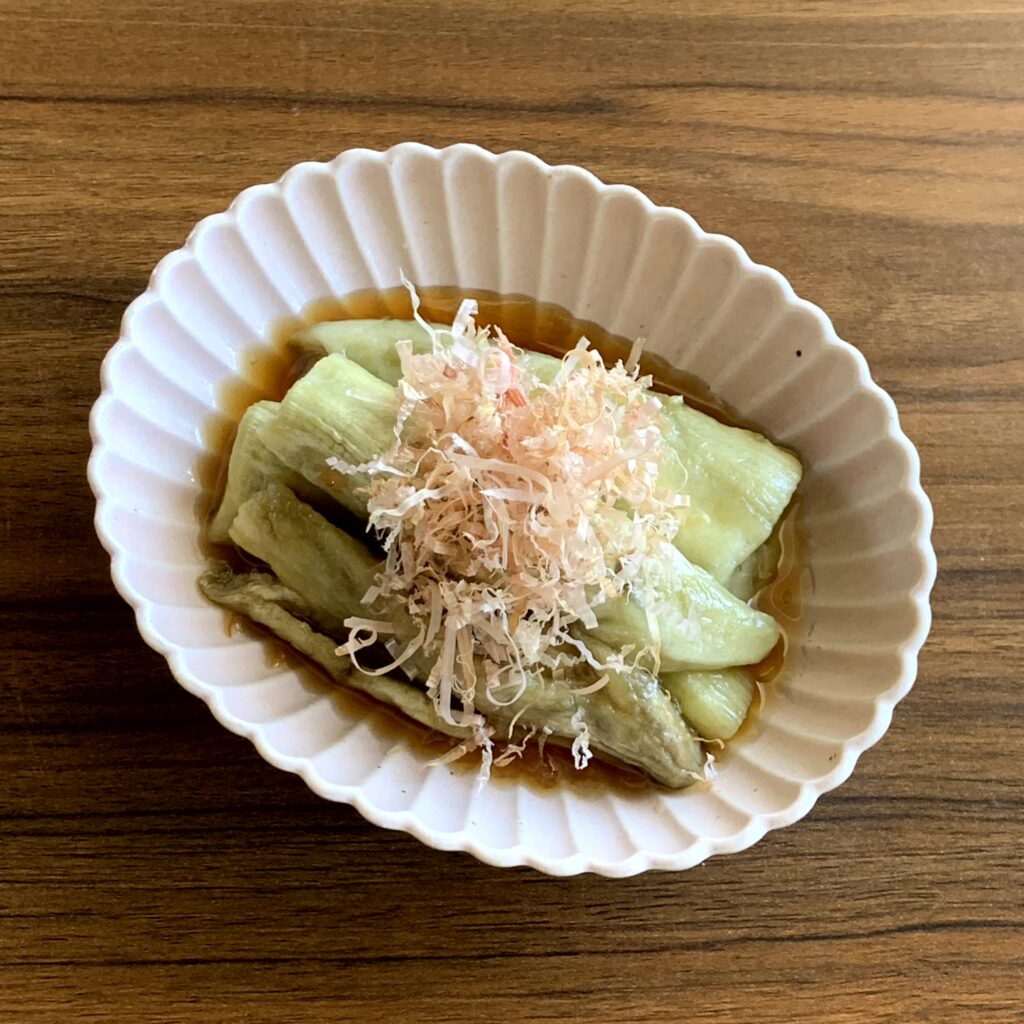
🍳 Ingredients (Serves 2): Yaki Nasu
- Eggplants: 2–3 (approx. 350g)
- Bonito Flakes: 1~5g
- The Sauce (☆):
- Soy sauce: 10g
- Mirin: 10g
- Hot water: 15g
- Dashi stock granules: 1g
Note: You can also use Ponzu (citrus soy sauce) or top with Myoga (Japanese ginger) and green onions for extra flavor!
🔪 Cooking Instructions: Yaki Nasu
- Prep the eggplant: Remove the petal-like parts of the calyx (the “cap”). Trim only the very tip of the stem—don’t cut the whole cap off!
- Pierce the skin: Poke several holes with a fork or make light slits with a knife. This prevents the eggplant from bursting in the oven and makes it easier to peel later.
- Roast: Place in the oven at 230°C (450°F) for about 40 minutes. (No preheating required).
- Pro Tip: For the best flavor, roast until the skin is wrinkled and charred. The smoky aroma is key!
- Peel: While the eggplant is still hot, hold the stem and gently peel away the skin. Be careful not to burn your fingers!
- Serve: Cut into bite-sized pieces. Mix the sauce ingredients (☆) together and pour over the eggplant. Top with bonito flakes.

❄️ Storage Tip: Freeze it!
Raw eggplants don’t stay fresh for long. I highly recommend making a big batch of Yaki Nasu when they are cheap. Simply peel, cut, and freeze them. When you’re ready to eat, just defrost naturally or heat them in the microwave!
📖Related Link: Read the Japanese version of this article here! [とろけるオーブン焼きナス]



コメント