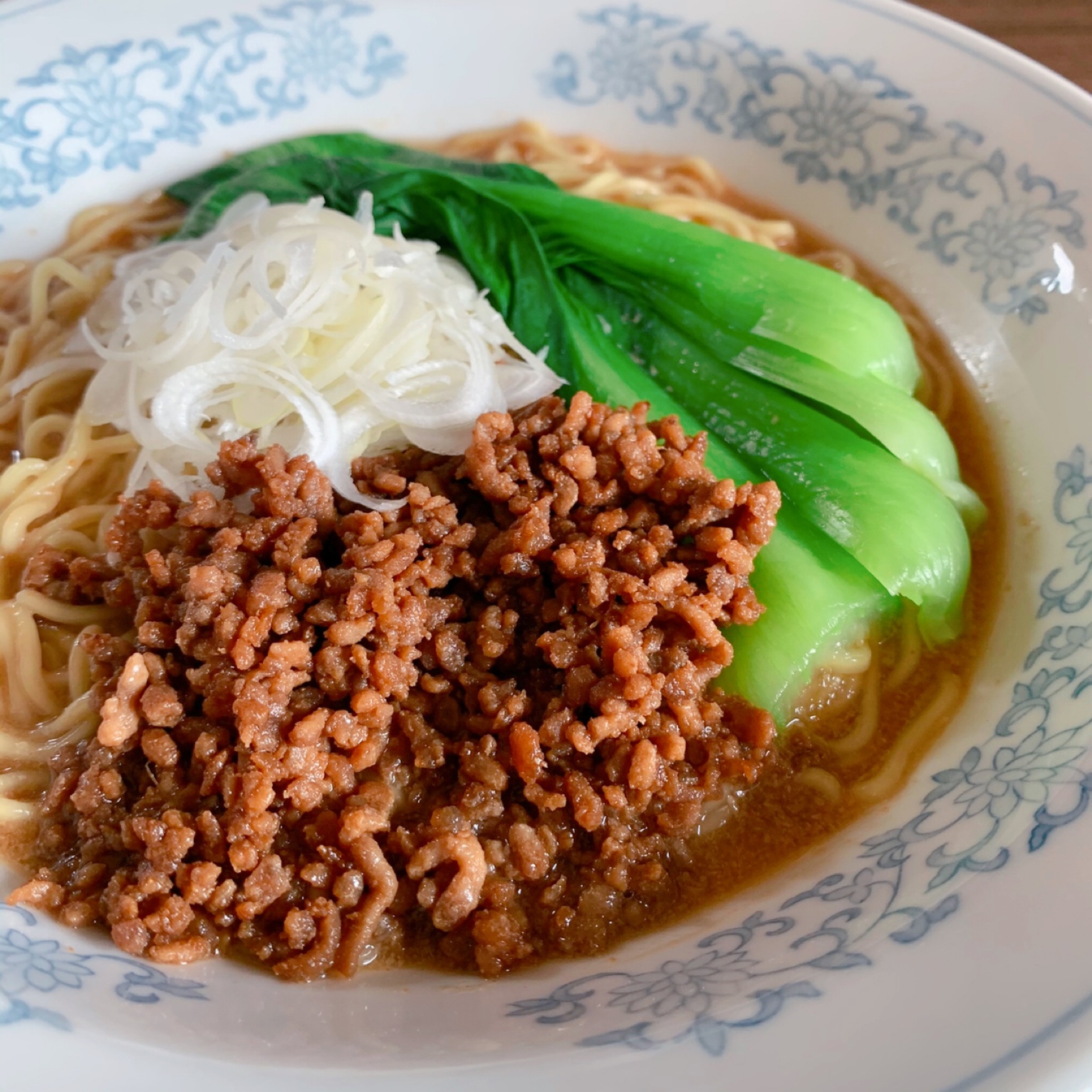
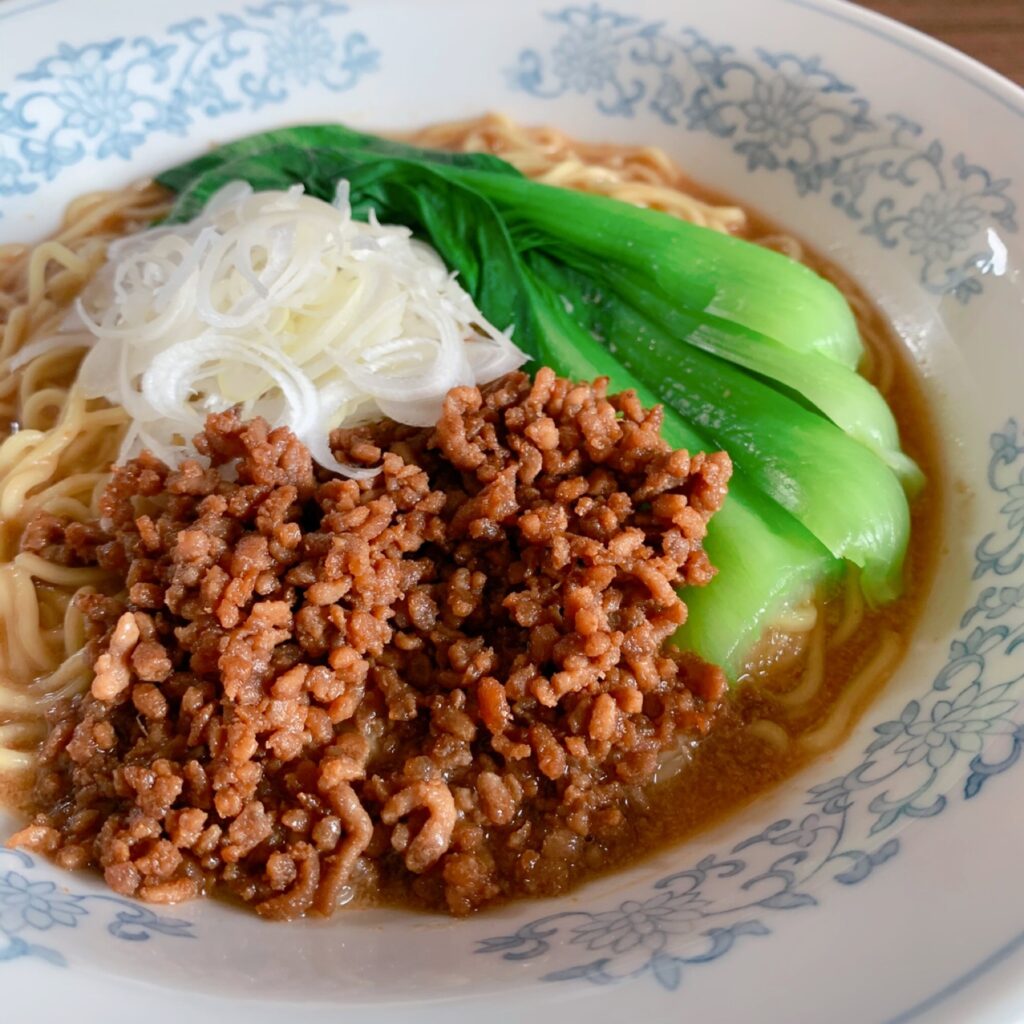
Dandan Noodles (Tantanmen): The Best Niku Miso Ramen
The origins of tantanmen trace back to the street corners of Sichuan Province, China. Back then, it was not a rich, soup-filled noodle dish, but a simple, brothless street snack called “dandan mian,” sold by peddlers carrying bamboo shoulder poles (tan).
Unlike soy sauce or salt ramen, it features a one-of-a-kind flavor profile combining the rich depth of “nerigoma (sesame paste)” with the spicy kick of chili oil and the numbing warmth of “sichuan pepper (huajiao).”
Instead of chashu pork, it is traditionally styled with seasoned “minced pork (niku-miso),” crisp bok choy, and nuts for texture.
Far beyond the boundaries of standard ramen, it boasts immense popularity as an independent culinary genre in its own right.
While cherishing its roots as authentic Sichuan cuisine, it has evolved with a Japanese touch. Enjoy this incredibly appealing recipe that you can easily make right in your home kitchen!
What makes Japanese Tantanmen special?
Unlike the original Chinese version, which is known for its intense “ma-la” (numbing and burning) spice, the Japanese version focuses on balance and creaminess.
- The Broth: A velvety base of toasted sesame paste (Nerigoma) and soy milk or chicken stock.
- The Topping: “Niku Miso”—savory minced pork stir-fried with ginger, garlic, and fermented bean paste.
- The Flavor: It’s a perfect harmony of nutty sweetness, savory umami, and a gentle kick of chili oil (Rayu).
The Versatile “Niku Miso”
One of the joys of making tantanmen at home is utilizing this minced pork for various creative recipes.
Not only for tantanmen, it can be enjoyed in endless ways—spooned over rice or stir-fried with seasonal vegetables.
You can make a large batch of minced pork and freeze it for later, so definitely try using it in other dishes too!
About tianmianjiang (sweet flour paste)
The key seasoning that defines the flavor of niku miso is tianmianjiang. While often described simply as “sweet bean miso,” it is actually made from wheat flour.
When I asked a Chinese restaurant chef about substitutes, they shared a brilliant trick: by combining red miso and sugar, you can recreate that rich, fermented flavor without having to make a special trip to a specialty store.
Of course, if you happen to have Tianmianjiang on hand, by all means, use that!
Ingredients: 2 servings
- Niku miso (Meat Miso)
- Ground pork: 80g
- Garlic (grated): 1g
- Ginger (grated): 1g
- White leek (finely chopped): 20g
- Sesame oil: 2g
- Doubanjiang (spicy bean paste): 4g
- Dark soy sauce: 1g
- Pepper: to taste
- Seasoning mixture (substitute for Tianmianjiang/sweet bean sauce!)
- Red miso: 5g
- Sugar: 5g
- Sake: 5g
- Soup and Noodles
- Chicken stock granules: 4g
- Light soy sauce: 14g
- Sugar: 8g
- Water: 400g
- Ground sesame seeds: 2g
- Sesame paste (neri-goma): 20g
- Chinese noodles: 220g (approx. 420g cooked)
- Bok choy: 100g
- Chili oil (rayu): 2g
Instructions
- Heat the sesame oil and doubanjiang in a frying pan. Add the ground pork, grated garlic, grated ginger, and finely chopped scallion, and stir-fry.
- Tip: Wipe away any excess oil released from the meat to achieve a clean, refined flavor without unwanted gamey tastes.
- In a small bowl, thoroughly mix the red miso, sugar, sake, and dark soy sauce. Add this mixture to the pan, stirring well to combine with the meat as it fries. Adjust the flavor with pepper, and continue cooking until the liquid evaporates completely. Turn off the heat.
- Boil the bok choy until the stems are tender, then drain well.
- Tip: Add a little salt to the boiling water to keep the bok choy vibrant and green.
- Bring the chicken bouillon powder, light soy sauce, sugar, and water to a boil in a pot.
- Add the ground sesame seeds and sesame paste to the soup, and mix thoroughly.
- Boil the Chinese noodles and drain them thoroughly.
- Place the noodles and soup in a bowl, and top with the meat miso and bok choy. Drizzle with chili oil to finish.
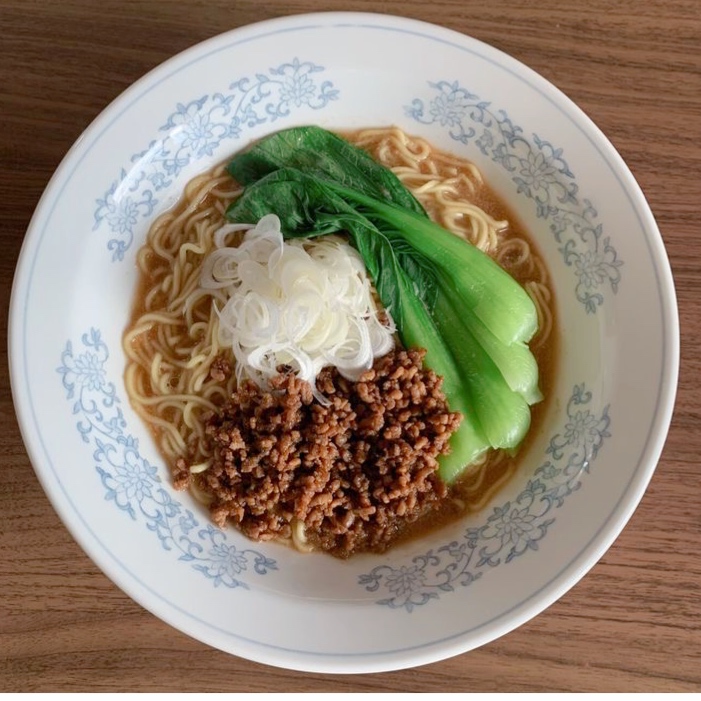
A Chef’s Secret Tip for the Perfect Bowl : Never boil the sesame paste.
When making the soup, bring your stock and seasonings to a boil first, then turn off the heat before whisking in the sesame paste. This preserves the delicate aroma and prevents the oils from separating, ensuring a restaurant-quality finish.
Quick Nutrition Check
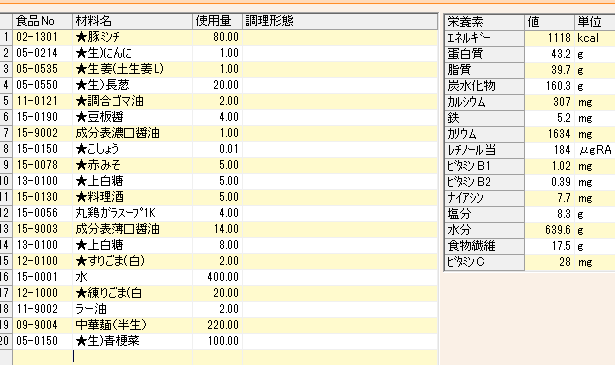
- Calories:559 kcal
- Protein:21.6g
- Fat:19.9g
- Carbs:80.2g
- Salt:4.2g
Recommended Variation: Soy Milk Tantanmen
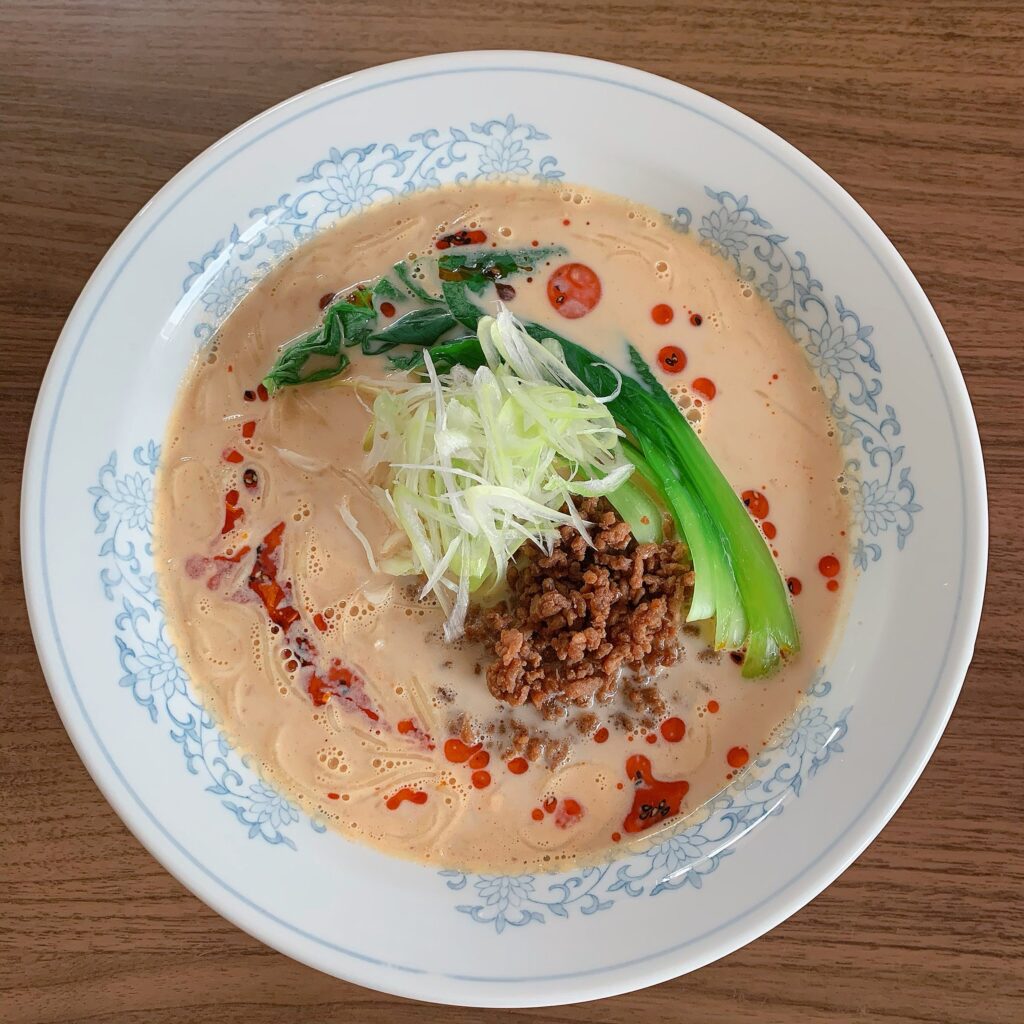
Switching part of the water to unflavored soy milk creates an addictively creamy, rich soup that elevates your Tantanmen to the next level.
To try this variations, simply replace 1/2 to 2/3 of the water in the soup recipe with unflavored soy milk.
Pro-Tip for Best Results
- Watch the Heat: Soy milk separates easily if brought to a rolling boil. First, bring the chicken stock and seasonings to a boil. Turn the heat down to low, stir in the soy milk, and gently warm the soup without letting it boil (aim for tiny bubbles around the edge of the pot).
Read the Japanese version of this article here! [担々麺:究極の肉味噌ラーメンレシピ]

コメント